Mu Wei, Wang Zhe, Zöller Margot
School of Public Health, Shanghai Jiao Tong University School of Medicine, Shanghai, China.
Department of Oncology, The First Affiliated Hospital of Guangdong, Pharmaceutical University, Guangzhou, China.
Front Oncol. 2019 Dec 16;9:1359. doi: 10.3389/fonc.2019.01359. eCollection 2019.
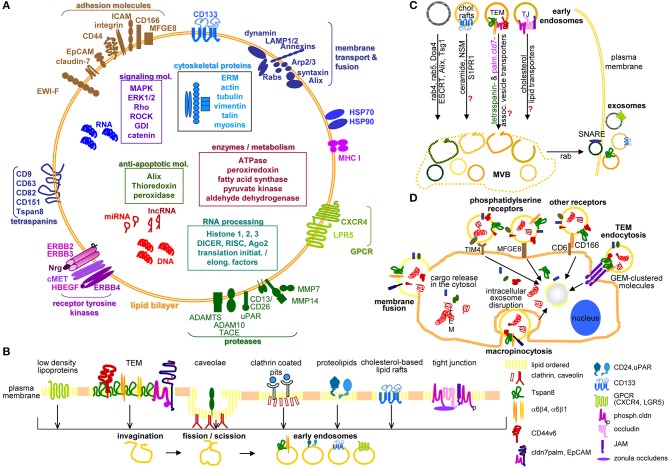
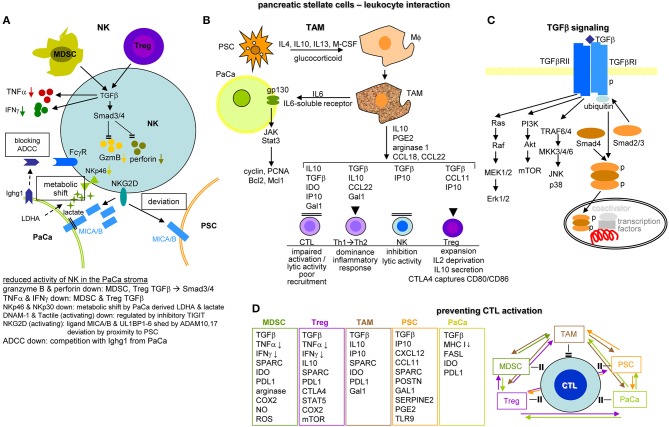
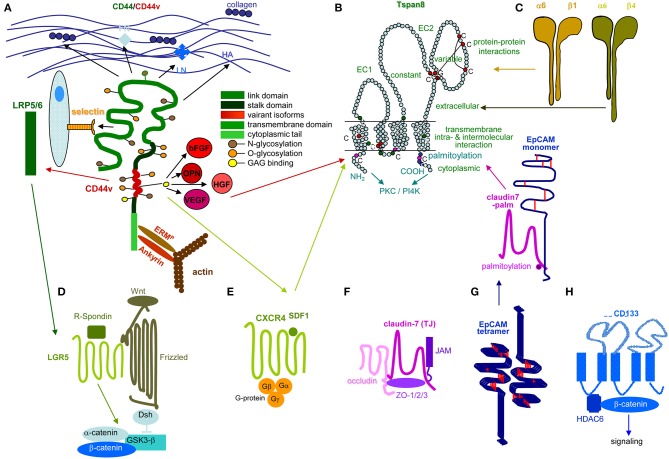
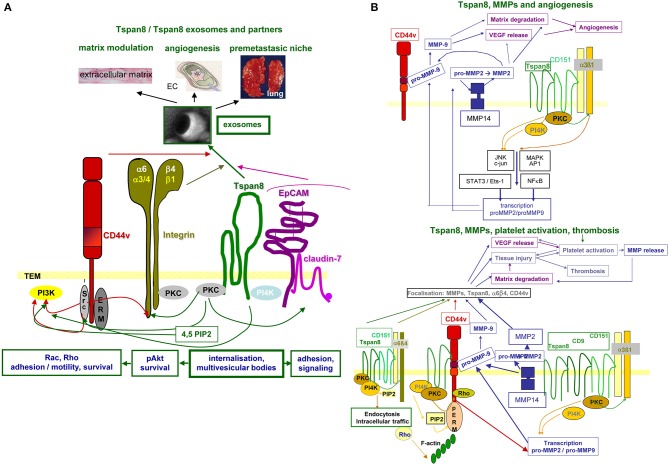
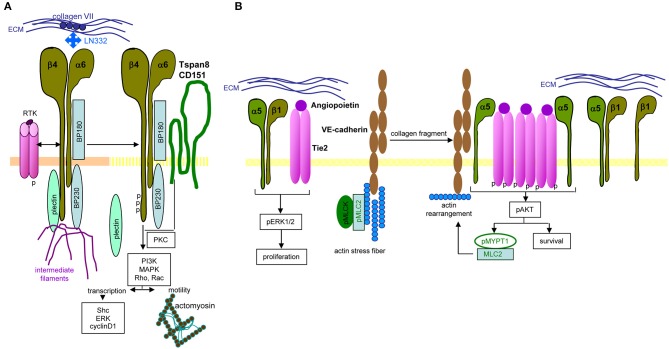
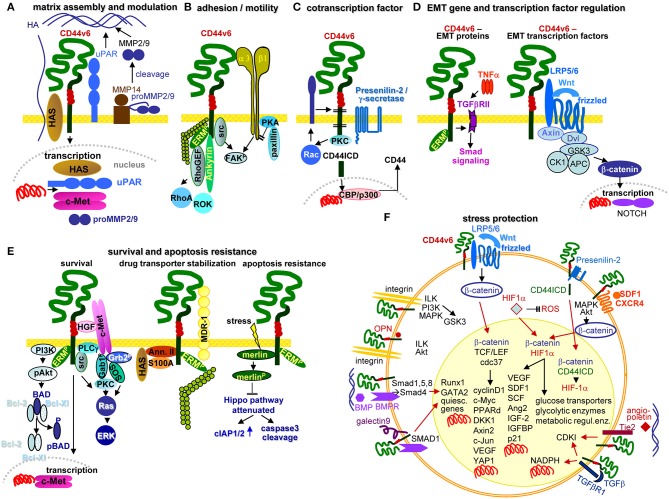
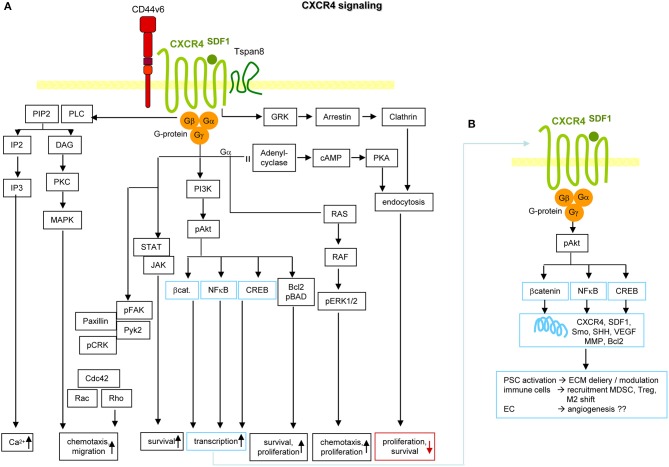
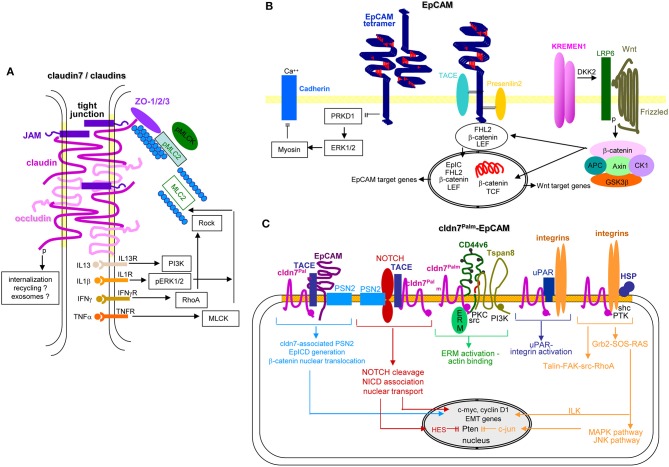
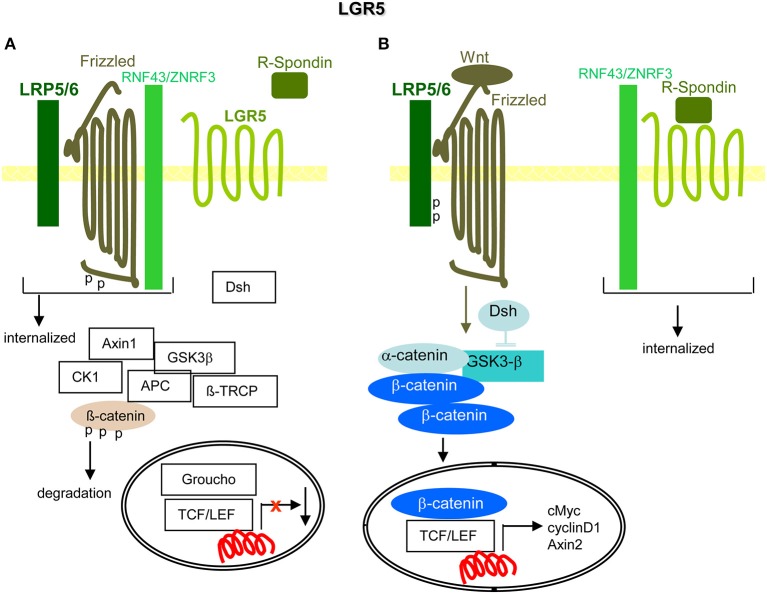
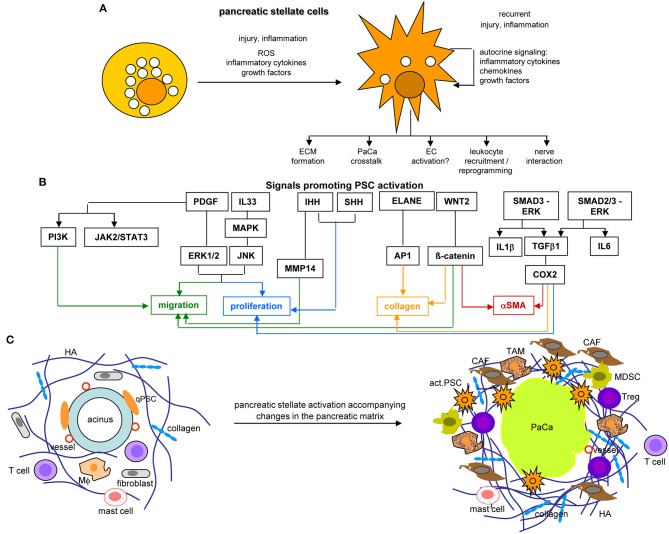
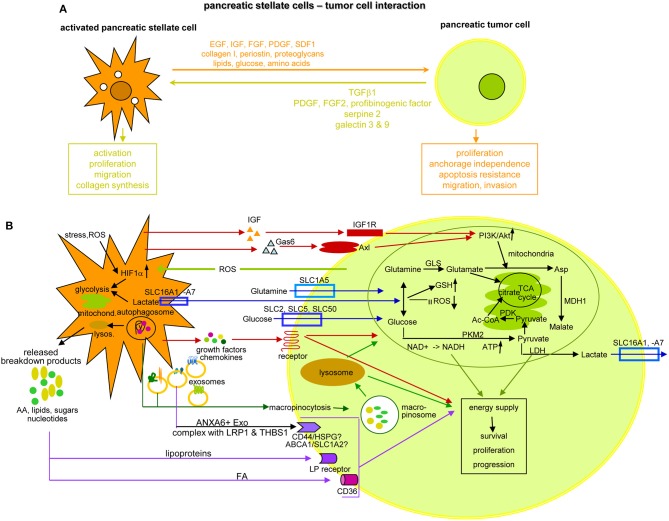
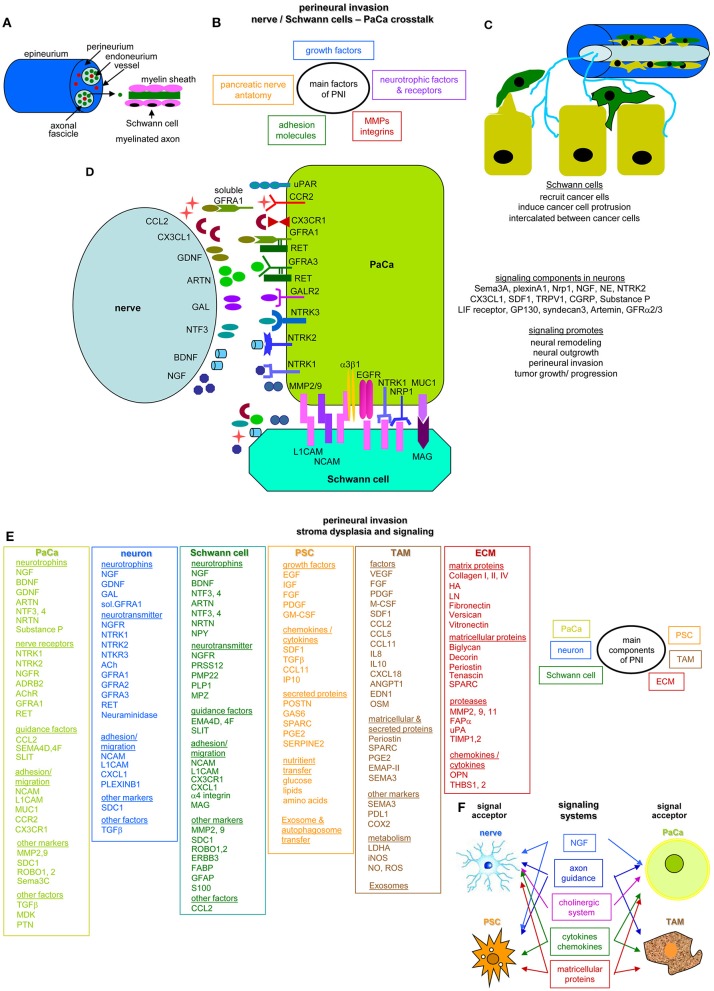
Metastasis is the main cause of high pancreatic cancer (PaCa) mortality and trials dampening PaCa mortality rates are not satisfying. Tumor progression is driven by the crosstalk between tumor cells, predominantly cancer-initiating cells (CIC), and surrounding cells and tissues as well as distant organs, where tumor-derived extracellular vesicles (TEX) are of major importance. A strong stroma reaction, recruitment of immunosuppressive leukocytes, perineural invasion, and early spread toward the peritoneal cavity, liver, and lung are shared with several epithelial cell-derived cancer, but are most prominent in PaCa. Here, we report on the state of knowledge on the PaCIC markers Tspan8, alpha6beta4, CD44v6, CXCR4, LRP5/6, LRG5, claudin7, EpCAM, and CD133, which all, but at different steps, are engaged in the metastatic cascade, frequently via PaCIC-TEX. This includes the contribution of PaCIC markers to TEX biogenesis, targeting, and uptake. We then discuss PaCa-selective features, where feedback loops between stromal elements and tumor cells, including distorted transcription, signal transduction, and metabolic shifts, establish vicious circles. For the latter particularly pancreatic stellate cells (PSC) are responsible, furnishing PaCa to cope with poor angiogenesis-promoted hypoxia by metabolic shifts and direct nutrient transfer via vesicles. Furthermore, nerves including Schwann cells deliver a large range of tumor cell attracting factors and Schwann cells additionally support PaCa cell survival by signaling receptor binding. PSC, tumor-associated macrophages, and components of the dysplastic stroma contribute to perineural invasion with signaling pathway activation including the cholinergic system. Last, PaCa aggressiveness is strongly assisted by the immune system. Although rich in immune cells, only immunosuppressive cells and factors are recovered in proximity to tumor cells and hamper effector immune cells entering the tumor stroma. Besides a paucity of immunostimulatory factors and receptors, immunosuppressive cytokines, myeloid-derived suppressor cells, regulatory T-cells, and M2 macrophages as well as PSC actively inhibit effector cell activation. This accounts for NK cells of the non-adaptive and cytotoxic T-cells of the adaptive immune system. We anticipate further deciphering the molecular background of these recently unraveled intermingled phenomena may turn most lethal PaCa into a curatively treatable disease.
转移是胰腺癌(PaCa)死亡率高的主要原因,而降低PaCa死亡率的试验效果并不理想。肿瘤进展是由肿瘤细胞(主要是癌症起始细胞,即CIC)与周围细胞、组织以及远处器官之间的相互作用驱动的,其中肿瘤衍生的细胞外囊泡(TEX)起着至关重要的作用。强烈的基质反应、免疫抑制性白细胞的募集、神经周围浸润以及早期向腹腔、肝脏和肺的扩散在几种上皮细胞衍生的癌症中都存在,但在PaCa中最为突出。在此,我们报告了关于PaCIC标志物Tspan8、α6β4、CD44v6、CXCR4、LRP5/6、LRG5、claudin7、EpCAM和CD133的知识现状,这些标志物都在不同程度上参与了转移级联反应,通常是通过PaCIC-TEX。这包括PaCIC标志物对TEX生物发生、靶向和摄取的贡献。然后,我们讨论了PaCa的选择性特征,即基质成分与肿瘤细胞之间的反馈回路,包括扭曲的转录、信号转导和代谢转变,形成了恶性循环。对于后者,胰腺星状细胞(PSC)尤为重要,它们通过代谢转变和通过囊泡的直接营养转移,使PaCa能够应对血管生成不良导致的缺氧。此外,包括雪旺细胞在内的神经会释放大量吸引肿瘤细胞的因子,雪旺细胞还通过信号受体结合来支持PaCa细胞的存活。PSC、肿瘤相关巨噬细胞和发育异常的基质成分通过包括胆碱能系统在内的信号通路激活,促进神经周围浸润。最后,免疫系统对PaCa的侵袭性有很大影响。尽管肿瘤附近富含免疫细胞,但仅能检测到免疫抑制细胞和因子,它们会阻碍效应免疫细胞进入肿瘤基质。除了缺乏免疫刺激因子和受体外,免疫抑制细胞因子、骨髓来源的抑制细胞、调节性T细胞、M2巨噬细胞以及PSC都会积极抑制效应细胞的激活。这涉及到非适应性免疫系统的自然杀伤细胞和适应性免疫系统的细胞毒性T细胞。我们预计,进一步解读这些最近揭示的相互交织现象的分子背景,可能会将最致命的PaCa转变为可治愈的疾病。