School of Life Science and Key Laboratory of the Ministry of Education for Experimental Teratology, Shandong University, Jinan 250100, China.
Jinan First People's Hospital, Jinan 250011, China.
Sci Rep. 2016 Sep 20;6:33856. doi: 10.1038/srep33856.
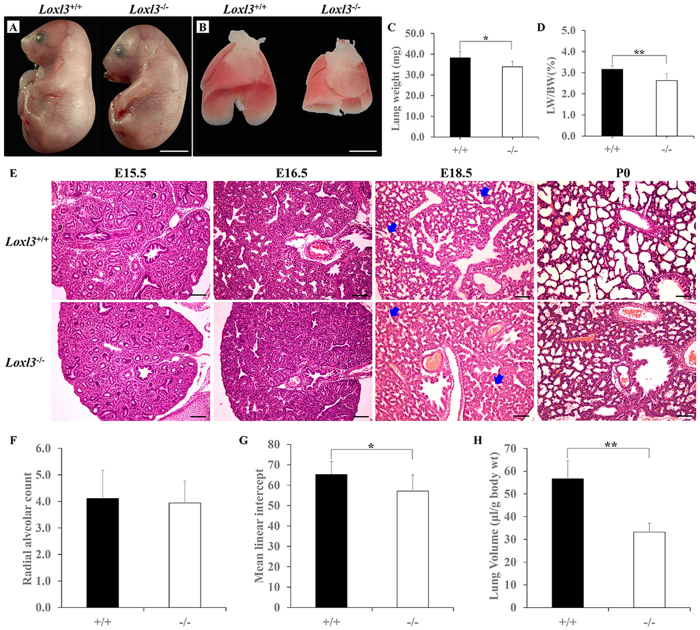
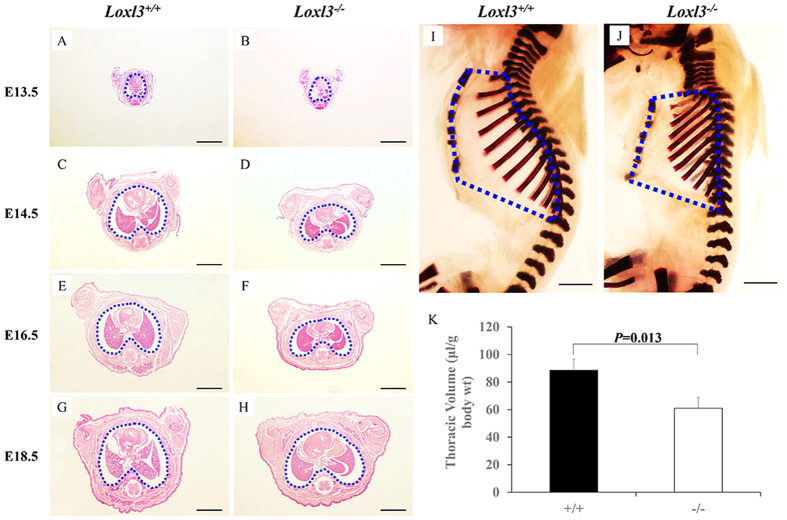
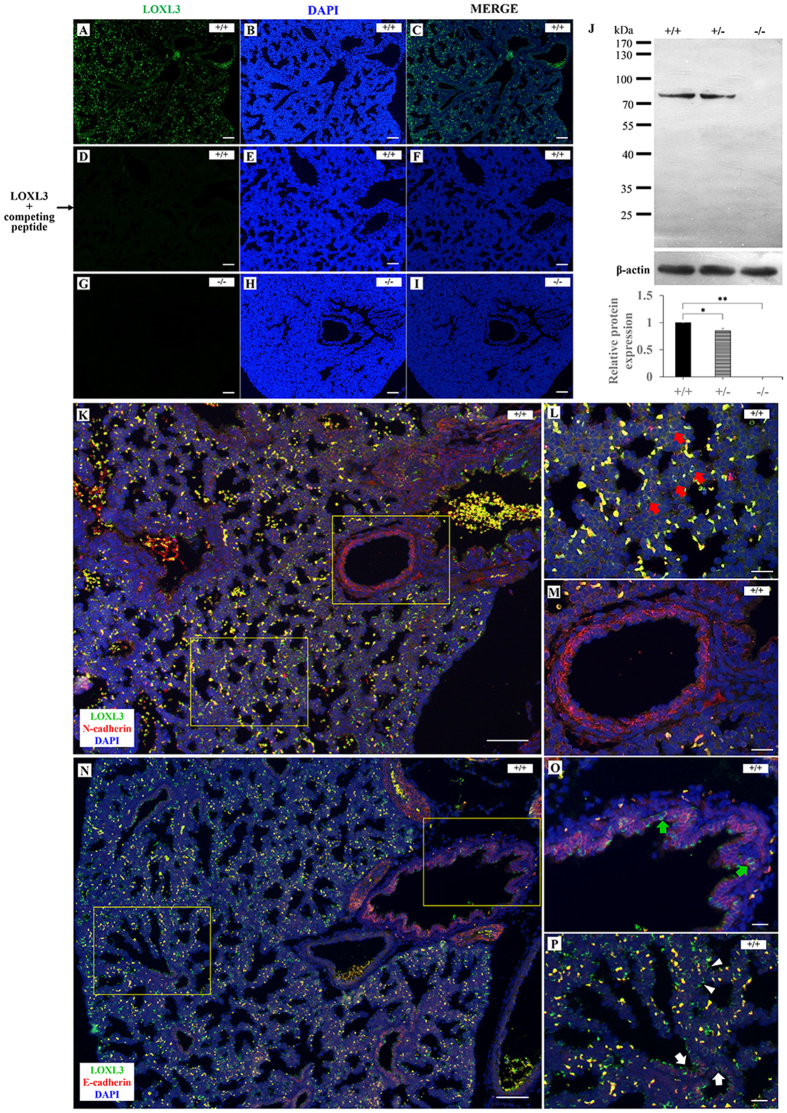
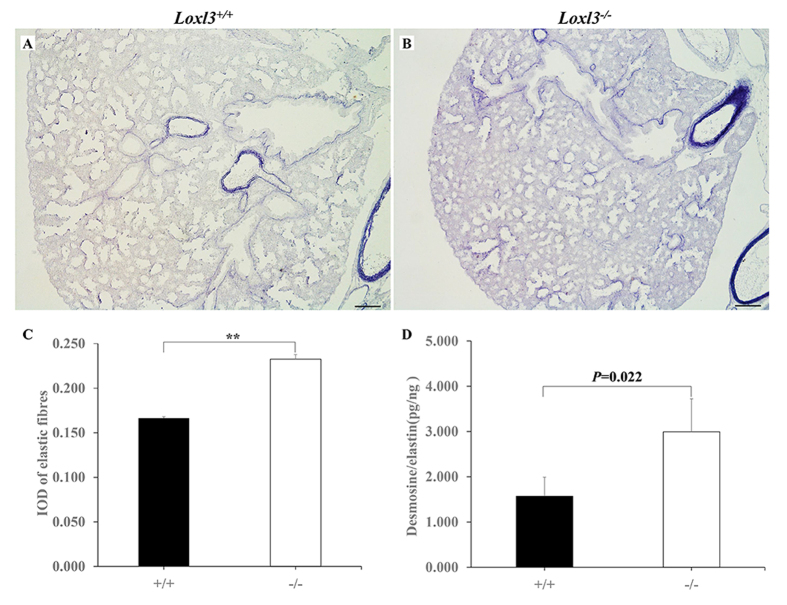
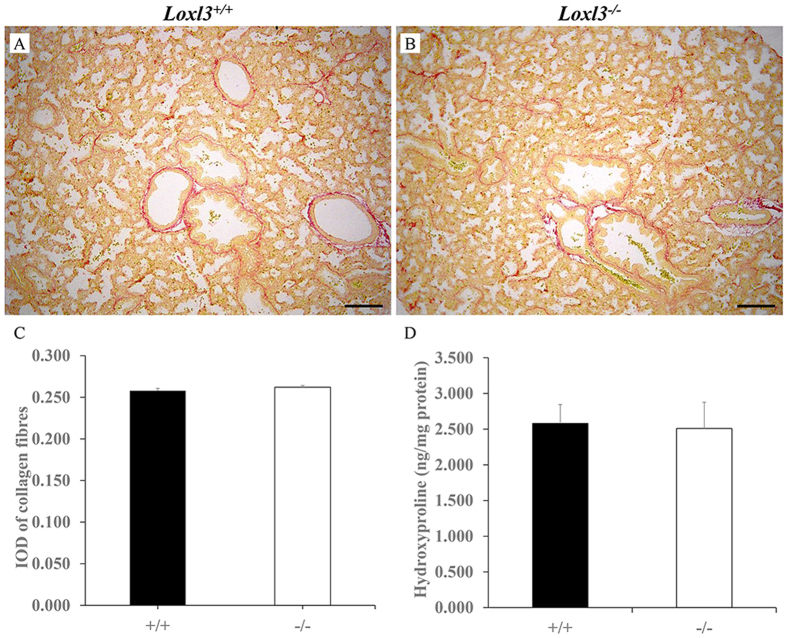
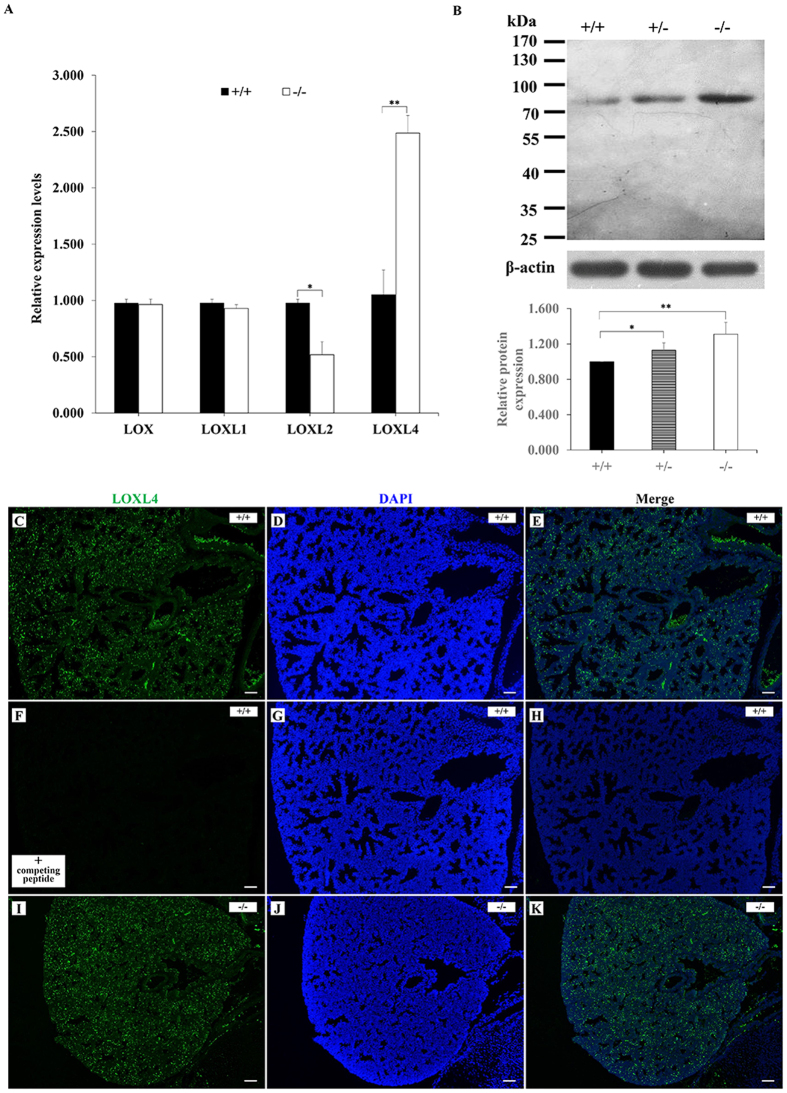
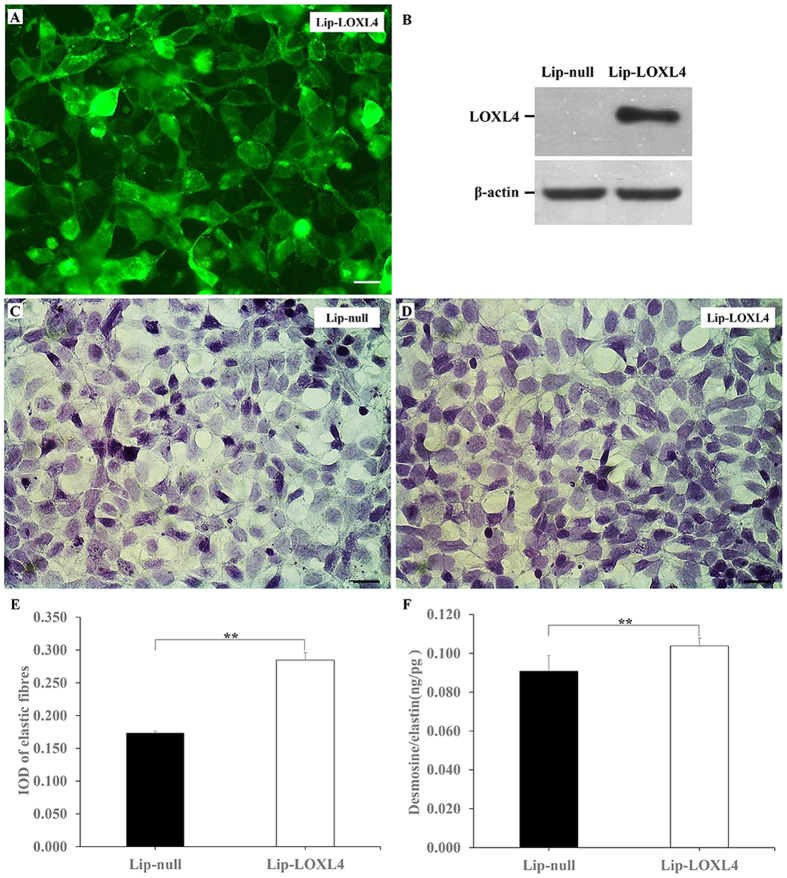
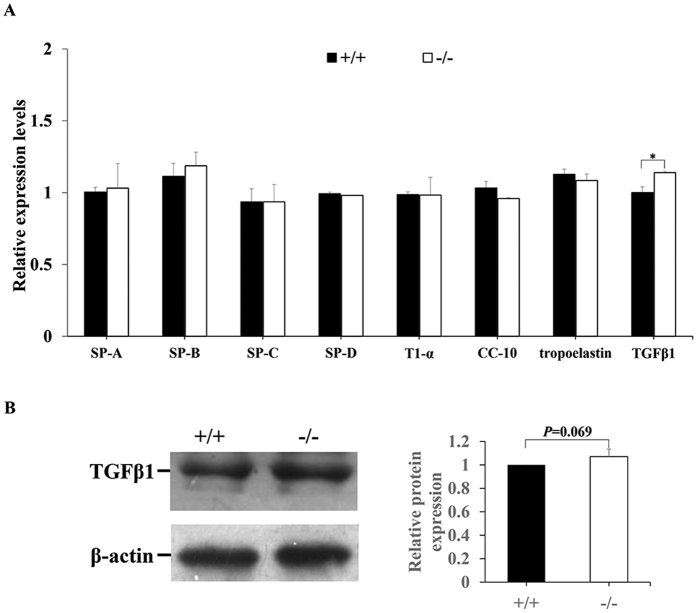
Lysyl oxidase-like 3 (LOXL3), a human disease gene candidate, is a member of the lysyl oxidase (LOX) family and is indispensable for mouse palatogenesis and vertebral column development. Our previous study showed that the loss of LOXL3 resulted in a severe cleft palate and spinal deformity. In this study, we investigated a possible role for LOXL3 in mouse embryonic lung development. LOXL3-deficient mice displayed reduced lung volumes and weights, diminished saccular spaces, and deformed and smaller thoracic cavities. Excess elastic fibres were detected in LOXL3-deficient lungs, which might be related to the increased LOXL4 expression. Increased transforming growth factor β1 (TGFβ1) expression might be involved in the up-regulation of LOXL4 in LOXL3-deficient lungs. We concluded that the loss of LOXL3 attenuates mouse embryonic lung development.
赖氨酰氧化酶样蛋白 3(LOXL3)是人类疾病基因候选物,是赖氨酰氧化酶(LOX)家族的成员,对于小鼠腭的发生和脊柱的发育是不可或缺的。我们之前的研究表明,LOXL3 的缺失导致严重的腭裂和脊柱畸形。在这项研究中,我们研究了 LOXL3 可能在小鼠胚胎肺发育中的作用。LOXL3 缺陷型小鼠的肺容量和重量降低,囊泡空间缩小,胸腔变形和变小。在 LOXL3 缺陷型肺中检测到过多的弹性纤维,这可能与 LOXL4 表达增加有关。转化生长因子β1(TGFβ1)表达的增加可能参与了 LOXL3 缺陷型肺中 LOXL4 的上调。我们得出结论,LOXL3 的缺失会削弱小鼠胚胎肺的发育。