Tseng Chieh-En Jane, Froudist-Walsh Seán, Brittain Philip J, Karolis Vyacheslav, Caldinelli Chiara, Kroll Jasmin, Counsell Serena J, Williams Steven C R, Murray Robin M, Nosarti Chiara
Department of Psychosis Studies, Institute of Psychiatry, Psychology and Neuroscience, King's College London, United Kingdom.
Centre for the Developing Brain, Division of Imaging Sciences and Biomedical Engineering, King's College London, United Kingdom.
Hum Brain Mapp. 2017 Feb;38(2):644-655. doi: 10.1002/hbm.23405. Epub 2016 Sep 20.
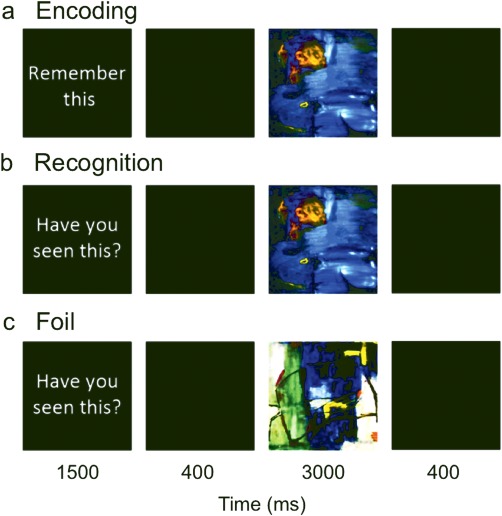
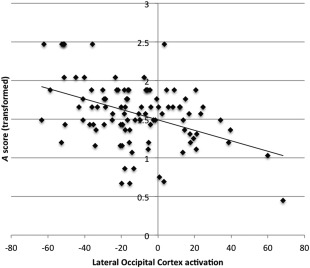
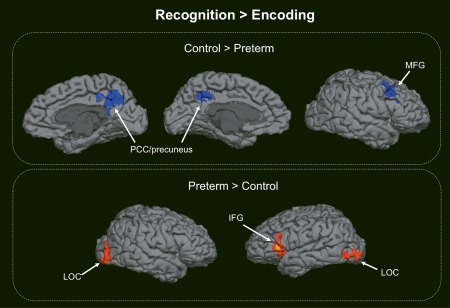
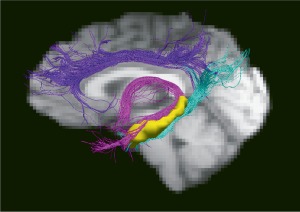
Very preterm (<32 weeks of gestation) birth is associated with structural brain alterations and memory impairments throughout childhood and adolescence. Here, we used functional MRI (fMRI) to study the neuroanatomy of recognition memory in 49 very preterm-born adults and 50 controls (mean age: 30 years) during completion of a task involving visual encoding and recognition of abstract pictures. T1-weighted and diffusion-weighted images were also collected. Bilateral hippocampal volumes were calculated and tractography of the fornix and cingulum was performed and assessed in terms of volume and hindrance modulated orientational anisotropy (HMOA). Online recognition memory task performance, assessed with A scores, was poorer in the very preterm compared with the control group. Analysis of fMRI data focused on differences in neural activity between the recognition and encoding trials. Very preterm born adults showed decreased activation in the right middle frontal gyrus and posterior cingulate cortex/precuneus and increased activation in the left inferior frontal gyrus and bilateral lateral occipital cortex (LOC) compared with controls. Hippocampi, fornix and cingulum volume was significantly smaller and fornix HMOA was lower in very preterm adults. Among all the structural and functional brain metrics that showed statistically significant group differences, LOC activation was the best predictor of online task performance (P = 0.020). In terms of association between brain function and structure, LOC activation was predicted by fornix HMOA in the preterm group only (P = 0.020). These results suggest that neuroanatomical alterations in very preterm born individuals may be underlying their poorer recognition memory performance. Hum Brain Mapp 38:644-655, 2017. © 2016 The Authors Human Brain Mapping Published by Wiley Periodicals, Inc.
极早产儿(妊娠<32周)出生与整个儿童期和青春期的脑结构改变及记忆障碍有关。在此,我们使用功能磁共振成像(fMRI)研究了49名极早产成年人和50名对照组(平均年龄:30岁)在完成一项涉及视觉编码和抽象图片识别任务期间的识别记忆神经解剖学。还收集了T1加权和扩散加权图像。计算双侧海马体积,并对穹窿和扣带回进行纤维束成像,并根据体积和阻碍调制方向各向异性(HMOA)进行评估。与对照组相比,极早产儿用A分数评估的在线识别记忆任务表现较差。fMRI数据分析聚焦于识别和编码试验之间神经活动的差异。与对照组相比,极早产成年人右侧额中回和后扣带回皮质/楔前叶的激活减少,左侧额下回和双侧枕外侧皮质(LOC)的激活增加。极早产成年人的海马、穹窿和扣带回体积显著较小,穹窿HMOA较低。在所有显示出统计学显著组间差异的脑结构和功能指标中,LOC激活是在线任务表现的最佳预测指标(P = 0.020)。就脑功能与结构之间的关联而言,仅在早产组中,穹窿HMOA可预测LOC激活(P = 0.020)。这些结果表明,极早产个体的神经解剖学改变可能是其较差的识别记忆表现的潜在原因。《人类大脑图谱》38:644 - 655, 2017。© 2016作者 人类大脑图谱 由威利期刊公司出版