Jha S, Dong B E, Xue Y, Delotterie D F, Vail M G, Sakata K
Department of Pharmacology, University of Tennessee Health Science Center, Memphis, TN, USA.
Transl Psychiatry. 2016 Sep 20;6(9):e896. doi: 10.1038/tp.2016.160.
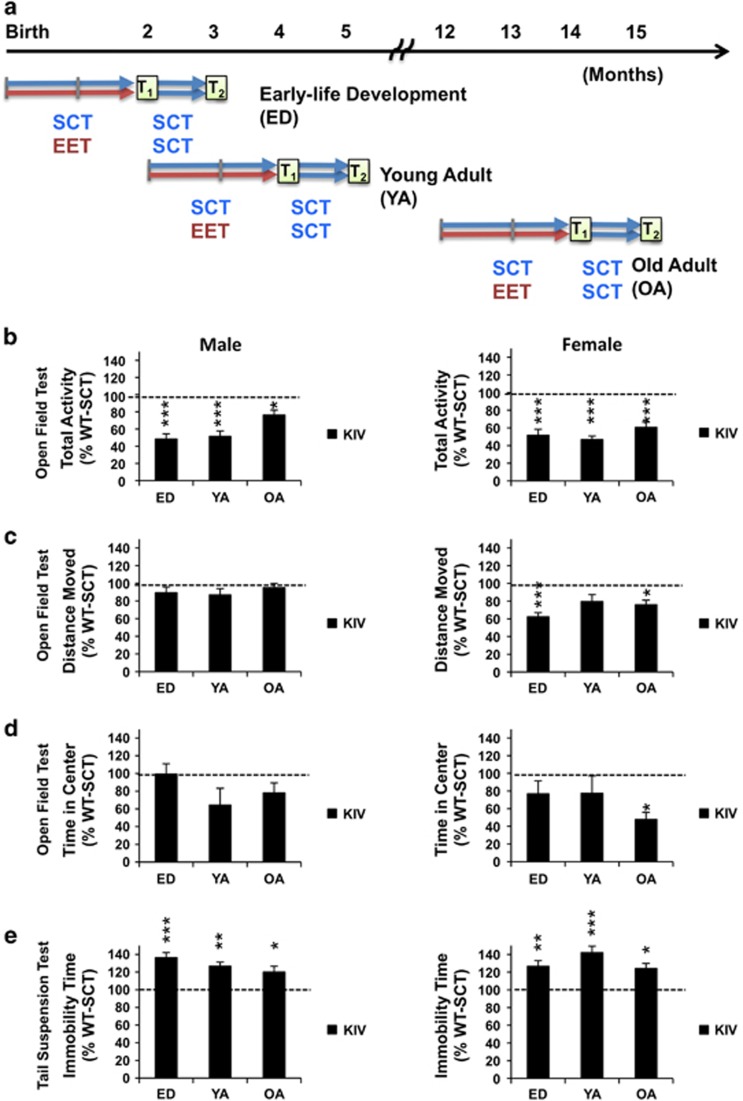
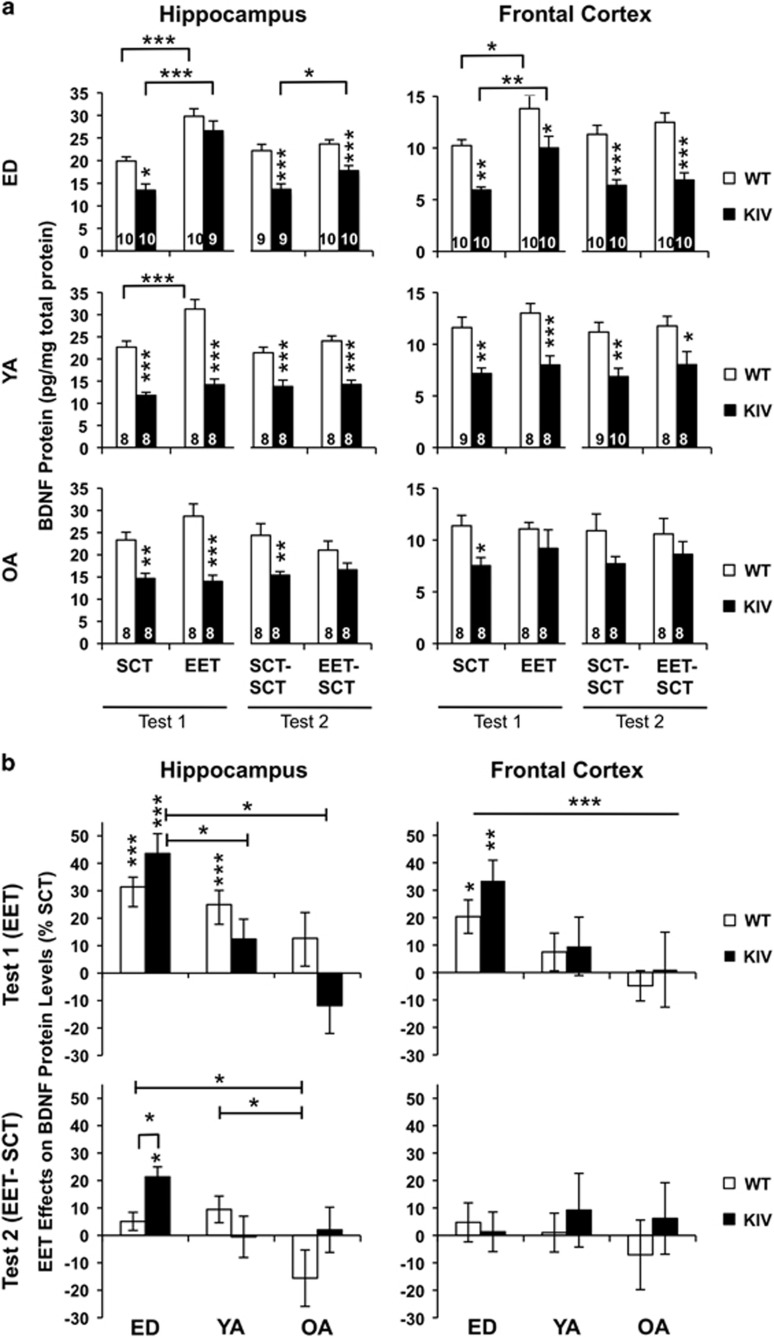
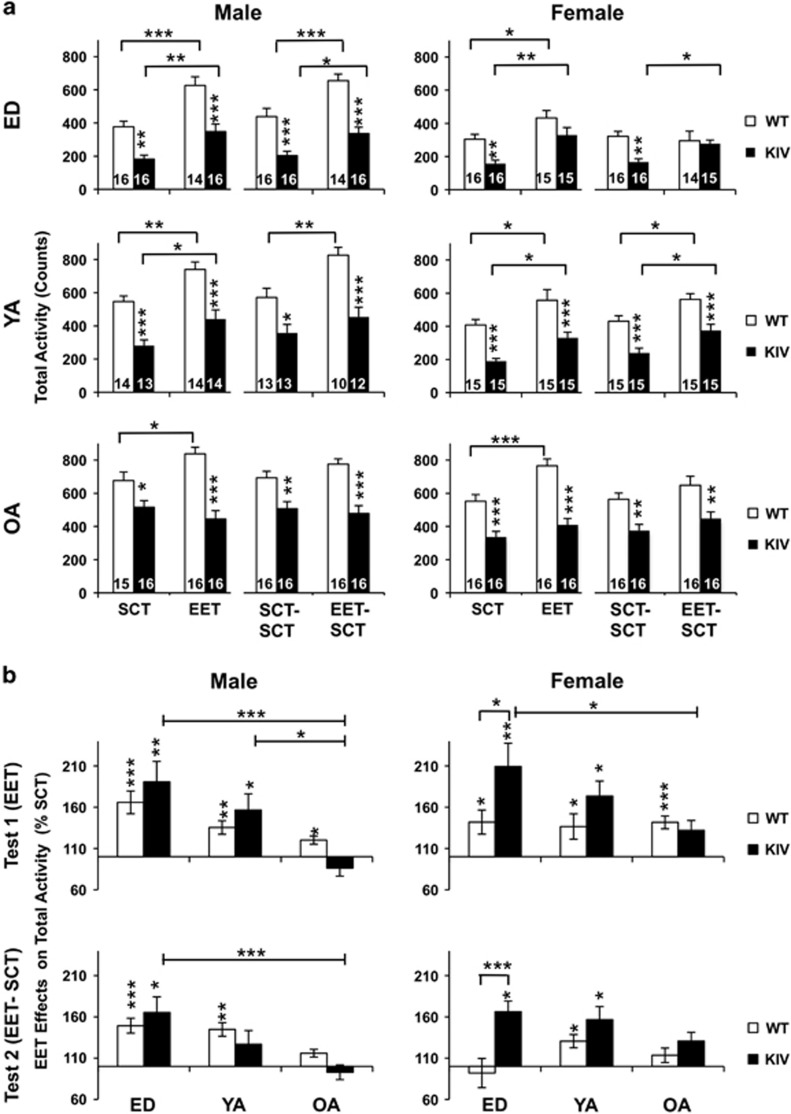
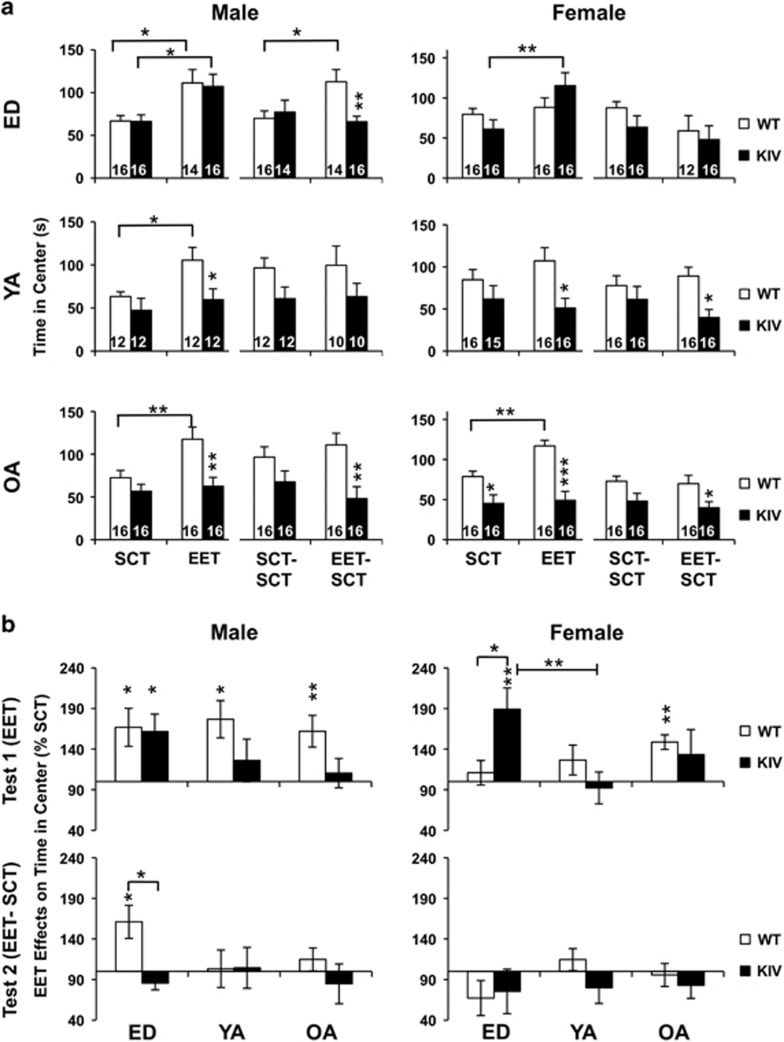
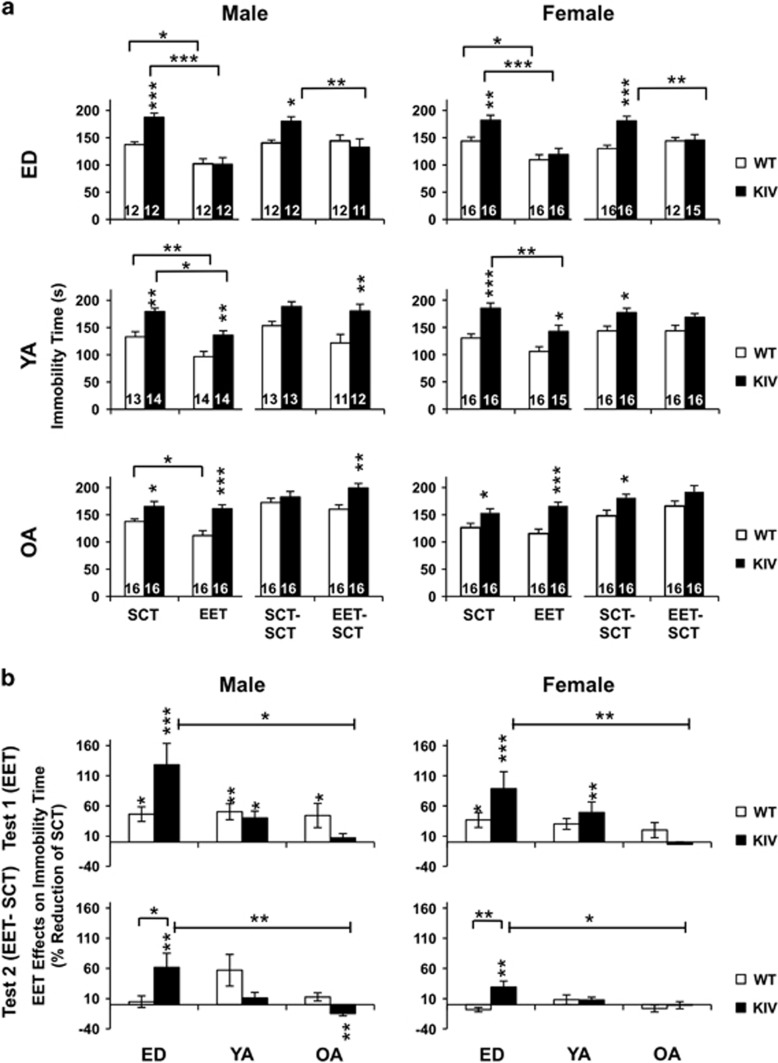
Reduced promoter IV-driven expression of brain-derived neurotrophic factor (BDNF) is implicated in stress and major depression. We previously reported that defective promoter IV (KIV) caused depression-like behavior in young adult mice, which was reversed more effectively by enriched environment treatment (EET) than antidepressants. The effects of promoter IV-BDNF deficiency and EET over the life stages remain unknown. Since early-life development (ED) involves dynamic epigenetic processes, we hypothesized that EET during ED would provide maximum antidepressive effects that would persist later in life due to enhanced, long-lasting BDNF induction. We tested this hypothesis by determining EET effects across three life stages: ED (0-2 months), young adult (2-4 months), and old adult (12-14 months). KIV mice at all life stages showed depression-like behavior in the open-field and tail-suspension tests compared with wild-type mice. Two months of EET reduced depression-like behavior in ED and young adult, but not old adult mice, with the largest effect in ED KIV mice. This effect lasted for 1 month after discontinuance of EET only in ED mice. BDNF protein induction by EET in the hippocampus and frontal cortex was also the largest in ED mice and persisted only in the hippocampus of ED KIV mice after discontinuance of EET. No gender-specific effects were observed. The results suggest that defective promoter IV causes depression-like behavior, regardless of age and gender, and that EET during ED is particularly beneficial to individuals with promoter IV-BDNF deficiency, while additional treatment may be needed for older adults.
脑源性神经营养因子(BDNF)启动子IV驱动的表达降低与应激和重度抑郁症有关。我们之前报道过,缺陷性启动子IV(KIV)在成年小鼠中会导致类似抑郁的行为,与抗抑郁药相比,丰富环境处理(EET)能更有效地逆转这种行为。启动子IV-BDNF缺乏以及EET在整个生命阶段的影响尚不清楚。由于生命早期发育(ED)涉及动态表观遗传过程,我们推测ED期间的EET会提供最大的抗抑郁作用,由于BDNF诱导增强且持久,这种作用会在生命后期持续存在。我们通过确定EET在三个生命阶段的影响来验证这一假设:ED(0 - 2个月)、成年早期(2 - 4个月)和成年晚期(12 - 14个月)。与野生型小鼠相比,所有生命阶段的KIV小鼠在旷场试验和悬尾试验中均表现出类似抑郁的行为。两个月的EET减少了ED和成年早期小鼠的类似抑郁行为,但对成年晚期小鼠无效,对ED KIV小鼠的影响最大。仅在ED小鼠中,停止EET后这种作用持续了1个月。EET在海马体和额叶皮质中诱导的BDNF蛋白在ED小鼠中也最大,停止EET后仅在ED KIV小鼠的海马体中持续存在。未观察到性别特异性影响。结果表明,无论年龄和性别,缺陷性启动子IV都会导致类似抑郁的行为,并且ED期间的EET对启动子IV-BDNF缺乏的个体特别有益,而老年个体可能需要额外的治疗。