Hu Guo, Gu Wei, Sun Peng, Bai Qingli, Wang Bingqian
National and Local Joint Engineering Laboratory for Freshwater Fish Breeding, Heilongjiang River Fishery Research Institute, Chinese Academy of Fishery Sciences, Harbin 150070, China.
Int J Genomics. 2016;2016:7281585. doi: 10.1155/2016/7281585. Epub 2016 Aug 29.
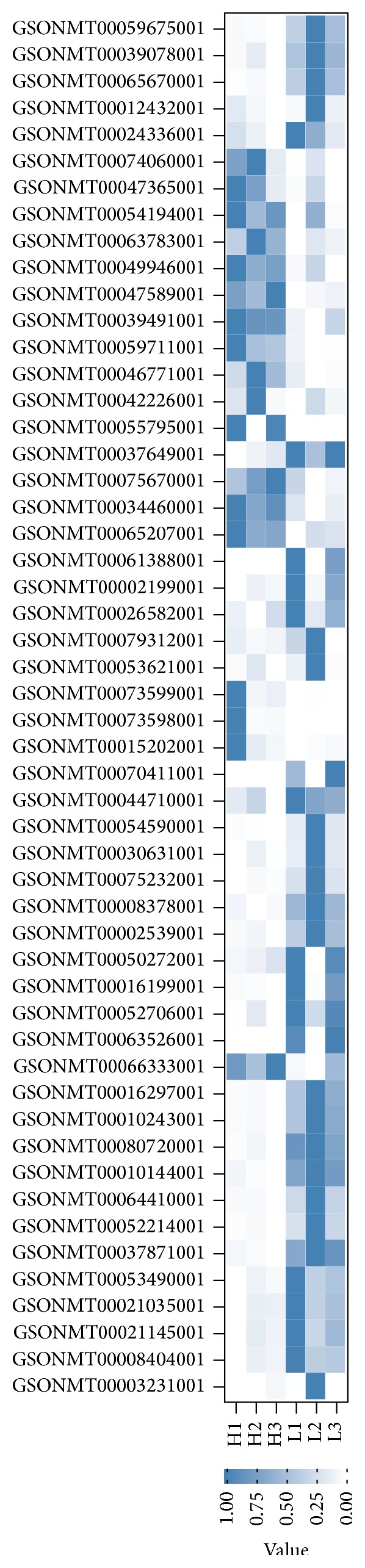
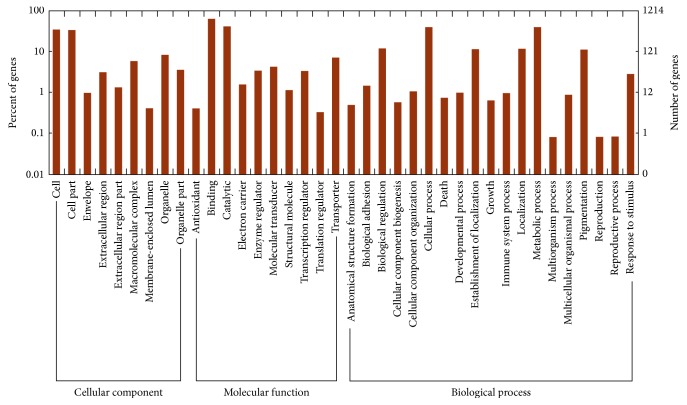
Excessive accumulation of carcass fat in farm animals, including fish, has a significant impact on meat quality and on the cost of feeding. Similar to farmed animals and humans, the liver can be considered one of the most important organs involved in lipid metabolism in rainbow trout (Oncorhynchus mykiss). RNA-seq based whole transcriptome sequencing was performed to liver tissue of rainbow trout with high and low carcass fat content in this study. In total 1,694 differentially expressed transcripts were identified, including many genes involved in lipid metabolism, such as L-FABP, adiponectin, PPAR-α, PPAR-β, and IGFBP1a. Evidence presented in this study indicated that lipid metabolic process in liver may be related to the difference of carcass fat content. The relevance of PPAR-α and PPAR-β as molecular markers for fat storage in liver should be worthy of further investigation.
包括鱼类在内的养殖动物胴体脂肪过度积累,对肉质和饲养成本有重大影响。与养殖动物和人类相似,肝脏可被视为虹鳟(Oncorhynchus mykiss)脂质代谢中最重要的器官之一。本研究对胴体脂肪含量高和低的虹鳟肝脏组织进行了基于RNA测序的全转录组测序。共鉴定出1694个差异表达转录本,包括许多参与脂质代谢的基因,如L-FABP、脂联素、PPAR-α、PPAR-β和IGFBP1a。本研究提供的证据表明,肝脏中的脂质代谢过程可能与胴体脂肪含量的差异有关。PPAR-α和PPAR-β作为肝脏脂肪储存分子标记的相关性值得进一步研究。