USDA/ARS National Center for Cool and Cold Water Aquaculture, Kearneysville, WV, USA.
Troutlodge Inc., Sumner, WA, USA.
BMC Genomics. 2019 Apr 27;20(1):319. doi: 10.1186/s12864-019-5690-5.
Maternal transcripts are accumulated in the oocyte during oogenesis to provide for protein synthesis from oocyte maturation through early embryonic development, when nuclear transcription is silenced. The maternal mRNAs have short poly(A) tails after undergoing post-transcriptional processing necessary for stabilizing them for storage. The transcripts undergo cytoplasmic polyadenylation when they are to be translated. Transcriptome analyses comparing total mRNA and elongated poly(A) mRNA content among eggs of different quality can provide insight into molecular mechanisms affecting egg developmental competence in rainbow trout. The present study used RNA-seq to compare transcriptomes of unfertilized eggs of rainbow trout females yielding different eyeing rates, following rRNA removal and poly(A) retention for construction of the libraries.
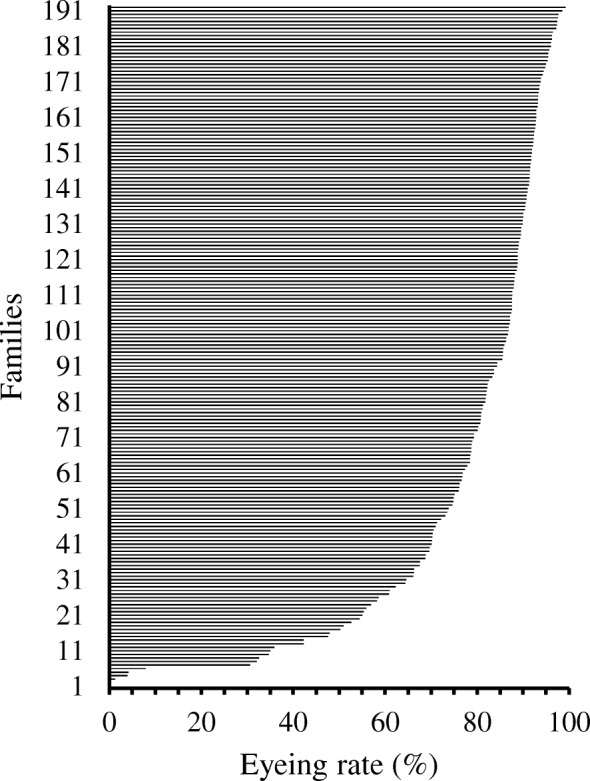
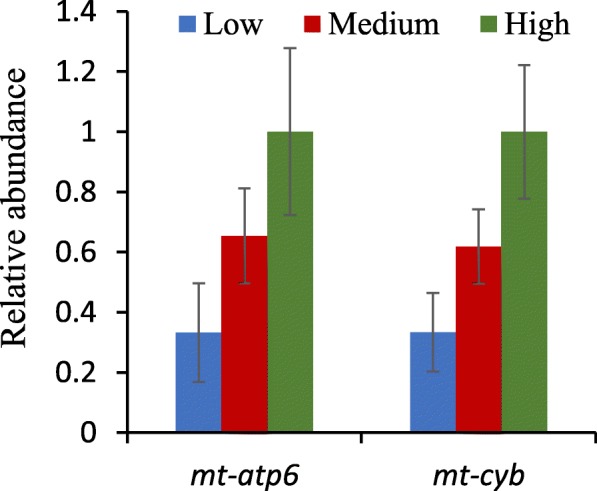
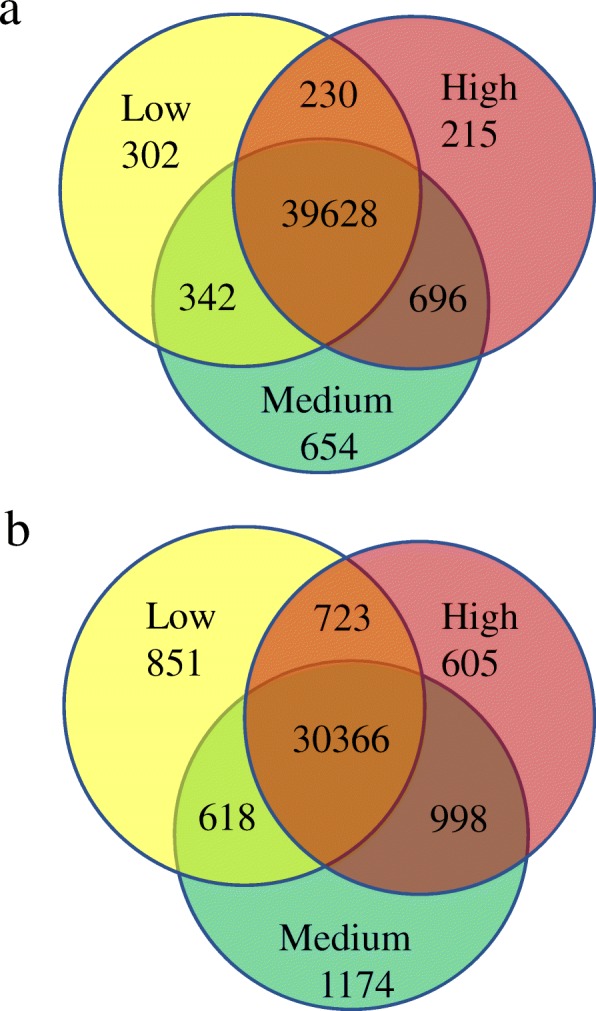
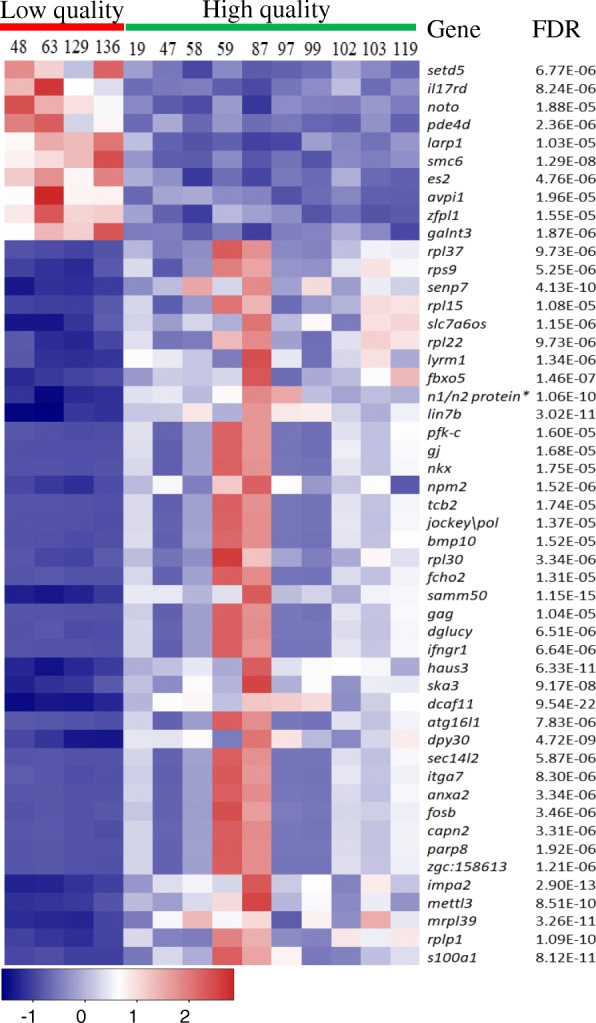
The percentage of embryos to reach the 32-cell stage at 24 h post fertilization was significantly correlated to family eyeing rate, indicating that inviable embryos were developmentally compromised before zygotic genome activation. RNA sequencing identified 2 differentially expressed transcripts (DETs) from total mRNA sequencing comparing females with low-quality (< 5% eyeing), medium-quality (30-50% eyeing), and high-quality (> 80% eyeing) eggs. In contrast, RNA sequencing from poly(A) captured transcripts identified 945 DETs between low- and high-quality eggs, 1012 between low- and medium-quality eggs, and only 2 between medium- and high-quality eggs. The transcripts of mitochondrial genes were enriched with polyadenylated transcript sequencing and they were significantly reduced in low-quality eggs. Similarly, mitochondrial DNA was reduced in low-quality eggs compared with medium- and high-quality eggs. The functional gene analysis classified the 945 DETs between low- and high-quality eggs into 31 functional modules, many of which were related to ribosomal and mitochondrial functions. Other modules involved transcription, translation, cell division, apoptosis, and immune responses.
Our results indicate that differences in egg quality may be derived from differences in maternal nuclear transcript activation and cytoplasmic polyadenylation before ovulation, as opposed to accumulation and storage of maternal nuclear transcripts during oogenesis. Transcriptome comparisons suggest low-quality eggs suffered from impaired oxidative phosphorylation and translation. The DETs identified in this study provide insight into developmental competence in rainbow trout eggs.
母本转录本在卵子发生过程中积累,为卵子成熟至早期胚胎发育过程中的蛋白质合成提供物质基础,此时核转录沉默。母本 mRNA 在经历了必要的转录后加工以稳定其储存后,具有短的多聚(A)尾巴。当需要翻译时,这些转录本在细胞质中进行多聚腺苷酸化。比较不同质量卵子的总 mRNA 和延长的 poly(A) mRNA 含量的转录组分析,可以深入了解影响虹鳟卵发育能力的分子机制。本研究使用 RNA-seq 比较了虹鳟雌鱼未受精卵的转录组,这些雌鱼的产卵率不同,在 rRNA 去除和 poly(A) 保留后构建文库。
在受精后 24 小时达到 32 细胞阶段的胚胎比例与家系产卵率显著相关,表明在合子基因组激活之前,不可育胚胎的发育能力就受到了损害。RNA 测序从总 mRNA 测序中鉴定出 2 个差异表达转录本(DETs),比较了低质量(<5%产卵)、中质量(30-50%产卵)和高质量(>80%产卵)卵子的雌鱼。相比之下,从 poly(A) 捕获的转录本的 RNA 测序鉴定出低质量和高质量卵子之间有 945 个 DETs,低质量和中质量卵子之间有 1012 个 DETs,中质量和高质量卵子之间只有 2 个 DETs。线粒体基因的转录本通过 poly(A) 转录物测序得到富集,并且在低质量卵子中显著减少。同样,与中质量和高质量卵子相比,低质量卵子中的线粒体 DNA 减少。功能基因分析将低质量和高质量卵子之间的 945 个 DET 分为 31 个功能模块,其中许多与核糖体和线粒体功能有关。其他模块涉及转录、翻译、细胞分裂、细胞凋亡和免疫反应。
我们的研究结果表明,卵质量的差异可能源于排卵前母本核转录本的激活和细胞质多聚腺苷酸化的差异,而不是卵发生过程中母本核转录本的积累和储存。转录组比较表明,低质量卵子的氧化磷酸化和翻译受损。本研究中鉴定的 DETs 为虹鳟卵的发育能力提供了新的见解。