Zhou Jiaojie, Yao Ke, Zhang Yidong, Chen Guangdi, Lai Kairan, Yin Houfa, Yu Yibo
Eye Center, 2nd Affiliated Hospital, School of Medicine, Zhejiang University, Hangzhou, Zhejiang, China; Department of Otolaryngology, 2nd Affiliated Hospital, School of Medicine, Zhejiang University, Hangzhou, Zhejiang, China.
Eye Center, 2nd Affiliated Hospital, School of Medicine, Zhejiang University, Hangzhou, Zhejiang, China.
Oxid Med Cell Longev. 2016;2016:4856431. doi: 10.1155/2016/4856431. Epub 2016 Aug 31.
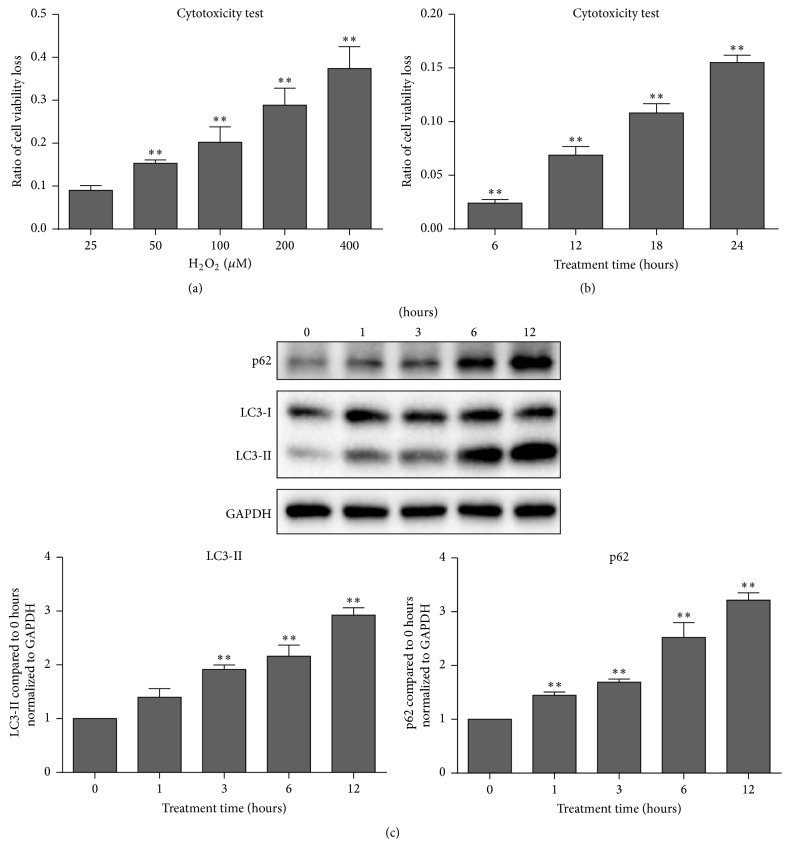
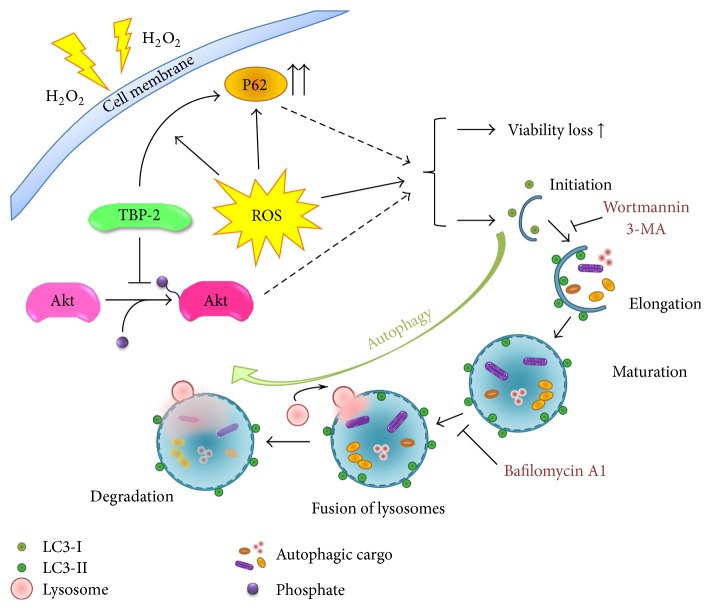
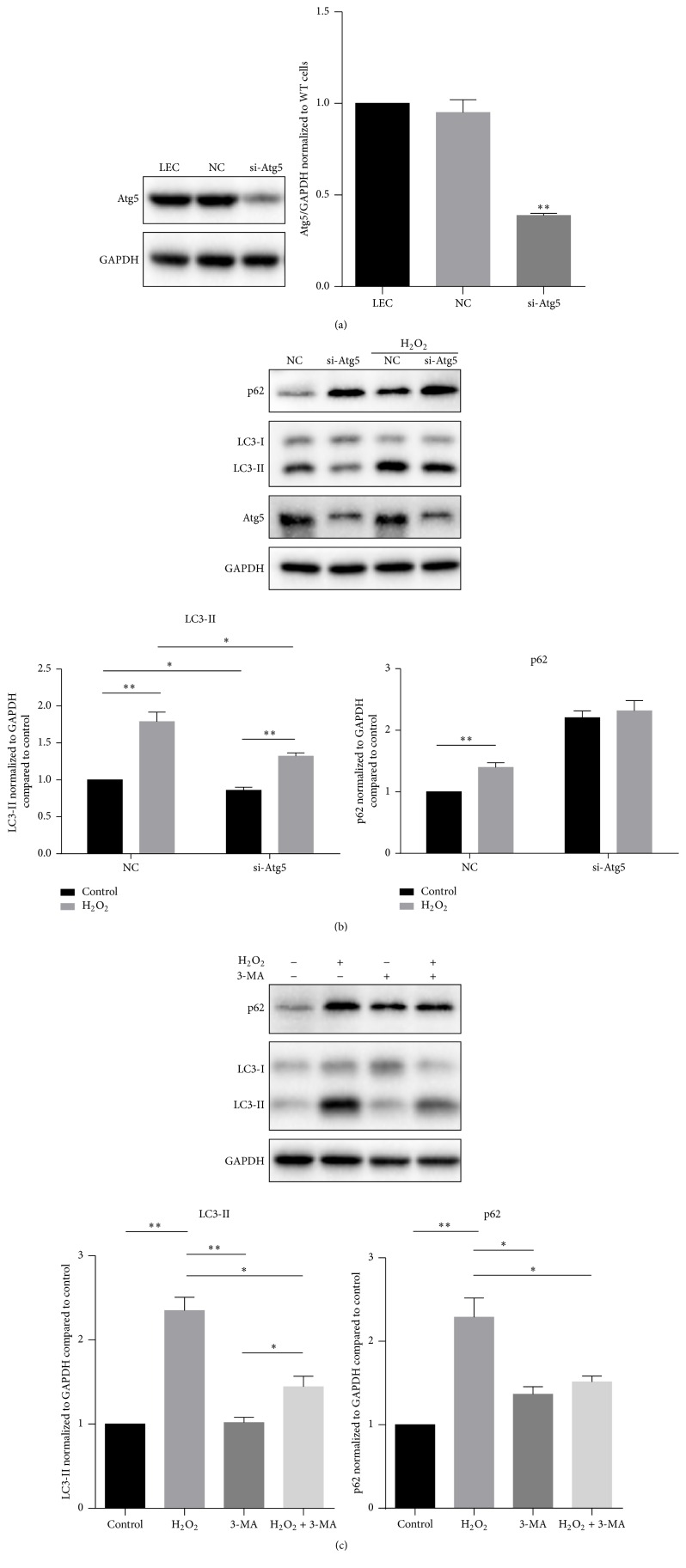
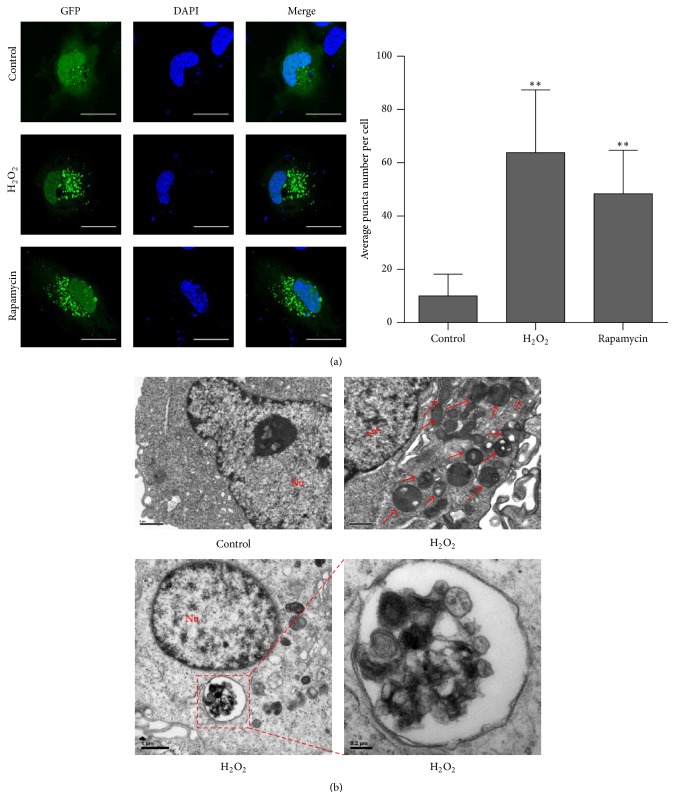
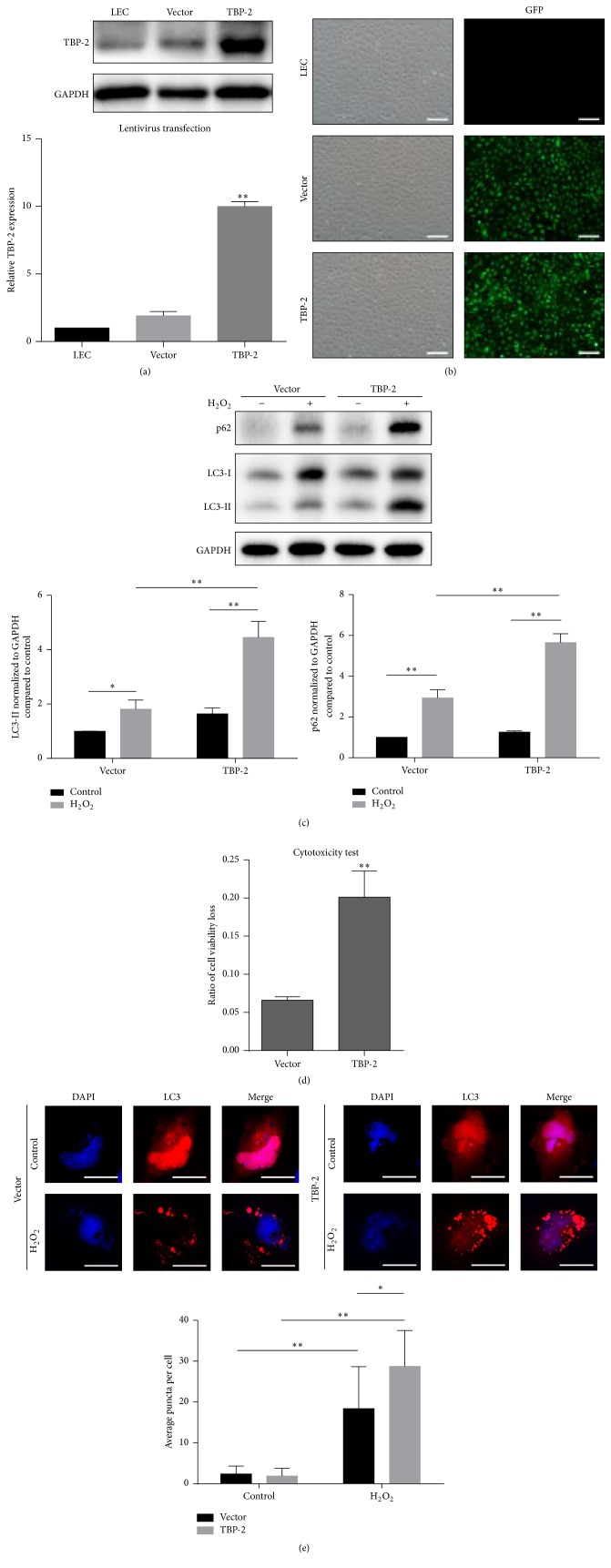
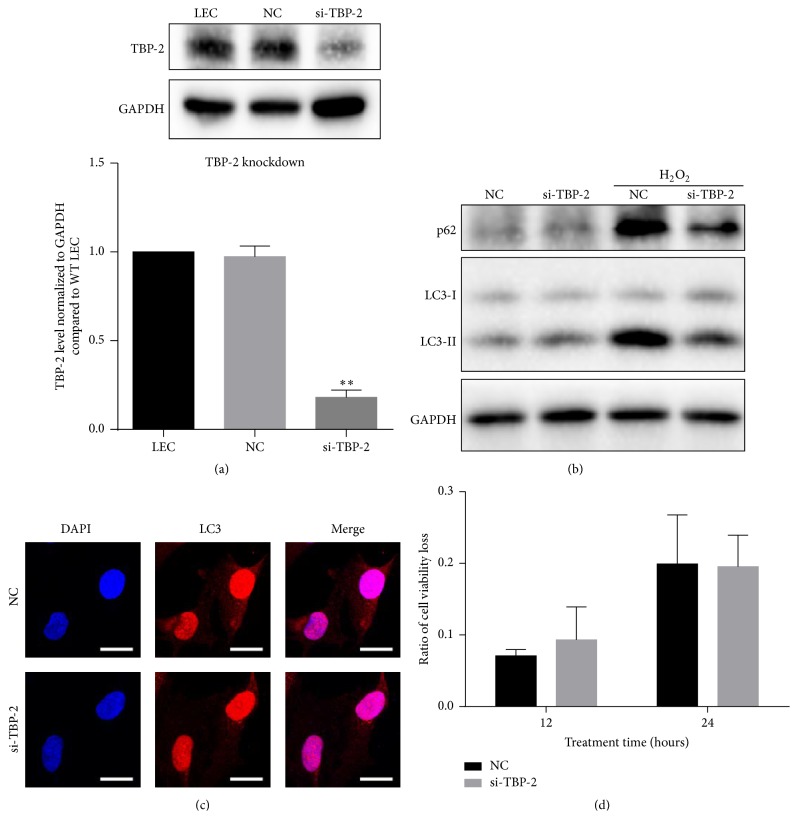
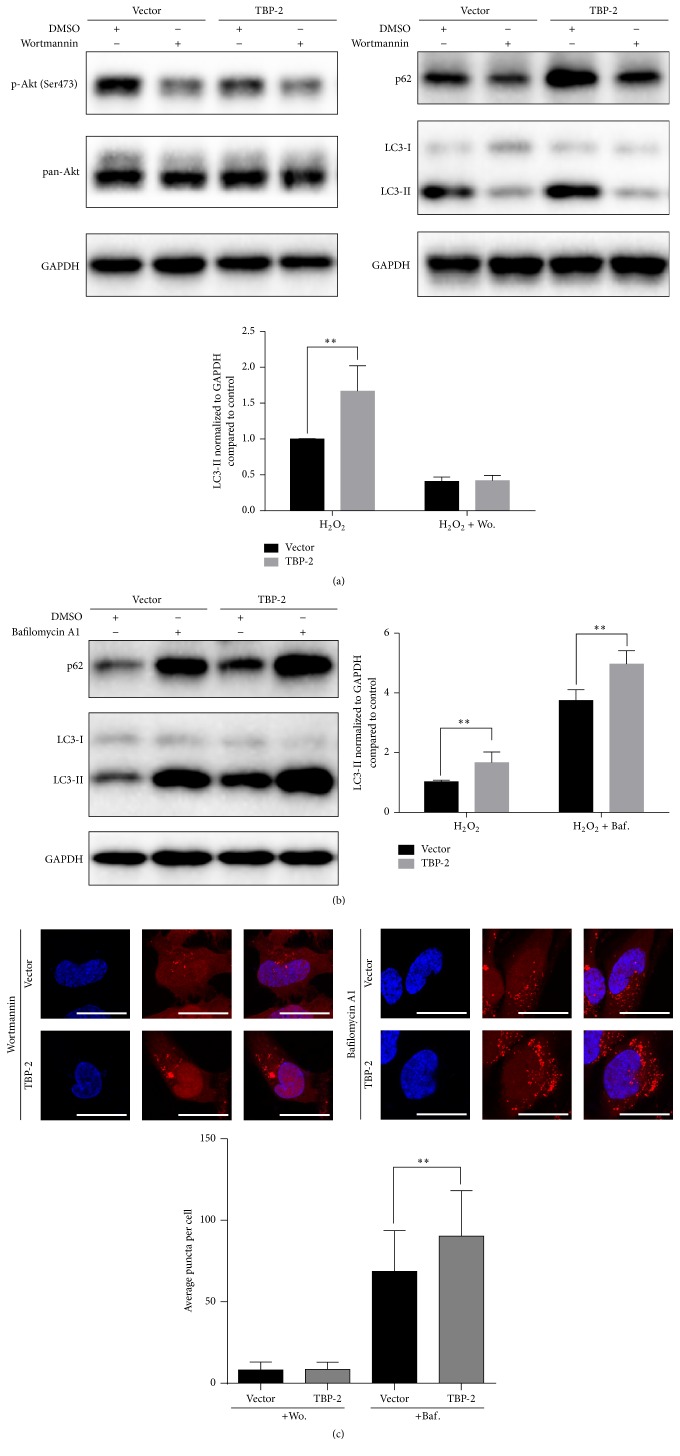
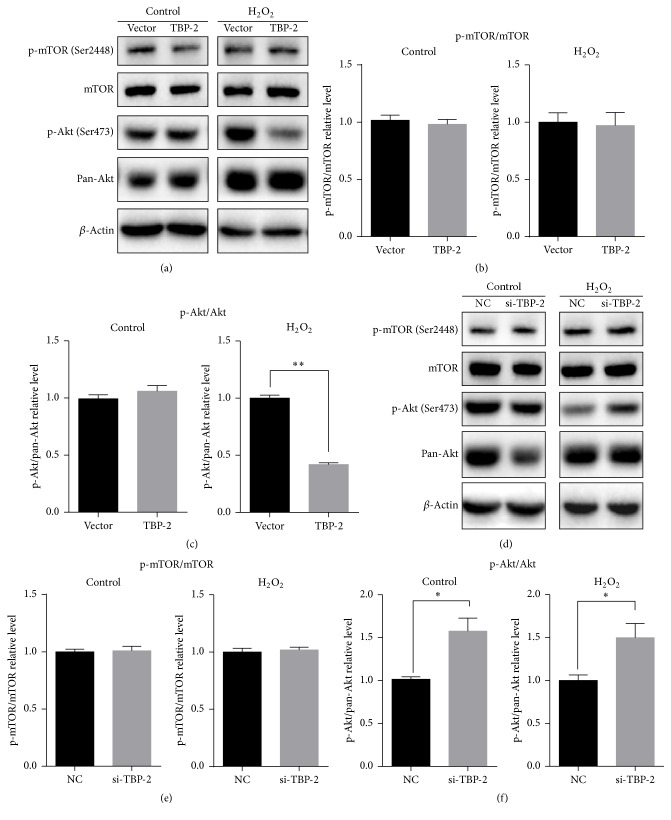
Oxidative stress plays an essential role in the development of age-related cataract. Thioredoxin binding protein-2 (TBP-2) is a negative regulator of thioredoxin (Trx), which deteriorates cellular antioxidant system. Our study focused on the autophagy-regulating effect of TBP-2 under oxidative stress in human lens epithelial cells (LECs). Human lens epithelial cells were used for cell culture and treatment. Lentiviral-based transfection system was used for overexpression of TBP-2. Cytotoxicity assay, western blot analysis, GFP/mCherry-fused LC3 plasmid, immunofluorescence, and transmission electronic microscopy were performed. The results showed that autophagic response of LECs with increased LC3-II, p62, and GFP/mCherry-LC3 puncta ( < 0.01) was induced by oxidative stress. Overexpression of TBP-2 further strengthens this response and worsens the cell viability ( < 0.01). Knockdown of TBP-2 attenuates the autophagic response and cell viability loss induced by oxidative stress. TBP-2 mainly regulates autophagy in the initiation stage, which is mTOR-independent and probably caused by the dephosphorylation of Akt under oxidative stress. These findings suggest a novel role of TBP-2 in human LECs under oxidative stress. Oxidative stress can cause cell injury and autophagy in LECs, and TBP-2 regulates this response. Hence, this study provides evidence regarding the role of TBP-2 in lens and the possible mechanism of cataract development.
氧化应激在年龄相关性白内障的发生发展中起重要作用。硫氧还蛋白结合蛋白-2(TBP-2)是硫氧还蛋白(Trx)的负调节因子,会使细胞抗氧化系统恶化。我们的研究聚焦于TBP-2在氧化应激下人晶状体上皮细胞(LECs)中的自噬调节作用。使用人晶状体上皮细胞进行细胞培养和处理。基于慢病毒的转染系统用于TBP-2的过表达。进行了细胞毒性测定、蛋白质印迹分析、GFP/mCherry融合LC3质粒、免疫荧光和透射电子显微镜检查。结果表明,氧化应激诱导了LECs的自噬反应,表现为LC3-II、p62和GFP/mCherry-LC3斑点增加(<0.01)。TBP-2的过表达进一步增强了这种反应并使细胞活力恶化(<0.01)。TBP-2的敲低减弱了氧化应激诱导的自噬反应和细胞活力丧失。TBP-2主要在起始阶段调节自噬,这与mTOR无关,可能是由氧化应激下Akt的去磷酸化引起的。这些发现表明TBP-2在氧化应激下人LECs中的新作用。氧化应激可导致LECs细胞损伤和自噬,而TBP-2调节这种反应。因此,本研究提供了关于TBP-2在晶状体中的作用以及白内障发生发展可能机制的证据。