Rajpurohit Subhash, Peterson Lisa Marie, Orr Andrew J, Marlon Anthony J, Gibbs Allen G
School of Life Sciences, University of Nevada, Las Vegas, NV 89154, United States of America.
PLoS One. 2016 Sep 22;11(9):e0163414. doi: 10.1371/journal.pone.0163414. eCollection 2016.
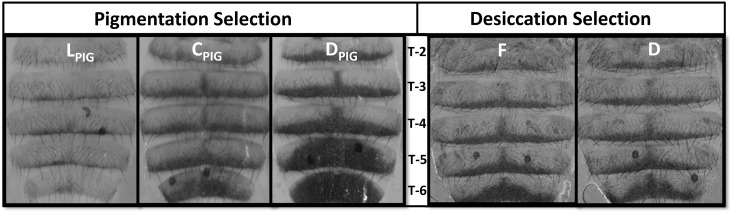
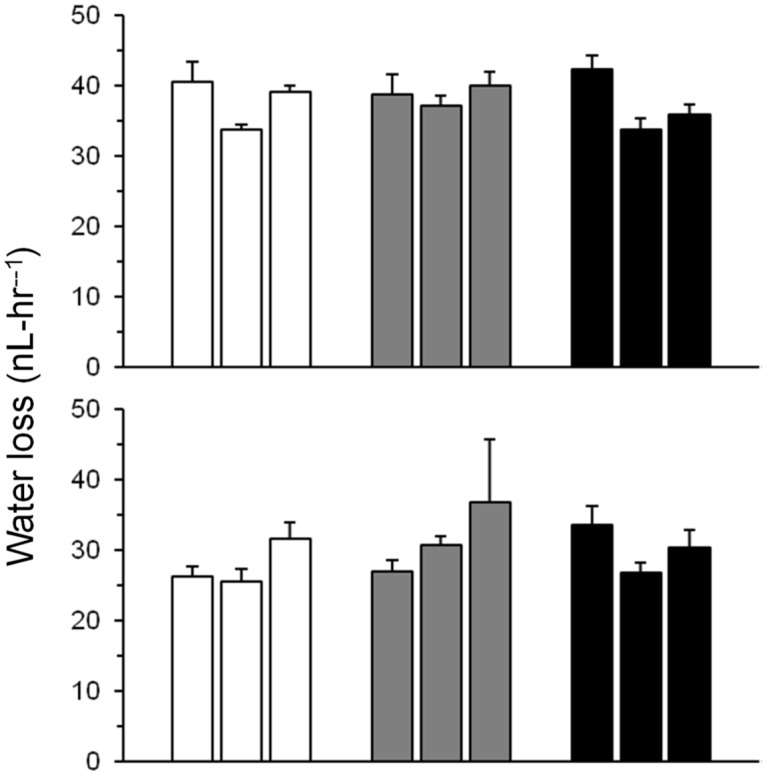
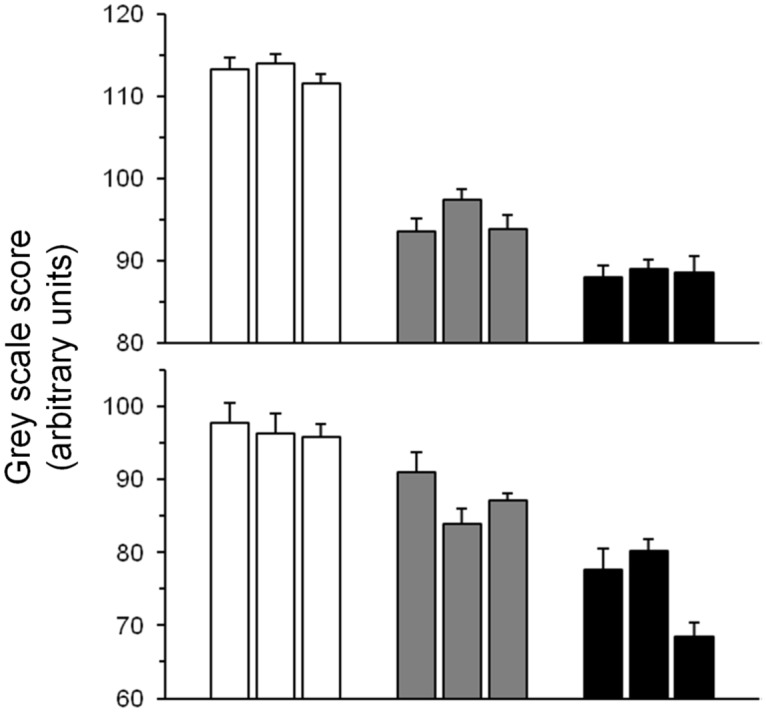
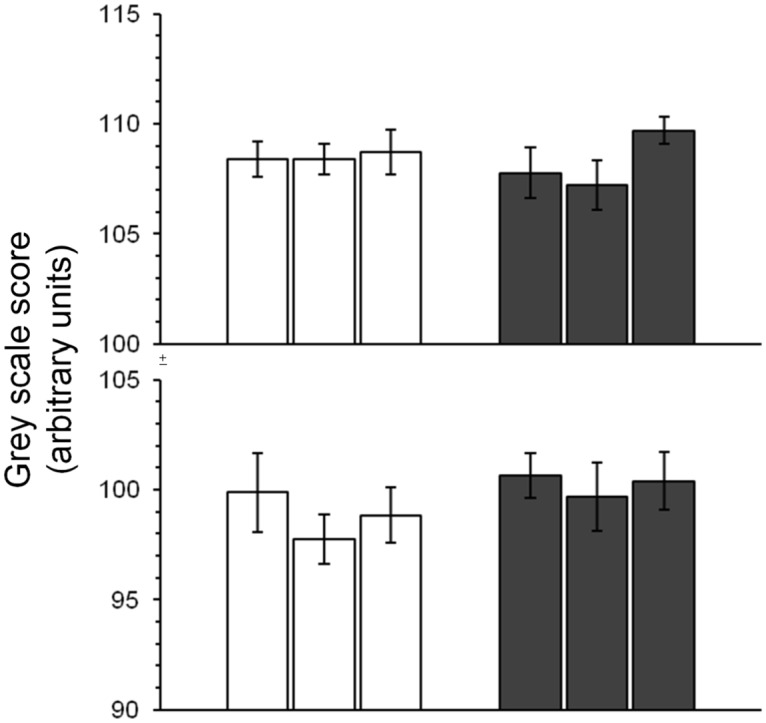
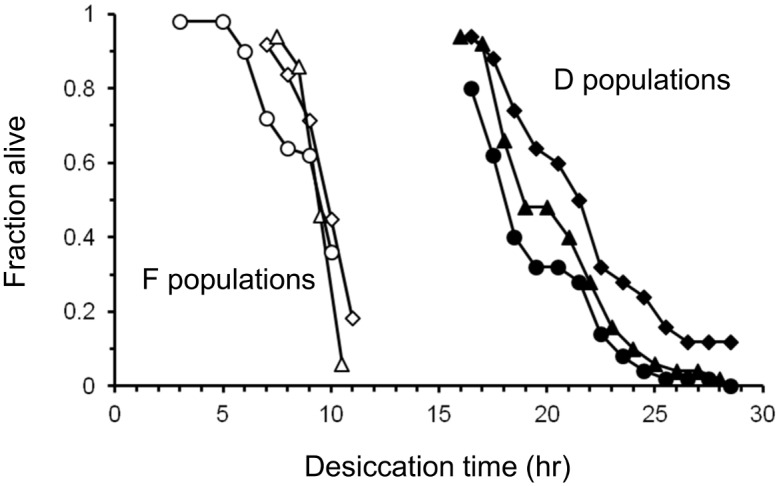
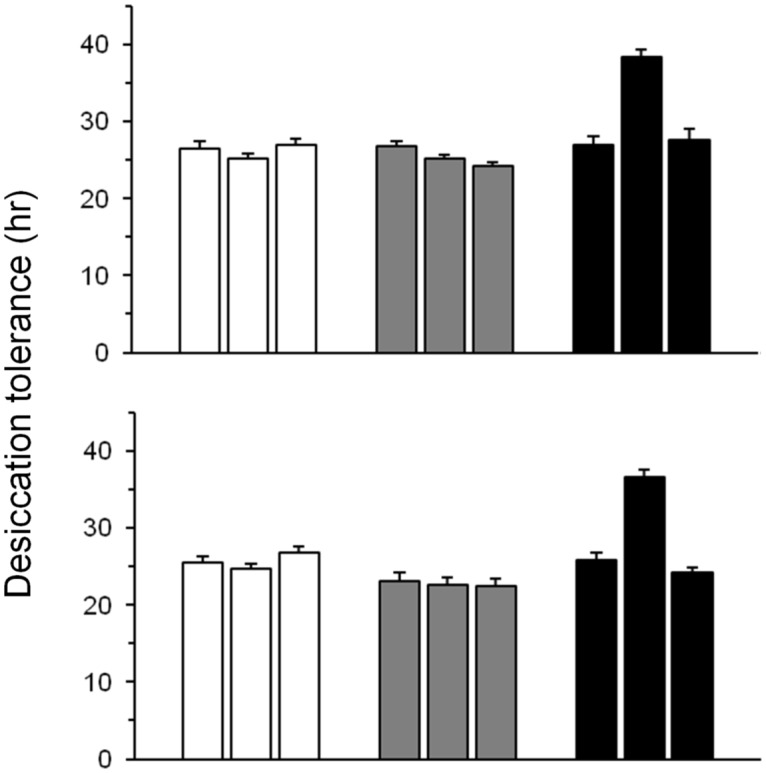
We used experimental evolution to test the 'melanism-desiccation' hypothesis, which proposes that dark cuticle in several Drosophila species is an adaptation for increased desiccation tolerance. We selected for dark and light body pigmentation in replicated populations of D. melanogaster and assayed several traits related to water balance. We also scored pigmentation and desiccation tolerance in populations selected for desiccation survival. Populations in both selection regimes showed large differences in the traits directly under selection. However, after over 40 generations of pigmentation selection, dark-selected populations were not more desiccation-tolerant than light-selected and control populations, nor did we find significant changes in mass or carbohydrate amounts that could affect desiccation resistance. Body pigmentation of desiccation-selected populations did not differ from control populations after over 140 generations of selection, although selected populations lost water less rapidly. Our results do not support an important role for melanization in Drosophila water balance.
我们采用实验进化方法来检验“黑化-干燥”假说,该假说认为几种果蝇物种的深色表皮是对提高干燥耐受性的一种适应。我们在黑腹果蝇的重复种群中选择深色和浅色身体色素沉着,并测定了几个与水平衡相关的性状。我们还对选择干燥存活的种群的色素沉着和干燥耐受性进行了评分。两种选择方案下的种群在直接选择的性状上都表现出很大差异。然而,经过40多代的色素沉着选择后,深色选择的种群并不比浅色选择的种群和对照种群更耐干燥,我们也没有发现可能影响抗干燥能力的质量或碳水化合物含量有显著变化。经过140多代选择后,干燥选择种群的身体色素沉着与对照种群没有差异,尽管选择种群失水速度较慢。我们的结果不支持黑化在果蝇水平衡中起重要作用。