Hubbert Laila, Baranowski Jacek, Delshad Baz, Ahn Henrik
From the *Departments of Cardiology and Medicine and Health Sciences, Linkoping University, Linkoping, Sweden; †Departments of Clinical Physiology and Medicine and Health Sciences, Linkoping University, Linkoping, Sweden; and ‡Departments of Thoracic and Vascular Surgery and Medicine and Health Sciences, Linkoping University, Linkoping, Sweden.
ASAIO J. 2017 Sep/Oct;63(5):e60-e65. doi: 10.1097/MAT.0000000000000451.
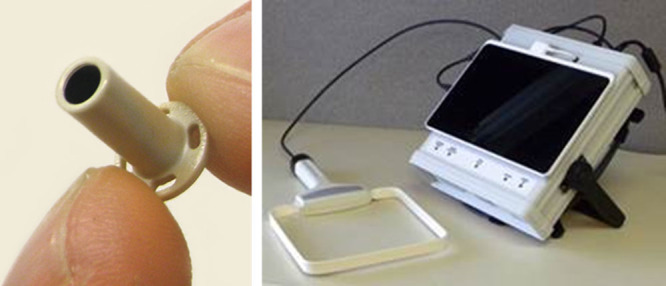
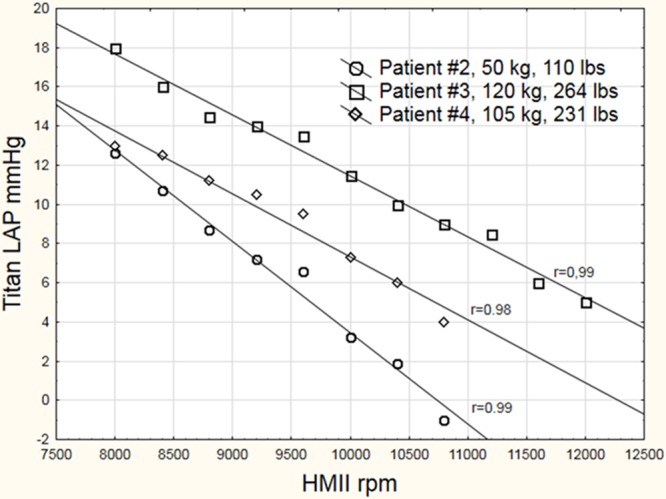
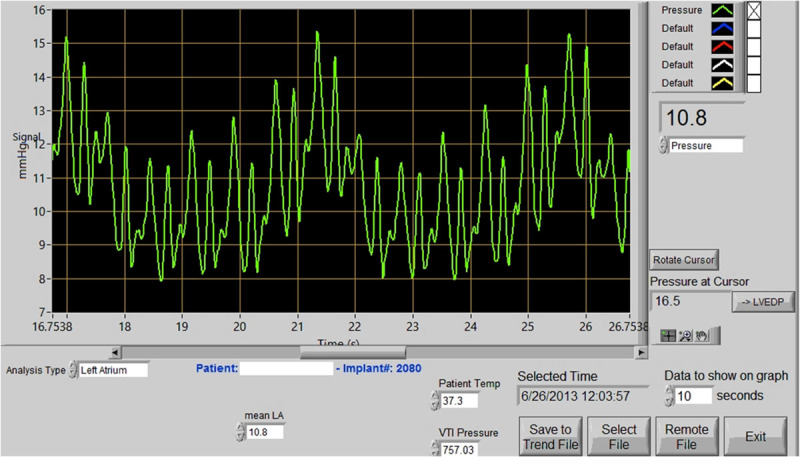
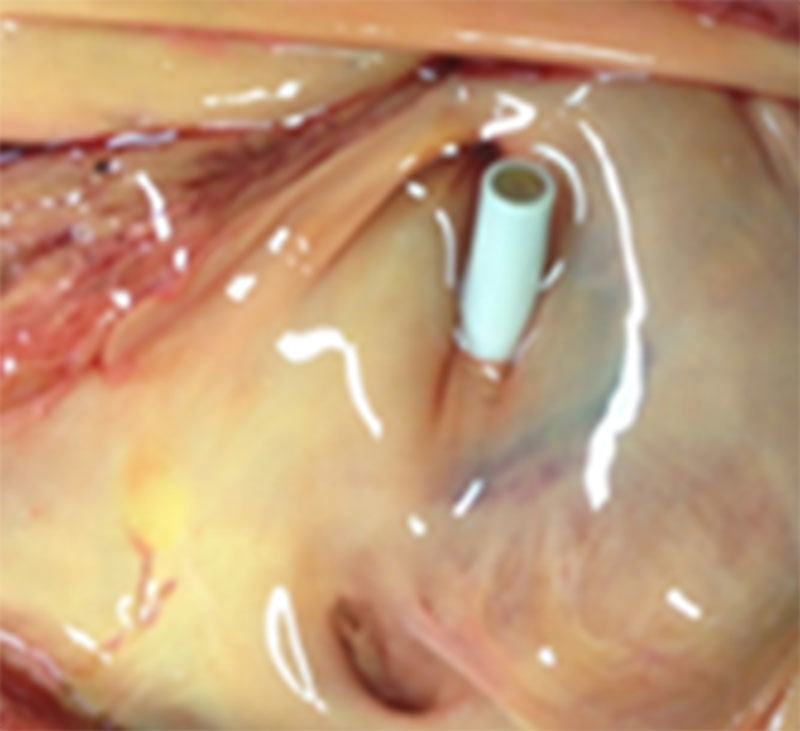
After implantation of a continuous-flow left ventricular assist device (LVAD), left atrial pressure (LAP) monitoring allows for the precise management of intravascular volume, inotropic therapy, and pump speed. In this case series of 4 LVAD recipients, we report the first clinical use of this wireless pressure sensor for the long-term monitoring of LAP during LVAD support. A wireless microelectromechanical system pressure sensor (Titan, ISS Inc., Ypsilanti, MI) was placed in the left atrium in four patients at the time of LVAD implantation. Titan sensor LAP was measured in all four patients on the intensive care unit and in three patients at home. Ramped speed tests were performed using LAP and echocardiography in three patients. The left ventricular end-diastolic diameter (cm), flow (L/min), power consumption (W), and blood pressure (mm Hg) were measured at each step. Measurements were performed over 36, 84, 137, and 180 days, respectively. The three discharged patients had equipment at home and were able to perform daily recordings. There were significant correlations between sensor pressure and pump speed, LV and LA size and pulmonary capillary wedge pressure, respectively (r = 0.92-0.99, p < 0.05). There was no device failure, and there were no adverse consequences of its use.
植入连续流左心室辅助装置(LVAD)后,监测左心房压力(LAP)有助于精确管理血管内容量、使用正性肌力药物治疗以及调节泵速。在这个包含4例LVAD接受者的病例系列中,我们报告了这种无线压力传感器在LVAD支持期间对LAP进行长期监测的首次临床应用。在4例患者植入LVAD时,将一个无线微机电系统压力传感器(Titan,ISS公司,密歇根州伊普西兰蒂)置于左心房。在重症监护病房对所有4例患者以及3例在家中的患者测量了Titan传感器的LAP。对3例患者使用LAP和超声心动图进行了递增速度测试。在每个步骤测量左心室舒张末期直径(cm)、流量(L/分钟)、功耗(W)和血压(mmHg)。测量分别在36、84、137和180天进行。3例出院患者家中配备了设备,能够进行日常记录。传感器压力与泵速、左心室和左心房大小以及肺毛细血管楔压之间分别存在显著相关性(r = 0.92 - 0.99,p < 0.05)。没有出现设备故障,并且使用该设备没有产生不良后果。