Wen Shihong, Ling Yihong, Yang Wenjing, Shen Jiantong, Li Cai, Deng Wentao, Liu Weifeng, Liu Kexuan
Department of Anesthesiology, Nanfang Hospital, Southern Medical University, Guangzhou, China.
Department of Anesthesiology, The First Affiliated Hospital, Sun Yat-sen University, Guangzhou, China.
J Cell Mol Med. 2017 Mar;21(3):432-443. doi: 10.1111/jcmm.12987. Epub 2016 Sep 28.
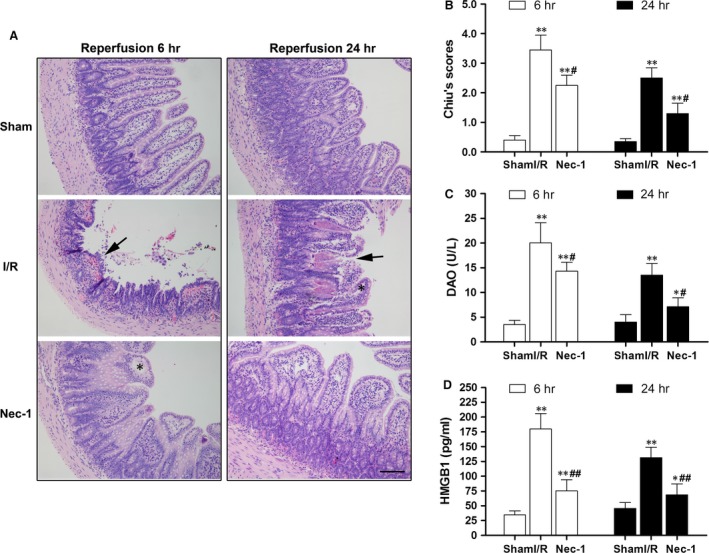
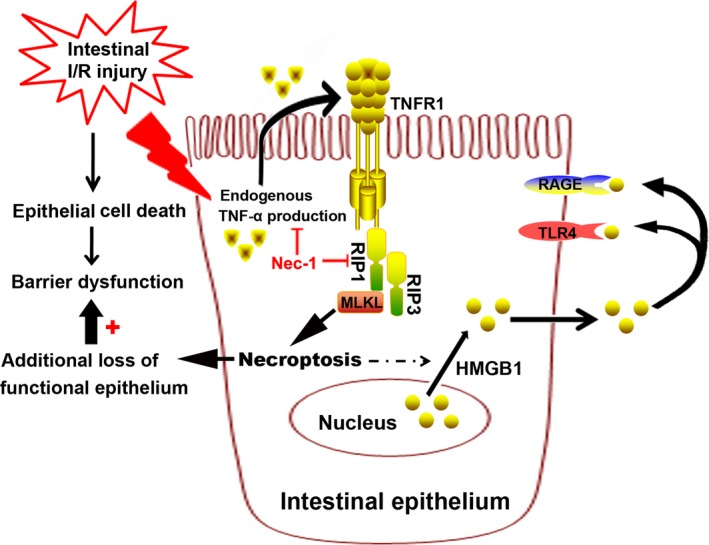
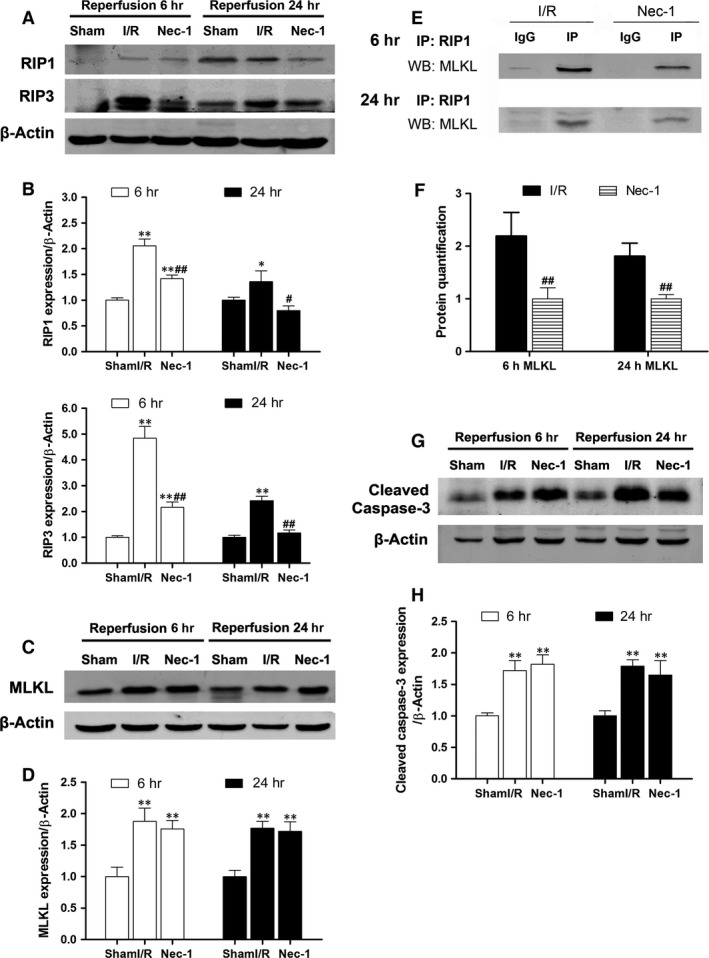
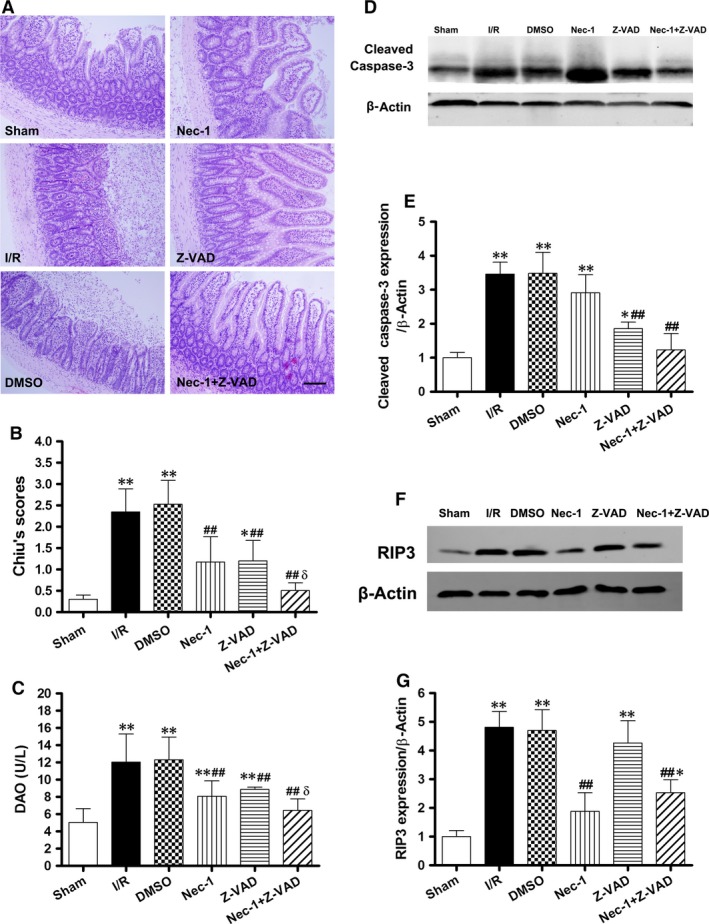
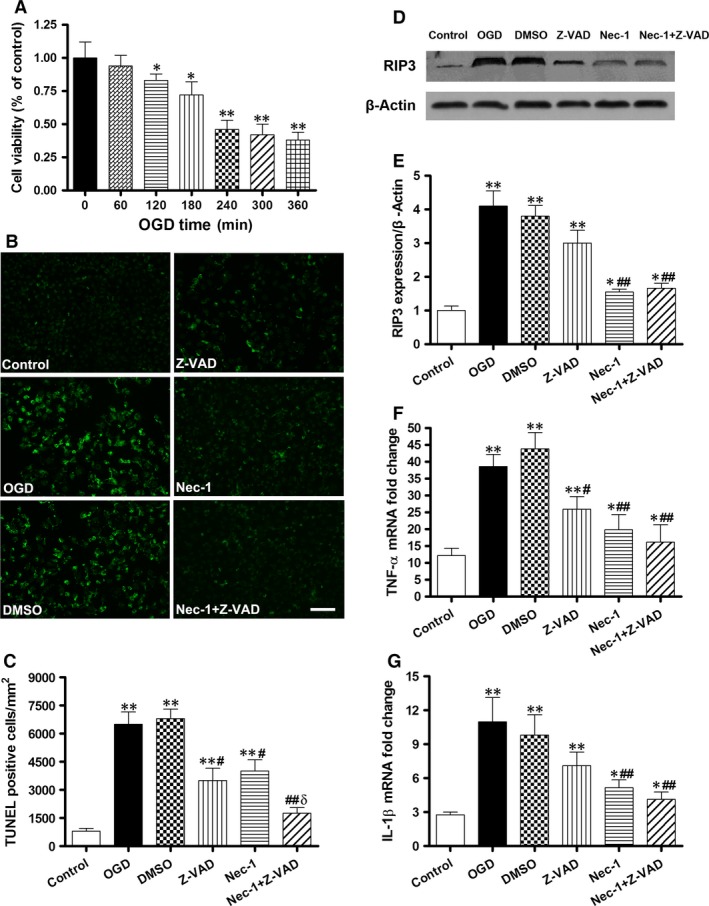
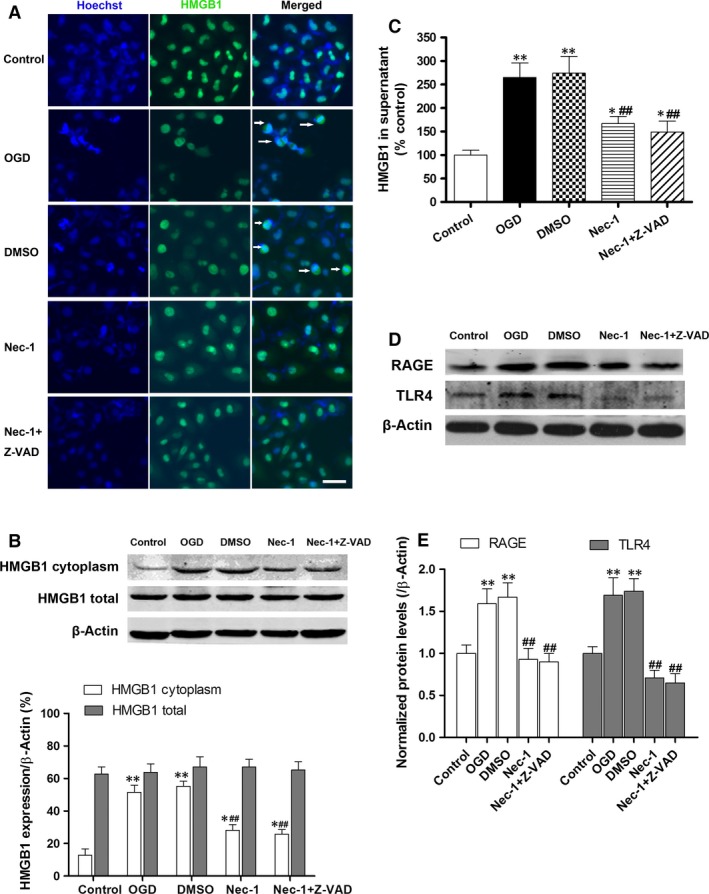
Cell death is an important biological process that is believed to have a central role in intestinal ischaemia/reperfusion (I/R) injury. While the apoptosis inhibition is pivotal in preventing intestinal I/R, how necrotic cell death is regulated remains unknown. Necroptosis represents a newly discovered form of programmed cell death that combines the features of both apoptosis and necrosis, and it has been implicated in the development of a range of inflammatory diseases. Here, we show that receptor-interacting protein 1/3 (RIP1/3) kinase and mixed lineage kinase domain-like protein recruitment mediates necroptosis in a rat model of ischaemic intestinal injury in vivo. Furthermore, necroptosis was specifically blocked by the RIP1 kinase inhibitor necrostatin-1. In addition, the combined treatment of necrostatin-1 and the pan-caspase inhibitor Z-VAD acted synergistically to protect against intestinal I/R injury, and these two pathways can be converted to one another when one is inhibited. In vitro, necrostatin-1 pre-treatment reduced the necroptotic death of oxygen-glucose deprivation challenged intestinal epithelial cell-6 cells, which in turn dampened the production of pro-inflammatory cytokines (tumour necrosis factor-α and interleukin-1β), and suppressed high-mobility group box-1 (HMGB1) translocation from the nucleus to the cytoplasm and the subsequent release of HMGB1 into the supernatant, thus decreasing the activation of Toll-like receptor 4 and the receptor for advanced glycation end products. Collectively, our study reveals a robust RIP1/RIP3-dependent necroptosis pathway in intestinal I/R-induced intestinal injury in vivo and in vitro and suggests that the HMGB1 signalling is highly involved in this process, making it a novel therapeutic target for acute ischaemic intestinal injury.
细胞死亡是一个重要的生物学过程,被认为在肠道缺血/再灌注(I/R)损伤中起核心作用。虽然凋亡抑制在预防肠道I/R中至关重要,但坏死性细胞死亡是如何被调控的仍不清楚。坏死性凋亡是一种新发现的程序性细胞死亡形式,它兼具凋亡和坏死的特征,并与一系列炎症性疾病的发生有关。在这里,我们表明受体相互作用蛋白1/3(RIP1/3)激酶和混合谱系激酶结构域样蛋白募集在体内缺血性肠损伤大鼠模型中介导坏死性凋亡。此外,RIP1激酶抑制剂坏死他汀-1可特异性阻断坏死性凋亡。此外,坏死他汀-1和泛半胱天冬酶抑制剂Z-VAD联合治疗对预防肠道I/R损伤具有协同作用,当其中一条途径被抑制时,这两条途径可以相互转化。在体外,坏死他汀-1预处理减少了氧糖剥夺诱导的肠上皮细胞-6细胞的坏死性凋亡死亡,进而抑制了促炎细胞因子(肿瘤坏死因子-α和白细胞介素-1β)的产生,并抑制了高迁移率族蛋白B1(HMGB1)从细胞核向细胞质的转运以及随后HMGB1释放到上清液中,从而降低了Toll样受体4和晚期糖基化终产物受体的激活。总的来说,我们的研究揭示了在体内和体外肠道I/R诱导的肠道损伤中存在一条强大的RIP1/RIP3依赖性坏死性凋亡途径,并表明HMGB1信号通路高度参与这一过程,使其成为急性缺血性肠损伤的一个新的治疗靶点。