Department of Anesthesiology, The Affiliated Hospital of Southwest Medical University, Luzhou 646000, China.
Anesthesiology and Critical Care Medicine Key Laboratory of Luzhou, Luzhou 646000, China.
Biomolecules. 2023 May 11;13(5):820. doi: 10.3390/biom13050820.
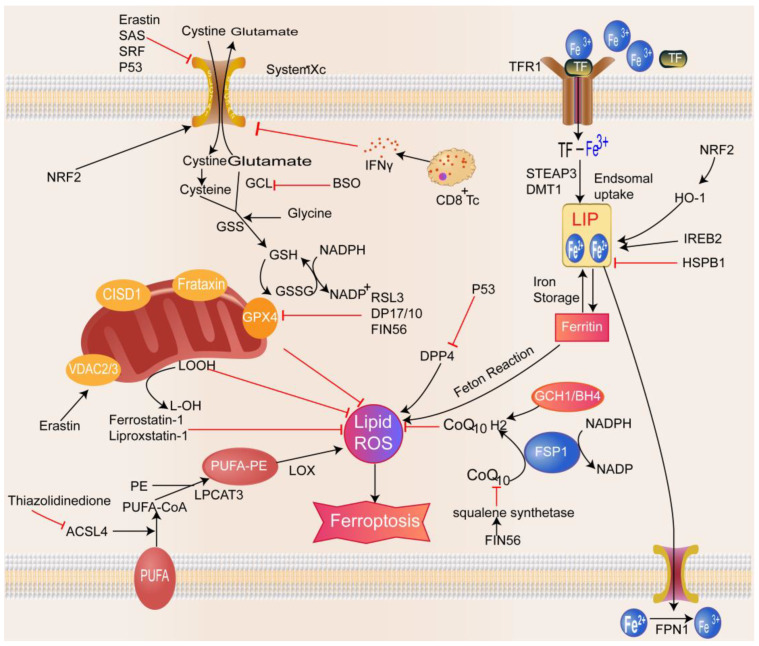
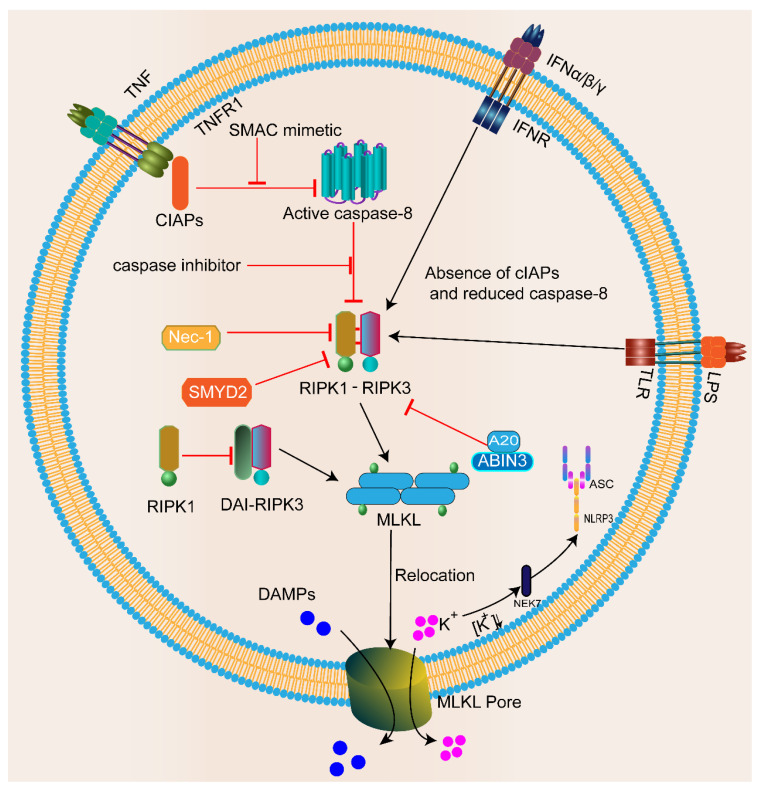
Cell death includes programmed and nonprogrammed cell death. The former mainly includes ferroptosis, necroptosis, pyroptosis, autophagy, and apoptosis, while the latter refers to necrosis. Accumulating evidence shows that ferroptosis, necroptosis, and pyroptosis play essential regulatory roles in the development of intestinal diseases. In recent years, the incidence of inflammatory bowel disease (IBD), colorectal cancer (CRC), and intestinal injury induced by intestinal ischemia-reperfusion (I/R), sepsis, and radiation have gradually increased, posing a significant threat to human health. The advancement in targeted therapies for intestinal diseases based on ferroptosis, necroptosis, and pyroptosis provides new strategies for treating intestinal diseases. Herein, we review ferroptosis, necroptosis, and pyroptosis with respect to intestinal disease regulation and highlight the underlying molecular mechanisms for potential therapeutic applications.
细胞死亡包括程序性细胞死亡和非程序性细胞死亡。前者主要包括铁死亡、细胞坏死性凋亡、细胞焦亡、自噬和细胞凋亡,而后者则指细胞坏死。越来越多的证据表明,铁死亡、细胞坏死性凋亡和细胞焦亡在肠道疾病的发展中起着重要的调节作用。近年来,炎症性肠病(IBD)、结直肠癌(CRC)以及由肠道缺血再灌注(I/R)、脓毒症和辐射引起的肠道损伤的发病率逐渐升高,对人类健康构成了重大威胁。基于铁死亡、细胞坏死性凋亡和细胞焦亡的肠道疾病靶向治疗的进展为治疗肠道疾病提供了新的策略。在此,我们就铁死亡、细胞坏死性凋亡和细胞焦亡在肠道疾病调控方面进行综述,并强调了其潜在治疗应用的相关分子机制。