Zhang Hai, Ma Shifan, Feng Zhiwei, Wang Dongyao, Li Chengjian, Cao Yan, Chen Xiaofei, Liu Aijun, Zhu Zhenyu, Zhang Junping, Zhang Guoqing, Chai Yifeng, Wang Lirong, Xie Xiang-Qun
College of pharmacy, Second Military Medical University; Department of Pharmacy, Third Affiliated Hospital of Second Military Medical University, Shanghai 200433, China.
Department of Pharmaceutical Sciences and Computational Chemical Genomics Screening Center, School of Pharmacy; National Center of Excellence for Computational Drug Abuse Research; Drug Discovery Institute; Departments of Computational Biology and Structural Biology, School of Medicine, University of Pittsburgh, Pittsburgh, Pennsylvania 15260, United States.
Sci Rep. 2016 Sep 28;6:33963. doi: 10.1038/srep33963.
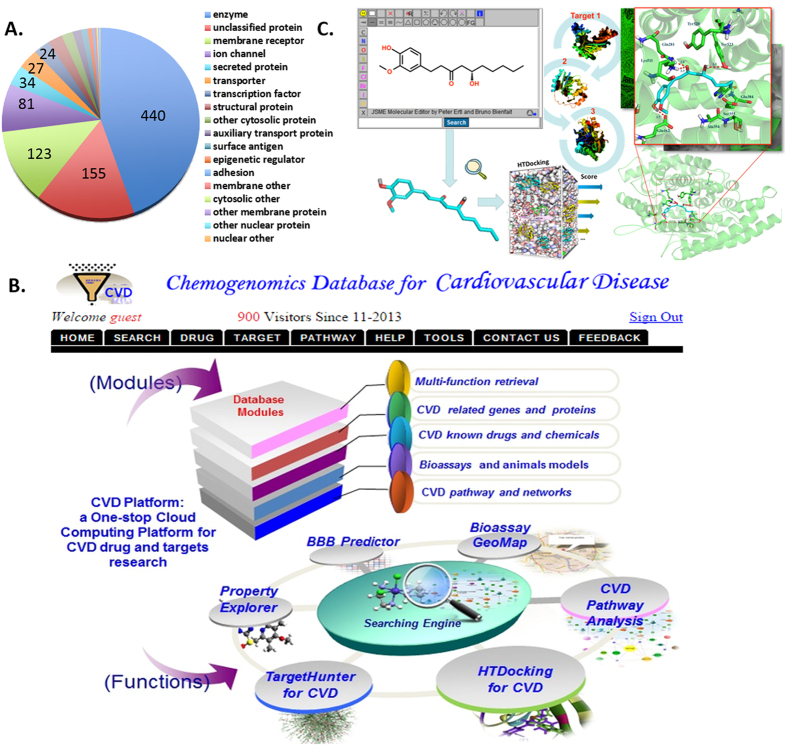
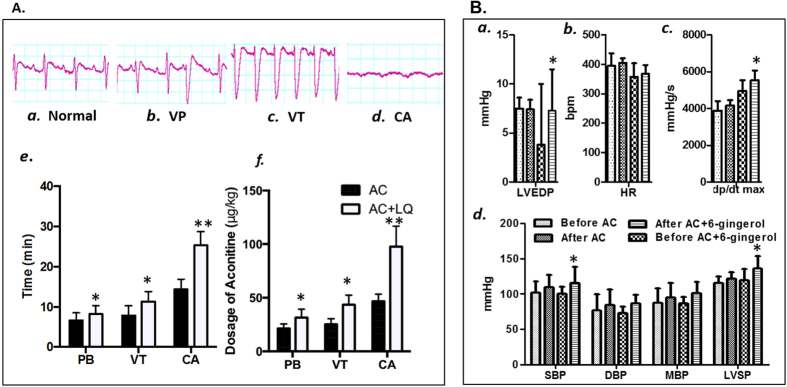
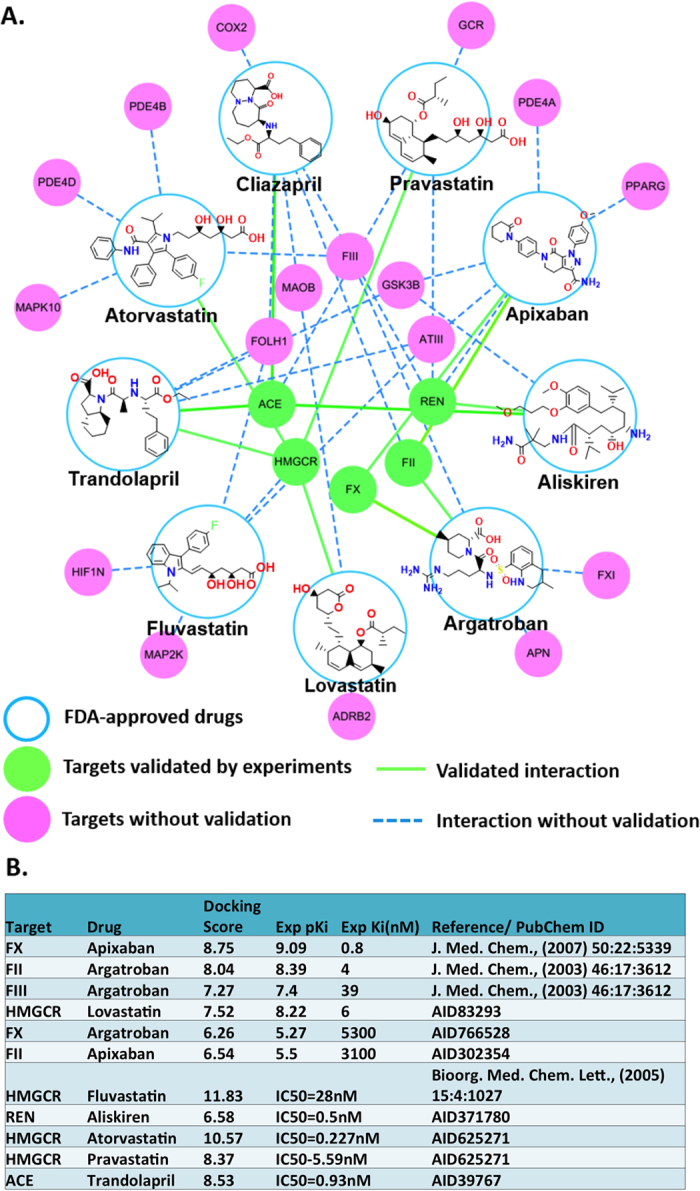
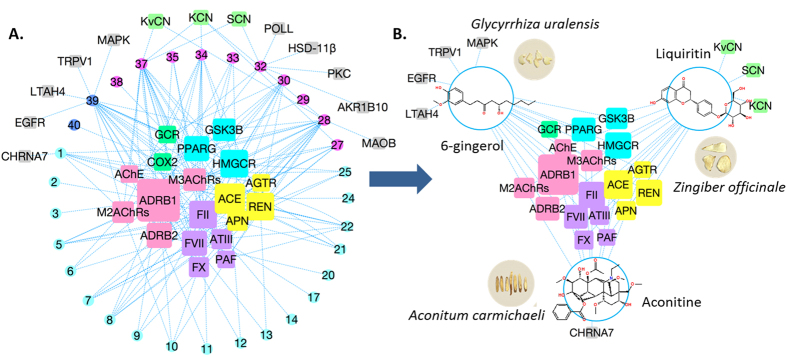
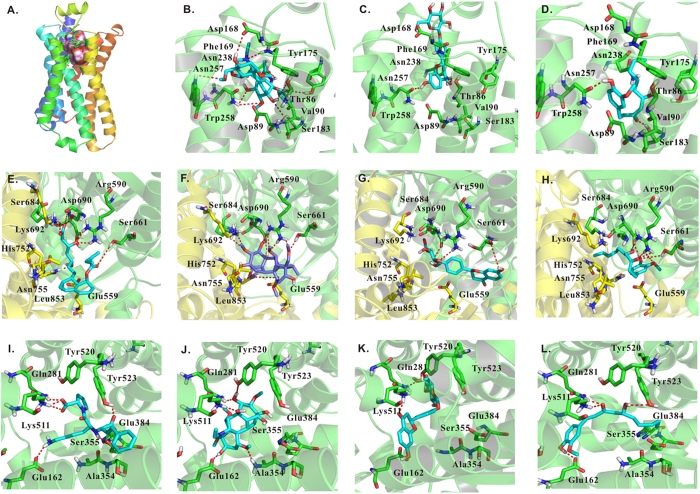
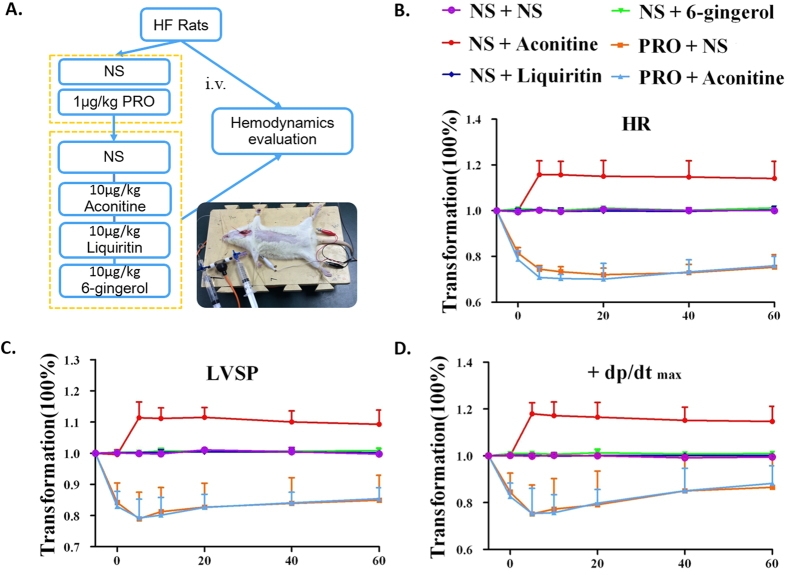
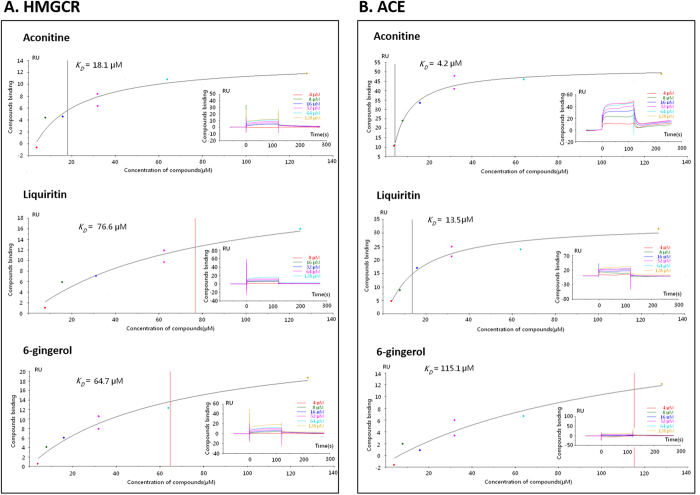
Combination therapy is a popular treatment for various diseases in the clinic. Among the successful cases, Traditional Chinese Medicinal (TCM) formulae can achieve synergistic effects in therapeutics and antagonistic effects in toxicity. However, characterizing the underlying molecular synergisms for the combination of drugs remains a challenging task due to high experimental expenses and complication of multicomponent herbal medicines. To understand the rationale of combination therapy, we investigated Sini Decoction, a well-known TCM consisting of three herbs, as a model. We applied our established diseases-specific chemogenomics databases and our systems pharmacology approach TargetHunter to explore synergistic mechanisms of Sini Decoction in the treatment of cardiovascular diseases. (1) We constructed a cardiovascular diseases-specific chemogenomics database, including drugs, target proteins, chemicals, and associated pathways. (2) Using our implemented chemoinformatics tools, we mapped out the interaction networks between active ingredients of Sini Decoction and their targets. (3) We also in silico predicted and experimentally confirmed that the side effects can be alleviated by the combination of the components. Overall, our results demonstrated that our cardiovascular disease-specific database was successfully applied for systems pharmacology analysis of a complicated herbal formula in predicting molecular synergetic mechanisms, and led to better understanding of a combinational therapy.
联合疗法是临床上治疗各种疾病的常用方法。在成功案例中,中药方剂在治疗上可产生协同作用,在毒性方面则有拮抗作用。然而,由于实验成本高昂且多成分草药复杂,确定药物组合潜在的分子协同作用仍是一项具有挑战性的任务。为了解联合疗法的原理,我们以四逆汤(一种由三味草药组成的著名中药方剂)为模型进行了研究。我们应用已建立的疾病特异性化学基因组学数据库和系统药理学方法TargetHunter来探索四逆汤治疗心血管疾病的协同机制。(1)我们构建了一个心血管疾病特异性化学基因组学数据库,包括药物、靶蛋白、化学物质和相关通路。(2)使用我们实现的化学信息学工具,我们绘制了四逆汤活性成分与其靶点之间的相互作用网络。(3)我们还通过计算机模拟预测并通过实验证实,成分组合可减轻副作用。总体而言,我们的结果表明,我们的心血管疾病特异性数据库成功应用于复杂草药方剂的系统药理学分析,以预测分子协同机制,并有助于更好地理解联合疗法。