
pRb-E2F4轴的失调会改变表皮稳态并促进肿瘤发展。
Deregulation of the pRb-E2F4 axis alters epidermal homeostasis and favors tumor development.
作者信息
Costa Clotilde, Santos Mirentxu, Martínez-Fernández Mónica, Lorz Corina, Lázaro Sara, Paramio Jesús M
机构信息
Unidad de Oncología Molecular, CIEMAT (ed70A), 28040 Madrid, Spain.
Present address: Unidad Mixta Roche-Chus, Hospital Universitario, 15706 Santiago de Compostela, Spain.
出版信息
Oncotarget. 2016 Nov 15;7(46):75712-75728. doi: 10.18632/oncotarget.12362.
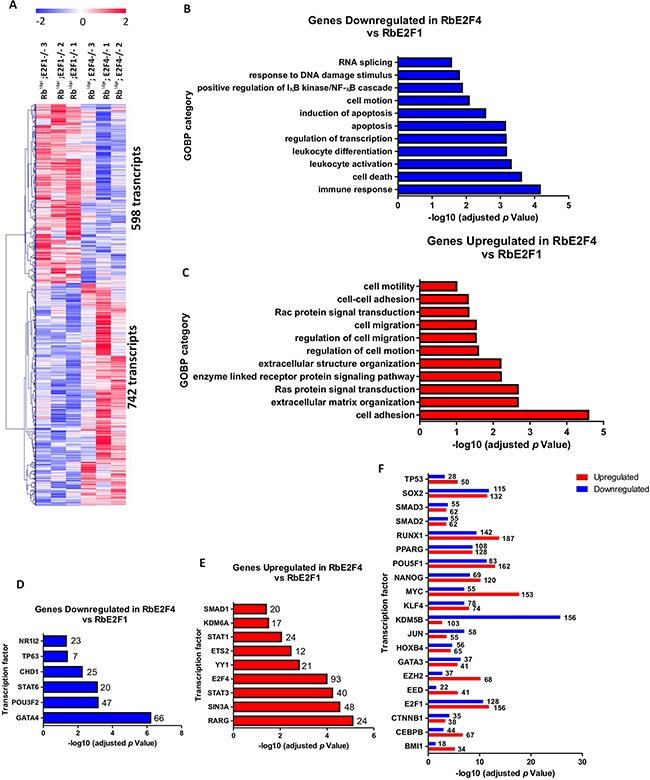
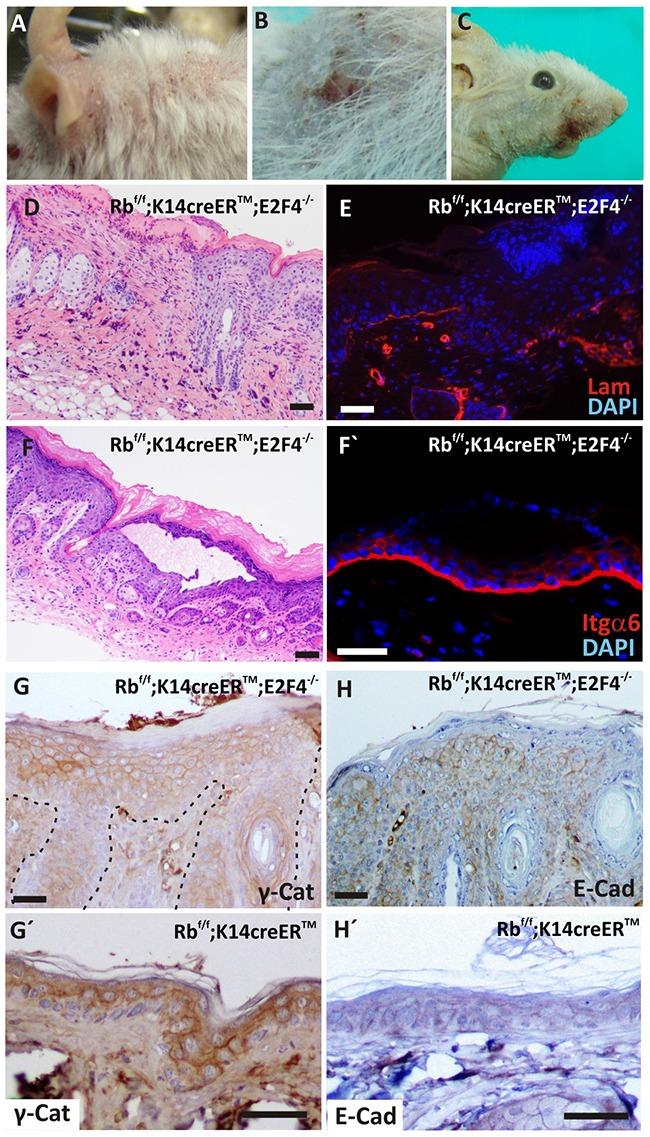
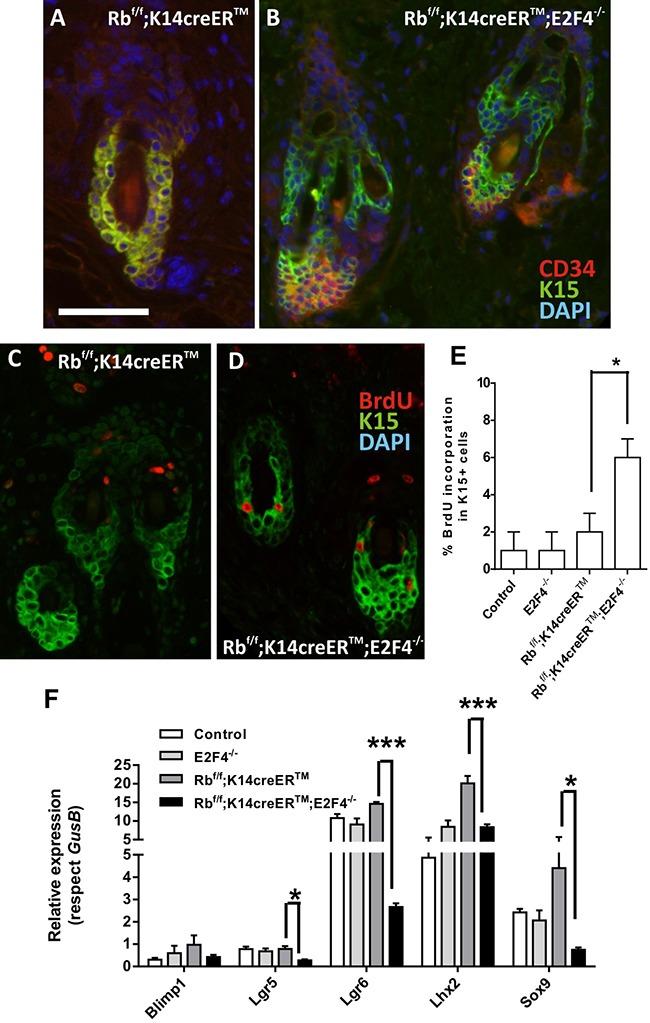
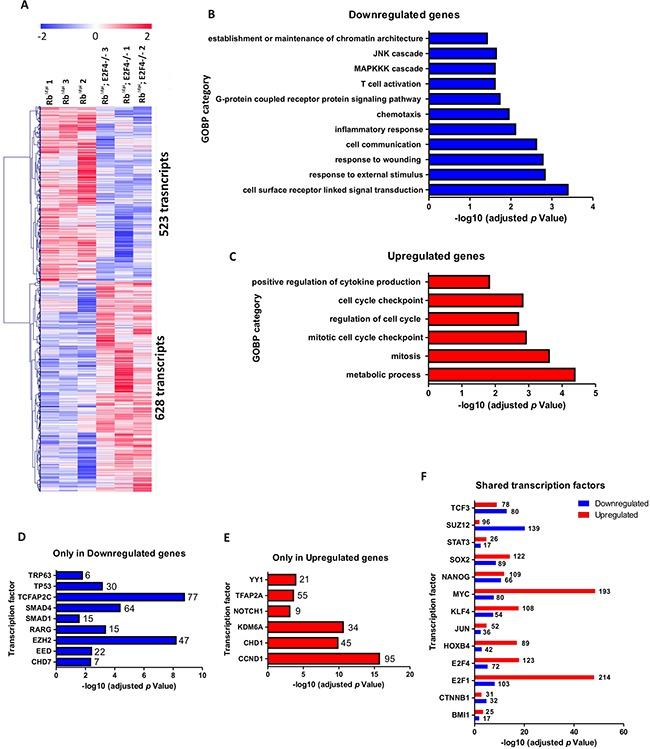
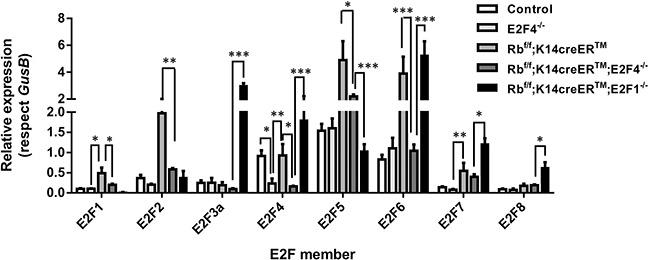
E2F/RB activity is altered in most human tumors. The retinoblastoma family of proteins plays a key role in regulating the progression of the cell cycle from the G1 to S phases. This is achieved through negative regulation of E2F transcription factors, important positive regulators of cell cycle entry. E2F family members are divided into two groups: activators (E2F1-E2F3a) and repressors (E2F3b-E2F8). E2F4 accounts for a large part of the E2F activity and is a main E2F repressor member in vivo. Perturbations in the balance from quiescence towards proliferation contribute to increased mitotic gene expression levels frequently observed in cancer. We have previously reported that combined Rb1-Rbl1 or Rb1-E2f1 ablation in epidermis produces important alterations in epidermal proliferation and differentiation, leading to tumor development. However, the possible roles of E2F4 in this context are still to be determined. Here, we show the absence of any discernible phenotype in the skin of mice lacking of E2f4. In contrast, the inducible loss of Rb1 in the epidermis of E2F4-null mice produced multiple skin abnormalities including altered differentiation and proliferation, spontaneous wounds, carcinoma in situ development and stem cell perturbations. All these phenotypic alterations are associated with extensive gene expression changes, the induction of c-myc and the Akt activation. Moreover the whole transcriptome analyses in comparison with previous models generated also revealed extensive changes in multiple repressive complexes and in transcription factor activity. These results point to E2F4 as a master regulator in multiple steps of epidermal homeostasis in Rb1 absence.
在大多数人类肿瘤中,E2F/RB活性会发生改变。视网膜母细胞瘤蛋白家族在调控细胞周期从G1期向S期的进程中起关键作用。这是通过对E2F转录因子的负调控来实现的,E2F转录因子是细胞周期进入的重要正调控因子。E2F家族成员分为两组:激活因子(E2F1 - E2F3a)和抑制因子(E2F3b - E2F8)。E2F4在E2F活性中占很大一部分,并且是体内主要的E2F抑制因子成员。从静止状态向增殖状态的平衡扰动会导致癌症中常见的有丝分裂基因表达水平升高。我们之前报道过,表皮中Rb1 - Rbl1或Rb1 - E2f1联合缺失会导致表皮增殖和分化发生重要改变,进而导致肿瘤发生。然而,在这种情况下E2F4的可能作用仍有待确定。在这里,我们发现缺乏E2f4的小鼠皮肤没有任何可察觉的表型。相反,E2F4基因敲除小鼠表皮中Rb1的诱导性缺失会产生多种皮肤异常,包括分化和增殖改变、自发性伤口、原位癌发展以及干细胞扰动。所有这些表型改变都与广泛的基因表达变化、c - myc的诱导和Akt激活有关。此外,与之前生成的模型相比,全转录组分析还揭示了多个抑制复合物和转录因子活性的广泛变化。这些结果表明,在缺乏Rb1的情况下,E2F4是表皮稳态多个步骤中的主要调节因子




 Zotero 插件