Brown Gabrielle, Wang Eva, Leon Argentina, Huynh Monica, Wehner Mackenzie, Matro Rebecca, Linos Eleni, Liao Wilson, Haemel Anna
Department of Dermatology, University of California, San Francisco, California.
Department of Gastroenterology, University of California, San Francisco, California.
J Am Acad Dermatol. 2017 Feb;76(2):334-341. doi: 10.1016/j.jaad.2016.08.012. Epub 2016 Oct 5.
Tumor necrosis factor-α (TNF-α) inhibitors have been reported to induce new-onset psoriasis.
To better define the demographic, clinical features, and treatment approach of TNF-α inhibitor-induced psoriasis.
Systematic review of published cases of TNF-α inhibitor-induced psoriasis.
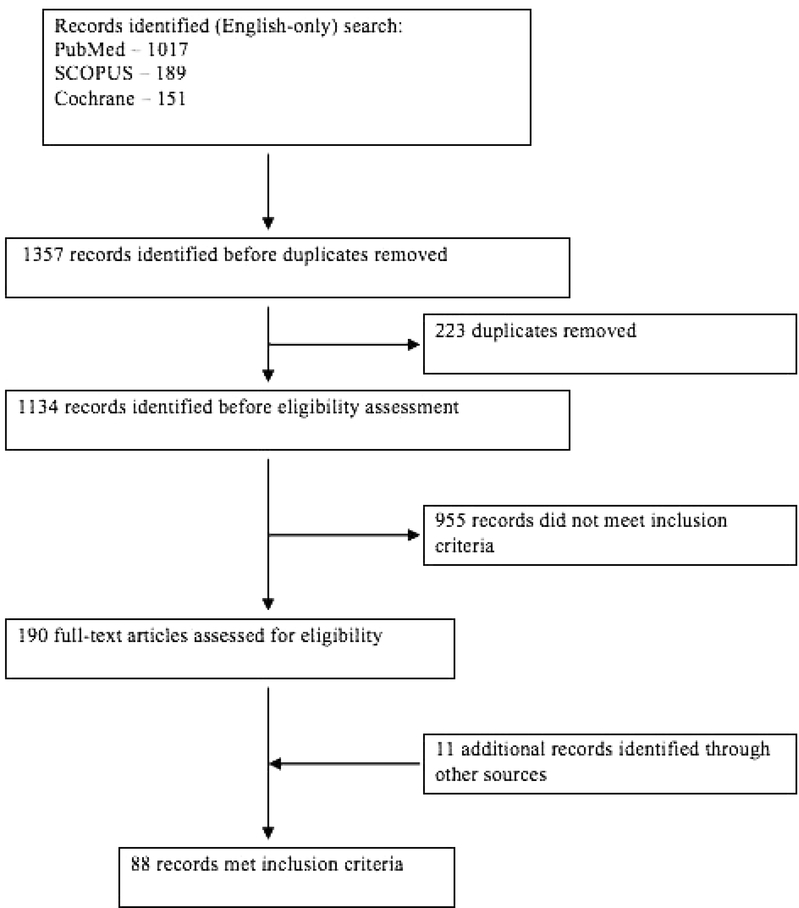
We identified 88 articles with 216 cases of new-onset TNF-α inhibitor-induced psoriasis. The mean age at psoriasis onset was 38.5 years. The most common underlying diseases were Crohn disease (40.7%) and rheumatoid arthritis (37.0%). Patients underwent TNF-α therapy for an average of 14.0 months before psoriasis onset with 69.9% of patients experiencing onset within the first year. The majority of patients received skin-directed therapy, though patients who discontinued TNF therapy had the greatest resolution of symptoms (47.7%) compared with those who switched to a different TNF agent (36.7%) or continued therapy (32.9%).
Retrospective review that relies on case reports and series.
While TNF-α inhibitor cessation may result in resolution of induced psoriasis, lesions may persist. Decisions regarding treatment should be weighed against the treatability of TNF-α inhibitor-induced psoriasis, the severity of the background rheumatologic or gastrointestinal disease, and possible loss of efficacy with cessation followed by retreatment. Skin-directed therapy is a reasonable initial strategy except in severe cases.
据报道,肿瘤坏死因子-α(TNF-α)抑制剂可诱发新发银屑病。
更好地明确TNF-α抑制剂诱发银屑病的人口统计学特征、临床特点及治疗方法。
对已发表的TNF-α抑制剂诱发银屑病的病例进行系统综述。
我们检索到88篇文章,共216例新发TNF-α抑制剂诱发银屑病的病例。银屑病发病的平均年龄为38.5岁。最常见的基础疾病是克罗恩病(40.7%)和类风湿关节炎(37.0%)。患者在银屑病发病前平均接受TNF-α治疗14.0个月,69.9%的患者在第一年发病。大多数患者接受了针对皮肤的治疗,不过与换用其他TNF药物(36.7%)或继续治疗(32.9%)的患者相比,停用TNF治疗的患者症状缓解程度最高(47.7%)。
基于病例报告和系列病例的回顾性研究。
虽然停用TNF-α抑制剂可能会使诱发的银屑病消退,但皮损可能会持续存在。在决定治疗方案时,应权衡TNF-α抑制剂诱发银屑病的可治疗性、基础风湿性或胃肠道疾病的严重程度以及停药后再治疗可能导致的疗效丧失。除严重病例外,针对皮肤的治疗是一种合理的初始策略。