Chen Jenny X, Alkire Blake C, Lam Allen C, Curry William T, Holbrook Eric H
Massachusetts Eye and Ear Infirmary, Boston, Massachusetts, United States.
Massachusetts Eye and Ear Infirmary, Boston, Massachusetts, United States; Department of Otolaryngology, Harvard Medical School, Boston, Massachusetts, United States.
J Neurol Surg Rep. 2016 Oct;77(4):e151-e155. doi: 10.1055/s-0036-1593470.
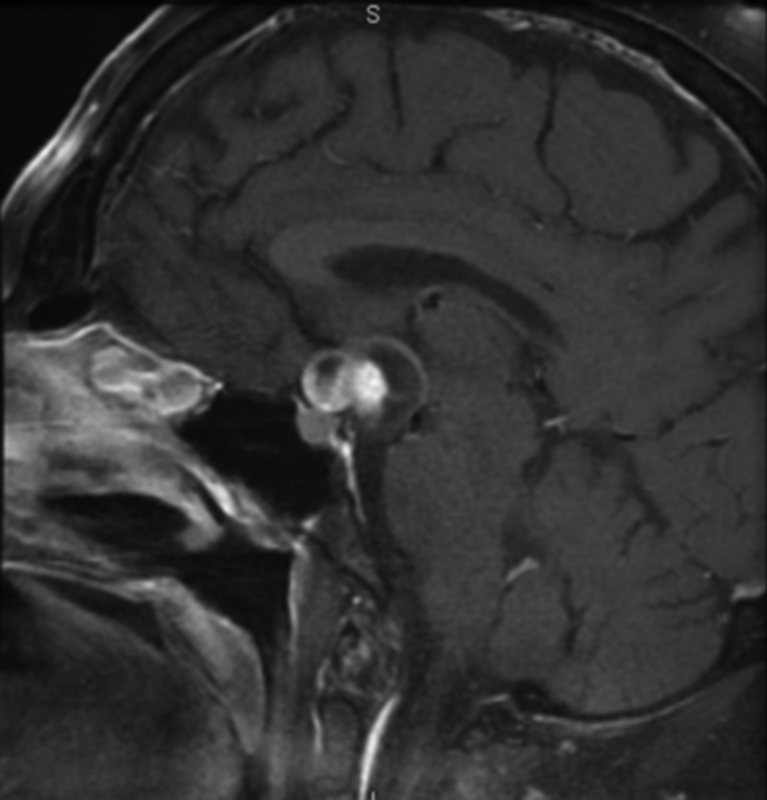
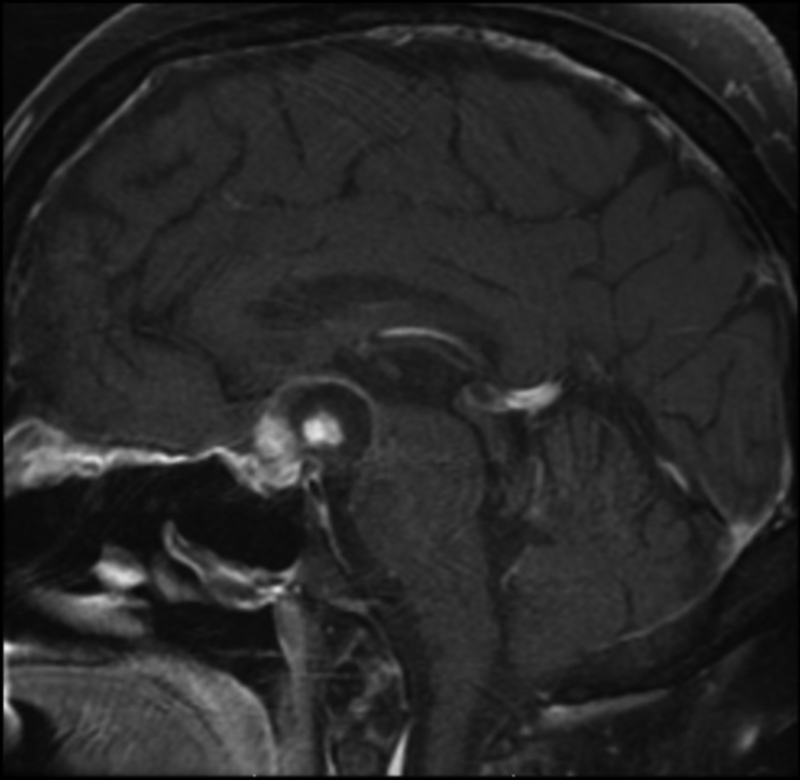
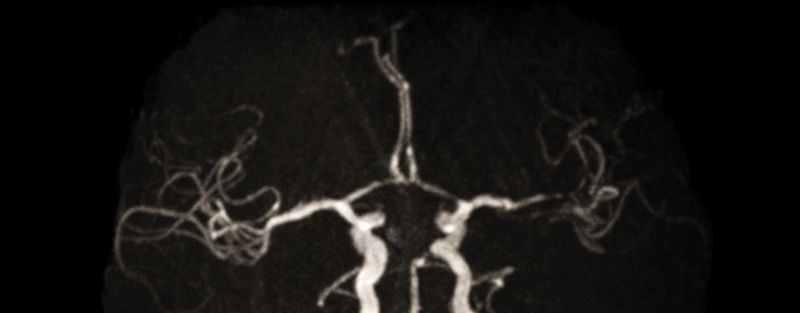
While bacterial meningitis is a concerning complication after endoscopic skull base surgery, the diagnosis can be made without consideration for aseptic meningitis. This article aims to (1) present a patient with recurrent craniopharyngioma and multiple postoperative episodes of aseptic meningitis and (2) discuss the diagnosis and management of aseptic meningitis. Case report and literature review. A 65-year-old female patient with a symptomatic craniopharyngioma underwent transsphenoidal resection. She returned postoperatively with symptoms concerning for cerebrospinal fluid (CSF) leak and bacterial meningitis. Lumbar puncture demonstrated mildly elevated leukocytes with normal glucose levels. Cultures were sterile and she was discharged on antibiotics. She returned 18 days postoperatively with altered mental status and fever. Again, negative CSF cultures suggested aseptic meningitis. Radiological and intraoperative findings were now concerning for widespread cerebrovascular vasospasm due to leaked craniopharyngioma fluids. In the following months, her craniopharyngioma recurred and required multiple surgical resections. Days after her last operation, she returned with mental status changes and a sterile CSF culture. She was diagnosed with recurrent aseptic meningitis and antibiotics were discontinued. The patient experienced near complete resolution of symptoms. Consideration of aseptic meningitis following craniopharyngioma resection is critical to avoid unnecessary surgical re-exploration and prolonged courses of antibiotics.
虽然细菌性脑膜炎是内镜颅底手术后令人担忧的并发症,但在诊断时可不考虑无菌性脑膜炎。本文旨在:(1)介绍一名患有复发性颅咽管瘤且术后多次发生无菌性脑膜炎的患者;(2)讨论无菌性脑膜炎的诊断和管理。病例报告及文献综述。一名65岁有症状的颅咽管瘤女性患者接受了经蝶窦切除术。她术后出现与脑脊液漏和细菌性脑膜炎相关的症状。腰椎穿刺显示白细胞轻度升高,葡萄糖水平正常。培养结果无菌,她出院时使用了抗生素。术后18天,她因精神状态改变和发热再次就诊。脑脊液培养结果再次为阴性,提示无菌性脑膜炎。影像学和术中发现提示因颅咽管瘤液体渗漏导致广泛的脑血管痉挛。在接下来的几个月里,她的颅咽管瘤复发,需要多次手术切除。最后一次手术后几天,她因精神状态改变和脑脊液培养无菌再次就诊。她被诊断为复发性无菌性脑膜炎,停用了抗生素。患者症状几乎完全缓解。颅咽管瘤切除术后考虑无菌性脑膜炎对于避免不必要的手术再次探查和延长抗生素疗程至关重要。