Vornicova Olga, Boyango Ilanit, Feld Sari, Naroditsky Inna, Kazarin Olga, Zohar Yaniv, Tiram Yariv, Ilan Neta, Ben-Izhak Ofer, Vlodavsky Israel, Bar-Sela Gil
Division of Oncology, Rambam Health Care Campus, Haifa, Israel.
Cancer and Vascular Biology Research Center, Bruce Rappaport Faculty of Medicine, Technion-Israel, Institute of Technology, Haifa, Israel.
Oncotarget. 2016 Nov 15;7(46):74678-74685. doi: 10.18632/oncotarget.12492.
Heparanase expression is induced in many types of cancers, including melanoma, and promotes tumor growth, angiogenesis and metastasis. However, there is insufficient data regarding heparanase expression in the metastatic lesions that are the prime target for anti-cancer therapeutics. To that end, we examined heparanase expression in metastatic melanoma and its correlation with clinical parameters.
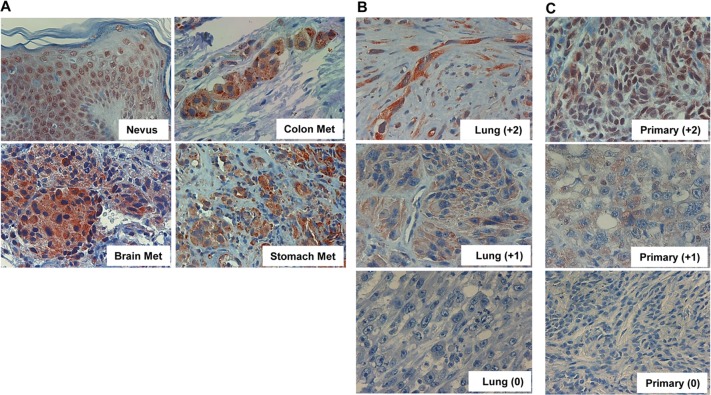
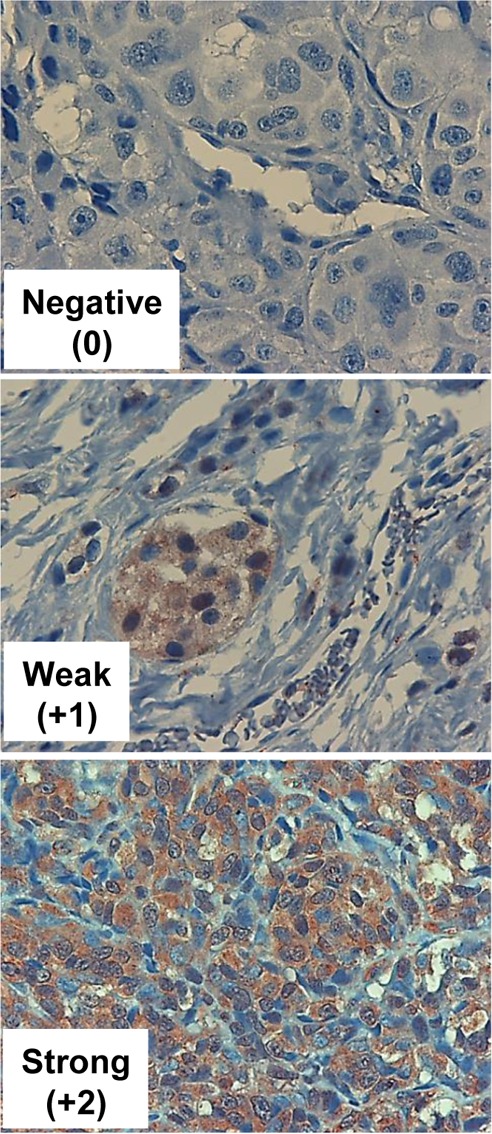
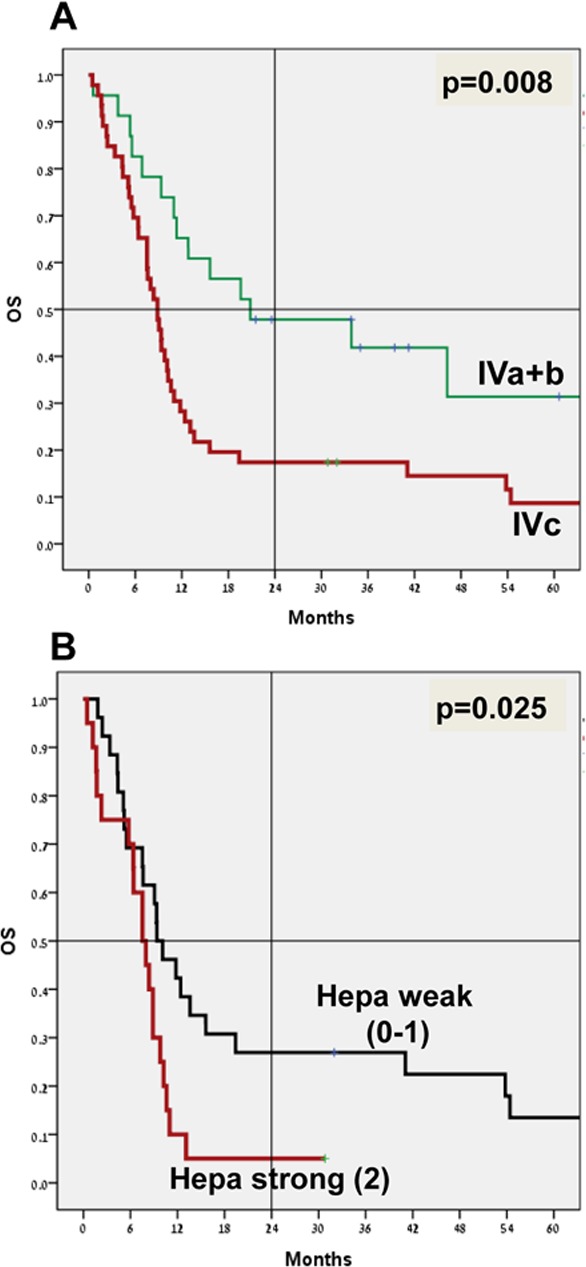
Heparanase staining was detected in 88% of the samples, and was strong in 46%. For the entire cohort of metastatic melanoma patients, no apparent correlation was found between heparanase staining intensity and survival. However, in a sub group of 46 patients diagnosed as stage IVc melanoma, strong heparanase staining was associated with reduced survival rates [hazard ratio=2.1; 95%CI 1.1-4.1, p=0.025].
Paraffin sections from 69 metastatic melanomas were subjected to immunohistochemical analysis, applying anti-heparanase antibody. The clinical and pathological data, together with heparanase staining intensity, were evaluated in a logistic regression model for site of metastasis and survival. Slides were also stained for the heparanase-homolog, heparanase-2 (Hpa2).
Heparanase is highly expressed in metastatic melanoma and predicts poor survival of stage IVc melanoma patients, justifying the development and implementation of heparanase inhibitors as anti-cancer therapeutics.
包括黑色素瘤在内的多种癌症中均有乙酰肝素酶表达,其可促进肿瘤生长、血管生成及转移。然而,关于作为抗癌治疗主要靶点的转移病灶中乙酰肝素酶表达的数据尚不足。为此,我们检测了转移性黑色素瘤中乙酰肝素酶的表达及其与临床参数的相关性。
88%的样本检测到乙酰肝素酶染色,其中46%染色较强。对于整个转移性黑色素瘤患者队列,未发现乙酰肝素酶染色强度与生存率之间存在明显相关性。然而,在46例被诊断为IVc期黑色素瘤的亚组患者中,乙酰肝素酶强染色与生存率降低相关[风险比=2.1;95%置信区间1.1 - 4.1,p = 0.025]。
对69例转移性黑色素瘤的石蜡切片应用抗乙酰肝素酶抗体进行免疫组化分析。在转移部位和生存的逻辑回归模型中评估临床和病理数据以及乙酰肝素酶染色强度。切片还进行了乙酰肝素酶同源物乙酰肝素酶-2(Hpa2)的染色。
乙酰肝素酶在转移性黑色素瘤中高表达,可预测IVc期黑色素瘤患者的不良生存情况,这为开发和应用乙酰肝素酶抑制剂作为抗癌治疗方法提供了依据。