Banerji Suneale, Lawrance William, Metcalfe Clive, Briggs David C, Yamauchi Akira, Dushek Omer, van der Merwe P Anton, Day Anthony J, Jackson David G
From the Medical Research Council Human Immunology Unit, Weatherall Institute of Molecular Medicine, John Radcliffe Hospital, Headington, Oxford OX3 9DS, United Kingdom.
Sir William Dunn School of Pathology, University of Oxford, South Parks Road, Oxford OX1 3RE, United Kingdom.
J Biol Chem. 2016 Nov 25;291(48):25004-25018. doi: 10.1074/jbc.M116.736926. Epub 2016 Oct 12.
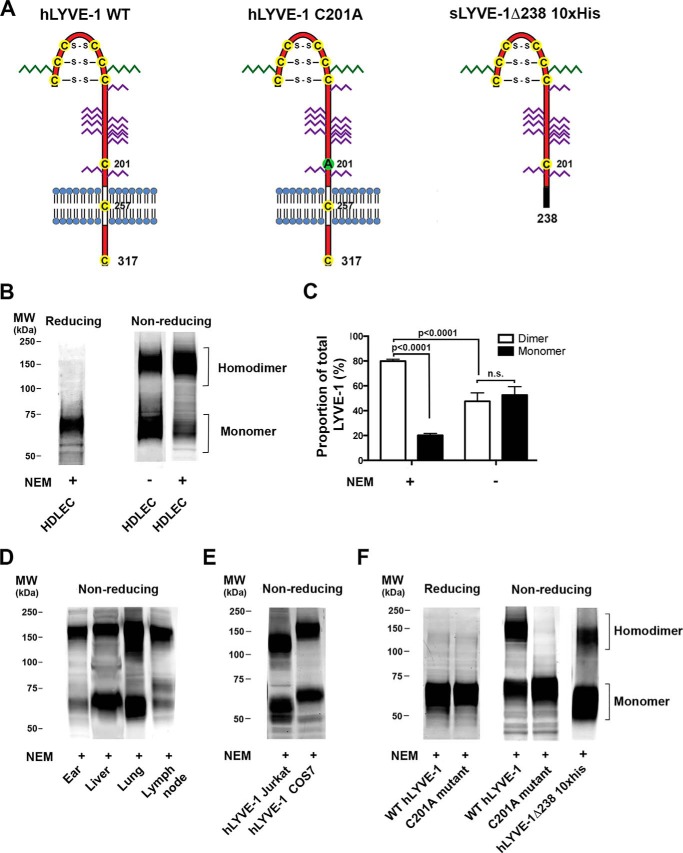
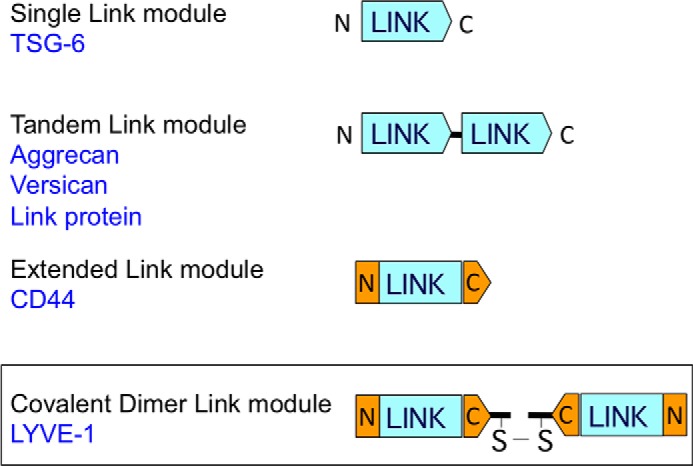
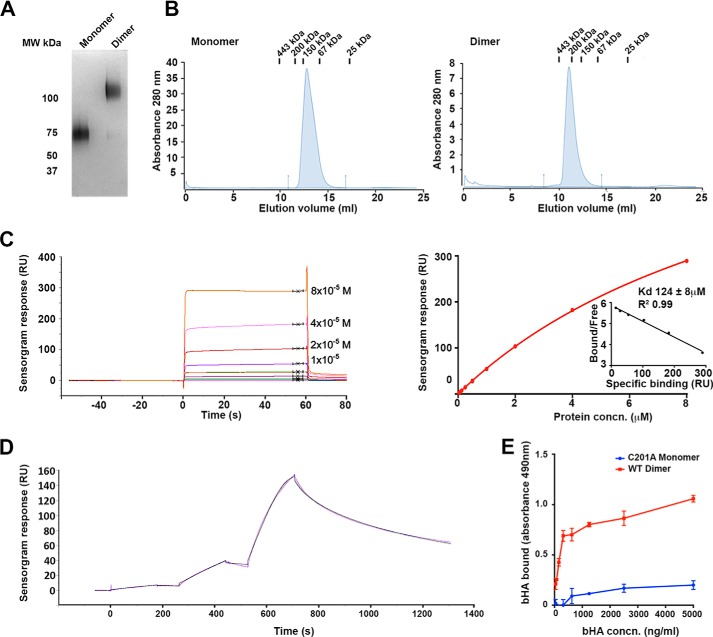
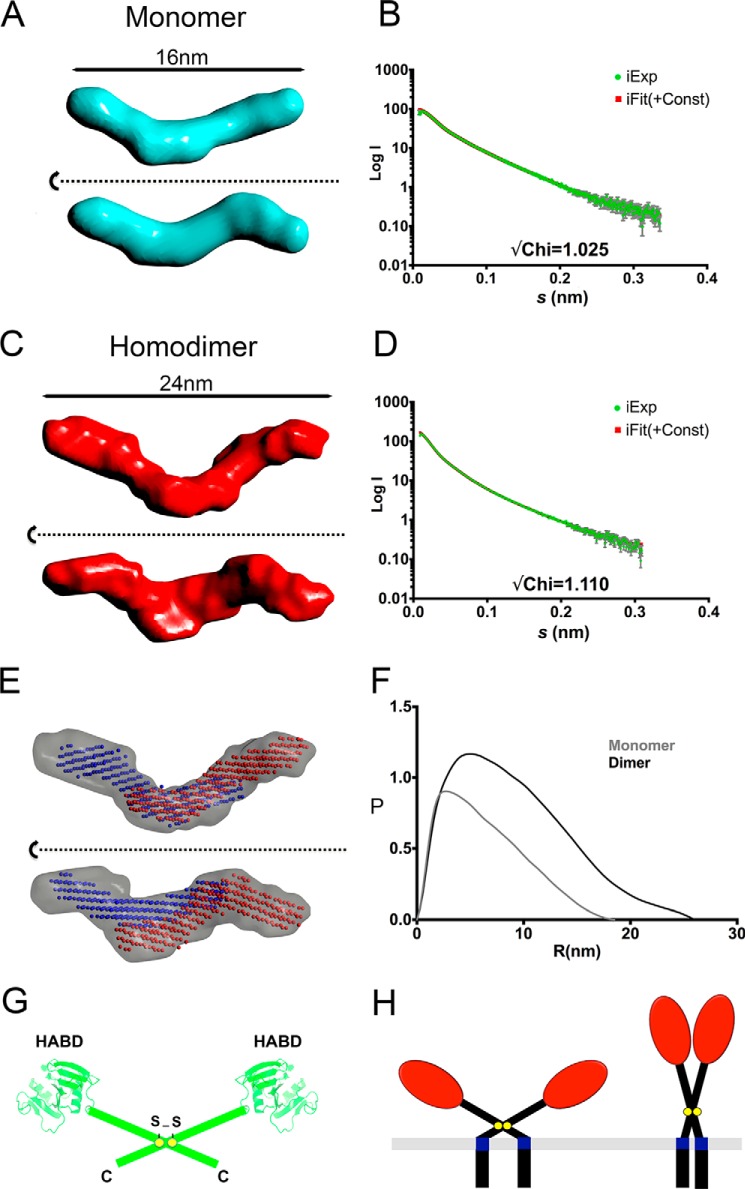
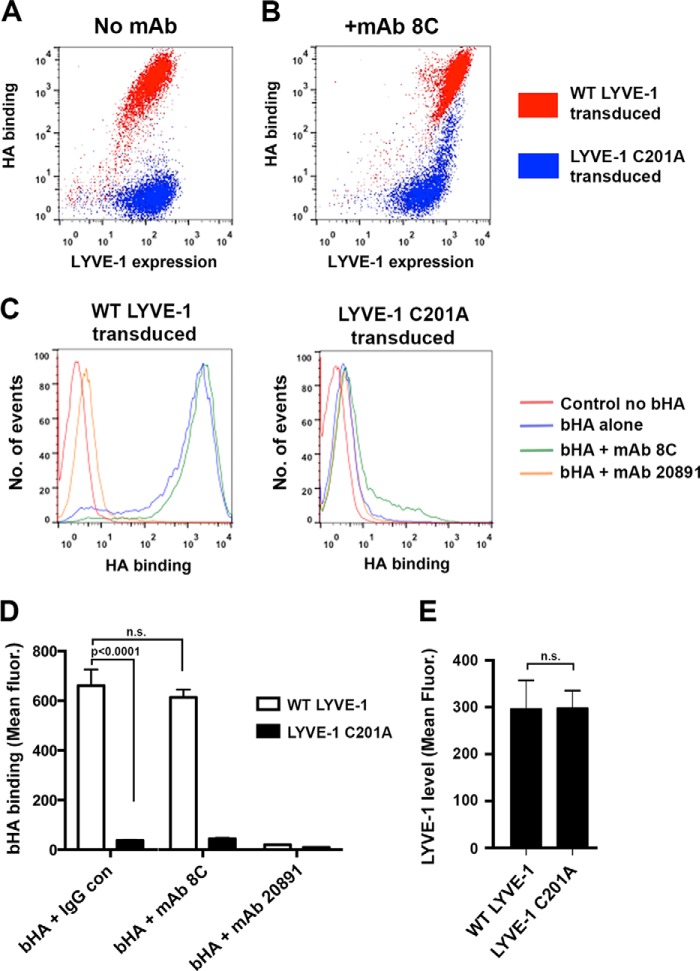
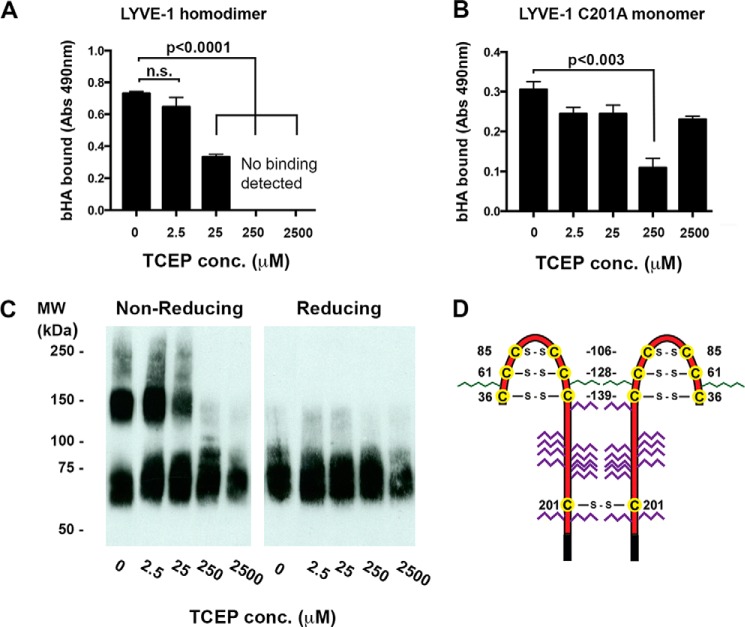
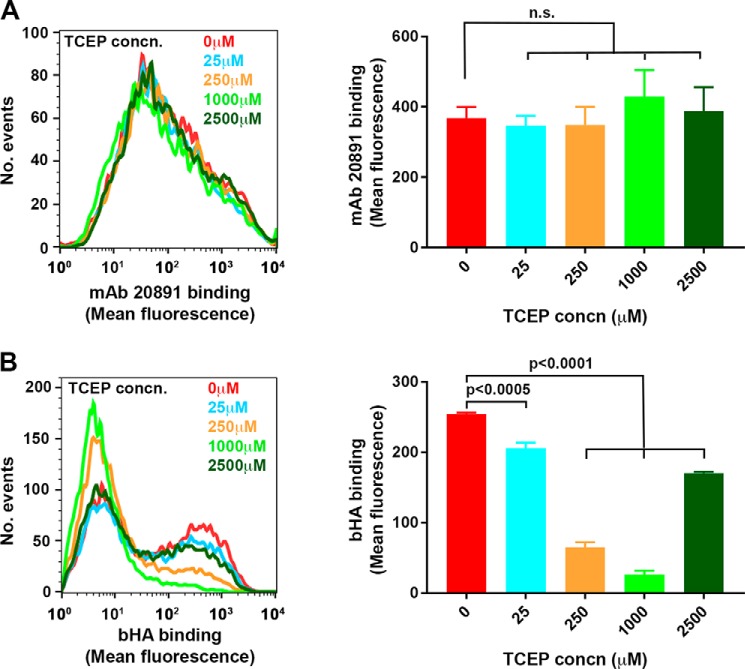
The lymphatic vessel endothelial receptor LYVE-1 is implicated in the uptake of hyaluronan (HA) and trafficking of leukocytes to draining lymph nodes. Yet LYVE-1 has only weak affinity for hyaluronan and depends on receptor clustering and higher order ligand organization for durable binding in lymphatic endothelium. An unusual feature of LYVE-1 not found in other HA receptors is the potential to form disulfide-linked homodimers. However, their influence on function has not been investigated. Here we show LYVE-1 homodimers are the predominant configuration in lymphatic endothelium in vitro and in vivo, and formation solely requires the unpaired cysteine residue Cys-201 within the membrane-proximal domain, yielding a 15-fold higher HA binding affinity and an ∼67-fold slower off-rate than the monomer. Moreover, we show non-dimerizing LYVE-1 mutants fail to bind HA even when expressed at high densities in lymphatic endothelial cells or artificially cross-linked with antibody. Consistent with these findings, small angle X-ray scattering (SAXS) indicates the Cys-201 interchain disulfide forms a hinge that maintains the homodimer in an "open scissors" conformation, likely allowing arrangement of the two HA binding domains for mutual engagement with ligand. Finally, we demonstrate the Cys-201 interchain disulfide is highly labile, and selective reduction with TCEP-HCl disrupts LYVE-1 homodimers, ablating HA binding. These findings reveal binding is dependent not just on clustering but also on the biochemical properties of LYVE-1 homodimers. They also mark LYVE-1 as the first Link protein superfamily member requiring covalent homodimerization for function and suggest the interchain disulfide acts as a redox switch in vivo.
淋巴管内皮受体LYVE-1与透明质酸(HA)的摄取以及白细胞向引流淋巴结的运输有关。然而,LYVE-1对透明质酸的亲和力较弱,并且在淋巴管内皮中,其持久结合依赖于受体聚集和更高阶的配体组织。LYVE-1具有一个在其他HA受体中未发现的不同寻常的特征,即有形成二硫键连接的同型二聚体的潜力。然而,它们对功能的影响尚未得到研究。在这里,我们表明LYVE-1同型二聚体是体外和体内淋巴管内皮中的主要构型,其形成仅需要膜近端结构域内未配对的半胱氨酸残基Cys-201,与单体相比,产生的HA结合亲和力高15倍,解离速率慢约67倍。此外,我们表明即使在淋巴管内皮细胞中高密度表达或与抗体人工交联,非二聚化的LYVE-1突变体也无法结合HA。与这些发现一致,小角X射线散射(SAXS)表明Cys-201链间二硫键形成一个铰链,使同型二聚体保持在“开放剪刀”构象,可能允许两个HA结合结构域相互排列以与配体相互作用。最后,我们证明Cys-201链间二硫键非常不稳定,用TCEP-HCl进行选择性还原会破坏LYVE-1同型二聚体,消除HA结合。这些发现揭示结合不仅取决于聚集,还取决于LYVE-1同型二聚体的生化特性。它们还将LYVE-1标记为第一个需要共价同型二聚化才能发挥功能的连接蛋白超家族成员,并表明链间二硫键在体内充当氧化还原开关。