Yao Xie-Feng, Zhang Jiu-Ming, Tian Li, Guo Jian-Hua
Institute of Vegetable Crops, Jiangsu Academy of Agricultural Sciences, Jiangsu Key Laboratory for Horticultural Crop Genetic Improvement, Nanjing, China.
First Institute of Oceanography, State Oceanic Administration, Qingdao, China; Qingdao University of Science & Technology, Qingdao, China.
Braz J Microbiol. 2017 Jan-Mar;48(1):71-78. doi: 10.1016/j.bjm.2016.09.007. Epub 2016 Oct 4.
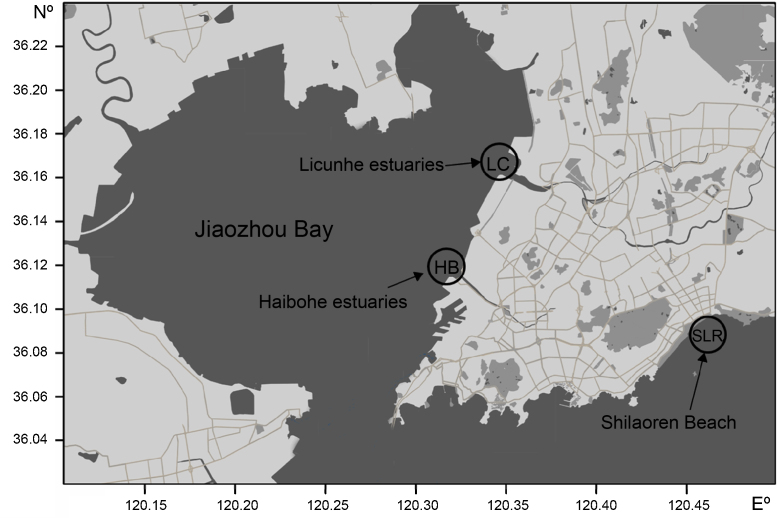
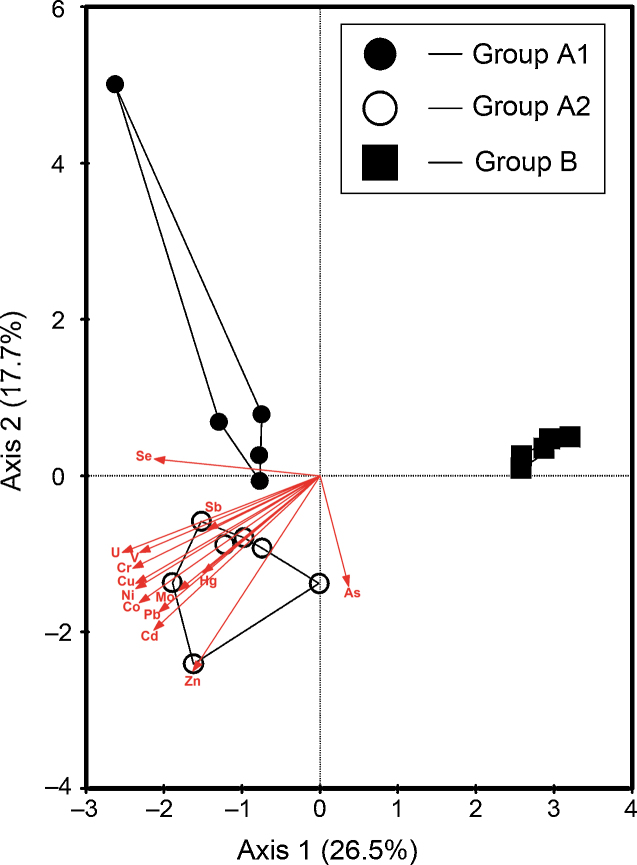
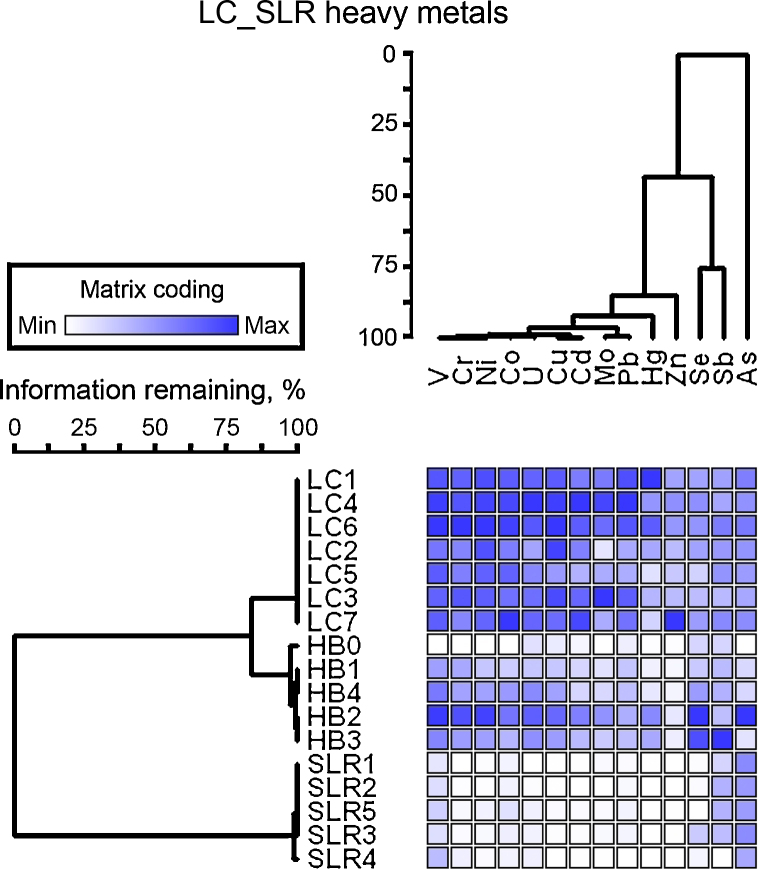
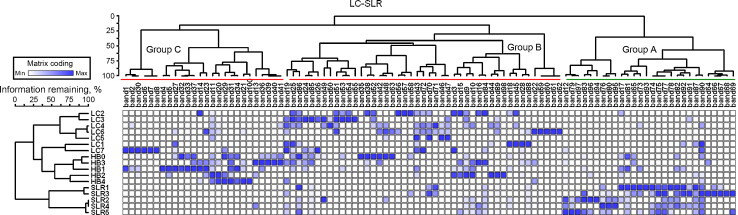
In this study, determination of heavy metal parameters and microbiological characterization of marine sediments obtained from two heavily polluted sites and one low-grade contaminated reference station at Jiaozhou Bay in China were carried out. The microbial communities found in the sampled marine sediments were studied using PCR-DGGE (denaturing gradient gel electrophoresis) fingerprinting profiles in combination with multivariate analysis. Clustering analysis of DGGE and matrix of heavy metals displayed similar occurrence patterns. On this basis, 17 samples were classified into two clusters depending on the presence or absence of the high level contamination. Moreover, the cluster of highly contaminated samples was further classified into two sub-groups based on the stations of their origin. These results showed that the composition of the bacterial community is strongly influenced by heavy metal variables present in the sediments found in the Jiaozhou Bay. This study also suggested that metagenomic techniques such as PCR-DGGE fingerprinting in combination with multivariate analysis is an efficient method to examine the effect of metal contamination on the bacterial community structure.
本研究对取自中国胶州湾两个重度污染站点和一个轻度污染参考站点的海洋沉积物进行了重金属参数测定和微生物特征分析。利用PCR-DGGE(变性梯度凝胶电泳)指纹图谱结合多变量分析,对采样得到的海洋沉积物中的微生物群落进行了研究。DGGE聚类分析和重金属矩阵呈现出相似的分布模式。在此基础上,根据是否存在高污染水平,将17个样本分为两类。此外,高污染样本类又根据其来源站点进一步分为两个亚组。这些结果表明,胶州湾沉积物中存在的重金属变量对细菌群落组成有强烈影响。本研究还表明,诸如PCR-DGGE指纹图谱结合多变量分析等宏基因组技术是检验金属污染对细菌群落结构影响的有效方法。