Zhang Yanhui, Sun Baocun, Zhao Xiulan, Sun Huizhi, Cui Wei, Liu Zhiyong, Yao Xin, Dong Xueyi
Department of Pathology, Tianjin Cancer Hospital, Tianjin Medical University, Tianjin, 300060, China.
Department of Pathology, Tianjin Medical University, Tianjin, 300070, China.
J Exp Clin Cancer Res. 2016 Oct 18;35(1):163. doi: 10.1186/s13046-016-0442-8.
Recently, tumor initiating cells (TICs), which possess self-renewal and other stem cell properties, are regarded as the cause of tumor initiation, recurrence and metastasis. The isolation and identification of TICs could help to develop novel therapeutic strategies.
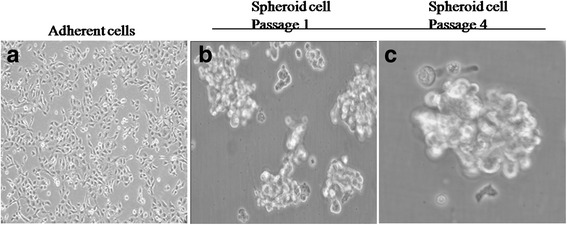
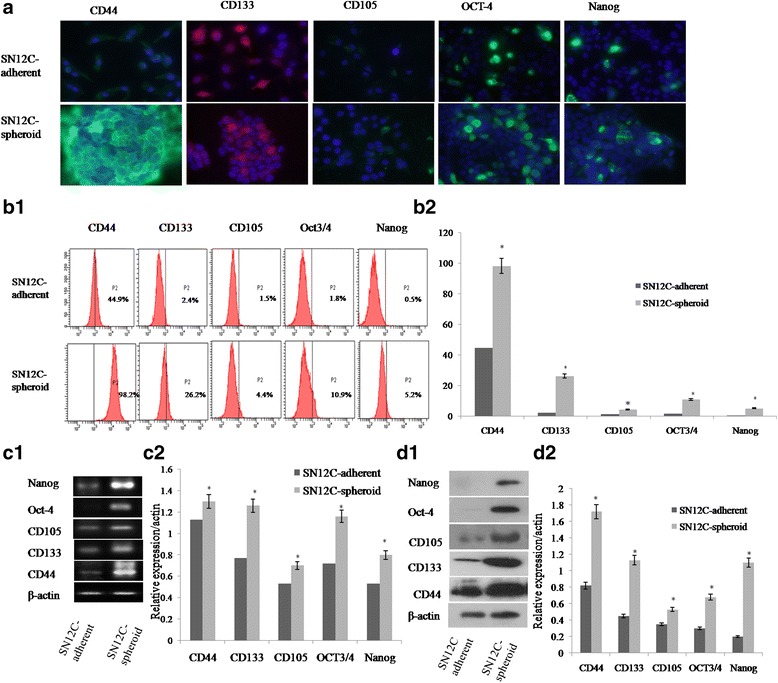
In this study, we isolated spheroid cells from human renal cell carcinoma (RCC) cell line SN12C in stem cell-conditioned medium. The stemness characteristics of spheroid cells, including tumorigenicity, self-renewal, proliferation and aldehyde dehydrogenase (ALDH) activity were evaluated; the expression levels of stemness genes and related proteins were assessed. Furthermore, study examined the differentiation of TICs into endothelial cells and the relationship between TICs and EMT.
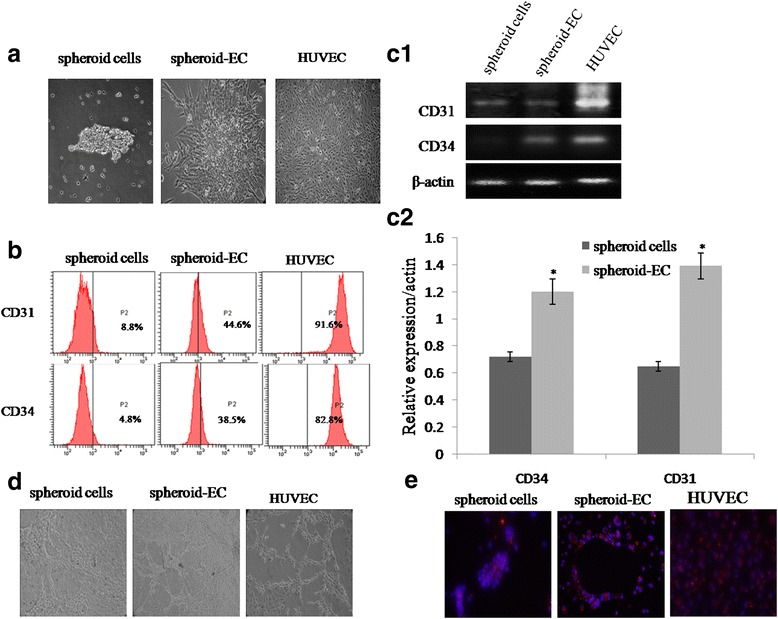
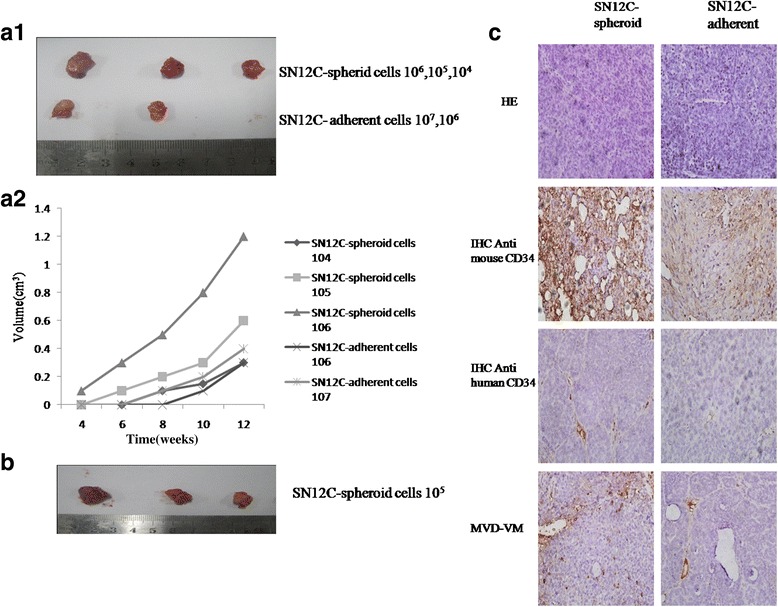
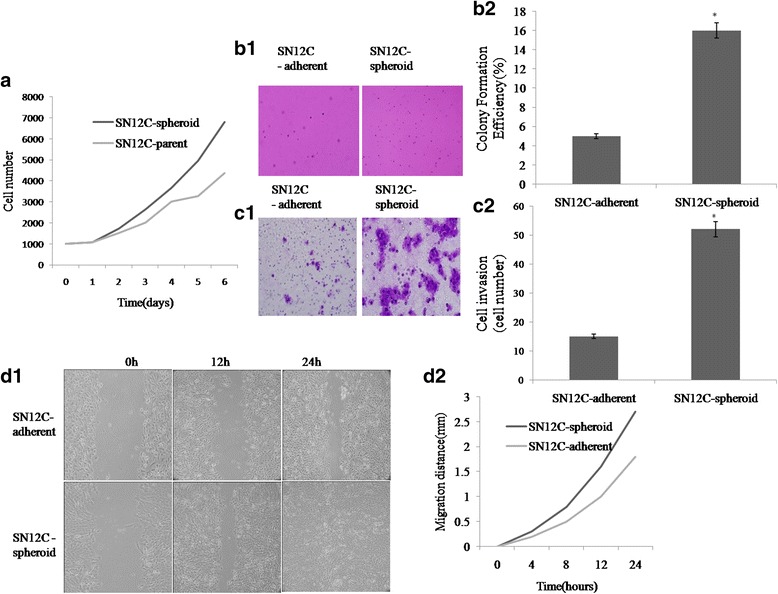
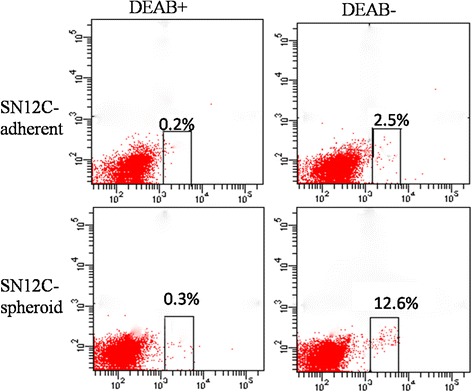
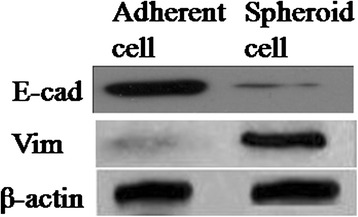
Our data demonstrated that spheroid cells cultured in defined serum-free medium possessed TIC properties, such as high tumorigenic capacity, upregulation of TIC-related genes and proteins, persistent self-renewal and extensive proliferation. Furthermore, spheroid cells were more aggressive in growth, invasion, scratch recovery, clonogenic survival and high aldehyde dehydrogenase (ALDH) activity. Interestingly, a marked increase in tumor vascularity compared to adherent tumors in vivo, and spheroid cells can differentiate into functional endothelial-like cells in vitro suggesting a role of tumor initiating cells in tumor angiogenesis. The spheroid cells also demonstrated down-regulated E-cadherin and up-regulated Vimentin expression, which is the typical phenotype of EMT.
These results suggest that spheroid cells with tumor initiating cells-like characteristics contributed to tumor generation, progression, high tumorigenicity, pro-angiogenic capability and relationship with EMT. Further experiments using more refined selection criteria such as a combination of two or multiple markers would be useful to specifically identify and purify TICs.
近年来,具有自我更新及其他干细胞特性的肿瘤起始细胞(TICs)被视为肿瘤发生、复发和转移的根源。TICs的分离和鉴定有助于开发新的治疗策略。
在本研究中,我们在干细胞条件培养基中从人肾细胞癌(RCC)细胞系SN12C中分离出球形细胞。评估了球形细胞的干性特征,包括致瘤性、自我更新、增殖和醛脱氢酶(ALDH)活性;评估了干性基因和相关蛋白的表达水平。此外,研究检测了TICs向内皮细胞的分化以及TICs与上皮-间质转化(EMT)之间的关系。
我们的数据表明,在限定的无血清培养基中培养的球形细胞具有TIC特性,如高致瘤能力、TIC相关基因和蛋白的上调、持续的自我更新和广泛的增殖。此外,球形细胞在生长、侵袭、划痕修复、克隆形成存活和高醛脱氢酶(ALDH)活性方面更具侵袭性。有趣的是,与体内贴壁肿瘤相比,肿瘤血管明显增加,并且球形细胞在体外可分化为功能性内皮样细胞,提示肿瘤起始细胞在肿瘤血管生成中起作用。球形细胞还表现出E-钙黏蛋白下调和波形蛋白表达上调,这是EMT的典型表型。
这些结果表明,具有肿瘤起始细胞样特征的球形细胞促成了肿瘤的发生、进展、高致瘤性、促血管生成能力以及与EMT的关系。使用更精细的选择标准(如两种或多种标志物的组合)进行进一步实验,将有助于特异性地鉴定和纯化TICs。