Tate Steven, Namkung Jamie J, Noymer Andrew
Pritzker School of Medicine, University of Chicago , Chicago , IL , United States.
Program in Public Health, University of California , Irvine , CA , United States.
PeerJ. 2016 Oct 4;4:e2531. doi: 10.7717/peerj.2531. eCollection 2016.
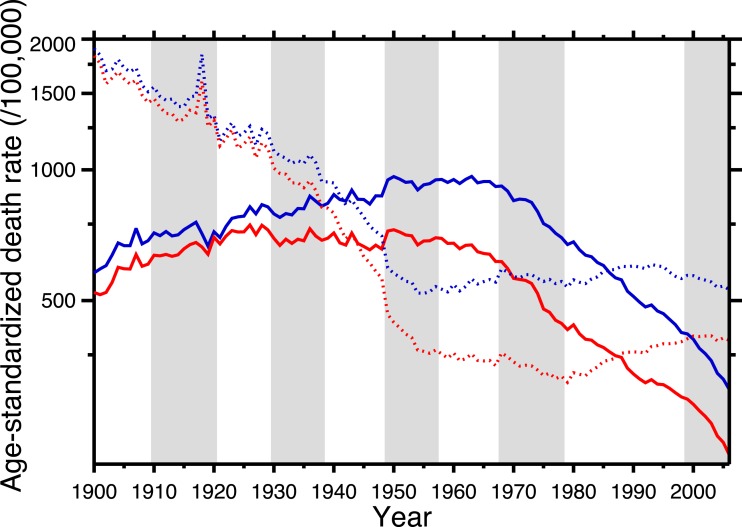
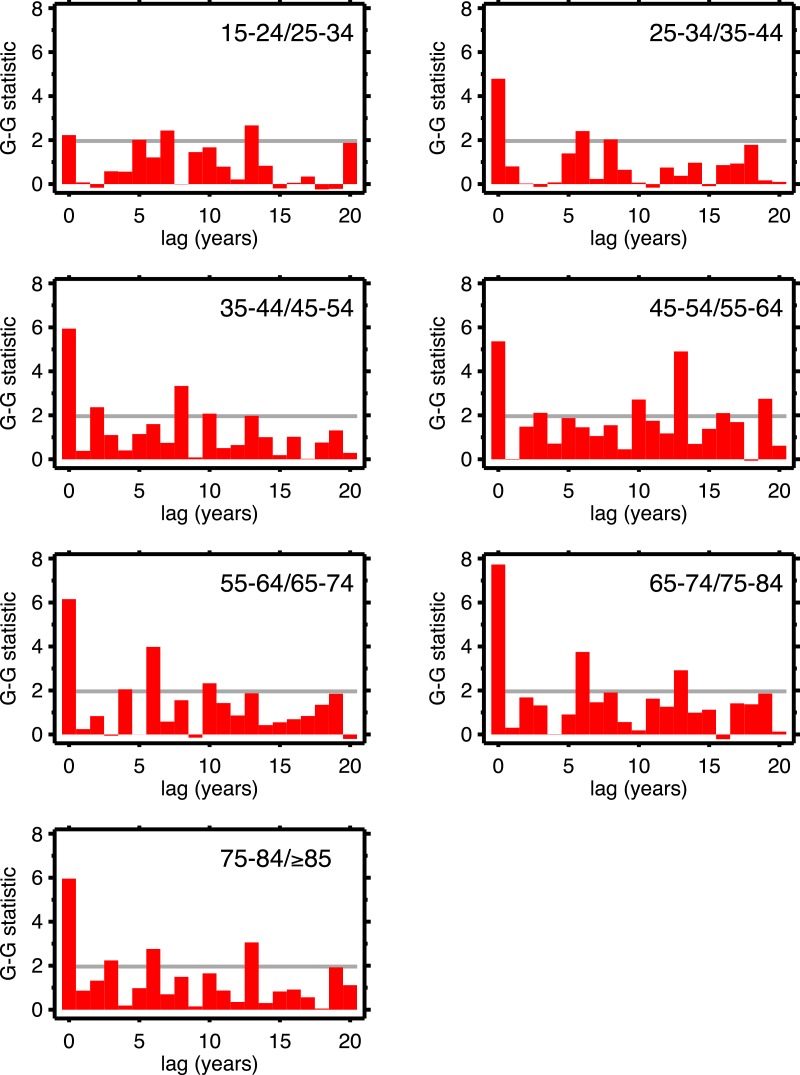
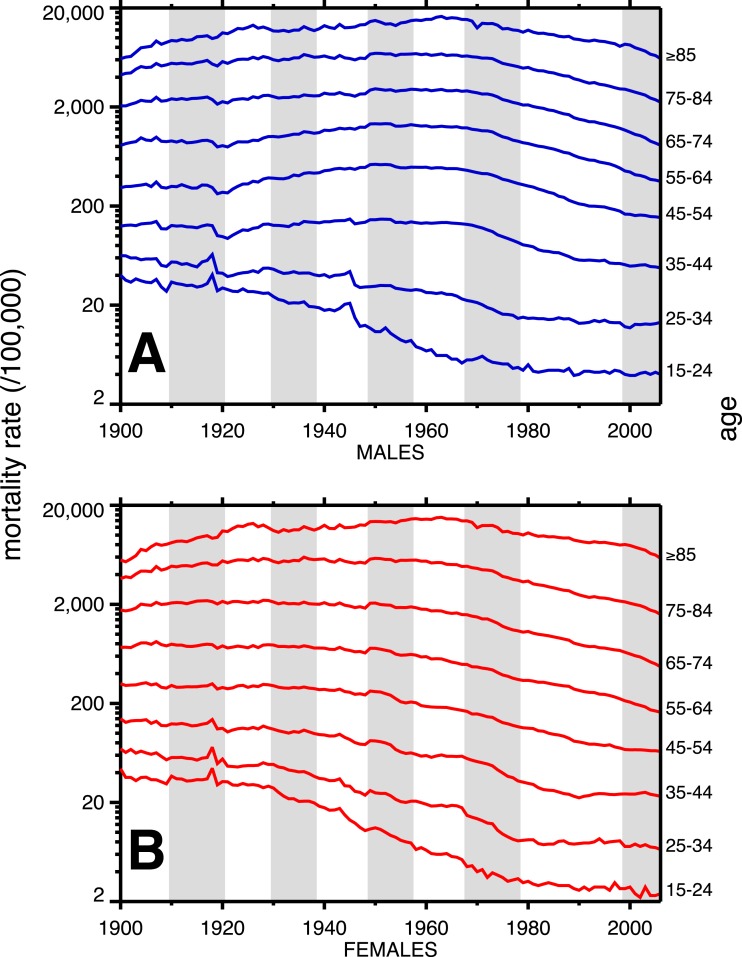
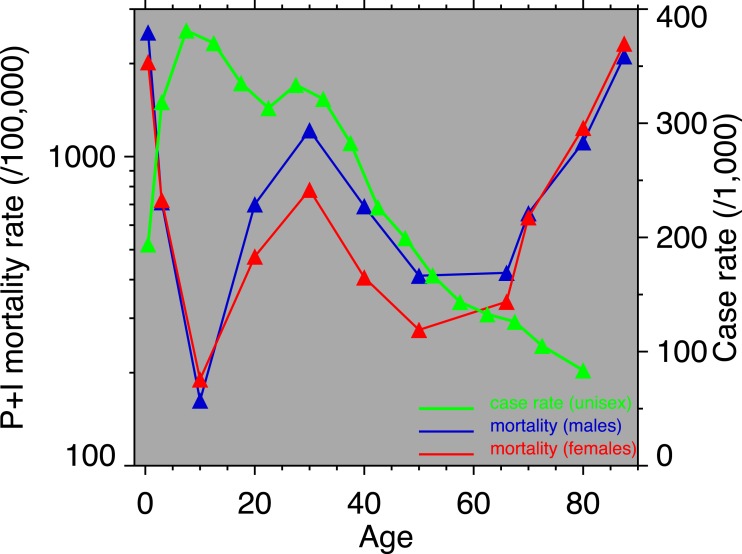
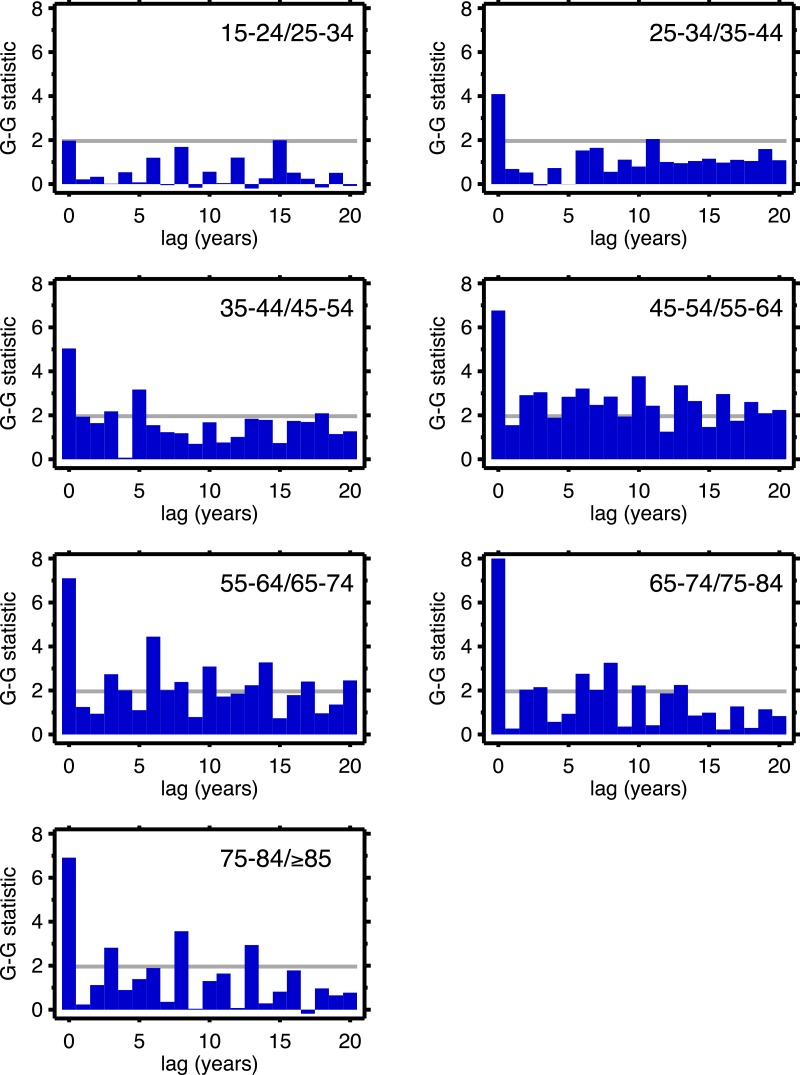
During most of the twentieth century, cardiovascular mortality increased in the United States while other causes of death declined. By 1958, the age-standardized death rate (ASDR) for cardiovascular causes for females was 1.84 times that for all other causes, (and, for males, 1.79×). Although contemporary observers believed that cardiovascular mortality would remain high, the late 1950s and early 1960s turned out to be the peak of a roughly 70-year epidemic. By 1988 for females (1986 for males), a spectacular decline had occurred, wherein the ASDR for cardiovascular causes was less than that for other causes combined. We discuss this phenomenon from a demographic point of view. We also test a hypothesis from the literature, that the 1918 influenza pandemic caused the cardiovascular mortality epidemic; we fail to find support.
在20世纪的大部分时间里,美国心血管疾病死亡率上升,而其他死因的死亡率则下降。到1958年,女性心血管疾病的年龄标准化死亡率(ASDR)是所有其他死因的1.84倍(男性为1.79倍)。尽管当时的观察家认为心血管疾病死亡率将居高不下,但20世纪50年代末和60年代初却是一场持续约70年的流行病的高峰期。到1988年(女性)和1986年(男性),心血管疾病死亡率出现了显著下降,心血管疾病的年龄标准化死亡率低于其他死因的总和。我们从人口统计学角度讨论这一现象。我们还检验了文献中的一个假设,即1918年的流感大流行导致了心血管疾病死亡率的流行,但未找到支持证据。