Yiu Glenn, Tieu Eric, Nguyen Anthony T, Wong Brittany, Smit-McBride Zeljka
Department of Ophthalmology & Vision Science, University of California, Davis, Sacramento, California, United States.
Duke University, Durham, North Carolina, United States.
Invest Ophthalmol Vis Sci. 2016 Oct 1;57(13):5490-5497. doi: 10.1167/iovs.16-20296.
To employ type II clustered regularly interspaced short palindromic repeats (CRISPR)-Cas9 endonuclease to suppress ocular angiogenesis by genomic disruption of VEGF-A in human RPE cells.
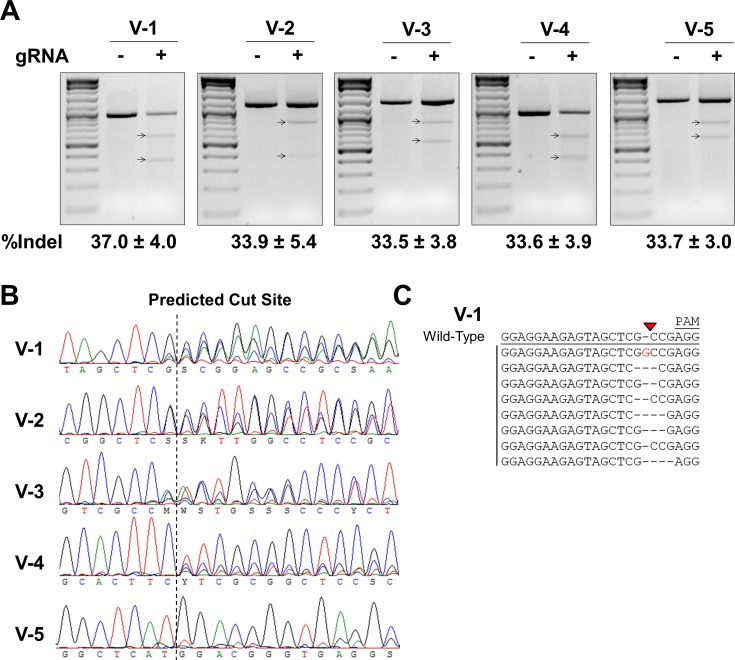
CRISPR sequences targeting exon 1 of human VEGF-A were computationally identified based on predicted Cas9 on- and off-target probabilities. Single guide RNA (gRNA) cassettes with these target sequences were cloned into lentiviral vectors encoding the Streptococcuspyogenes Cas9 endonuclease (SpCas9) gene. The lentiviral vectors were used to infect ARPE-19 cells, a human RPE cell line. Frequency of insertion or deletion (indel) mutations was assessed by T7 endonuclease 1 mismatch detection assay; mRNA levels were assessed with quantitative real-time PCR; and VEGF-A protein levels were determined by ELISA. In vitro angiogenesis was measured using an endothelial cell tube formation assay.
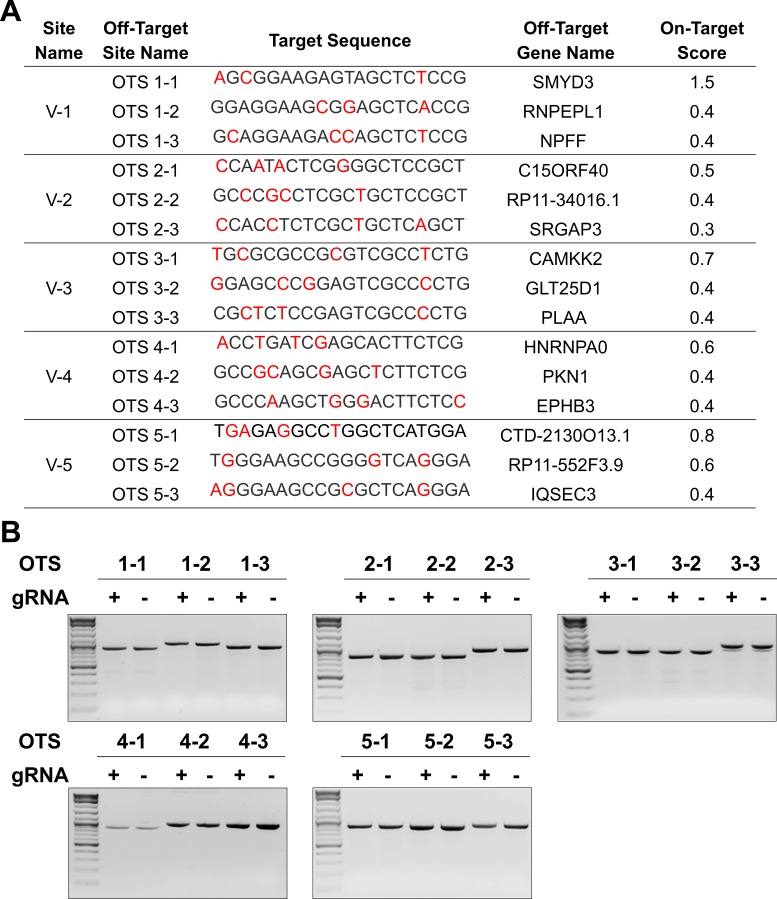
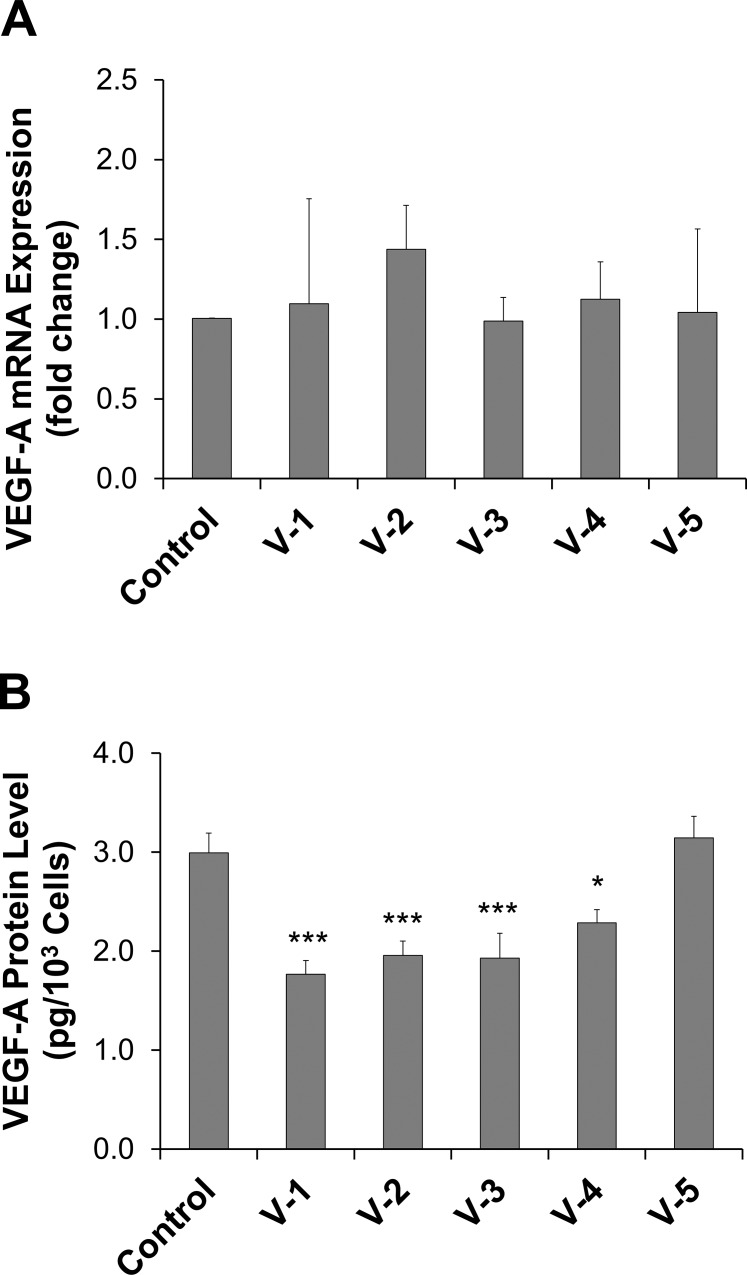
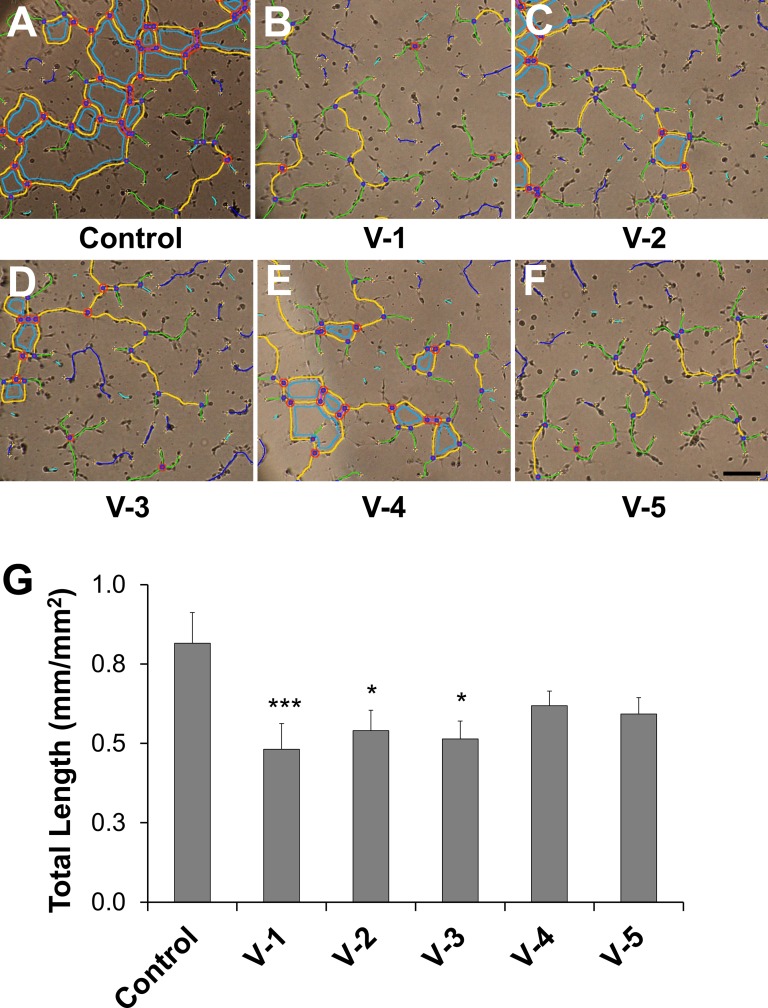
Five gRNAs targeting VEGF-A were selected based on the highest predicted on-target probabilities, lowest off-target probabilities, or combined average of both scores. Lentiviral delivery of the top-scoring gRNAs with SpCas9 resulted in indel formation in the VEGF-A gene at frequencies up to 37.0% ± 4.0% with corresponding decreases in secreted VEGF-A protein up to 41.2% ± 7.4% (P < 0.001), and reduction of endothelial tube formation up to 39.4% ± 9.8% (P = 0.02). No significant indel formation in the top three putative off-target sites tested was detected.
The CRISPR-Cas9 endonuclease system may reduce VEGF-A secretion from human RPE cells and suppress angiogenesis, supporting the possibility of employing gene editing for antiangiogenesis therapy in ocular diseases.
利用II型成簇规律间隔短回文重复序列(CRISPR)-Cas9核酸内切酶,通过对人视网膜色素上皮(RPE)细胞中血管内皮生长因子A(VEGF-A)进行基因组破坏来抑制眼部血管生成。
基于预测的Cas9靶向和脱靶概率,通过计算机识别靶向人VEGF-A外显子1的CRISPR序列。将具有这些靶序列的单向导RNA(gRNA)盒克隆到编码化脓性链球菌Cas9核酸内切酶(SpCas9)基因的慢病毒载体中。慢病毒载体用于感染人RPE细胞系ARPE-19细胞。通过T7核酸内切酶1错配检测法评估插入或缺失(indel)突变的频率;用定量实时PCR评估mRNA水平;通过酶联免疫吸附测定法测定VEGF-A蛋白水平。使用内皮细胞管形成试验测量体外血管生成。
基于最高预测靶向概率、最低脱靶概率或两者分数的综合平均值,选择了5种靶向VEGF-A的gRNA。将得分最高的gRNA与SpCas9进行慢病毒递送,导致VEGF-A基因中indel形成频率高达37.0%±4.0%,分泌的VEGF-A蛋白相应减少高达41.2%±7.4%(P<0.001),内皮管形成减少高达39.4%±9.8%(P=0.02)。在所测试的前三个推定脱靶位点中未检测到明显的indel形成。
CRISPR-Cas9核酸内切酶系统可能减少人RPE细胞中VEGF-A的分泌并抑制血管生成,支持在眼部疾病中采用基因编辑进行抗血管生成治疗的可能性。