Natarajan Kartiga, Gottipati Koteswara R, Berhane Kiflu, Samten Buka, Pendurthi Usha, Boggaram Vijay
Department of Cellular and Molecular Biology, University of Texas Health Science Center at Tyler, 11937 US Highway 271, Tyler, TX, 75708-3154, USA.
Department of Pulmonary Immunology, University of Texas Health Science Center at Tyler, Tyler, TX, USA.
Respir Res. 2016 Oct 22;17(1):137. doi: 10.1186/s12931-016-0455-z.
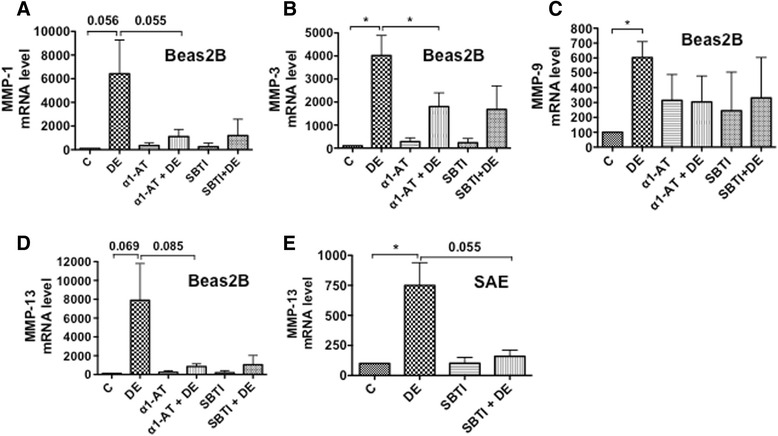
Persistant inflammatory responses to infectious agents and other components in organic dust underlie lung injury and development of respiratory diseases. Organic dust components responsible for eliciting inflammation and the mechanisms by which they cause lung inflammation are not fully understood. We studied the mechanisms by which protease activities in poultry dust extracts and intracellular oxidant stress induce inflammatory gene expression in A549 and Beas2B lung epithelial cells.
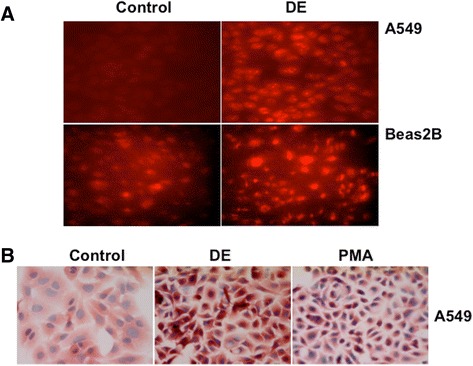
The effects of dust extracts on inflammatory gene expression were analyzed by quantitative polymerase chain reaction (qPCR), enzyme linked immunosorbent (ELISA) and western blot assays. Oxidant stress was probed by dihydroethidium (DHE) labeling, and immunostaining for 4-hydroxynonenal (4-HNE). Effects on interleukin-8 (IL-8) promoter regulation were determined by transient transfection assay.
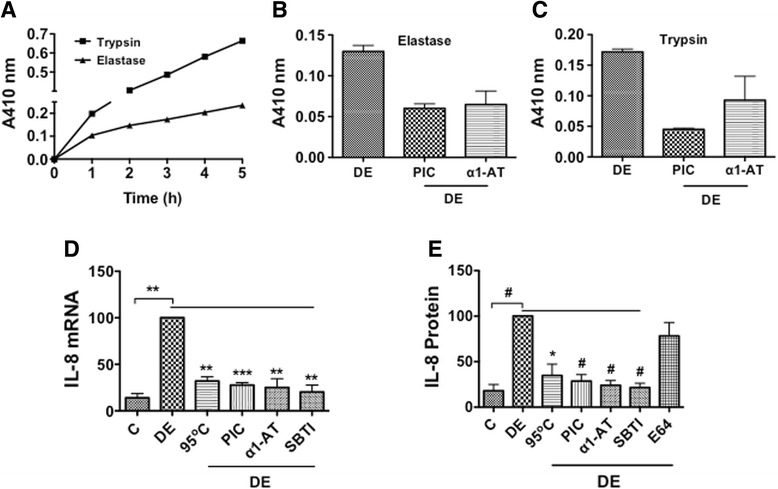
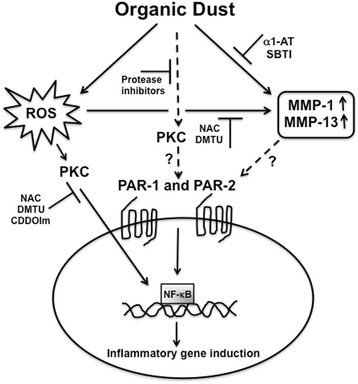
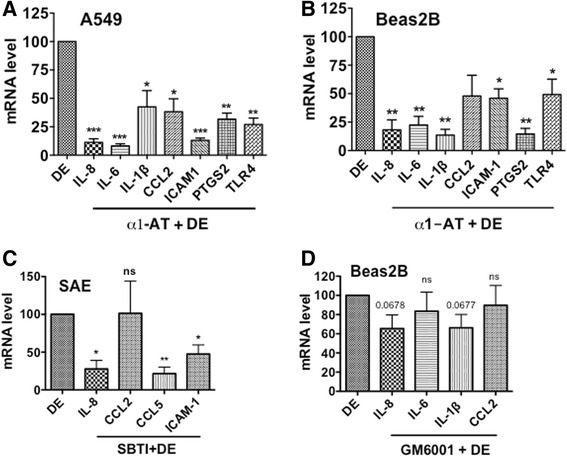
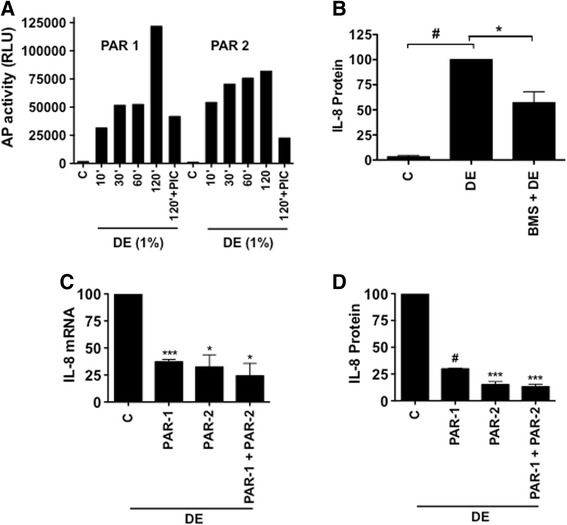
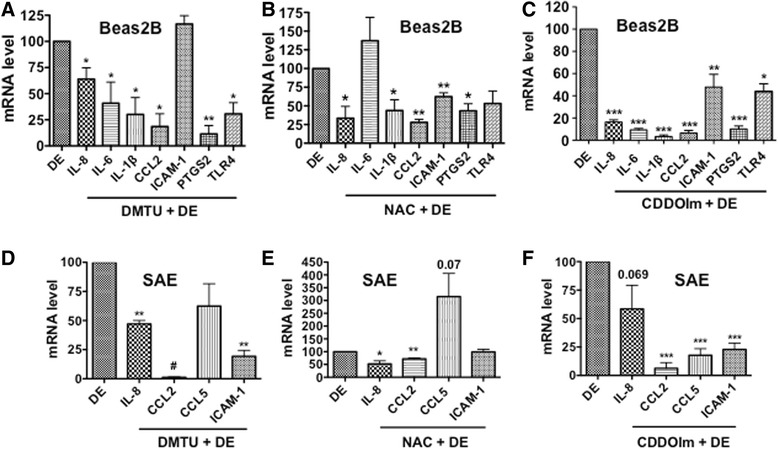
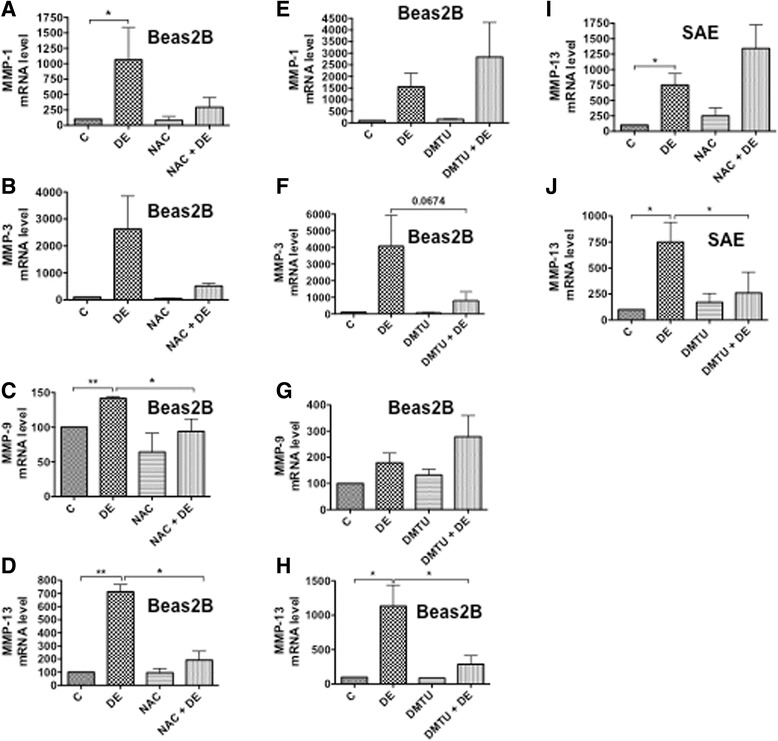
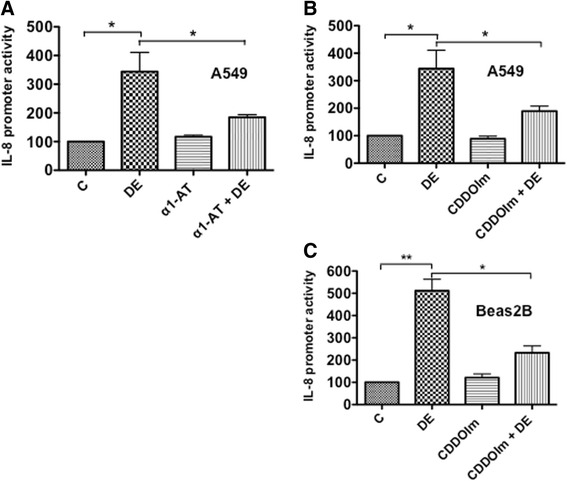
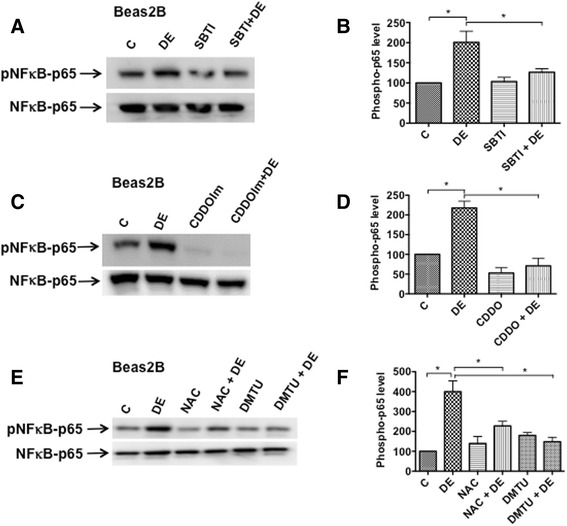
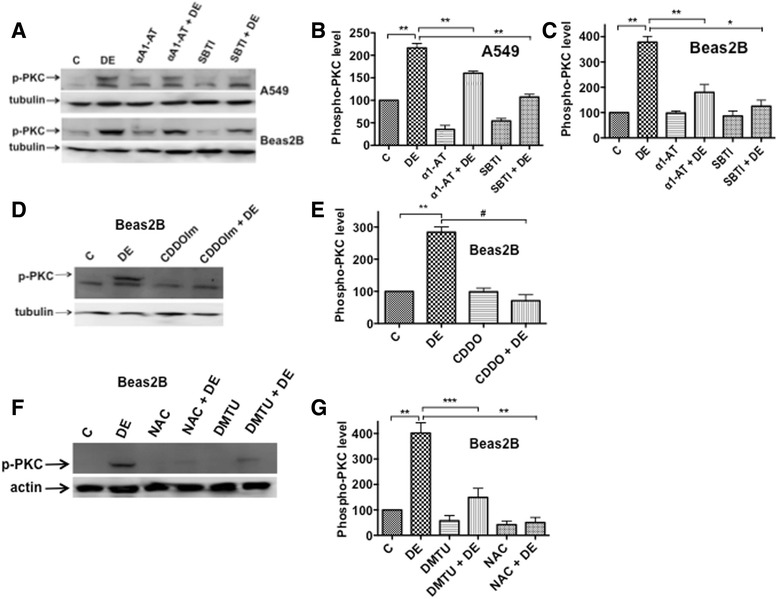
Dust extracts contained trypsin and elastase activities, and activated protease activated receptor (PAR)-1 and -2. Serine protease inhibitors and PAR-1 or PAR-2 knockdown suppressed inflammatory gene induction. Dust extract induction of IL-8 gene expression was associated with increased DHE-fluorescence and 4-HNE staining, and antioxidants suppressed inflammatory gene induction. Protease inhibitors and antioxidants suppressed protein kinase C and NF-κB activation and induction of IL-8 promoter activity in cells exposed to dust extract.
Our studies demonstrate that proteases and intracellular oxidants control organic dust induction of inflammatory gene expression in lung epithelial cells. Targeting proteases and oxidant stress may serve as novel approaches for the treatment of organic dust induced lung diseases. This is the first report on the involvement of oxidant stress in the induction of inflammatory gene expression by organic dust.
对有机粉尘中感染因子及其他成分的持续炎症反应是肺损伤和呼吸系统疾病发展的基础。引发炎症的有机粉尘成分及其导致肺部炎症的机制尚未完全明确。我们研究了家禽粉尘提取物中的蛋白酶活性和细胞内氧化应激诱导A549和Beas2B肺上皮细胞炎症基因表达的机制。
通过定量聚合酶链反应(qPCR)、酶联免疫吸附测定(ELISA)和蛋白质印迹分析来检测粉尘提取物对炎症基因表达的影响。通过二氢乙锭(DHE)标记和4-羟基壬烯醛(4-HNE)免疫染色检测氧化应激。通过瞬时转染试验确定对白细胞介素-8(IL-8)启动子调控的影响。
粉尘提取物含有胰蛋白酶和弹性蛋白酶活性,并激活蛋白酶激活受体(PAR)-1和-2。丝氨酸蛋白酶抑制剂以及PAR-1或PAR-2基因敲低可抑制炎症基因的诱导。粉尘提取物诱导IL-8基因表达与DHE荧光增加和4-HNE染色有关,抗氧化剂可抑制炎症基因的诱导。蛋白酶抑制剂和抗氧化剂可抑制暴露于粉尘提取物的细胞中蛋白激酶C和NF-κB的激活以及IL-8启动子活性的诱导。
我们的研究表明,蛋白酶和细胞内氧化剂可控制有机粉尘诱导肺上皮细胞炎症基因的表达。针对蛋白酶和氧化应激可能是治疗有机粉尘所致肺部疾病的新方法。这是关于氧化应激参与有机粉尘诱导炎症基因表达的首次报道。