Wang Hui, Liu Zheng, Zhang Wenxiu, Yuan Ziao, Yuan Hongyi, Liu Xueting, Yang Chunwen, Guan Weijun
Jinzhou Medical University, Jinzhou, 121001, China.
Institute of Animal Science, Chinese Academy of Agricultural Sciences, Beijing, 100193, China.
Biol Res. 2016 Oct 24;49(1):42. doi: 10.1186/s40659-016-0103-6.
Heavy metals can cause great harm to Siberian tigers in the natural environment. Cadmium (Cd) is an environmental contaminant that affects multiple cellular processes, including cell proliferation, differentiation, and survival. It has been shown to induce apoptosis in a variety of cell types and tissues.
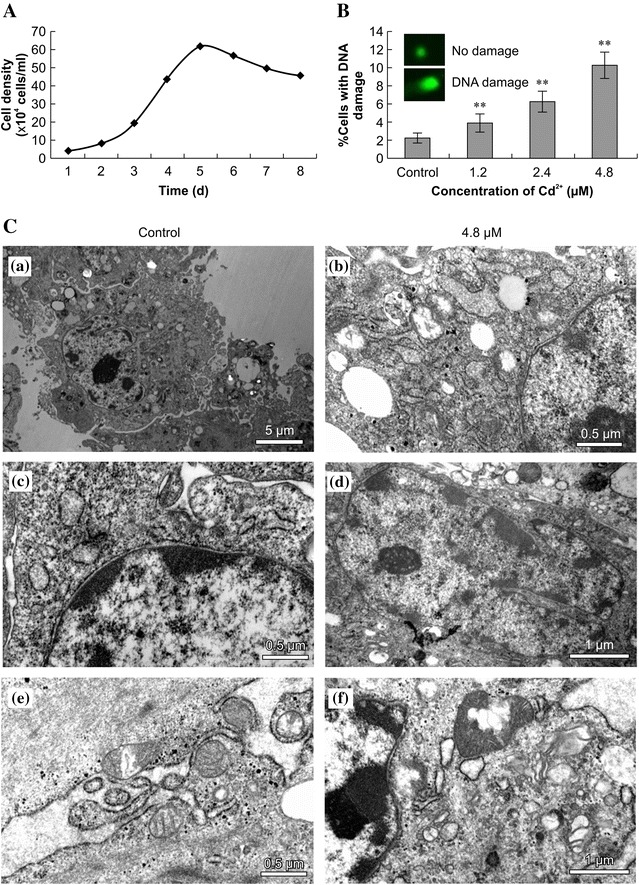
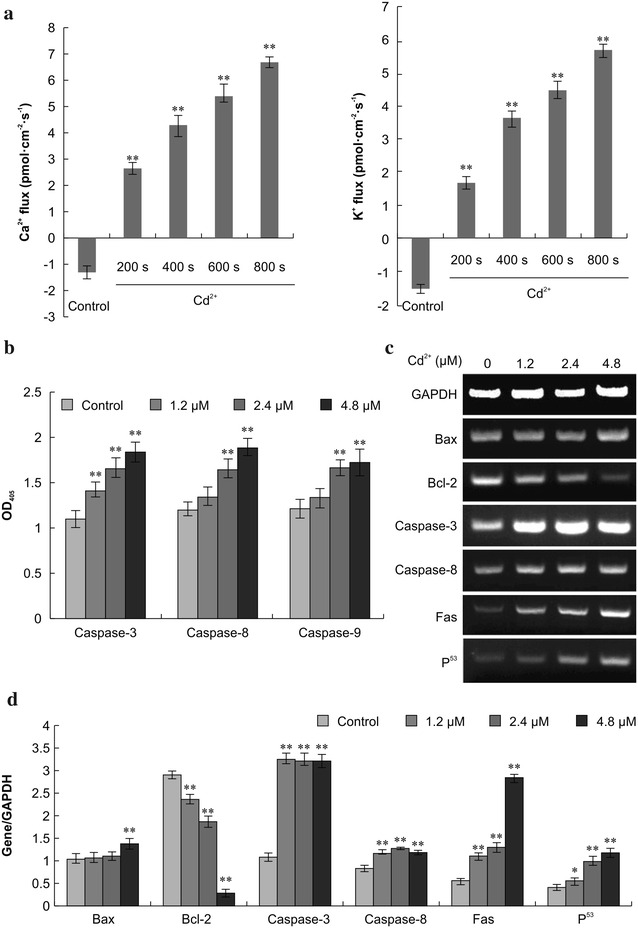
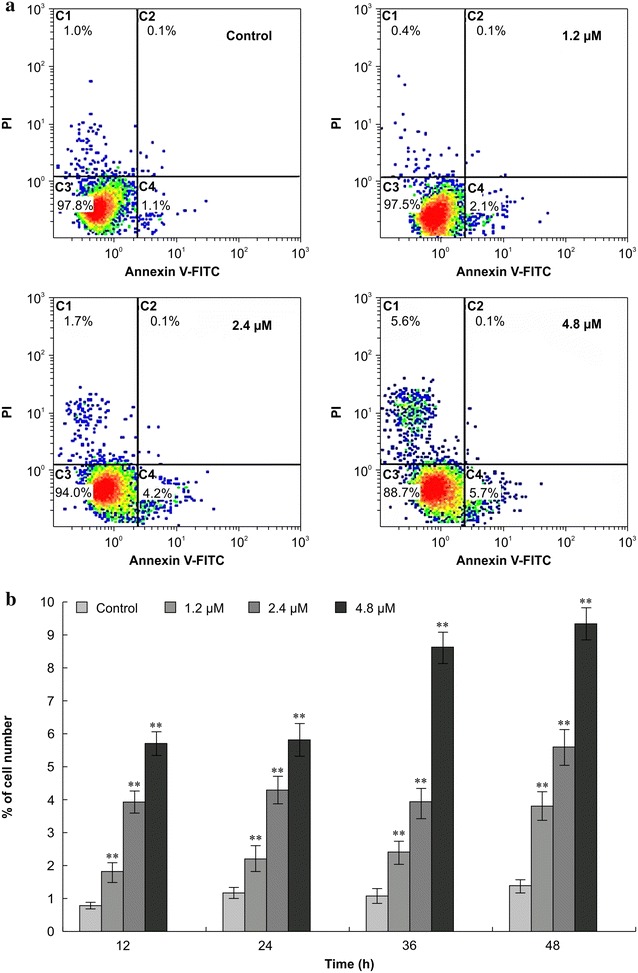
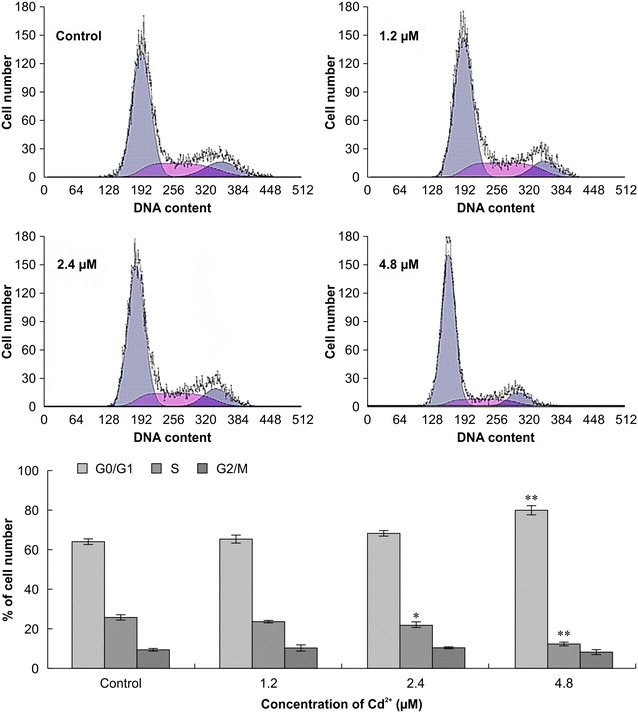
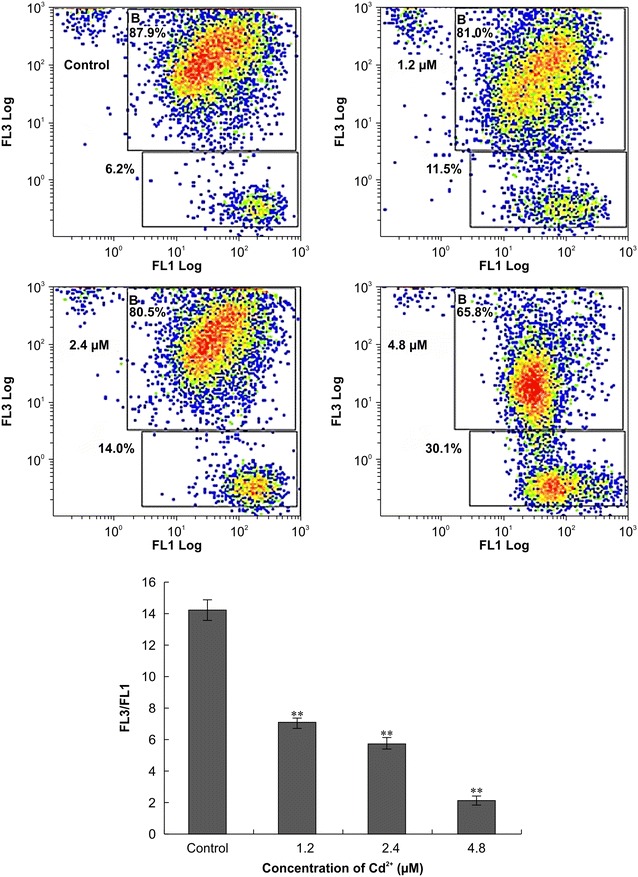
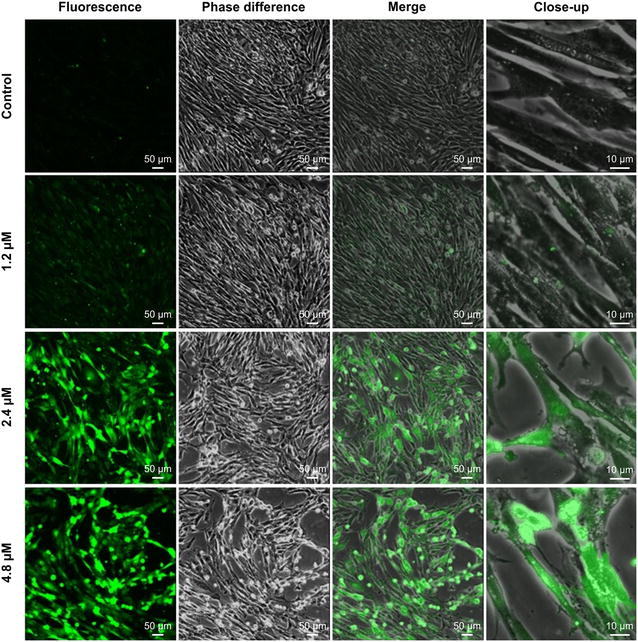
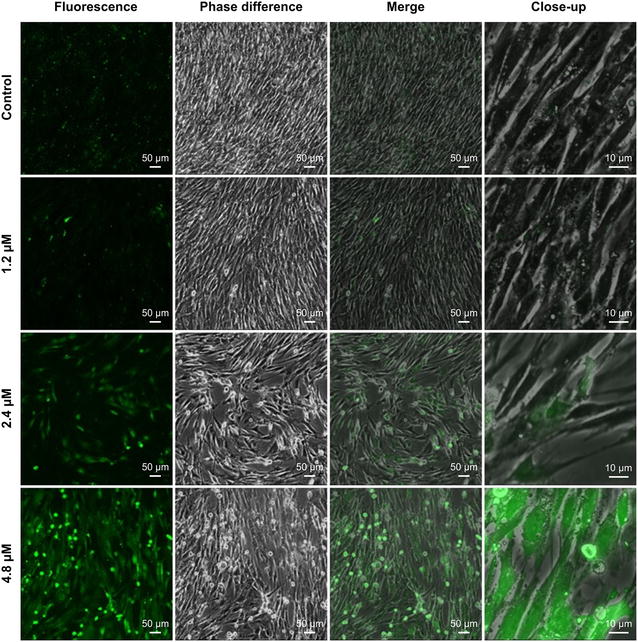
We investigated the apoptotic effects of Cd on Siberian tiger fibroblasts in vitro. Our research revealed the typical signs of apoptosis after Cd exposure. Apoptosis was dose- (0-4.8 μM) and duration-dependent (12-48 h), and proliferation was strongly inhibited. Cd increased the activity of caspase-3, -8, and -9 and disrupted calcium homeostasis by causing oxidative stress and mitochondrial dysfunction. It also increased K efflux and altered the mRNA levels of Bax, Bcl-2, caspase-3, caspase-8, Fas, and p53.
Our results suggest that Cd triggers the apoptosis of Siberian tiger fibroblasts by disturbing intracellular homeostasis. These results will aid in our understanding of the effects of Cd on Siberian tigers and in developing interventions to treat and prevent cadmium poisoning.
重金属会对自然环境中的东北虎造成极大危害。镉(Cd)是一种环境污染物,会影响多种细胞过程,包括细胞增殖、分化和存活。研究表明,它可在多种细胞类型和组织中诱导细胞凋亡。
我们在体外研究了镉对东北虎成纤维细胞的凋亡作用。我们的研究揭示了镉暴露后细胞凋亡的典型特征。细胞凋亡呈剂量(0 - 4.8 μM)和时间依赖性(12 - 48小时),且细胞增殖受到强烈抑制。镉增加了半胱天冬酶-3、-8和-9的活性,并通过引起氧化应激和线粒体功能障碍破坏了钙稳态。它还增加了钾离子外流,并改变了Bax、Bcl-2、半胱天冬酶-3、半胱天冬酶-8、Fas和p53的mRNA水平。
我们的结果表明,镉通过扰乱细胞内稳态触发东北虎成纤维细胞的凋亡。这些结果将有助于我们了解镉对东北虎的影响,并有助于开发治疗和预防镉中毒的干预措施。