Mace Thomas A, Shakya Reena, Pitarresi Jason R, Swanson Benjamin, McQuinn Christopher W, Loftus Shannon, Nordquist Emily, Cruz-Monserrate Zobeida, Yu Lianbo, Young Gregory, Zhong Xiaoling, Zimmers Teresa A, Ostrowski Michael C, Ludwig Thomas, Bloomston Mark, Bekaii-Saab Tanios, Lesinski Gregory B
Divisions of Medical Oncology and Gastroenterology, Department of Internal Medicine, The Ohio State University, Columbus, Ohio, USA.
Comprehensive Cancer Center, The Ohio State University, Columbus, Ohio, USA.
Gut. 2018 Feb;67(2):320-332. doi: 10.1136/gutjnl-2016-311585. Epub 2016 Oct 21.
Limited efficacy of immune checkpoint inhibitors in pancreatic ductal adenocarcinoma (PDAC) has prompted investigation into combination therapy. We hypothesised that interleukin 6 (IL-6) blockade would modulate immunological features of PDAC and enhance the efficacy of anti-programmed death-1-ligand 1 (PD-L1) checkpoint inhibitor therapy.
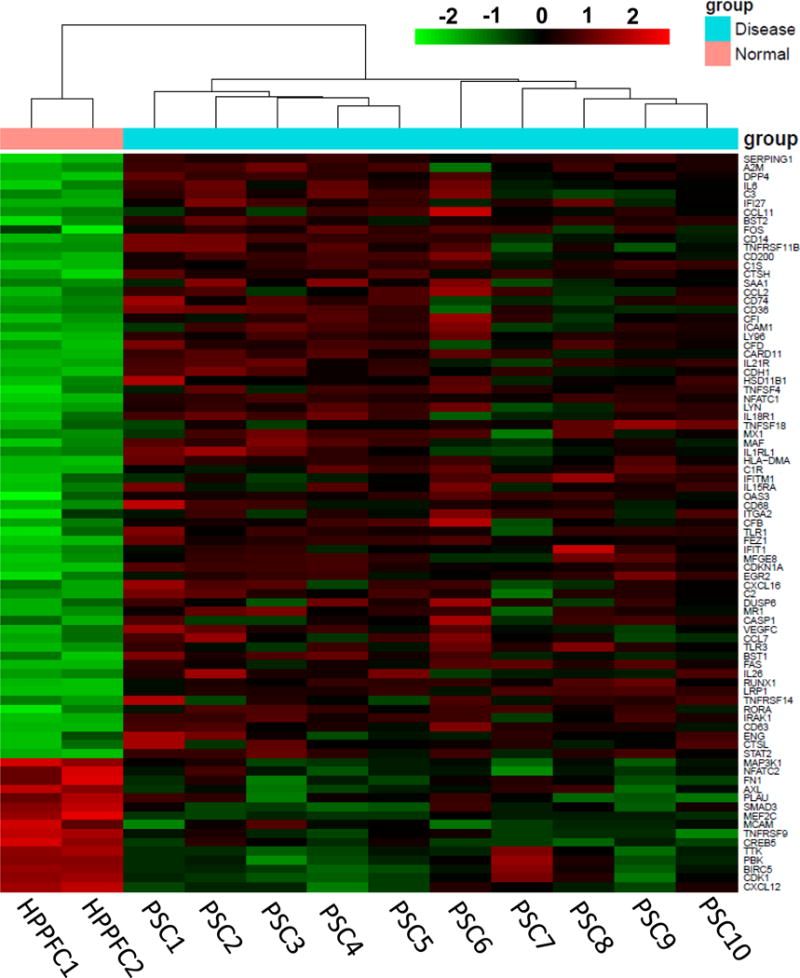
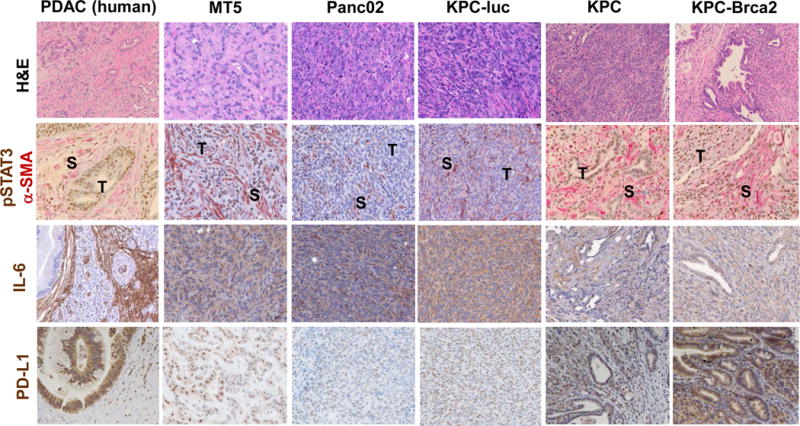
Transcription profiles and IL-6 secretion from primary patient-derived pancreatic stellate cells (PSCs) were analyzed via Nanostring and immunohistochemistry, respectively. In vivo efficacy and mechanistic studies were conducted with antibodies (Abs) targeting IL-6, PD-L1, CD4 or CD8 in subcutaneous or orthotopic models using Panc02, MT5 or KPC-luc cell lines; and the aggressive, genetically engineered PDAC model (Kras, Trp53, Pdx1-cre, Brca2 (KPC-Brca2 mice)). Systemic and local changes in immunophenotype were measured by flow cytometry or immunohistochemical analysis.
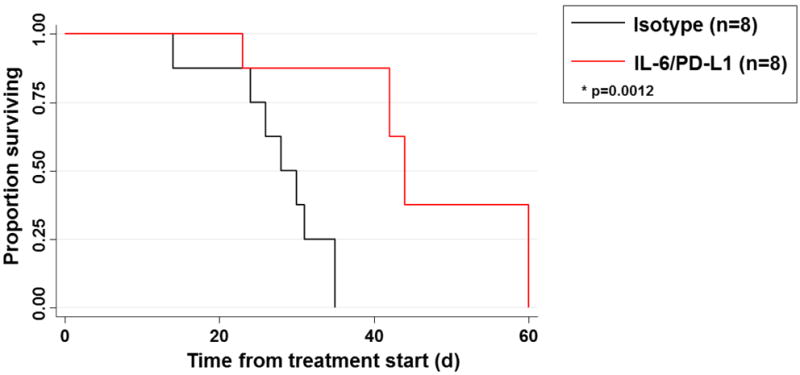
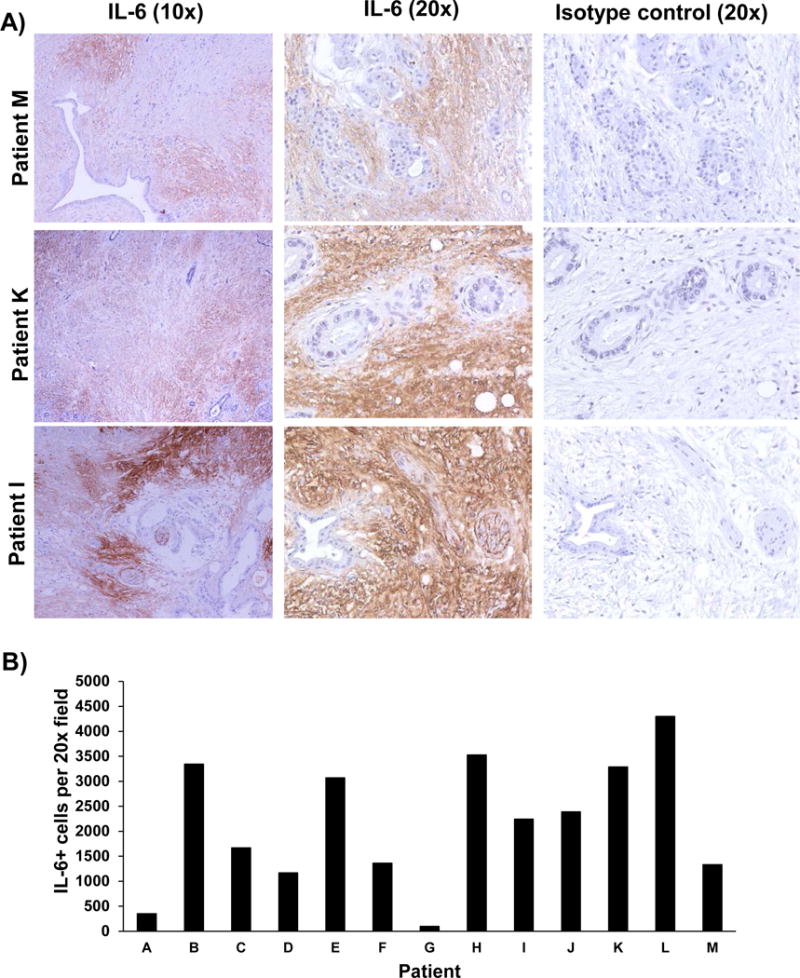
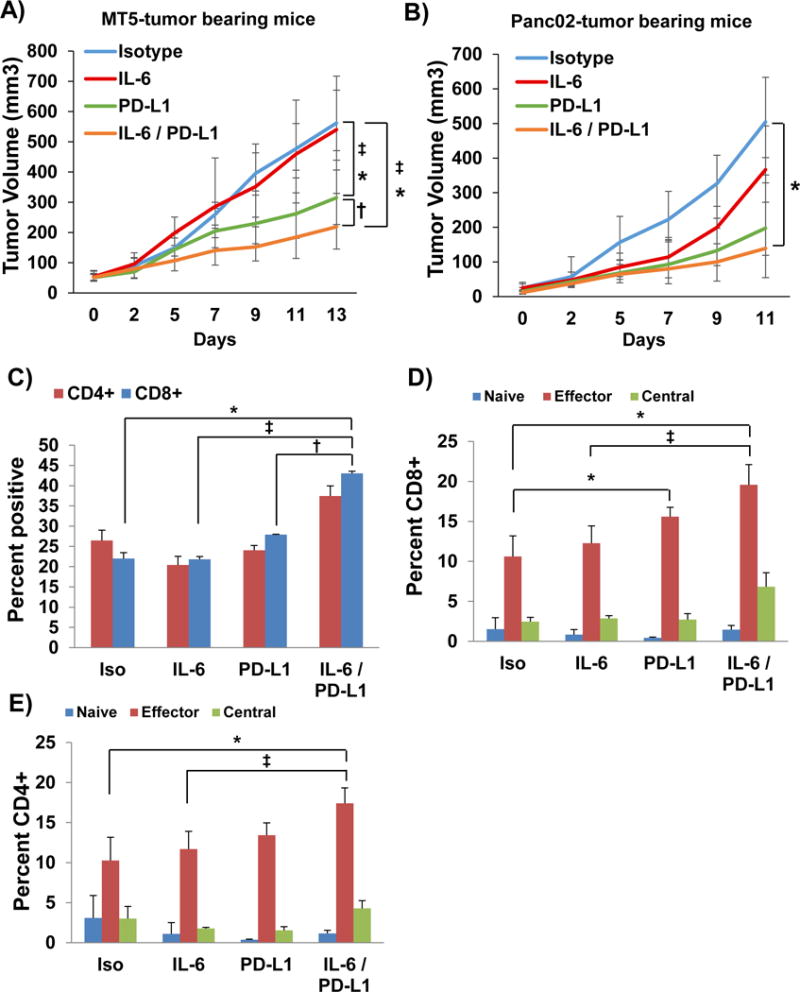
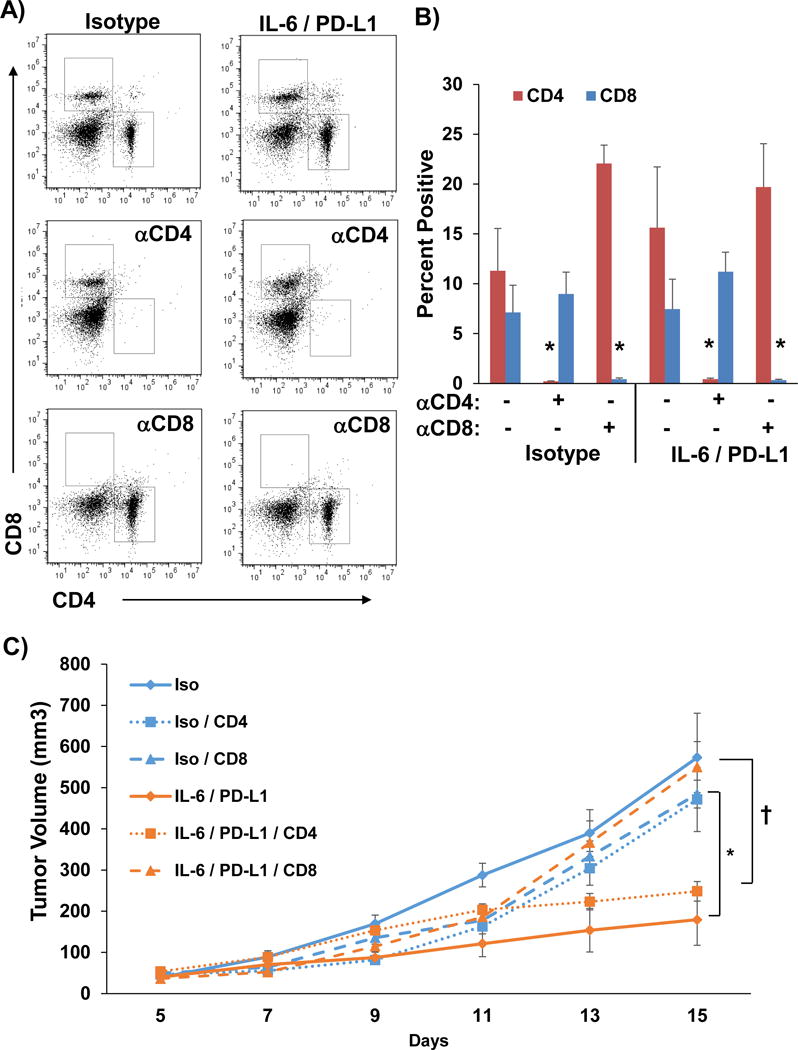
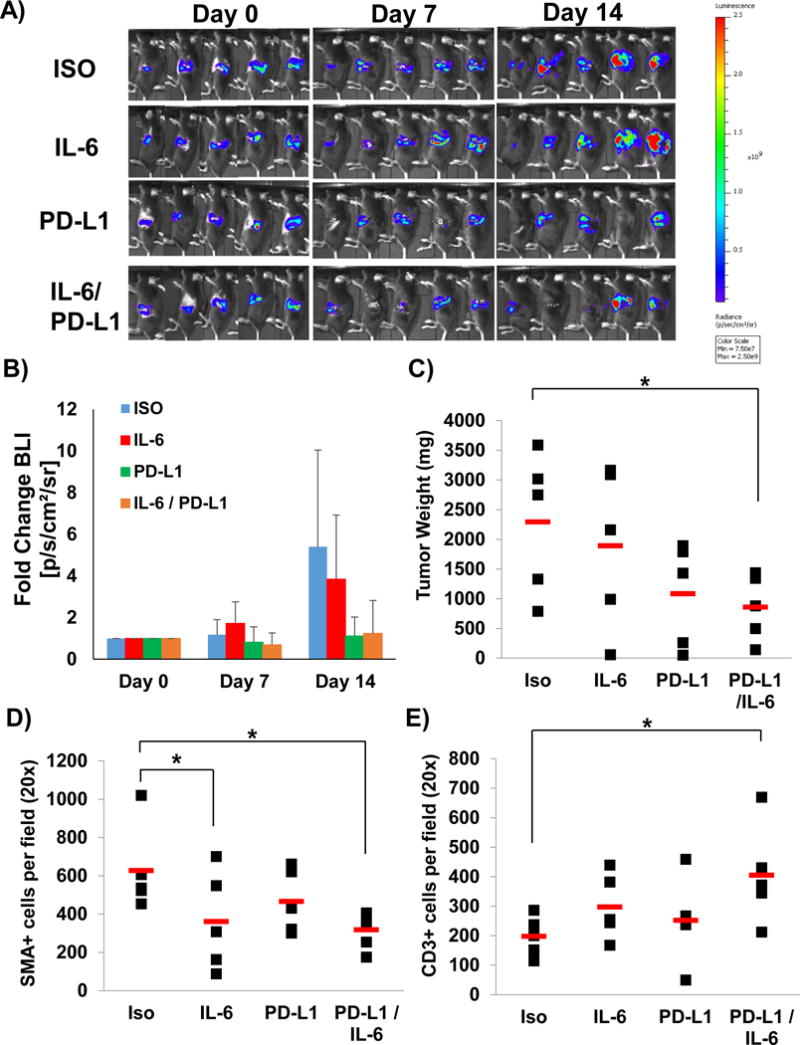
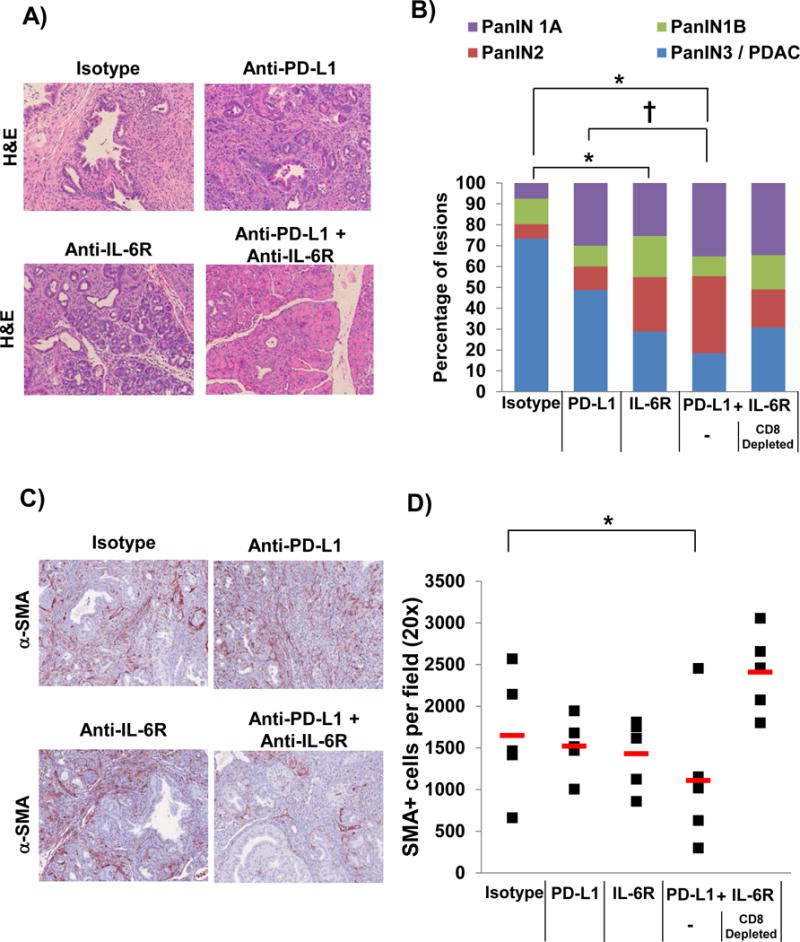
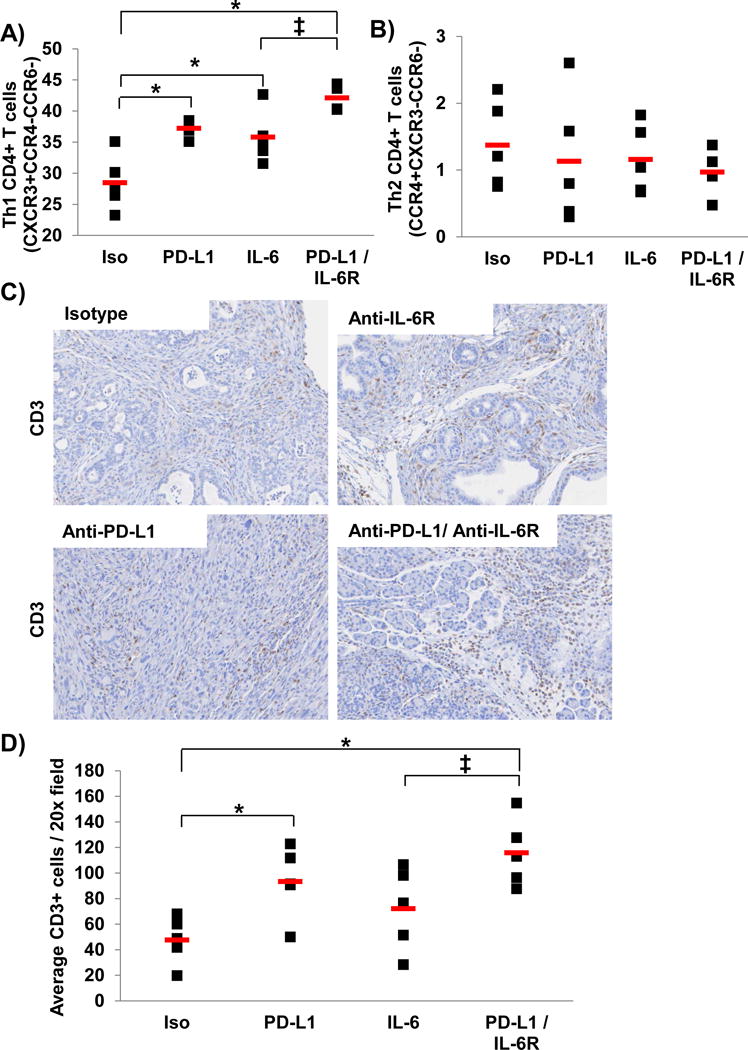
PSCs (n=12) demonstrated prominent IL-6 expression, which was localised to stroma of tumours. Combined IL-6 and PD-L1 blockade elicited efficacy in mice bearing subcutaneous MT5 (p<0.02) and Panc02 tumours (p=0.046), which was accompanied by increased intratumoural effector T lymphocytes (CD62LCD44). CD8-depleting but not CD4-depleting Abs abrogated the efficacy of combined IL-6 and PD-L1 blockade in mice bearing Panc02 tumours (p=0.0016). This treatment combination also elicited significant antitumour activity in mice bearing orthotopic KPC-luc tumours and limited tumour progression in KPC-Brca2 mice (p<0.001). Histological analysis revealed increased T-cell infiltration and reduced α-smooth muscle actin cells in tumours from multiple models. Finally, IL-6 and PD-L1 blockade increased overall survival in KPC-Brca2 mice compared with isotype controls (p=0.0012).
These preclinical results indicate that targeted inhibition of IL-6 may enhance the efficacy of anti-PD-L1 in PDAC.
免疫检查点抑制剂在胰腺导管腺癌(PDAC)中的疗效有限,这促使人们对联合治疗展开研究。我们假设,白细胞介素6(IL-6)阻断可调节PDAC的免疫特征,并增强抗程序性死亡-1配体1(PD-L1)检查点抑制剂治疗的疗效。
分别通过纳米串技术和免疫组织化学分析原发性患者来源的胰腺星状细胞(PSC)的转录谱和IL-6分泌情况。使用Panc02、MT5或KPC-luc细胞系,在皮下或原位模型中用靶向IL-6、PD-L1、CD4或CD8的抗体(Ab)进行体内疗效和机制研究;以及侵袭性基因工程PDAC模型(Kras、Trp53、Pdx1-cre、Brca2(KPC-Brca2小鼠))。通过流式细胞术或免疫组织化学分析测量免疫表型的全身和局部变化。
PSC(n=12)显示出显著的IL-6表达,其定位于肿瘤基质中。联合阻断IL-6和PD-L1对皮下接种MT5(p<0.02)和Panc02肿瘤的小鼠有效(p=0.046),同时肿瘤内效应性T淋巴细胞(CD62LCD44)增加。在接种Panc02肿瘤的小鼠中,耗竭CD8而非耗竭CD4的抗体消除了联合阻断IL-6和PD-L1的疗效(p=0.0016)。这种联合治疗在接种原位KPC-luc肿瘤的小鼠中也引发了显著的抗肿瘤活性,并在KPC-Brca2小鼠中限制了肿瘤进展(p<0.001)。组织学分析显示,多个模型的肿瘤中T细胞浸润增加,α平滑肌肌动蛋白细胞减少。最后,与同型对照相比,阻断IL-6和PD-L1可提高KPC-Brca2小鼠的总生存率(p=0.0012)。
这些临床前结果表明,靶向抑制IL-6可能增强抗PD-L1在PDAC中的疗效。