Laboratory of Connective Tissues Biology, Tour de Pathologie, GIGA-Cancer, University of Liège, Sart-Tilman, Belgium.
PLoS One. 2016 Oct 31;11(10):e0165153. doi: 10.1371/journal.pone.0165153. eCollection 2016.
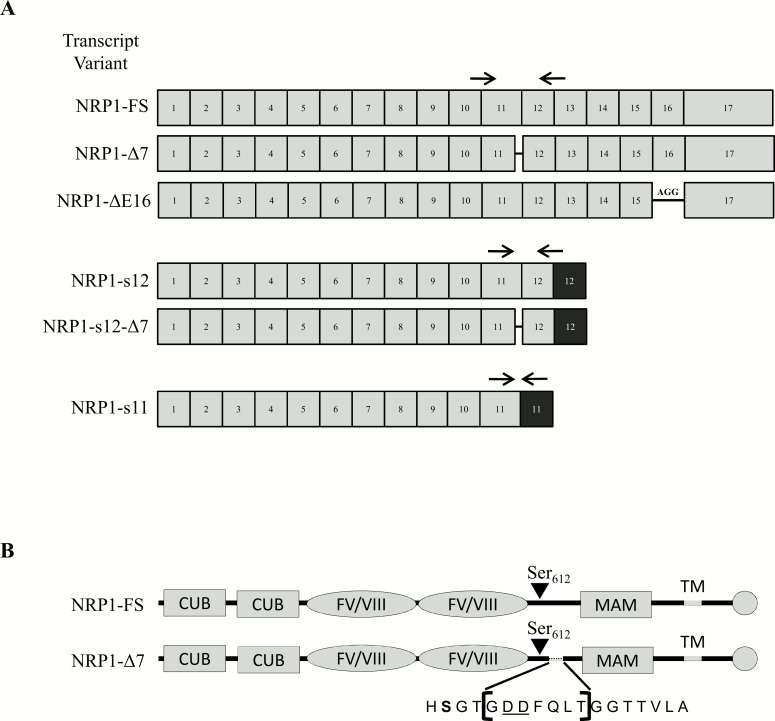
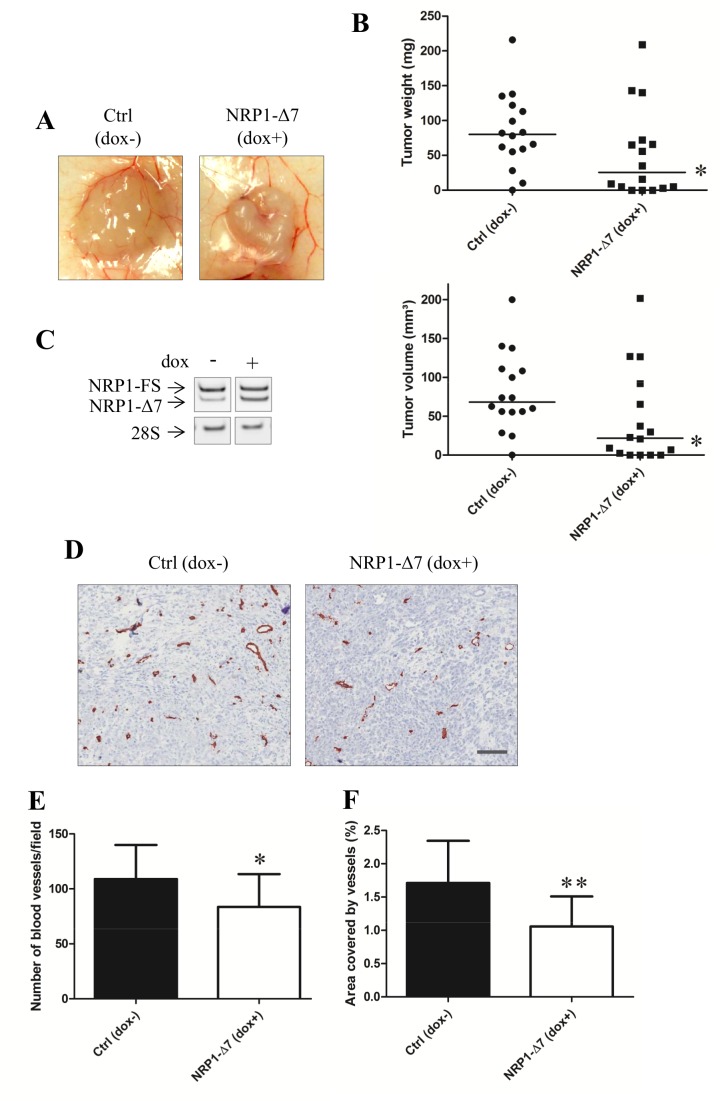
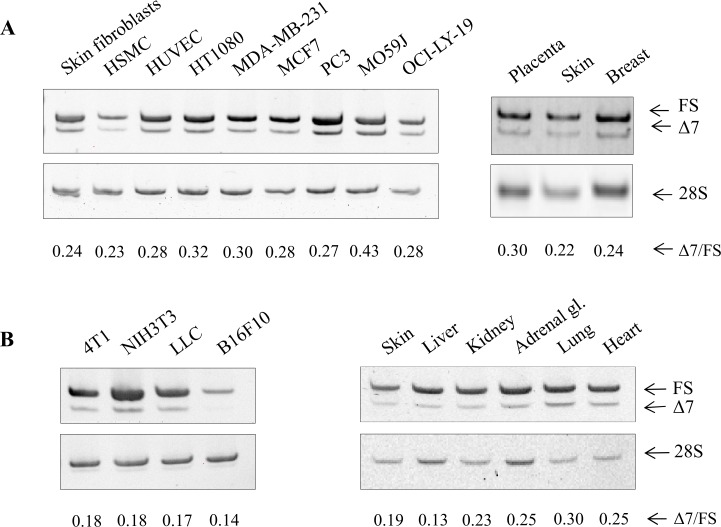
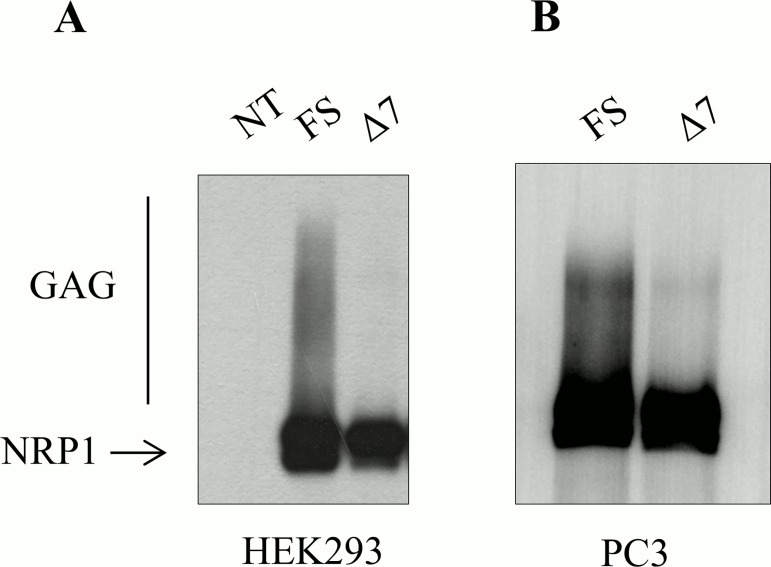
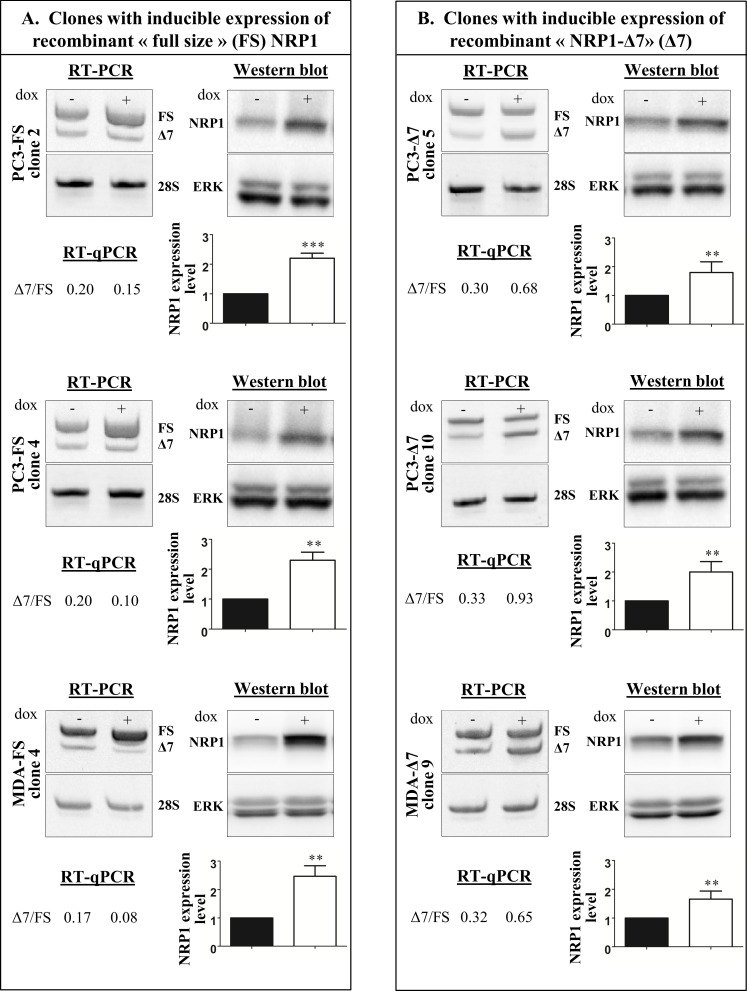
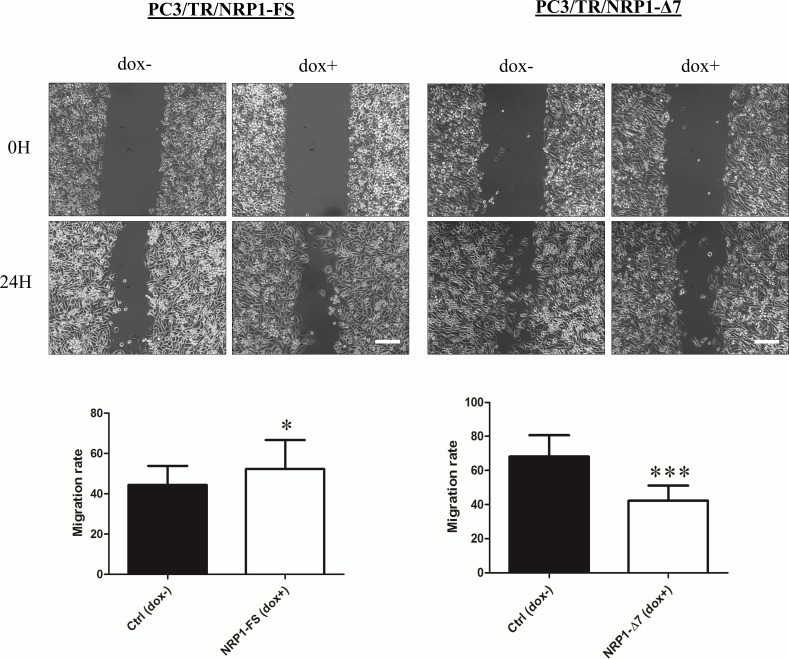
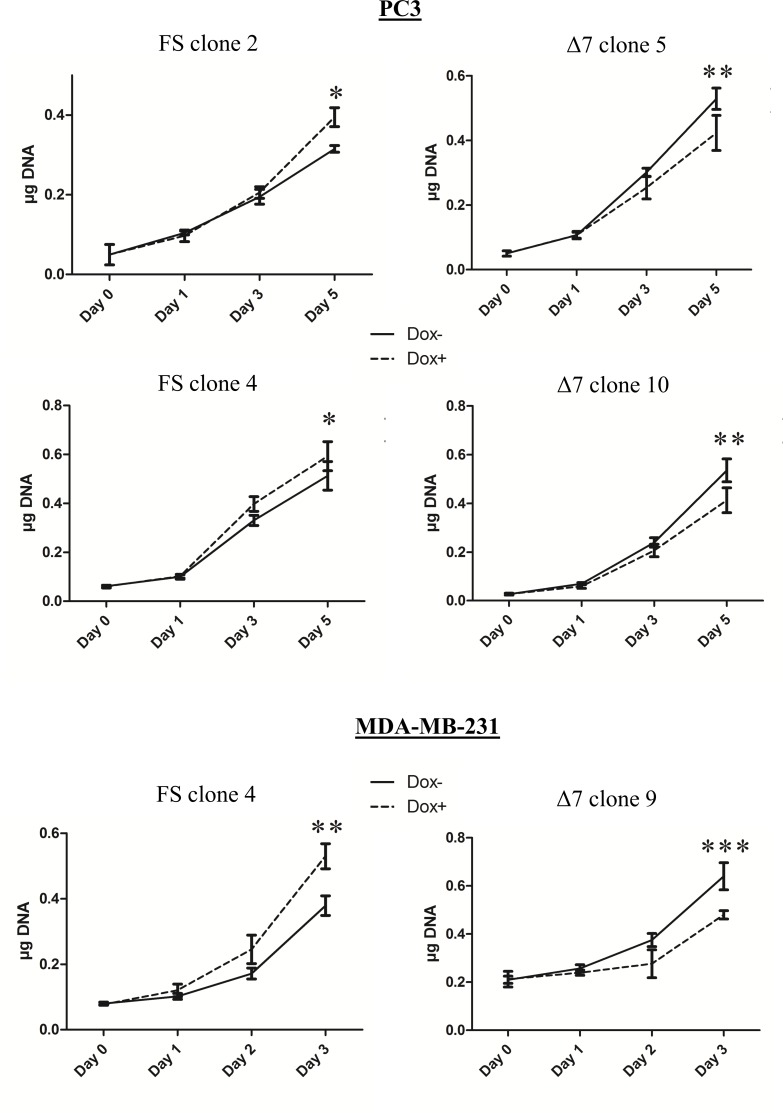
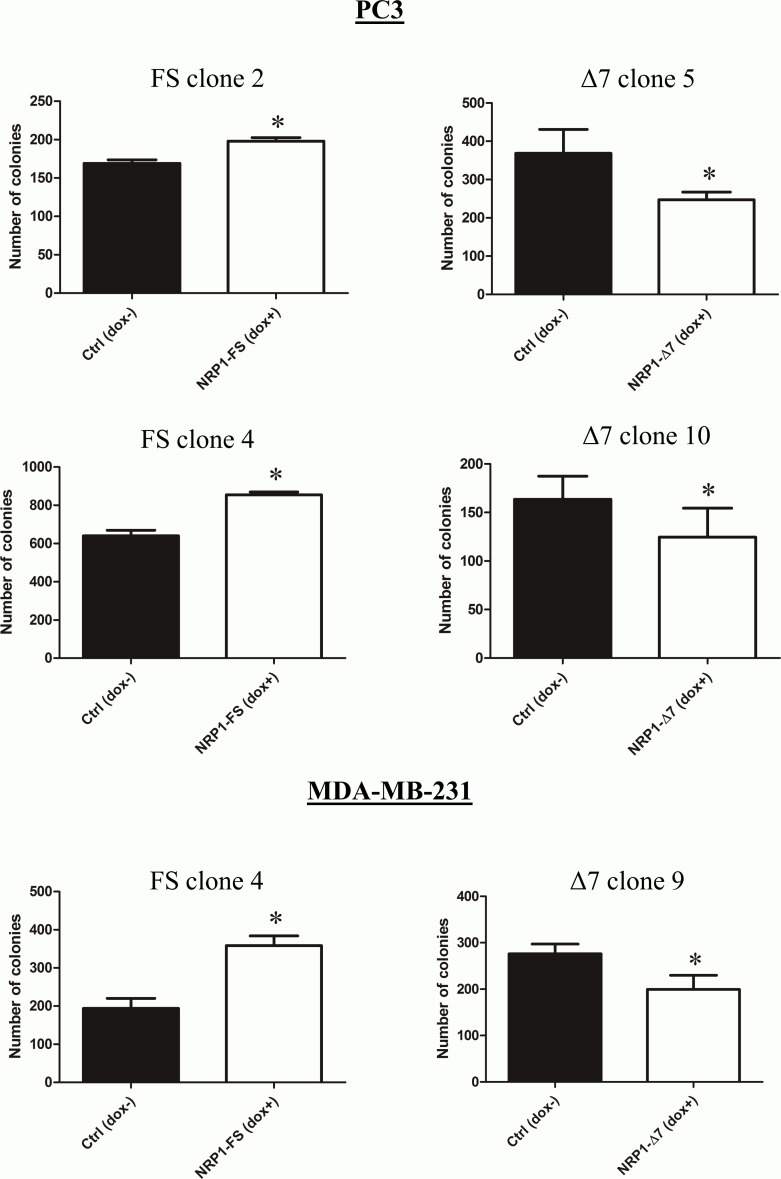
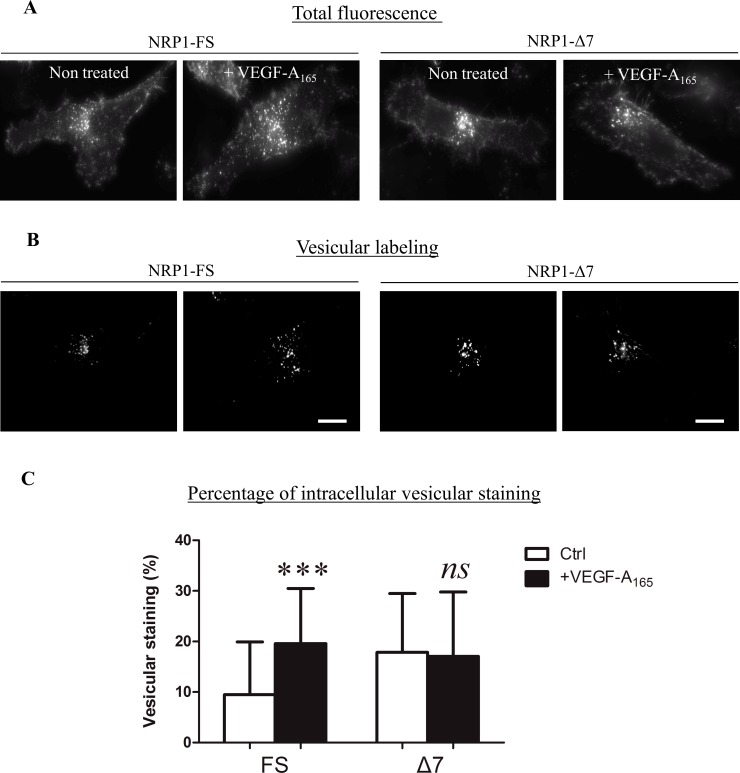
Neuropilin-1 (NRP1) is a transmembrane protein acting as a co-receptor for several growth factors and interacting with other proteins such as integrins and plexins/semaphorins. It is involved in axonal development, angiogenesis and cancer progression. Its primary mRNA is subjected to alternative splicing mechanisms generating different isoforms, some of which lack the transmembrane domain and display antagonist properties to NRP1 full size (FS). NRP1 is further post-translationally modified by the addition of glycosaminoglycans (GAG) side chains through an O-glycosylation site at serine612. Here, we characterized a novel splice variant which has never been investigated, NRP1-Δ7, differing from the NRP1-FS by a deletion of 7 amino acids occurring two residues downstream of the O-glycosylation site. This short sequence contains two aspartic residues critical for efficient glycosylation. As expected, the high molecular weight products appearing as a smear in SDS-PAGE and reflecting the presence of GAG in NRP1-FS were undetectable in the NRP1-Δ7 protein. NRP1-Δ7 mRNA was found expressed at an appreciable level, between 10 and 30% of the total NRP1, by various cells lines and tissues from human and murine origin. To investigate the biological properties of this isoform, we generated prostatic (PC3) and breast (MDA-MB-231) cancer cells able to express recombinant NRP1-FS or NRP1-Δ7 in a doxycycline-inducible manner. Cells with increased expression of NRP1-Δ7 were characterized in vitro by a significant reduction of proliferation, migration and anchorage-independent growth, while NRP1-FS had the expected opposite "pro-tumoral" effects. Upon VEGF-A165 treatment, a lower internalization rate was observed for NRP1-Δ7 than for NRP1-FS. Finally, we showed that NRP1-Δ7 inhibited growth of prostatic tumors and their vascularization in vivo. This report identifies NRP1-Δ7 as a splice variant displaying anti-tumorigenic properties in vitro and in vivo, emphasizing the need to consider this isoform in future studies.
神经纤毛蛋白 1(NRP1)是一种跨膜蛋白,作为几种生长因子的共受体,与整合素和多瘤体/神经鞘磷脂等其他蛋白相互作用。它参与轴突发育、血管生成和癌症进展。其主要 mRNA 经历选择性剪接机制,产生不同的异构体,其中一些缺乏跨膜结构域,并表现出与 NRP1 全长(FS)拮抗的特性。NRP1 还通过丝氨酸 612 处的 O-糖基化位点添加糖胺聚糖(GAG)侧链进行翻译后修饰。在这里,我们描述了一种从未被研究过的新型剪接变体 NRP1-Δ7,与 NRP1-FS 不同之处在于在 O-糖基化位点下游两个残基处缺失 7 个氨基酸。该短序列包含两个天冬氨酸残基,对于高效糖基化至关重要。正如预期的那样,在 SDS-PAGE 中出现弥散条带的高分子量产物反映了 NRP1-FS 中 GAG 的存在,在 NRP1-Δ7 蛋白中无法检测到。NRP1-Δ7 mRNA 在来自人和鼠源的各种细胞系和组织中以相当高的水平表达,约占总 NRP1 的 10%至 30%。为了研究该异构体的生物学特性,我们生成了能够以可诱导的方式表达重组 NRP1-FS 或 NRP1-Δ7 的前列腺(PC3)和乳腺癌(MDA-MB-231)癌细胞。在体外,通过显著降低增殖、迁移和锚定非依赖性生长,来鉴定表达 NRP1-Δ7 增加的细胞,而 NRP1-FS 具有预期的相反的“促肿瘤”作用。在 VEGF-A165 处理后,与 NRP1-FS 相比,NRP1-Δ7 的内化率较低。最后,我们表明 NRP1-Δ7 抑制体内前列腺肿瘤的生长及其血管生成。本报告确定 NRP1-Δ7 是一种剪接变体,在体外和体内均具有抗肿瘤特性,强调需要在未来的研究中考虑这种异构体。