Patel Mira C, Wang Wei, Pletneva Lioubov M, Rajagopala Seesandra V, Tan Yi, Hartert Tina V, Boukhvalova Marina S, Vogel Stefanie N, Das Suman R, Blanco Jorge C G
Sigmovir Biosystems Inc., Rockville, Maryland, United States of America.
Department of Microbiology and Immunology, University of Maryland, Baltimore, Maryland, United States of America.
PLoS One. 2016 Nov 4;11(11):e0166336. doi: 10.1371/journal.pone.0166336. eCollection 2016.
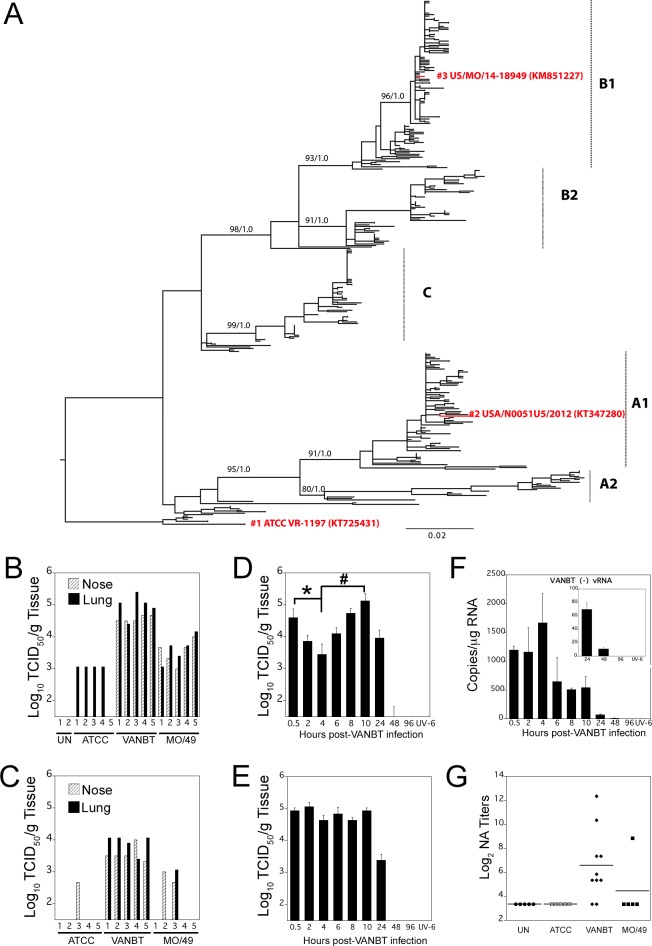
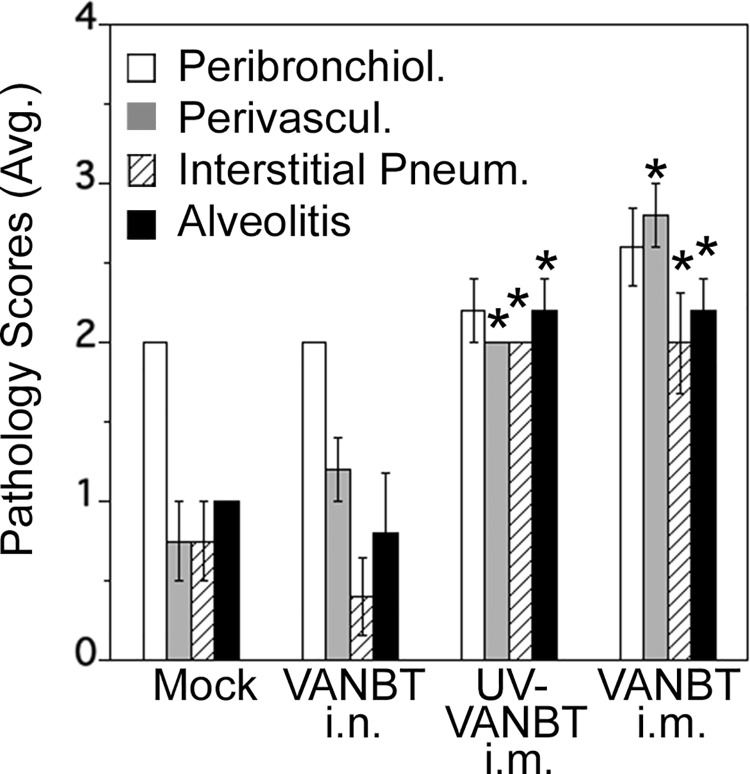
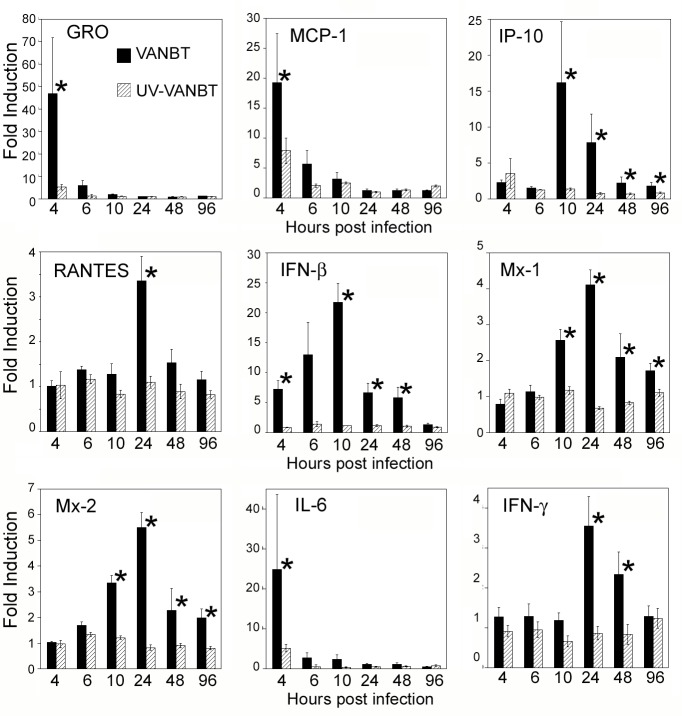
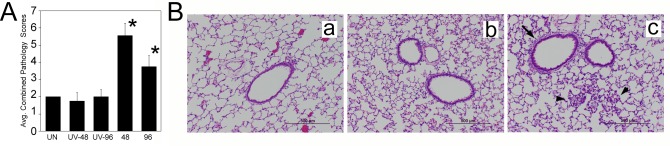
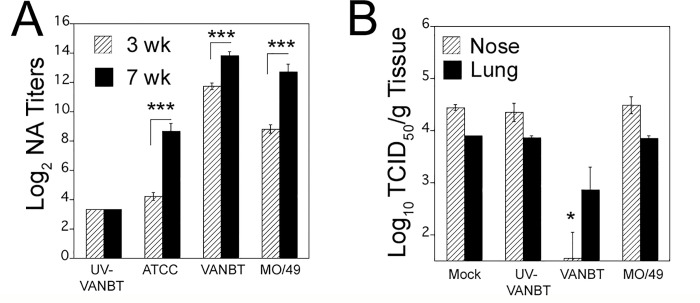
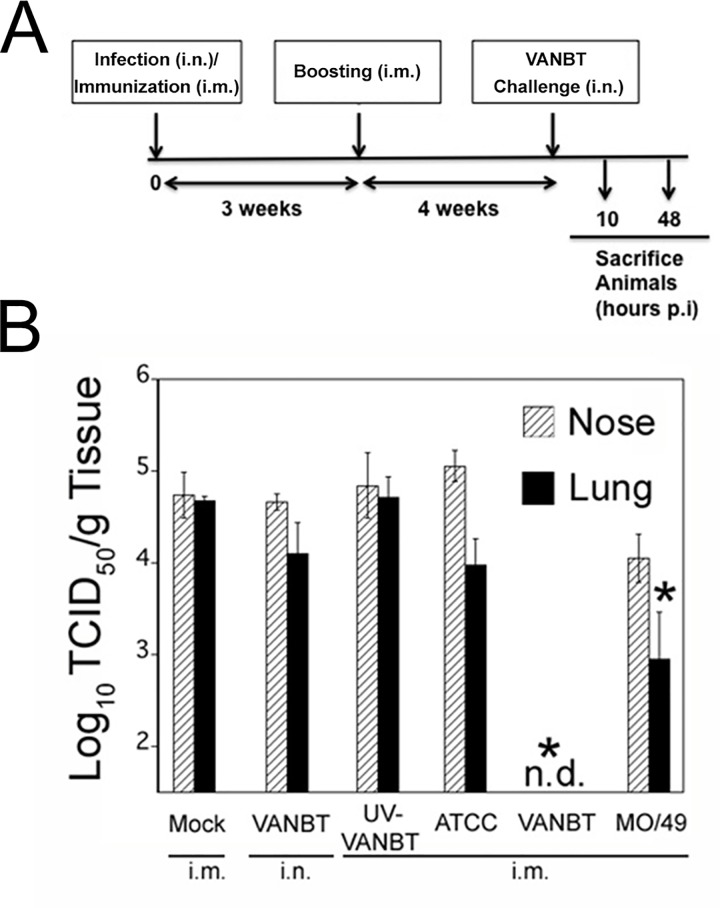
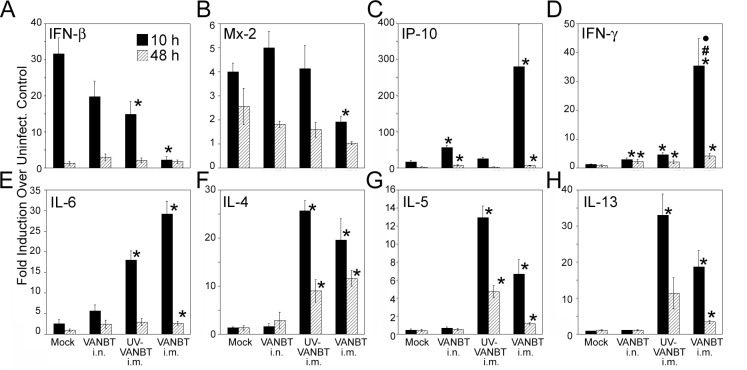
In recent years, there has been a significant increase in detection of Enterovirus D-68 (EV-D68) among patients with severe respiratory infections worldwide. EV-D68 is now recognized as a re-emerging pathogen; however, due to lack of a permissive animal model for EV-D68, a comprehensive understanding of the pathogenesis and immune response against EV-D68 has been hampered. Recently, it was shown that EV-D68 has a strong affinity for α2,6-linked sialic acids (SAs) and we have shown previously that α2,6-linked SAs are abundantly present in the respiratory tract of cotton rats (Sigmodon hispidus). Thus, we hypothesized that cotton rats could be a potential model for EV-D68 infection. Here, we evaluated the ability of two recently isolated EV-D68 strains (VANBT/1 and MO/14/49), along with the historical prototype Fermon strain (ATCC), to infect cotton rats. We found that cotton rats are permissive to EV-D68 infection without virus adaptation. The different strains of EV-D68 showed variable infection profiles and the ability to produce neutralizing antibody (NA) upon intranasal infection or intramuscular immunization. Infection with the VANBT/1 resulted in significant induction of pulmonary cytokine gene expression and lung pathology. Intramuscular immunization with live VANBT/1 or MO/14/49 induced strong homologous antibody responses, but a moderate heterologous NA response. We showed that passive prophylactic administration of serum with high content of NA against VANBT/1 resulted in an efficient antiviral therapy. VANBT/1-immunized animals showed complete protection from VANBT/1 challenge, but induced strong pulmonary Th1 and Th2 cytokine responses and enhanced lung pathology, indicating the generation of exacerbated immune response by immunization. In conclusion, our data illustrate that the cotton rat is a powerful animal model that provides an experimental platform to investigate pathogenesis, immune response, anti-viral therapies and vaccines against EV-D68 infection.
近年来,全球范围内严重呼吸道感染患者中肠道病毒D68(EV-D68)的检出率显著上升。EV-D68现在被认为是一种再度出现的病原体;然而,由于缺乏适用于EV-D68的动物模型,对其发病机制和针对EV-D68的免疫反应的全面了解受到了阻碍。最近的研究表明,EV-D68对α2,6-连接的唾液酸(SAs)具有很强的亲和力,并且我们之前已经表明,α2,6-连接的SAs大量存在于棉鼠(刚毛棉鼠)的呼吸道中。因此,我们推测棉鼠可能是EV-D68感染的潜在模型。在此,我们评估了两种最近分离的EV-D68毒株(VANBT/1和MO/14/49)以及历史原型Fermon毒株(ATCC)感染棉鼠的能力。我们发现棉鼠对EV-D68感染具有易感性,无需病毒适应。不同的EV-D68毒株在鼻内感染或肌肉免疫后表现出不同的感染情况以及产生中和抗体(NA)的能力。VANBT/1感染导致肺部细胞因子基因表达和肺部病理的显著诱导。用活的VANBT/1或MO/14/49进行肌肉免疫诱导了强烈的同源抗体反应,但异源NA反应中等。我们表明,被动预防性给予高含量抗VANBT/1的NA血清可产生有效的抗病毒治疗效果。用VANBT/1免疫的动物对VANBT/1攻击表现出完全保护,但诱导了强烈的肺部Th1和Th2细胞因子反应并加重了肺部病理,表明免疫导致了加剧的免疫反应。总之,我们的数据表明棉鼠是一个强大的动物模型,为研究EV-D68感染的发病机制、免疫反应、抗病毒治疗和疫苗提供了一个实验平台。