Kusaka Hiroaki, Koibuchi Nobutaka, Hasegawa Yu, Ogawa Hisao, Kim-Mitsuyama Shokei
Department of Pharmacology and Molecular Therapeutics, Kumamoto University Graduate School of Medical Sciences, 1-1-1 Honjo, Kumamoto, 860-8556, Japan.
Department of Cardiovascular Medicine, Kumamoto University Graduate School of Medical Sciences, Kumamoto, Japan.
Cardiovasc Diabetol. 2016 Nov 11;15(1):157. doi: 10.1186/s12933-016-0473-7.
The potential benefit of SGLT2 inhibitors in metabolic syndrome is with prediabetic stage unclear. This work was undertaken to investigate the non-glycemic effect of empagliflozin on metabolic syndrome rats with prediabetes.
SHR/NDmcr-cp(+/+) rats (SHRcp), a model of metabolic syndrome with prediabetes, were given empagliflozin for 10 weeks to examine the effects on urinary sodium and water balance, visceral and subcutaneous adipocyte, and cardiac injury. Further, the effect of empagliflozin on blood pressure and autonomic nervous system was continuously investigated by using radiotelemetry system.
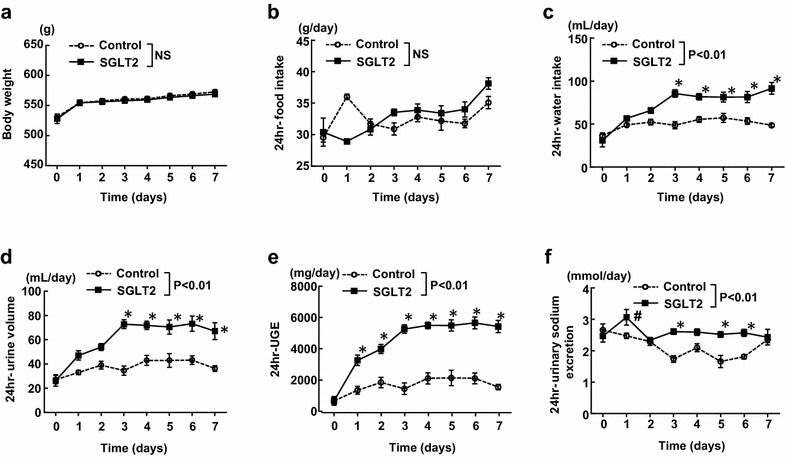
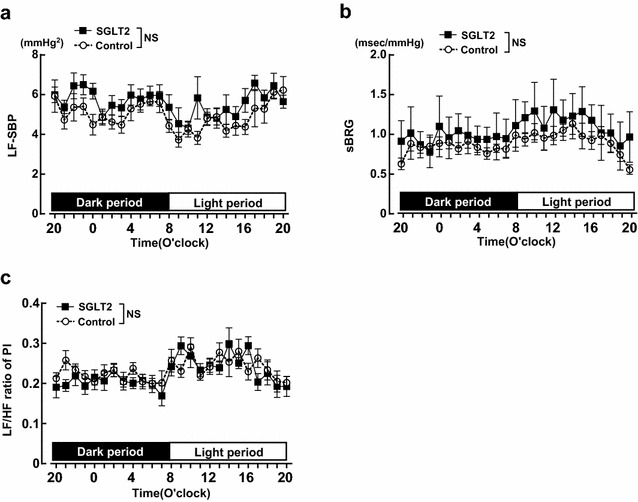
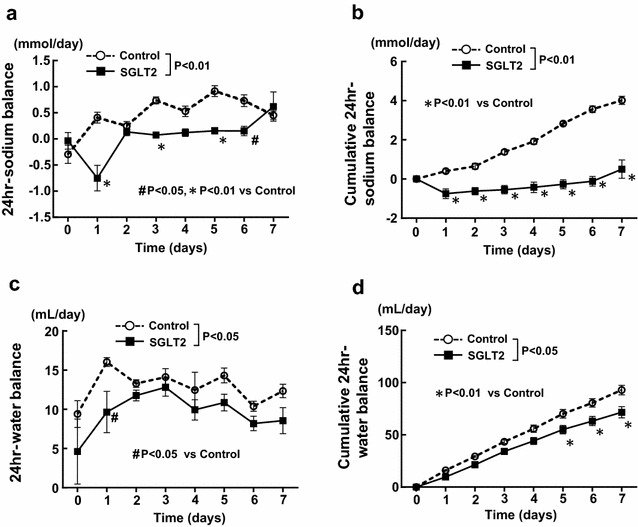
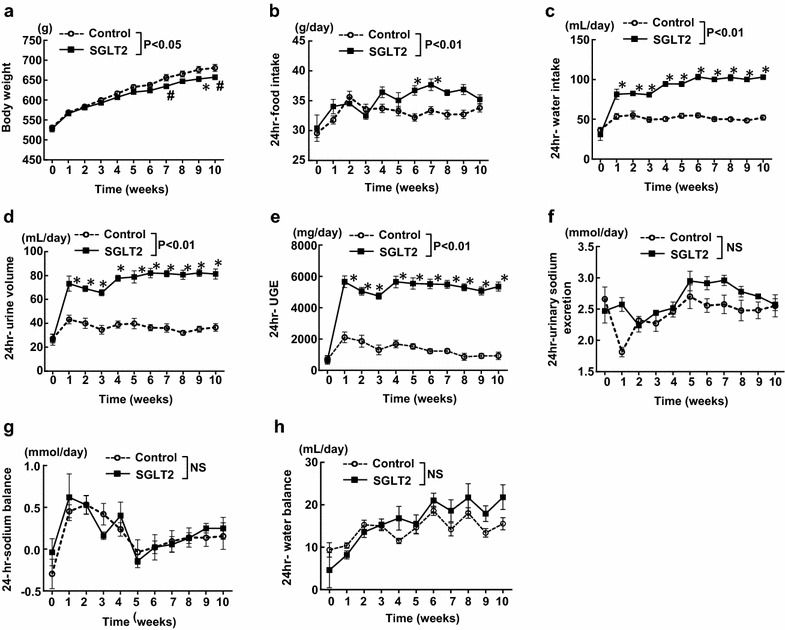
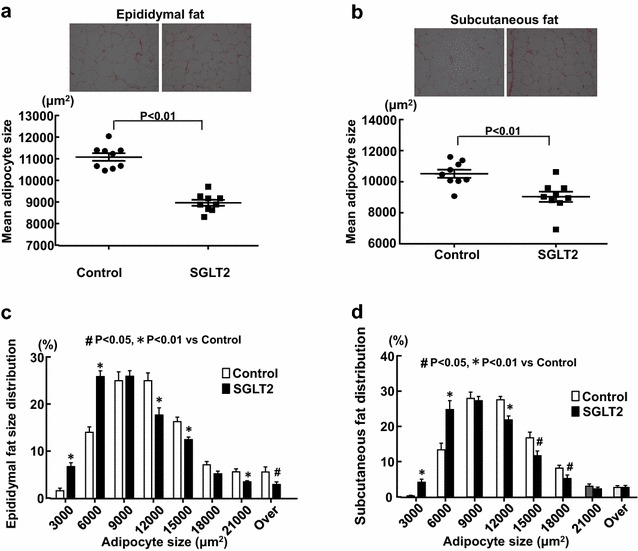
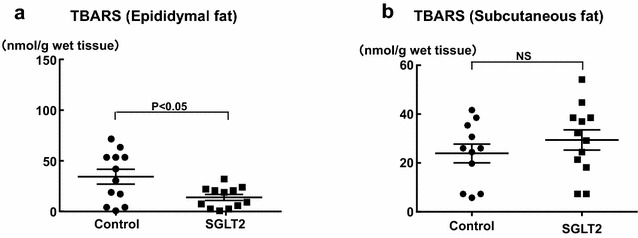
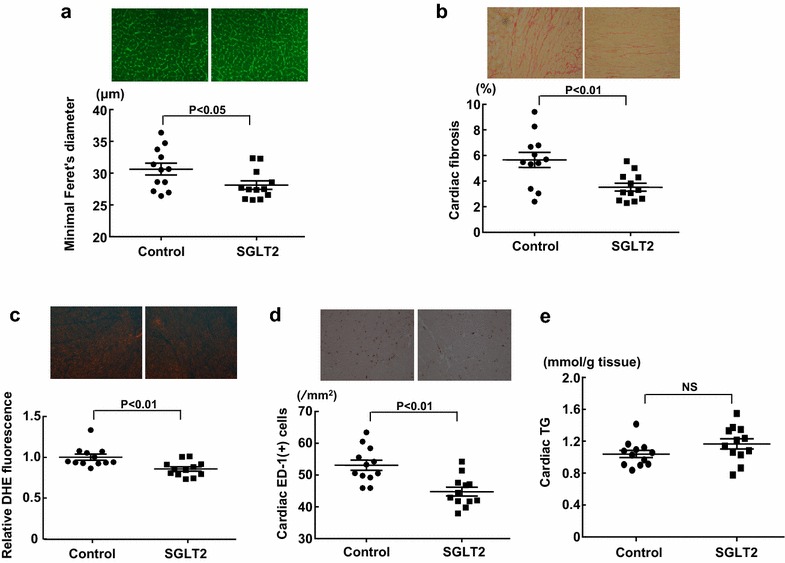
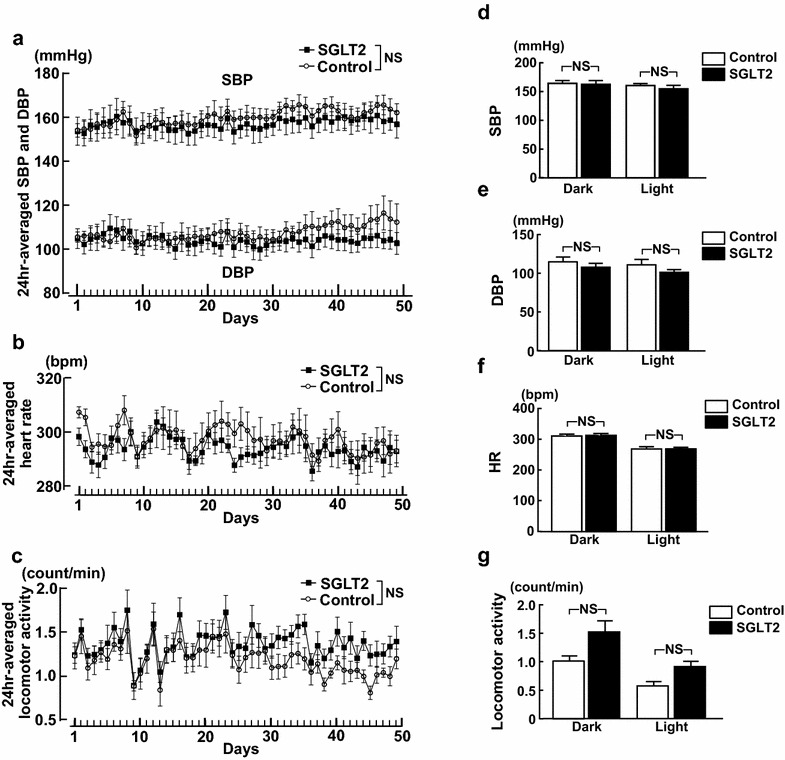
Empagliflozin significantly reduced urinary sodium and water balance of SHRcp only within 1 week of the treatment, but later than 1 week did not alter them throughout the treatment. Empagliflozin significantly reduced body weight of SHRcp, which was mainly attributed to the significant reduction of subcutaneous fat mass. Empagliflozin significantly reduced the size of visceral adipocytes and increased the number of smaller size of adipocytes, which was associated with the attenuation of oxidative stress. Empagliflozin ameliorated cardiac hypertrophy and fibrosis of SHRcp, in association with the attenuation of cardiac oxidative stress and inflammation. However, empagliflozin did not significantly change blood pressure, heart rate, sympathetic activity, or baroreceptor function, as evidenced by radiotelemetry analysis.
Our present work provided the evidence that SGLT2 inhibition reduced visceral adipocytes hypertrophy and ameliorated cardiac injury in prediabetic metabolic syndrome rat, independently of diuretic effect or blood pressure lowering effect. Thus, SGLT2 inhibition seems to be a promising therapeutic strategy for prediabetic metabolic syndrome.
钠-葡萄糖协同转运蛋白2(SGLT2)抑制剂在代谢综合征的糖尿病前期阶段的潜在益处尚不清楚。本研究旨在探讨恩格列净对糖尿病前期代谢综合征大鼠的非血糖效应。
将糖尿病前期代谢综合征模型SHR/NDmcr-cp(+/+)大鼠(SHRcp)给予恩格列净治疗10周,以研究其对尿钠和水平衡、内脏及皮下脂肪细胞以及心脏损伤的影响。此外,使用无线电遥测系统持续研究恩格列净对血压和自主神经系统的影响。
恩格列净仅在治疗的第1周显著降低了SHRcp的尿钠和水平衡,但在1周后整个治疗过程中未改变。恩格列净显著降低了SHRcp的体重,这主要归因于皮下脂肪量的显著减少。恩格列净显著减小了内脏脂肪细胞的大小,并增加了较小尺寸脂肪细胞的数量,这与氧化应激的减轻有关。恩格列净改善了SHRcp的心脏肥大和纤维化,同时减轻了心脏氧化应激和炎症。然而,无线电遥测分析表明,恩格列净并未显著改变血压、心率、交感神经活动或压力感受器功能。
我们目前的研究提供了证据,表明SGLT2抑制可减少糖尿病前期代谢综合征大鼠的内脏脂肪细胞肥大并改善心脏损伤,这与利尿作用或降压作用无关。因此,SGLT2抑制似乎是糖尿病前期代谢综合征的一种有前景的治疗策略。