Hough D, Bellingham M, Haraldsen I R H, McLaughlin M, Rennie M, Robinson J E, Solbakk A K, Evans N P
Institute of Biodiversity Animal Health and Comparative Medicine, College of Medical Veterinary and Life Sciences, University of Glasgow, Glasgow, G61 1QH, UK.
Department of Medical Neurobiology, Division of Clinical Neuroscience, Oslo University Hospital - Rikshospitalet, 0027, Oslo, Norway.
Psychoneuroendocrinology. 2017 Jan;75:173-182. doi: 10.1016/j.psyneuen.2016.10.016. Epub 2016 Oct 21.
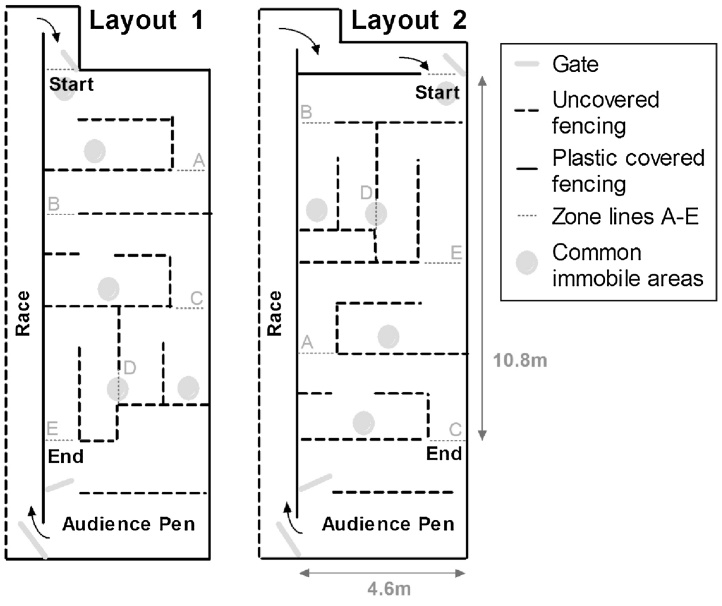
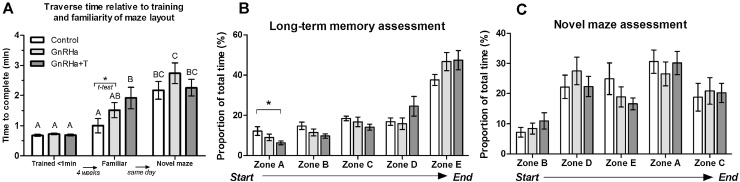
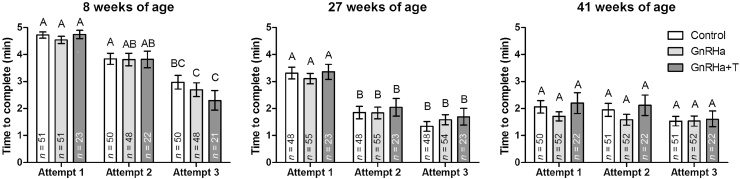
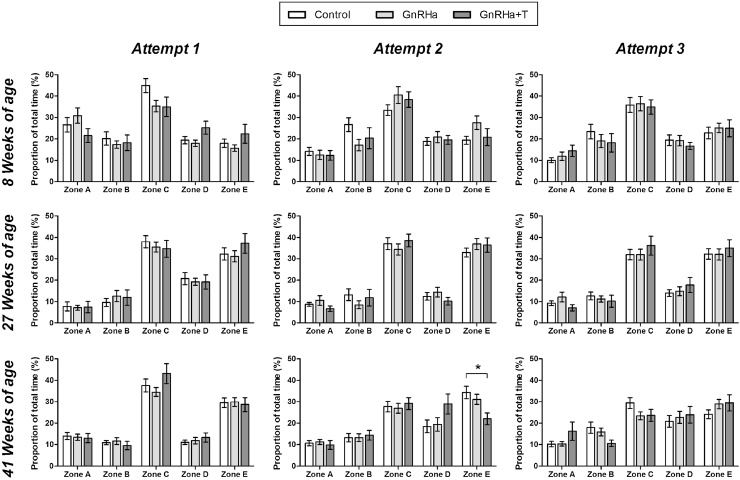
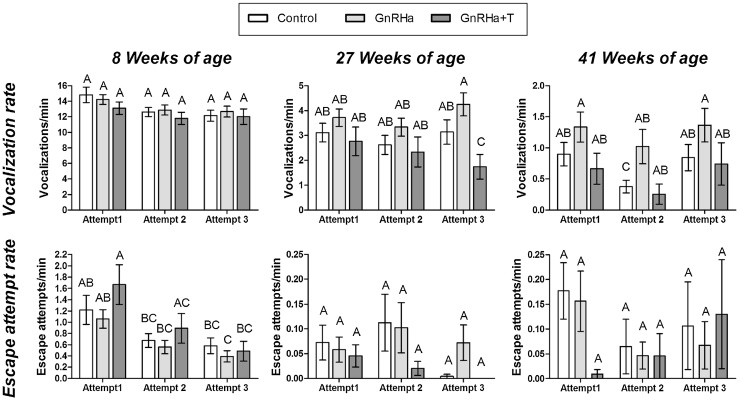
Chronic gonadotropin-releasing hormone agonist (GnRHa) is used therapeutically to block activity within the reproductive axis through down-regulation of GnRH receptors within the pituitary gland. GnRH receptors are also expressed in non-reproductive tissues, including areas of the brain such as the hippocampus and amygdala. The impact of long-term GnRHa-treatment on hippocampus-dependent cognitive functions, such as spatial orientation, learning and memory, is not well studied, particularly when treatment encompasses a critical window of development such as puberty. The current study used an ovine model to assess spatial maze performance and memory of rams that were untreated (Controls), had both GnRH and testosterone signaling blocked (GnRHa-treated), or specifically had GnRH signaling blocked (GnRHa-treated with testosterone replacement) during the peripubertal period (8, 27 and 41 weeks of age). The results demonstrate that emotional reactivity during spatial tasks was compromised by the blockade of gonadal steroid signaling, as seen by the restorative effects of testosterone replacement, while traverse times remained unchanged during assessment of spatial orientation and learning. The blockade of GnRH signaling alone was associated with impaired retention of long-term spatial memory and this effect was not restored with the replacement of testosterone signaling. These results indicate that GnRH signaling is involved in the retention and recollection of spatial information, potentially via alterations to spatial reference memory, and that therapeutic medical treatments using chronic GnRHa may have effects on this aspect of cognitive function.
慢性促性腺激素释放激素激动剂(GnRHa)在治疗上用于通过下调垂体中的GnRH受体来阻断生殖轴内的活性。GnRH受体也在非生殖组织中表达,包括大脑中的海马体和杏仁核等区域。长期GnRHa治疗对海马体依赖的认知功能(如空间定向、学习和记忆)的影响尚未得到充分研究,特别是当治疗涵盖青春期等关键发育窗口时。本研究使用绵羊模型评估了在青春期前后(8、27和41周龄)未接受治疗(对照组)、同时阻断GnRH和睾酮信号(GnRHa治疗组)或专门阻断GnRH信号(睾酮替代的GnRHa治疗组)的公羊的空间迷宫表现和记忆。结果表明,性腺类固醇信号的阻断损害了空间任务期间的情绪反应,睾酮替代的恢复作用证明了这一点,而在空间定向和学习评估期间穿越时间保持不变。单独阻断GnRH信号与长期空间记忆的保留受损有关,并且这种效应不会随着睾酮信号的替代而恢复。这些结果表明,GnRH信号可能通过改变空间参考记忆参与空间信息的保留和回忆,并且使用慢性GnRHa的治疗性医学治疗可能会对认知功能的这一方面产生影响。