Murphy Alexander Peter, Straub Volker
J Neuromuscul Dis. 2015 Jul 22;2(s2):S7-S19. doi: 10.3233/JND-150105.
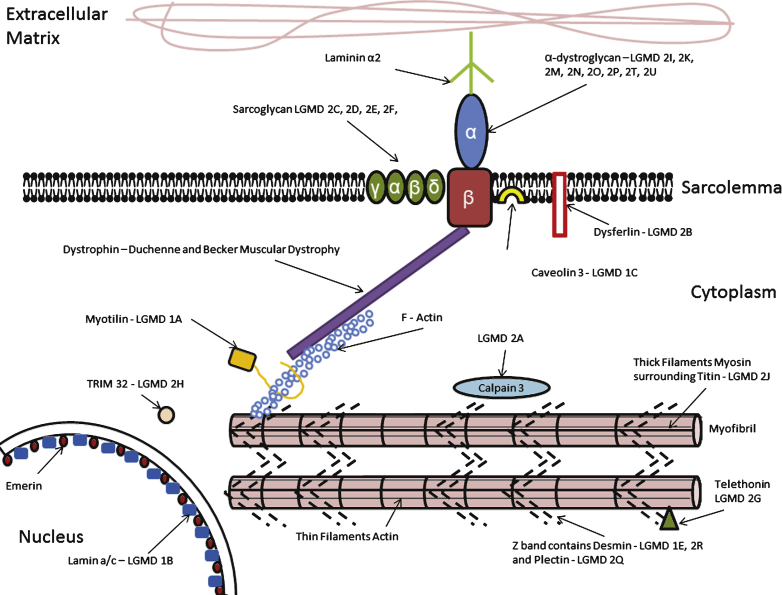
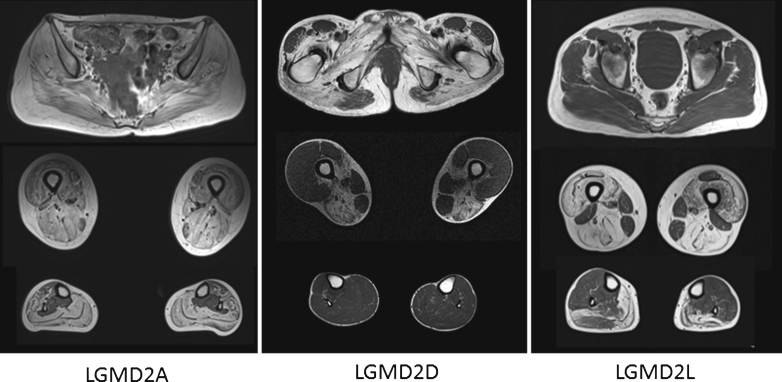
Over sixty years ago John Walton and Frederick Nattrass defined limb girdle muscular dystrophy (LGMD) as a separate entity from the X-linked dystrophinopathies such as Duchenne and Becker muscular dystrophies. LGMD is a highly heterogeneous group of very rare neuromuscular disorders whose common factor is their autosomal inheritance. Sixty years later, with the development of increasingly advanced molecular genetic investigations, a more precise classification and understanding of the pathogenesis is possible.To date, over 30 distinct subtypes of LGMD have been identified, most of them inherited in an autosomal recessive fashion. There are significant differences in the frequency of subtypes of LGMD between different ethnic populations, providing evidence of founder mutations. Clinically there is phenotypic heterogeneity between subtypes of LGMD with varying severity and age of onset of symptoms. The first natural history studies into subtypes of LGMD are in process, but large scale longitudinal data have been lacking due to the rare nature of these diseases. Following natural history data collection, the next challenge is to develop more effective, disease specific treatments. Current management is focussed on symptomatic and supportive treatments. Advances in the application of new omics technologies and the generation of large-scale biomedical data will help to better understand disease mechanisms in LGMD and should ultimately help to accelerate the development of novel and more effective therapeutic approaches.
六十多年前,约翰·沃尔顿(John Walton)和弗雷德里克·纳特拉斯(Frederick Nattrass)将肢带型肌营养不良症(LGMD)定义为一种与杜兴氏和贝克氏肌营养不良症等X连锁肌营养不良症不同的疾病实体。LGMD是一组高度异质性的极为罕见的神经肌肉疾病,其共同特征是常染色体遗传。六十年后,随着分子遗传学研究日益先进,对其进行更精确的分类并理解其发病机制成为可能。迄今为止,已确定了30多种不同的LGMD亚型,其中大多数以常染色体隐性方式遗传。不同种族人群中LGMD亚型的发病频率存在显著差异,这为始祖突变提供了证据。临床上,LGMD各亚型之间存在表型异质性,症状的严重程度和发病年龄各不相同。对LGMD亚型的首次自然史研究正在进行中,但由于这些疾病的罕见性,一直缺乏大规模的纵向数据。在收集自然史数据之后,下一个挑战是开发更有效、针对疾病的治疗方法。目前的治疗重点是对症和支持治疗。新的组学技术应用的进展以及大规模生物医学数据的产生将有助于更好地理解LGMD的疾病机制,并最终应有助于加速新型更有效治疗方法的开发。