Marques Gonçalo, Pitarma Rui
Unit for Inland Development, Polytechnic Institute of Guarda, Avendia Doutor Francisco Sá Carneiro N° 50, 6300-559 Guarda, Portugal.
Int J Environ Res Public Health. 2016 Nov 17;13(11):1152. doi: 10.3390/ijerph13111152.
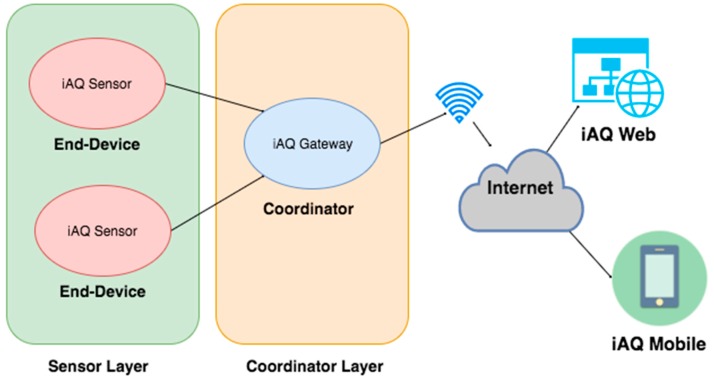
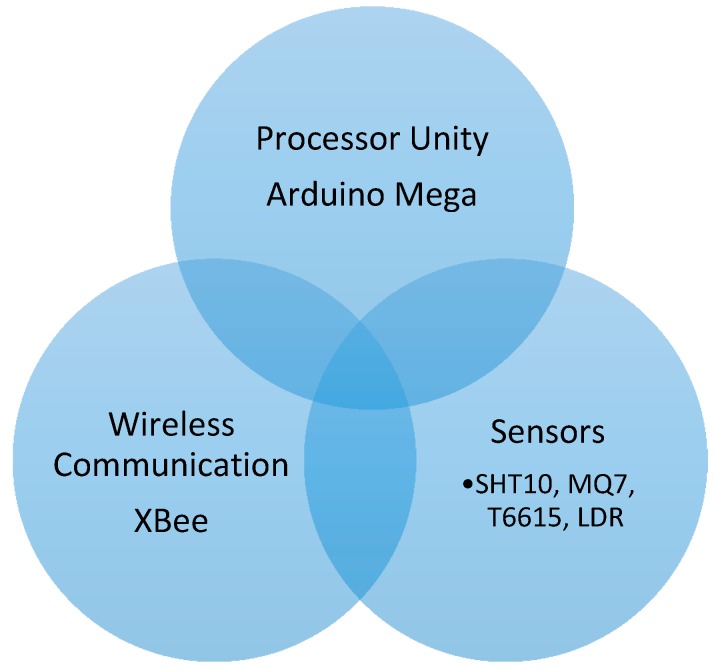
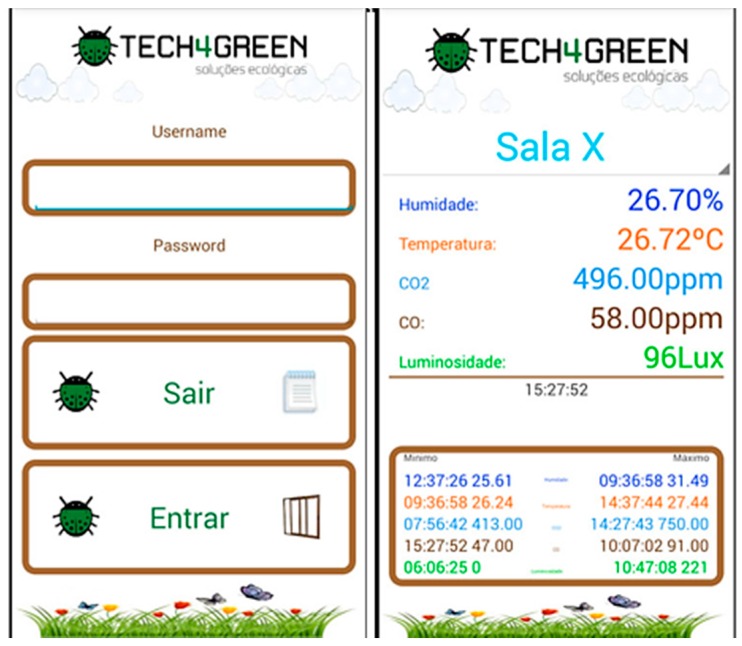
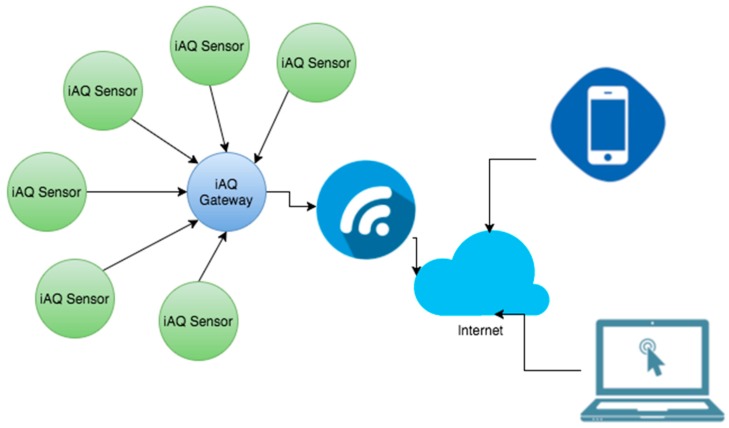
The study of systems and architectures for ambient assisted living (AAL) is undoubtedly a topic of great relevance given the aging of the world population. The AAL technologies are designed to meet the needs of the aging population in order to maintain their independence as long as possible. As people typically spend more than 90% of their time in indoor environments, indoor air quality (iAQ) is perceived as an imperative variable to be controlled for the inhabitants' wellbeing and comfort. Advances in networking, sensors, and embedded devices have made it possible to monitor and provide assistance to people in their homes. The continuous technological advancements make it possible to build smart objects with great capabilities for sensing and connecting several possible advancements in ambient assisted living systems architectures. Indoor environments are characterized by several pollutant sources. Most of the monitoring frameworks instantly accessible are exceptionally costly and only permit the gathering of arbitrary examples. iAQ is an indoor air quality system based on an Internet of Things paradigm that incorporates in its construction Arduino, ESP8266, and XBee technologies for processing and data transmission and micro sensors for data acquisition. It also allows access to data collected through web access and through a mobile application in real time, and this data can be accessed by doctors in order to support medical diagnostics. Five smaller scale sensors of natural parameters (air temperature, moistness, carbon monoxide, carbon dioxide, and glow) were utilized. Different sensors can be included to check for particular contamination. The results reveal that the system can give a viable indoor air quality appraisal in order to anticipate technical interventions for improving indoor air quality. Indeed indoor air quality might be distinctively contrasted with what is normal for a quality living environment.
鉴于世界人口老龄化,对环境辅助生活(AAL)系统和架构的研究无疑是一个极具相关性的话题。AAL技术旨在满足老年人口的需求,以便尽可能长时间地维持他们的独立性。由于人们通常90%以上的时间都在室内环境中度过,室内空气质量(iAQ)被视为一个必须加以控制的变量,以保障居民的健康和舒适度。网络、传感器和嵌入式设备的进步使得在家中对人们进行监测和提供协助成为可能。持续的技术进步使得构建具有强大传感和连接能力的智能物体成为可能,这是环境辅助生活系统架构中的几个可能进步。室内环境具有多种污染源。大多数即时可用的监测框架成本极高,而且只允许采集随机样本。iAQ是一个基于物联网范式的室内空气质量系统,其构建过程中纳入了用于处理和数据传输的Arduino、ESP8266和XBee技术以及用于数据采集的微型传感器。它还允许通过网络访问和移动应用实时访问所收集的数据,并且医生可以访问这些数据以支持医疗诊断。使用了五个较小规模的自然参数传感器(气温、湿度、一氧化碳、二氧化碳和光照)。可以纳入不同的传感器以检测特定污染物。结果表明,该系统能够给出可行的室内空气质量评估,以便预测改善室内空气质量的技术干预措施。实际上,室内空气质量可能与优质生活环境的正常标准有显著差异。