Setoyama Hiroko, Tanaka Motohiko, Nagumo Kohei, Naoe Hideaki, Watanabe Takehisa, Yoshimaru Youko, Tateyama Masakuni, Sasaki Masato, Watanabe Hiroshi, Otagiri Masaki, Maruyama Toru, Sasaki Yutaka
Department of Gastroenterology and Hepatology, Graduate School of Medical Sciences, Kumamoto University, 1-1-1 Honjo, Chuou-ku, Kumamoto City, Kumamoto, 860-8556, Japan.
Department of Biopharmaceutics, School of Pharmacy, Graduate School of Pharmaceutical Sciences, Kumamoto University, Kumamoto City, Kumamoto, 862-0973, Japan.
J Gastroenterol. 2017 Jun;52(6):754-765. doi: 10.1007/s00535-016-1281-2. Epub 2016 Nov 21.
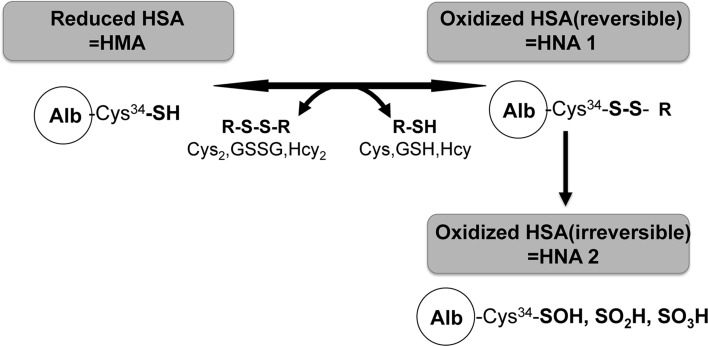
The aim of this study was to evaluate structural and functional alterations of human serum albumin (HSA), with a special focus on the oxidized and reduced forms, in patients with chronic liver disease. We also investigated whether oral branched-chain amino acid (BCAA) supplementation could induce structural changes and improve the functions of HSA.
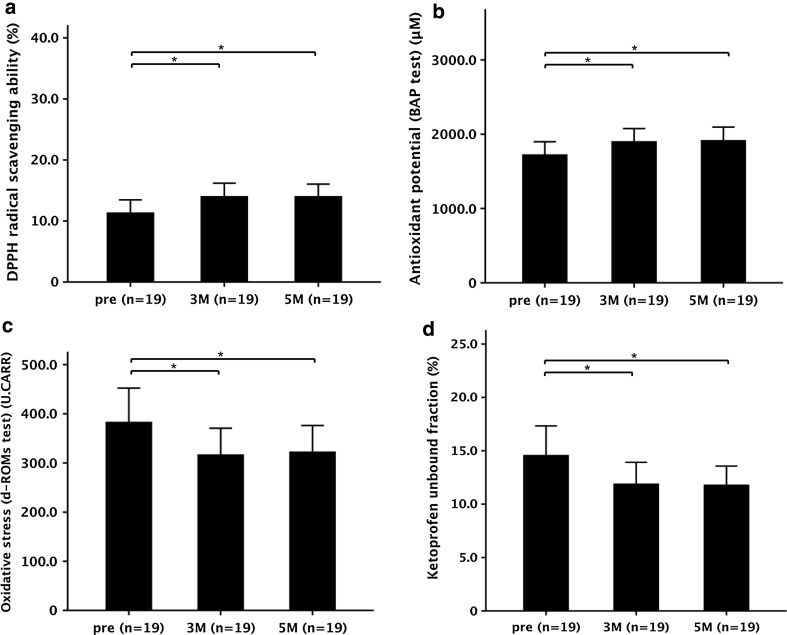
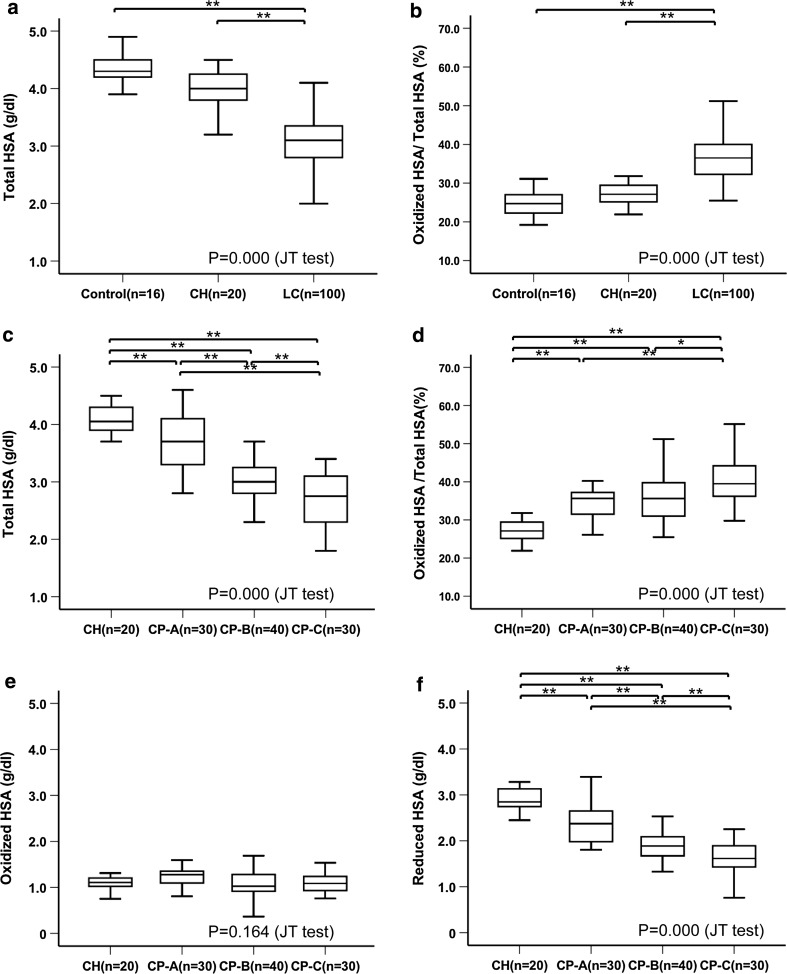
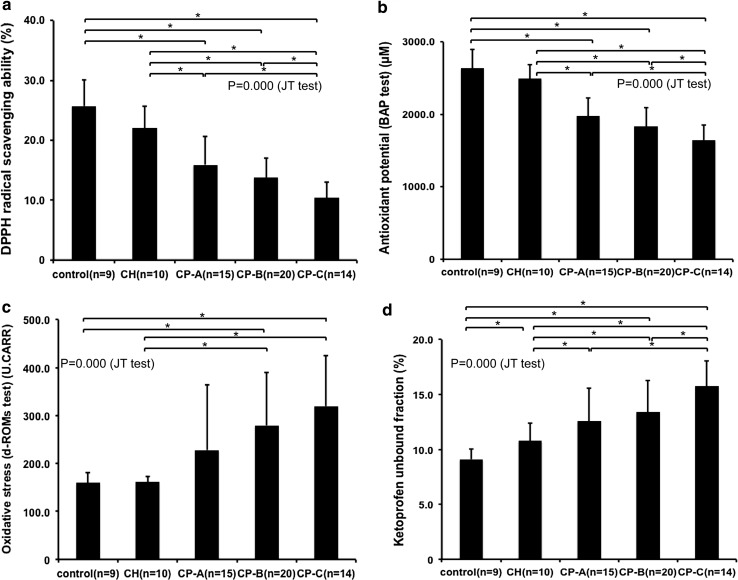
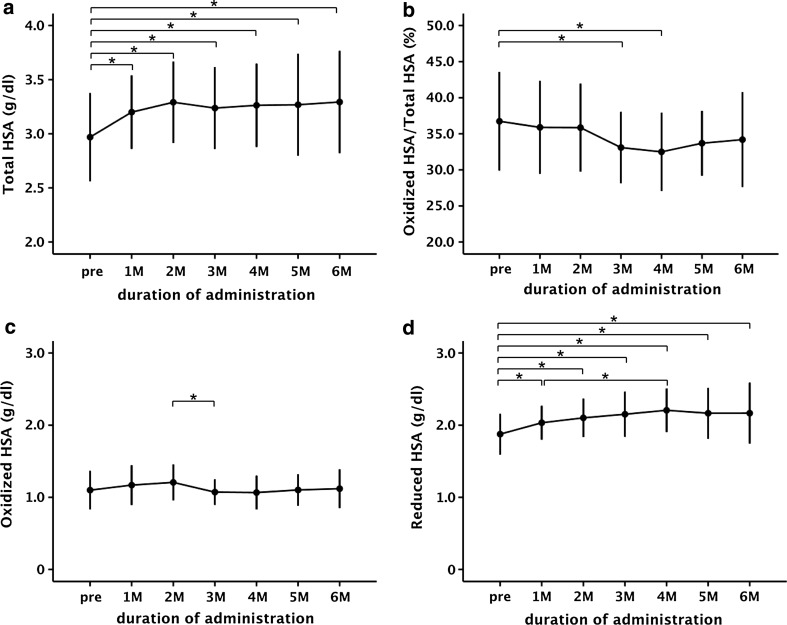
The proportion of reduced and oxidized HSA was determined in 16 healthy controls and in 20 chronic hepatitis and 100 cirrhotic patients with stable conditions. To evaluate the functional properties of HSA, this study focused on the antioxidant and binding functions. The radical scavenging activity and binding ability of purified HSA were measured in 68 participants. After BCAA administration for 6 months, 29 patients were evaluated for HSA structural changes, with 19 out of the 29 patients also analyzed for HSA functional changes.
There was a significant decrease in the amounts of reduced HSA in conjunction with liver disease progression. Receiver operating characteristic curve analysis demonstrated that the levels of reduced HSA had high accuracy in determining disease progression. Functional alterations were strongly correlated to the levels of reduced HSA. BCAA supplementation led to substantial increases in the amount of reduced HSA. The altered HSA was able to scavenge significantly more radicals and restore the binding ability.
This study describes structural alterations and functional disturbances of HSA in patients with chronic liver disease, and indicates that the levels of reduced HSA might reflect disease progression and the functional properties of HSA. Moreover, oral BCAA supplementation increases the amount of reduced HSA, thereby leading to the restoration of HSA function in cirrhotic patients.
本研究旨在评估慢性肝病患者血清白蛋白(HSA)的结构和功能改变,特别关注其氧化型和还原型。我们还研究了口服支链氨基酸(BCAA)补充剂是否能诱导HSA的结构变化并改善其功能。
测定了16名健康对照者、20名慢性肝炎患者和100名病情稳定的肝硬化患者中还原型和氧化型HSA的比例。为评估HSA的功能特性,本研究重点关注其抗氧化和结合功能。对68名参与者测定了纯化HSA的自由基清除活性和结合能力。在给予BCAA 6个月后,对29例患者的HSA结构变化进行了评估,其中19例还分析了HSA的功能变化。
随着肝病进展,还原型HSA的量显著减少。受试者工作特征曲线分析表明,还原型HSA水平在确定疾病进展方面具有较高的准确性。功能改变与还原型HSA水平密切相关。补充BCAA导致还原型HSA的量大幅增加。改变后的HSA能够清除更多的自由基并恢复结合能力。
本研究描述了慢性肝病患者HSA的结构改变和功能紊乱,表明还原型HSA水平可能反映疾病进展和HSA的功能特性。此外,口服BCAA补充剂可增加还原型HSA的量,从而使肝硬化患者的HSA功能得以恢复。