Department of Molecular and Cell Biology, University of California, Berkeley, United States.
Department of Biochemistry and Biophysics, University of California, San Francisco, United States.
Elife. 2016 Nov 22;5:e14749. doi: 10.7554/eLife.14749.
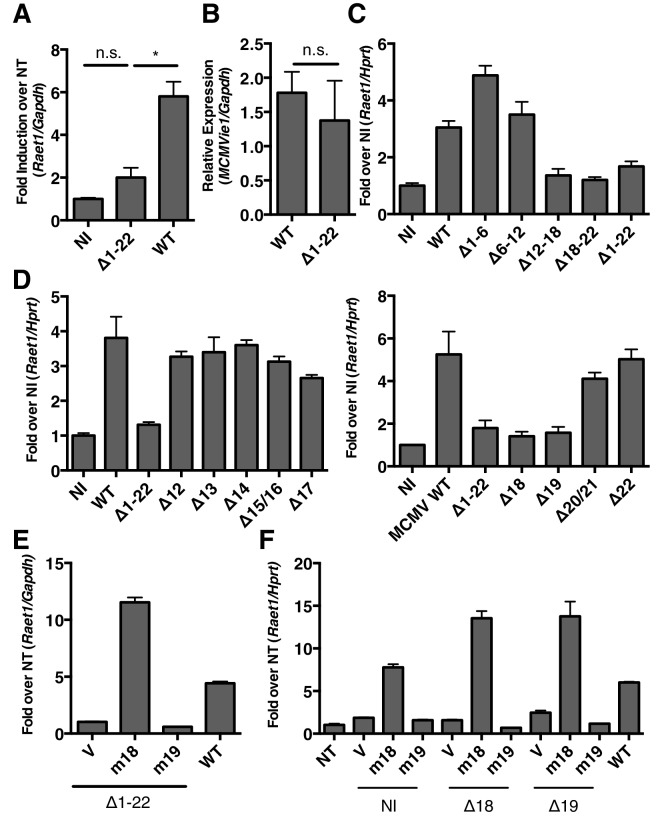
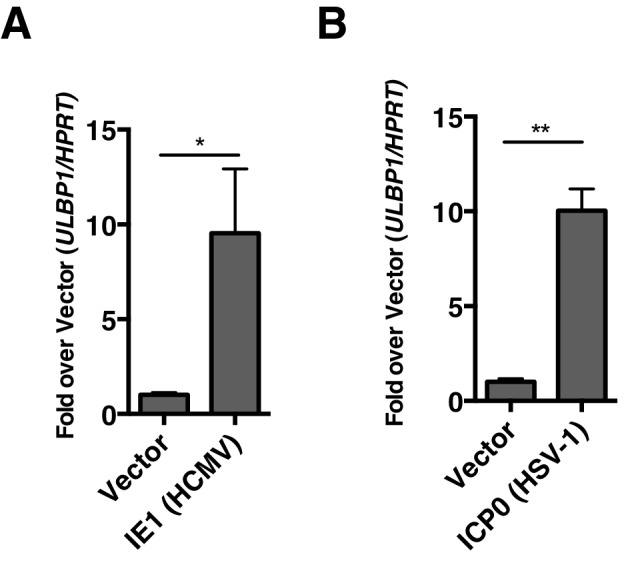
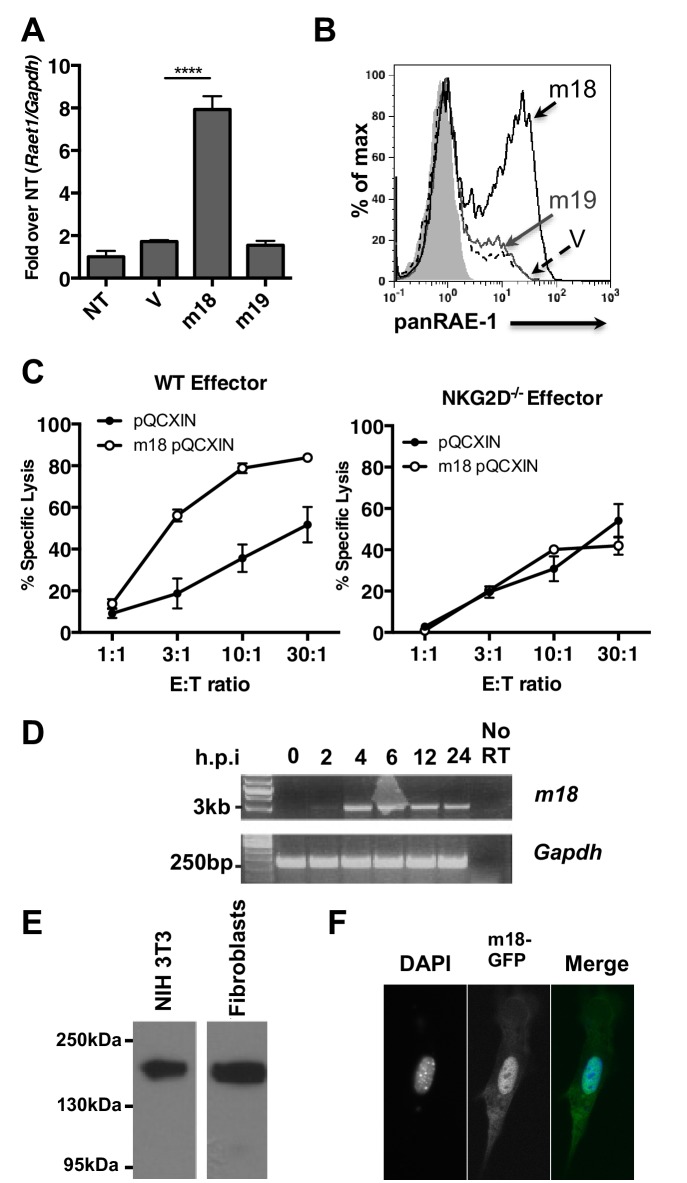
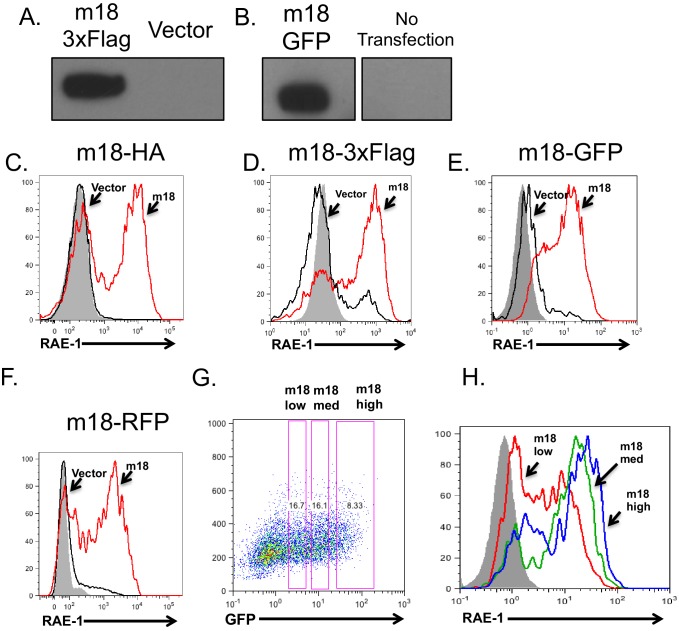
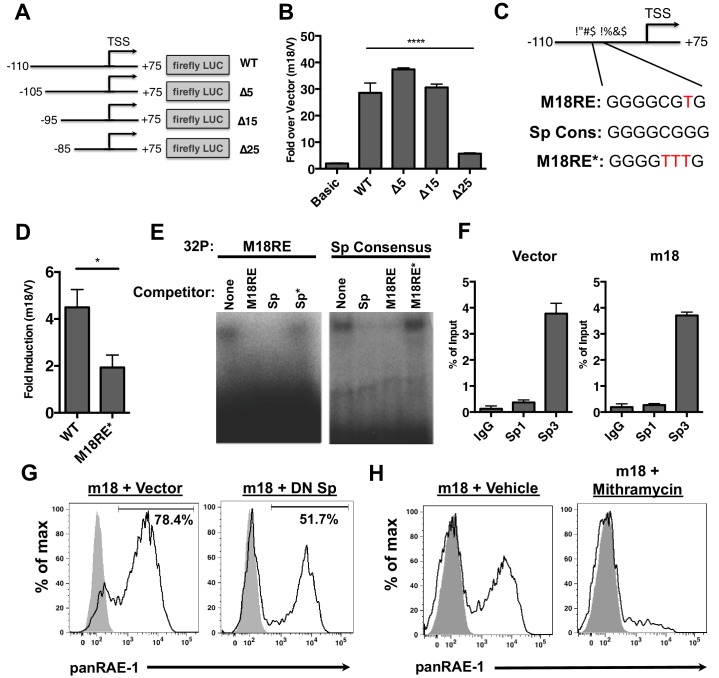
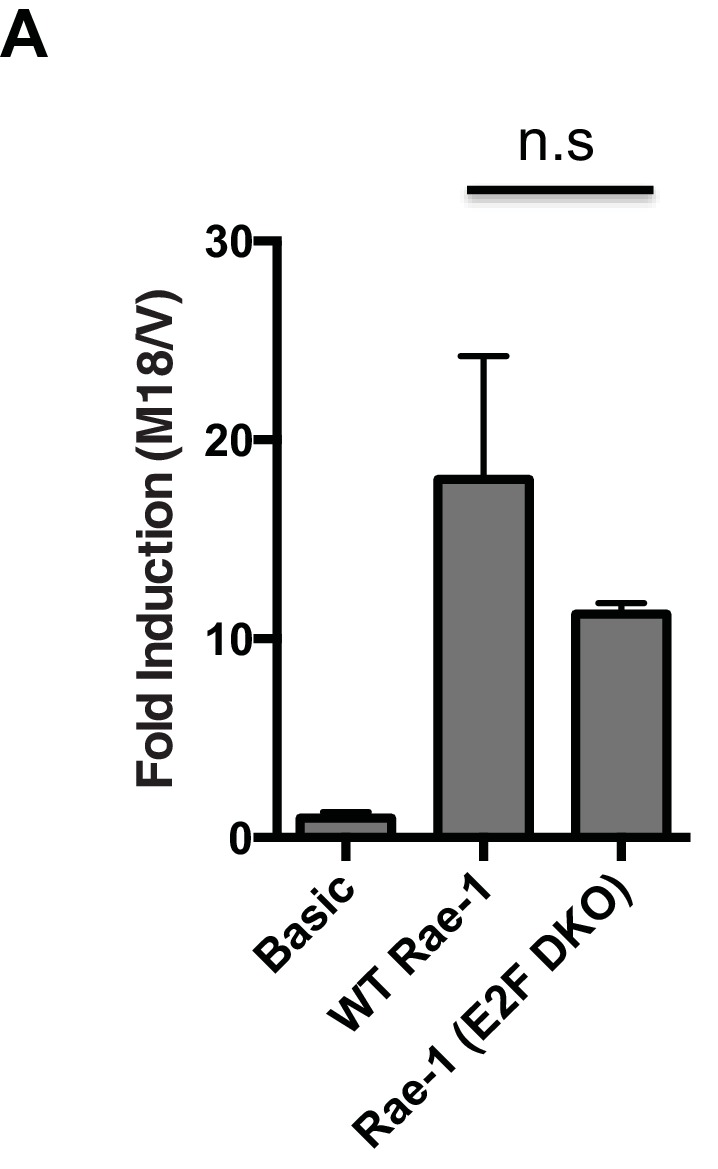
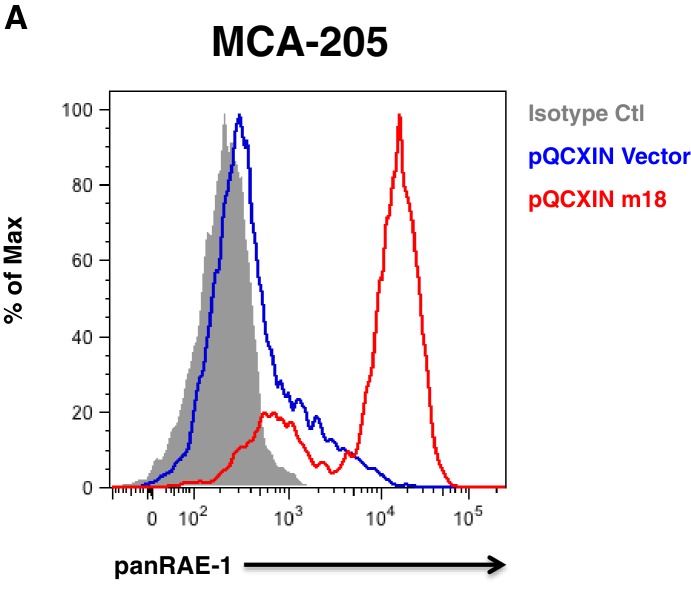
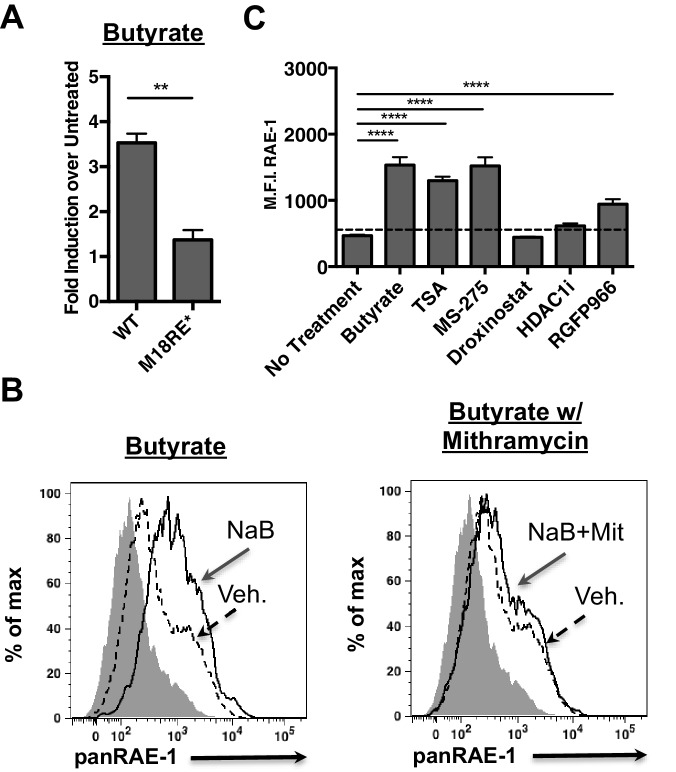
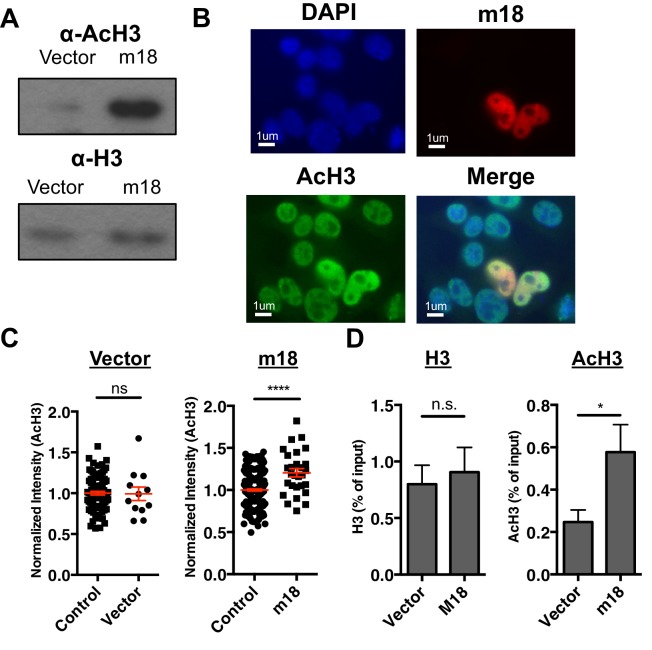
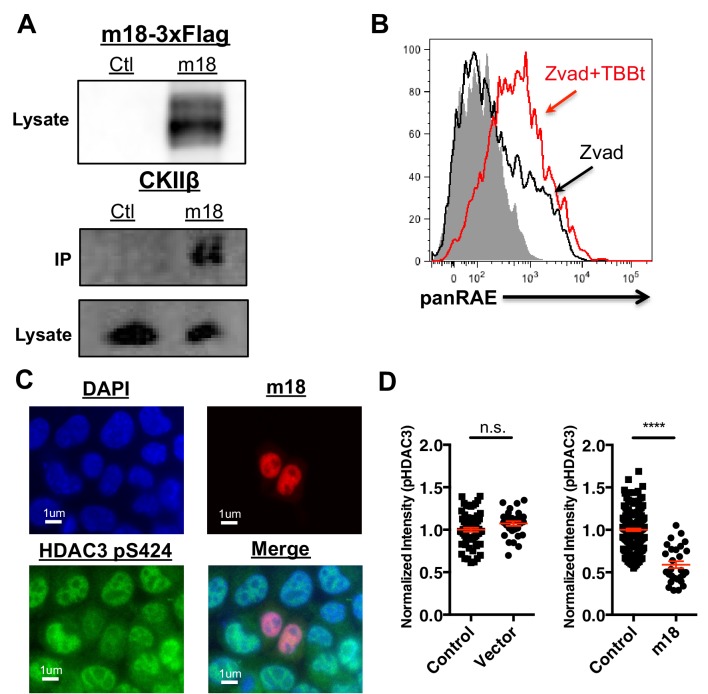
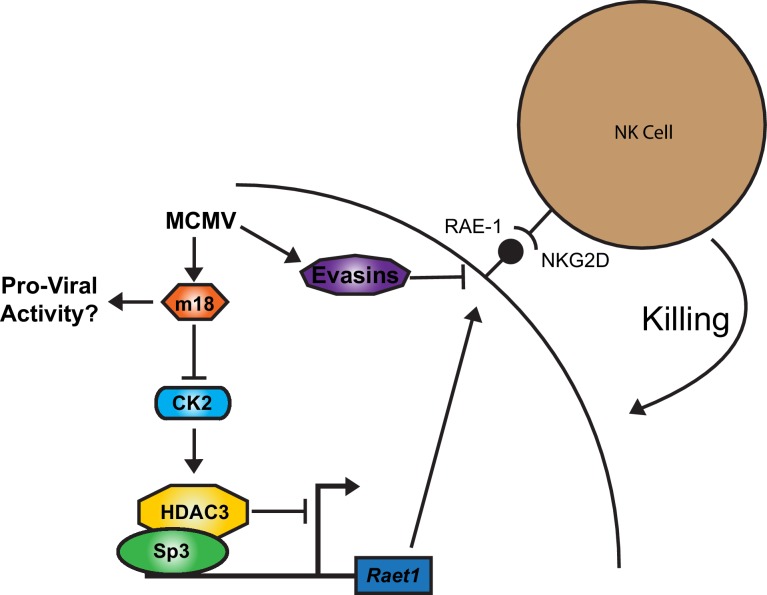
Natural Killer (NK) cells are essential for control of viral infection and cancer. NK cells express NKG2D, an activating receptor that directly recognizes NKG2D ligands. These are expressed at low level on healthy cells, but are induced by stresses like infection and transformation. The physiological events that drive NKG2D ligand expression during infection are still poorly understood. We observed that the mouse cytomegalovirus encoded protein m18 is necessary and sufficient to drive expression of the RAE-1 family of NKG2D ligands. We demonstrate that RAE-1 is transcriptionally repressed by histone deacetylase inhibitor 3 (HDAC3) in healthy cells, and m18 relieves this repression by directly interacting with Casein Kinase II and preventing it from activating HDAC3. Accordingly, we found that HDAC inhibiting proteins from human herpesviruses induce human NKG2D ligand ULBP-1. Thus our findings indicate that virally mediated HDAC inhibition can act as a signal for the host to activate NK-cell recognition.
自然杀伤 (NK) 细胞对于控制病毒感染和癌症至关重要。NK 细胞表达 NKG2D,这是一种激活受体,可以直接识别 NKG2D 配体。这些配体在健康细胞上低表达,但在感染和转化等应激下被诱导表达。在感染过程中驱动 NKG2D 配体表达的生理事件仍知之甚少。我们观察到,小鼠巨细胞病毒编码的蛋白 m18 足以驱动 NKG2D 配体 RAE-1 家族的表达。我们证明,在健康细胞中,组蛋白去乙酰化酶抑制剂 3 (HDAC3) 转录抑制 RAE-1,而 m18 通过直接与酪蛋白激酶 II 相互作用并阻止其激活 HDAC3 来解除这种抑制。因此,我们发现人类疱疹病毒的 HDAC 抑制蛋白诱导人类 NKG2D 配体 ULBP-1。因此,我们的研究结果表明,病毒介导的 HDAC 抑制可以作为宿主激活 NK 细胞识别的信号。