Westrich Joseph A, Warren Cody J, Pyeon Dohun
Department of Immunology and Microbiology, University of Colorado School of Medicine, Aurora, CO 80045, USA.
Department of Immunology and Microbiology, University of Colorado School of Medicine, Aurora, CO 80045, USA; Current address: BioFrontiers Institute, University of Colorado Boulder, Boulder, CO 80303, USA.
Virus Res. 2017 Mar 2;231:21-33. doi: 10.1016/j.virusres.2016.11.023. Epub 2016 Nov 24.
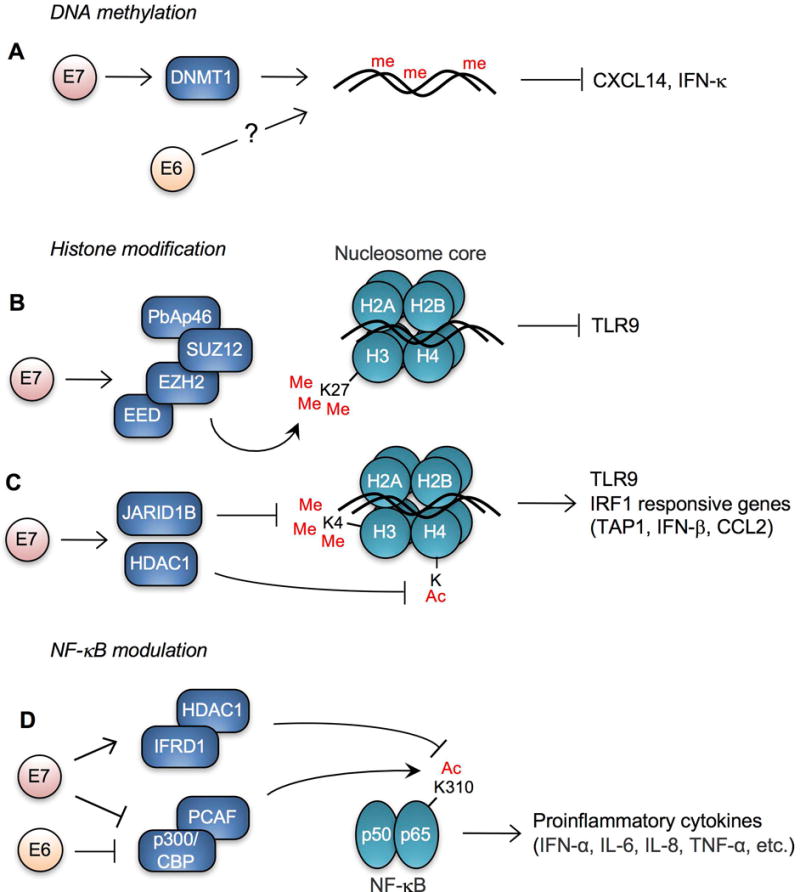
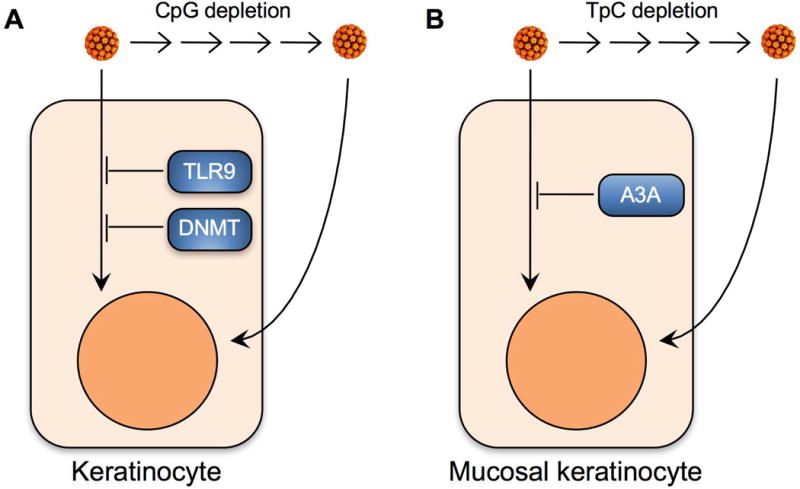
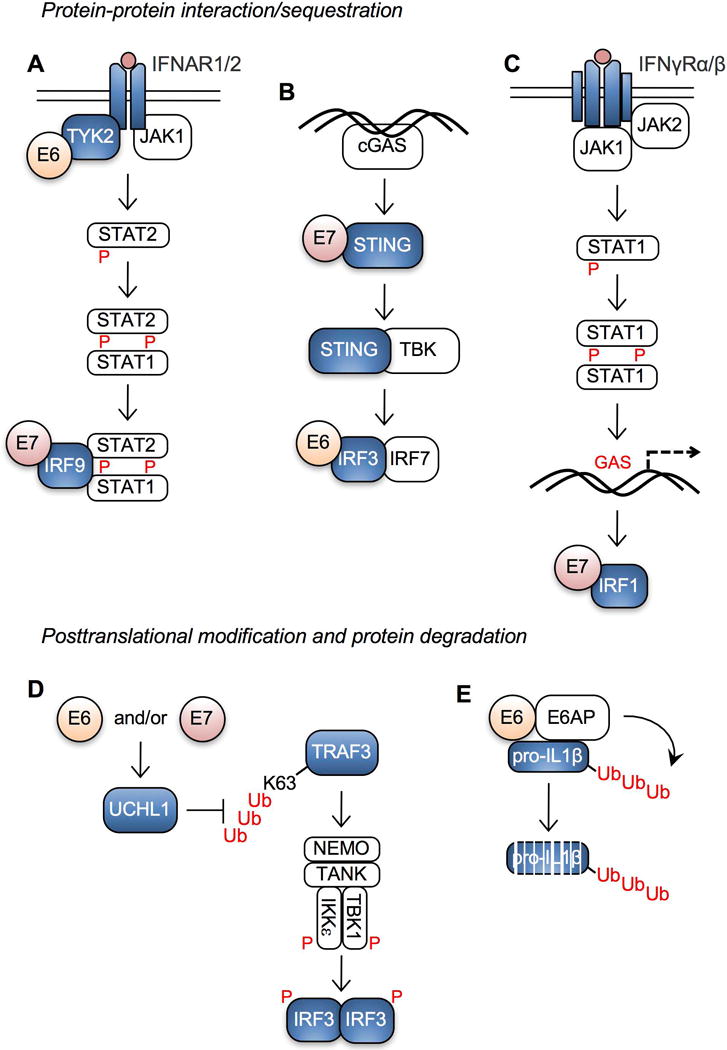
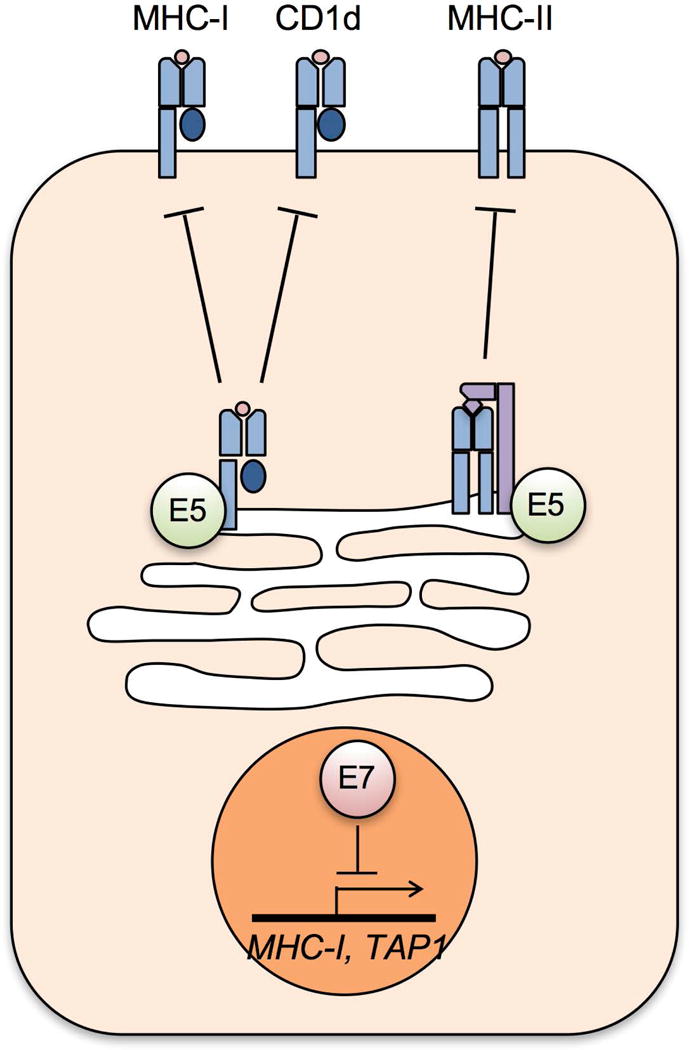
A majority of human papillomavirus (HPV) infections are asymptomatic and self-resolving in the absence of medical interventions. Various innate and adaptive immune responses, as well as physical barriers, have been implicated in controlling early HPV infections. However, if HPV overcomes these host immune defenses and establishes persistence in basal keratinocytes, it becomes very difficult for the host to eliminate the infection. The HPV oncoproteins E5, E6, and E7 are important in regulating host immune responses. These oncoproteins dysregulate gene expression, protein-protein interactions, posttranslational modifications, and cellular trafficking of critical host immune modulators. In addition to the HPV oncoproteins, sequence variation and dinucleotide depletion in papillomavirus genomes has been suggested as an alternative strategy for evasion of host immune defenses. Since anti-HPV host immune responses are also considered to be important for antitumor immunity, immune dysregulation by HPV during virus persistence may contribute to immune suppression essential for HPV-associated cancer progression. Here, we discuss cellular pathways dysregulated by HPV that allow the virus to evade various host immune defenses.
大多数人乳头瘤病毒(HPV)感染是无症状的,在没有医学干预的情况下可自行消退。各种先天性和适应性免疫反应以及物理屏障都与控制早期HPV感染有关。然而,如果HPV克服了这些宿主免疫防御并在基底角质形成细胞中持续存在,宿主就很难消除感染。HPV癌蛋白E5、E6和E7在调节宿主免疫反应中很重要。这些癌蛋白会使关键宿主免疫调节剂的基因表达、蛋白质-蛋白质相互作用、翻译后修饰和细胞运输失调。除了HPV癌蛋白外,乳头瘤病毒基因组中的序列变异和二核苷酸缺失也被认为是逃避宿主免疫防御的另一种策略。由于抗HPV宿主免疫反应也被认为对抗肿瘤免疫很重要,因此HPV在病毒持续存在期间引起的免疫失调可能有助于HPV相关癌症进展所必需的免疫抑制。在这里,我们讨论了被HPV失调的细胞途径,这些途径使病毒能够逃避各种宿主免疫防御。