Siwek Hanna, Bartkowiak Artur, Włodarczyk Małgorzata, Sobecka Katarzyna
Department of General and Ecological Chemistry, West Pomeranian University of Technology, Szczecin, ul. J. Słowackiego 17, 71-434 Szczecin, Poland.
Center of Bioimmobilisation and Innovative Packaging Materials, Faculty of Food Sciences and Fisheries, West Pomeranian University of Technology, Szczecin, ul. K. Janickiego 35, 71-270 Szczecin, Poland.
Water Air Soil Pollut. 2016;227(11):427. doi: 10.1007/s11270-016-3128-0. Epub 2016 Oct 31.
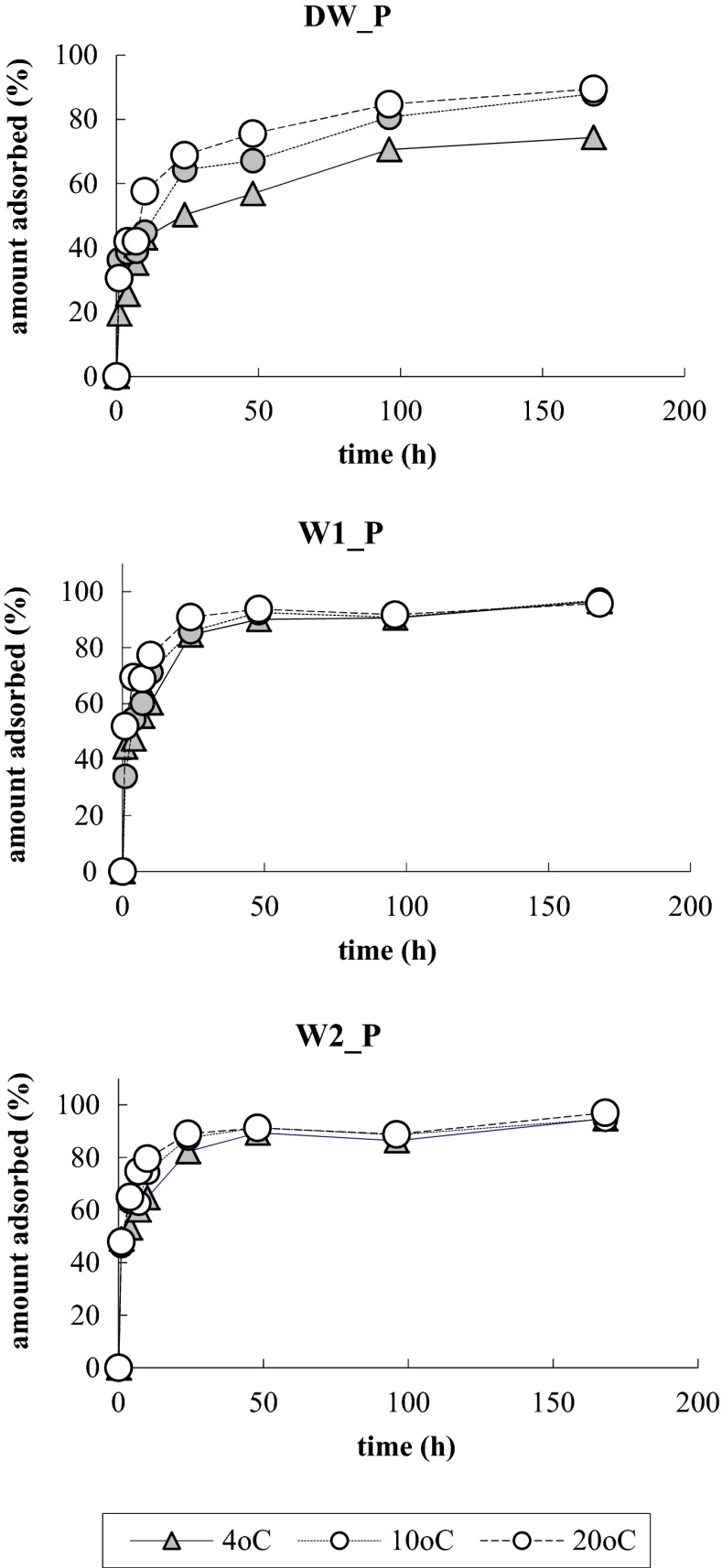
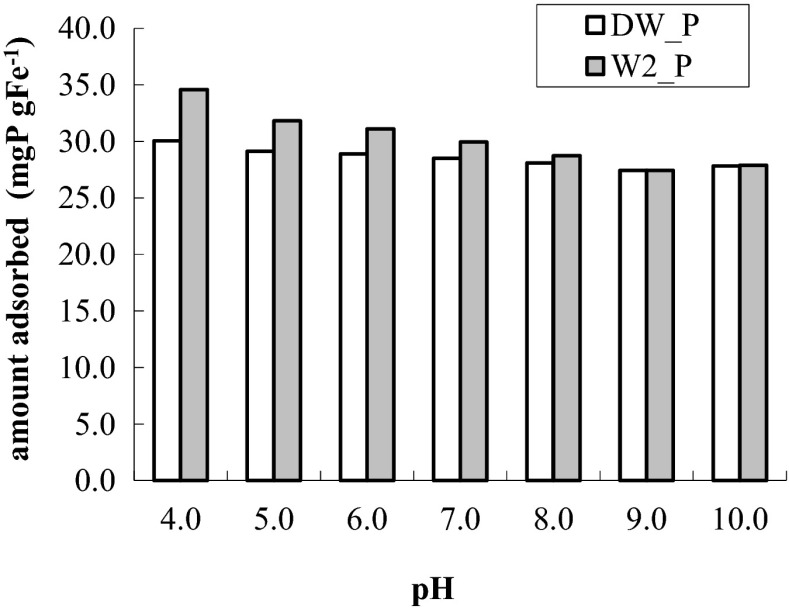
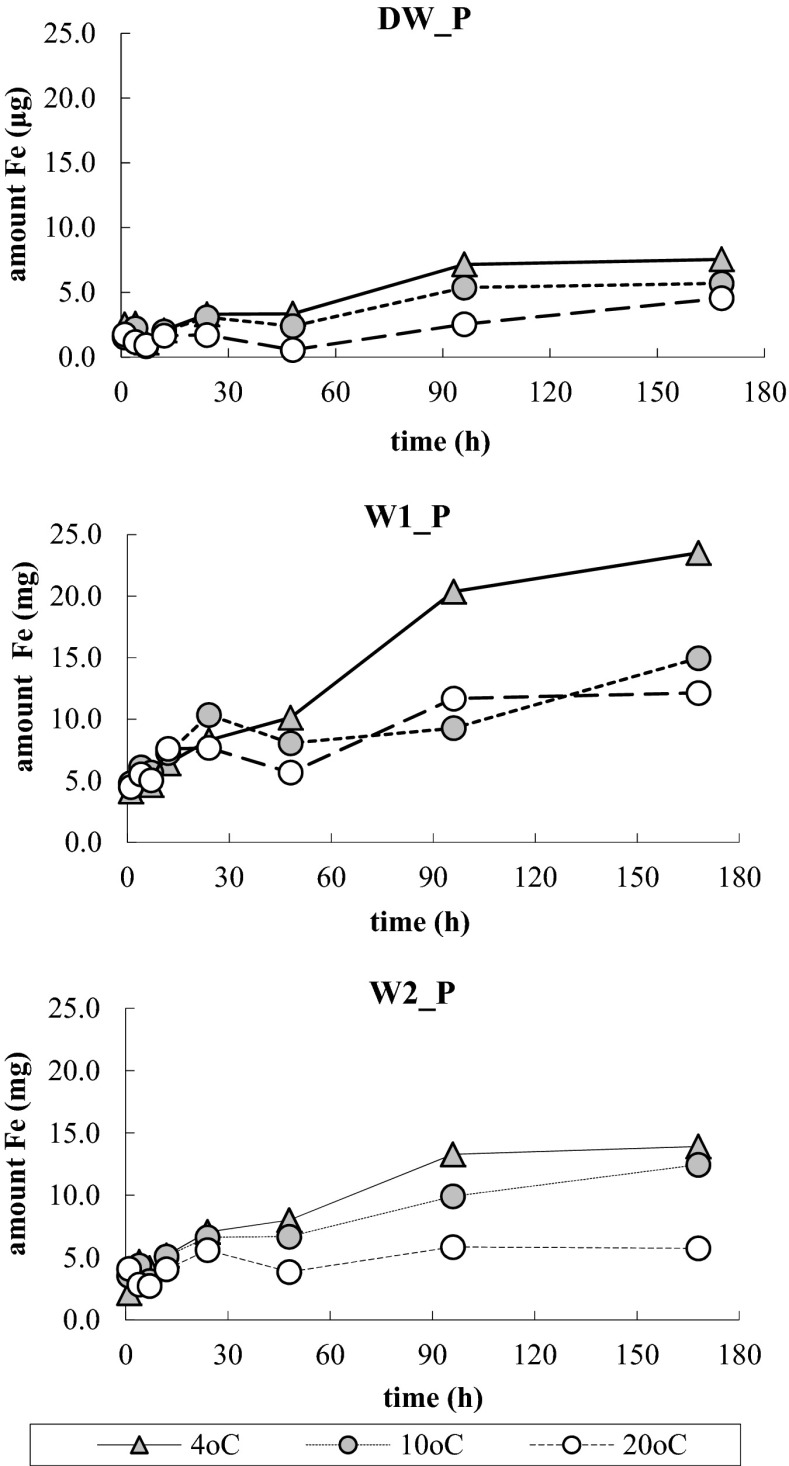
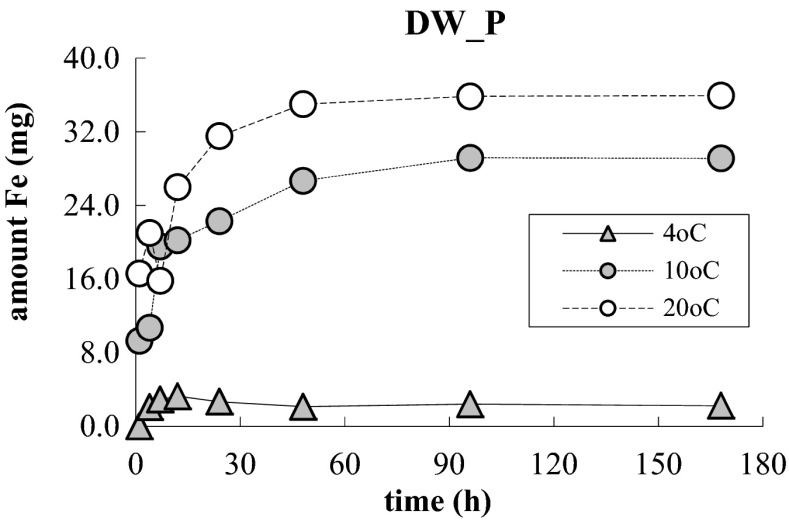
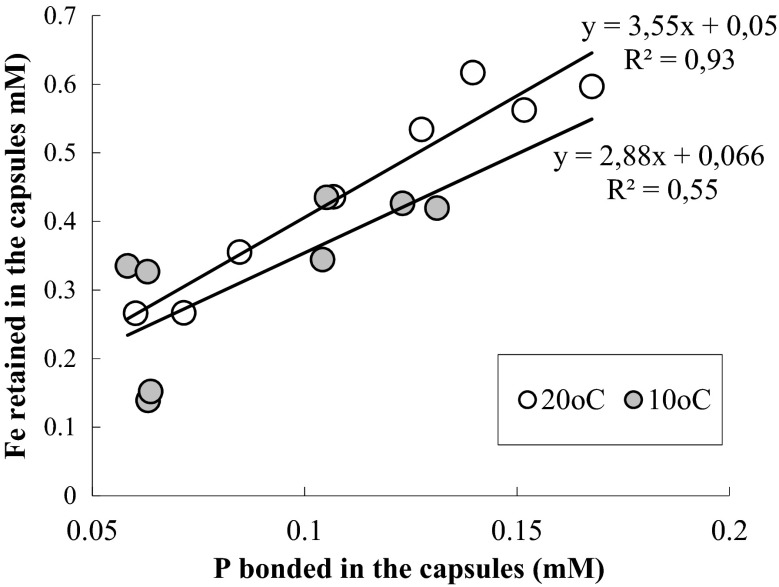
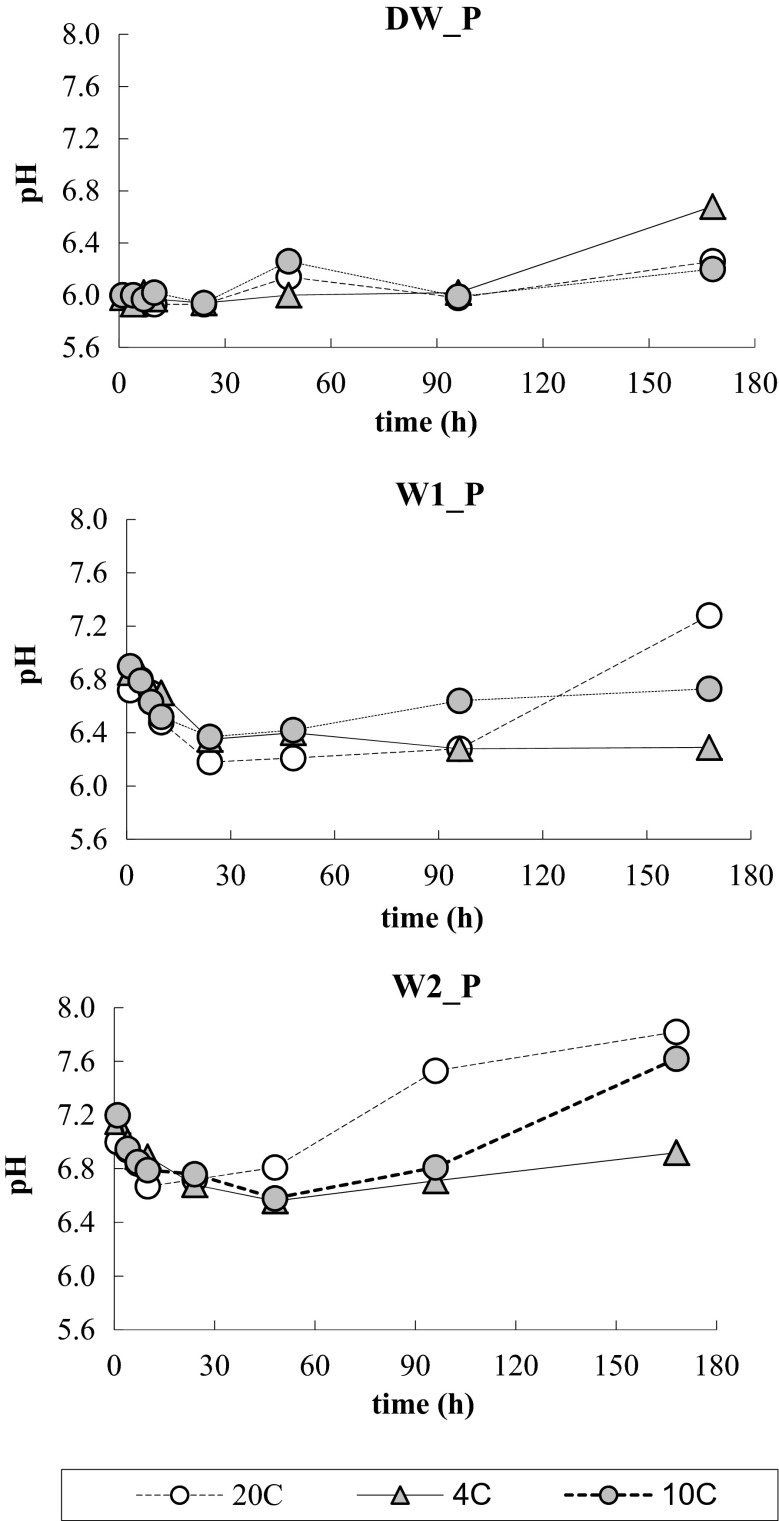
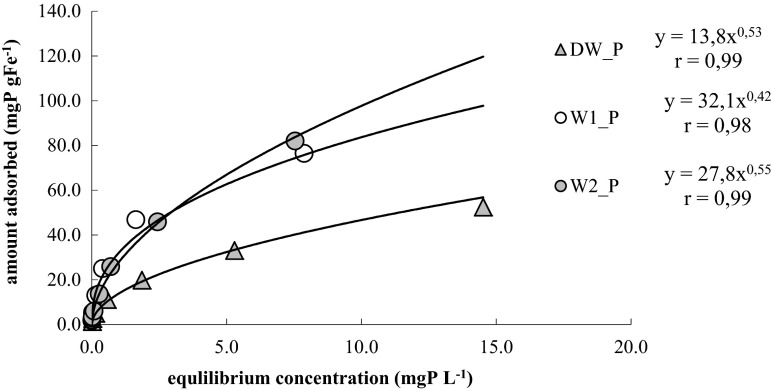
Binding phosphate at participation of alginate/FeCl capsules was studied with laboratory experiments. The hydrogel microcapsules were obtained with the dropping-in method, by gelation of sodium alginate water solution by iron (III) chloride solution. Phosphate adsorption characteristics were studied in a static batch system with respect to changes in contact time, initial phosphates concentration, pH of solution, and temperature. After 24 h of the tests, average 87.5% of phosphate ions were removed from the natural water solutions; after 48 h, an equilibrium was reached. The adsorption data were well fit by the Freundlich isotherm model. Parameter of the isotherms amounted from 43.4 to 104.7, whereas parameter amounted from 0.362 to 0.476. The course of processes of phosphate adsorption and iron desorption to aquatic phase, as well as changes in pH, suggests that phosphate adsorption is a major mechanism of phosphate removal, whereas simultaneously, but at a much lower degree, a process of precipitation of phosphate by iron (III) ions released from the capsules to the solution takes its place. Parameters calculated in the Freundlich isotherm equation show that by using several times smaller amounts of iron, it is possible to remove similar or bigger amounts of phosphorus than with other adsorbents containing iron. The alginate/FeCl adsorbent removes phosphate in a wide pH spectrum-from 4 to 10. Results suggest that the proposed adsorbent has potential in remediation of contaminated waters by phosphate.
通过实验室实验研究了藻酸盐/氯化铁胶囊参与结合磷酸盐的情况。采用滴入法,用氯化铁溶液使海藻酸钠水溶液凝胶化,从而获得水凝胶微胶囊。在静态间歇系统中,研究了接触时间、初始磷酸盐浓度、溶液pH值和温度变化对磷酸盐吸附特性的影响。测试24小时后,天然水溶液中平均87.5%的磷酸根离子被去除;48小时后达到平衡。吸附数据很好地符合Freundlich等温线模型。等温线参数在43.4至104.7之间,而参数在0.362至0.476之间。磷酸盐吸附和铁解吸到水相的过程以及pH值的变化表明,磷酸盐吸附是去除磷酸盐的主要机制,与此同时,程度较低的是胶囊释放到溶液中的铁(III)离子使磷酸盐沉淀的过程。Freundlich等温线方程计算出的参数表明,与其他含铁吸附剂相比,使用几倍少量的铁就可以去除相似或更多的磷。藻酸盐/氯化铁吸附剂在4至10的宽pH范围内去除磷酸盐。结果表明,所提出的吸附剂在修复受磷酸盐污染的水体方面具有潜力。