Schultheis Katherine, Schaefer Hubert, Yung Bryan S, Oh Janet, Muthumani Karuppiah, Humeau Laurent, Broderick Kate E, Smith Trevor R F
Inovio Pharmaceuticals, Inc., 660W. Germantown Pike, Suite 110, Plymouth Meeting, PA 19462, USA.
Intracelluar Pathogens, Robert Koch Institute, Nordufer 20, 13353 Berlin, Germany.
Vaccine. 2017 Jan 3;35(1):61-70. doi: 10.1016/j.vaccine.2016.11.052. Epub 2016 Nov 25.
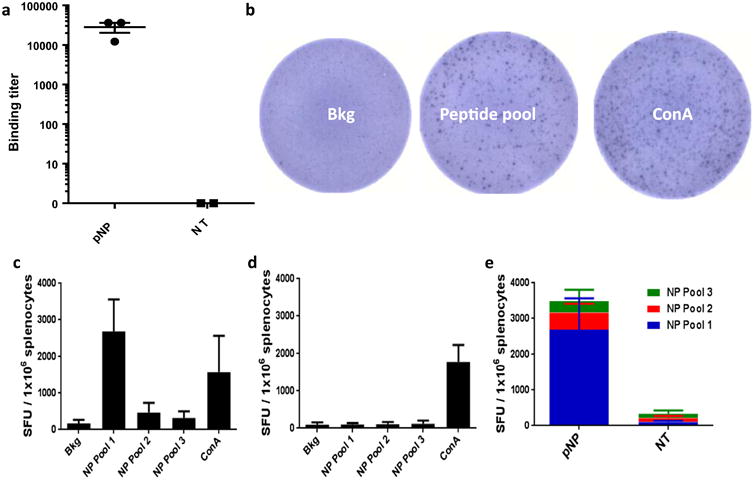
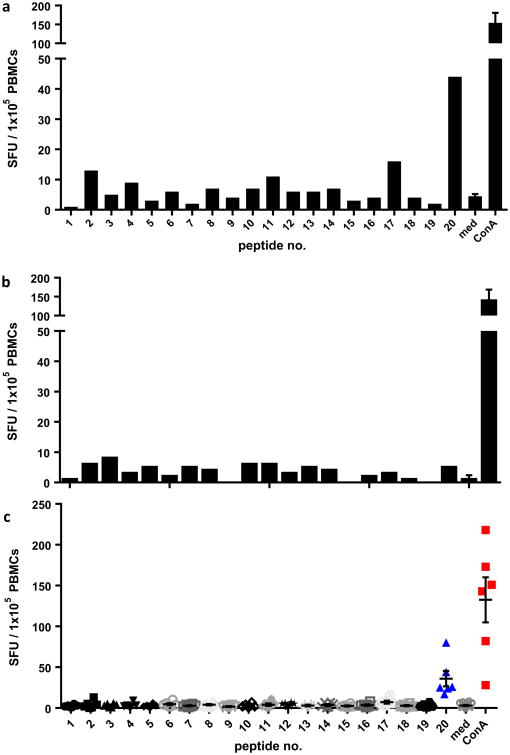
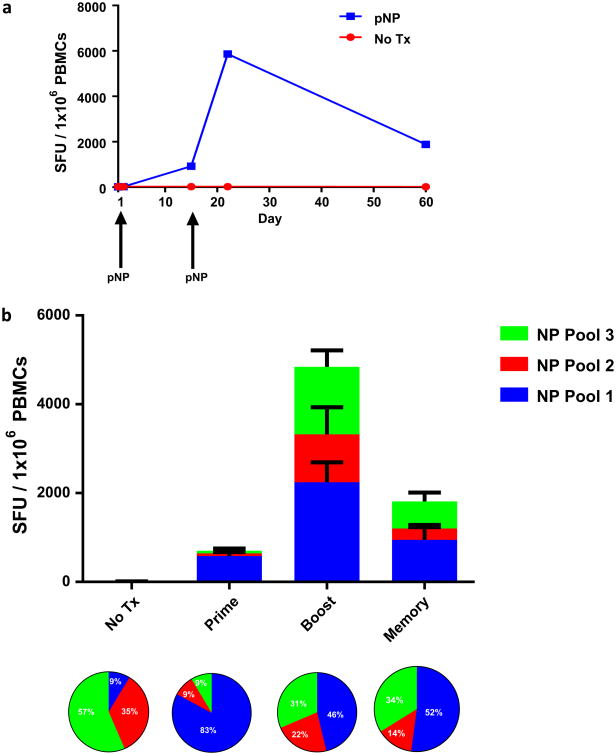
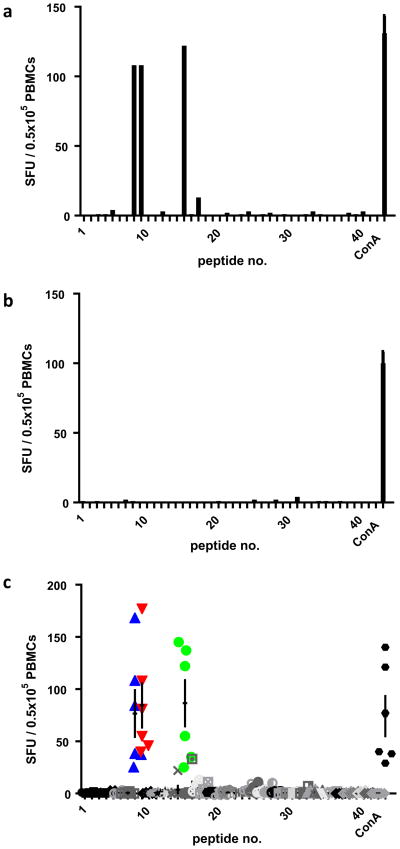
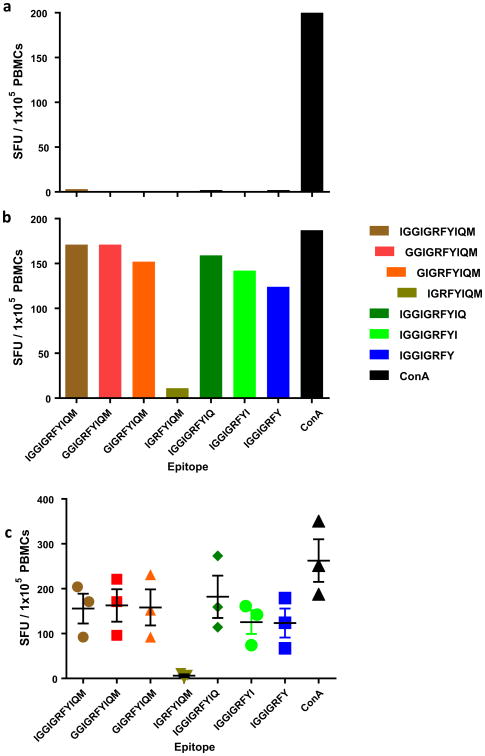
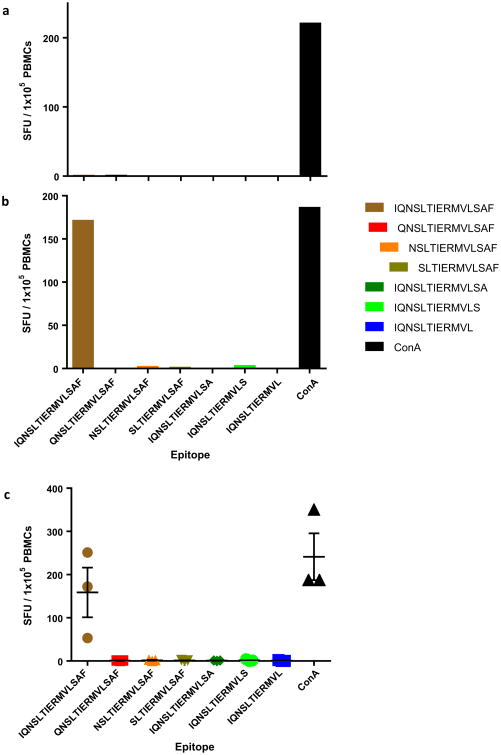
The skin is an ideal target tissue for vaccine delivery for a number of reasons. It is highly accessible, and most importantly, enriched in professional antigen presenting cells. Possessing strong similarities to human skin physiology and displaying a defined epidermis, the guinea pig is an appropriate model to study epidermal delivery of vaccine. However, whilst we have characterized the humoral responses in the guinea pig associated with skin vaccine protocols we have yet to investigate the T cell responses. In response to this inadequacy, we developed an IFN-γ ELISpot assay to characterize the cellular immune response in the peripheral blood of guinea pigs. Using a nucleoprotein (NP) influenza pDNA vaccination regimen, we characterized host T cell responses. After delivery of the DNA vaccine to the guinea pig epidermis we detected robust and rapid T cell responses. The levels of IFN-γ spot-forming units averaged approximately 5000 per million cells after two immunizations. These responses were broad in that multiple regions across the NP antigen elicited a T cell response. Interestingly, we identified a number of NP immunodominant T cell epitopes to be conserved across an outbred guinea pig population, a phenomenon which was also observed after immunization with a RSV DNA vaccine. We believe this data enhances our understanding of the cellular immune response elicited to a vaccine in guinea pigs, and globally, will advance the use of this model for vaccine development, especially those targeting skin as a delivery site.
出于多种原因,皮肤是疫苗递送的理想靶组织。它极易接近,最重要的是,富含专业抗原呈递细胞。豚鼠与人类皮肤生理学有很强的相似性,且表皮明确,是研究疫苗表皮递送的合适模型。然而,尽管我们已经对豚鼠中与皮肤疫苗方案相关的体液反应进行了表征,但我们尚未研究T细胞反应。针对这一不足,我们开发了一种IFN-γ ELISpot检测方法来表征豚鼠外周血中的细胞免疫反应。使用核蛋白(NP)流感pDNA疫苗接种方案,我们对宿主T细胞反应进行了表征。将DNA疫苗递送至豚鼠表皮后,我们检测到了强烈而快速的T细胞反应。两次免疫后,IFN-γ斑点形成单位的水平平均约为每百万细胞5000个。这些反应具有广泛性,因为NP抗原的多个区域都引发了T细胞反应。有趣的是,我们确定了一些NP免疫显性T细胞表位在远交豚鼠群体中是保守的,在用RSV DNA疫苗免疫后也观察到了这一现象。我们相信,这些数据增强了我们对豚鼠疫苗引发的细胞免疫反应的理解,并且在全球范围内,将推动该模型在疫苗开发中的应用,尤其是那些以皮肤作为递送部位的疫苗。