Department of Psychology and Neuroscience, Dalhousie University , Halifax B3H 4R2, Nova Scotia, Canada.
Department of Psychology and Neuroscience, Dalhousie University, Halifax B3H 4R2, Nova Scotia, Canada; Department of Psychiatry, Dalhousie University, Halifax B3H 4R2, Nova Scotia, Canada; Brain Repair Centre, Dalhousie University, Halifax B3H 4R2, Nova Scotia, Canada.
eNeuro. 2016 Nov 17;3(6). doi: 10.1523/ENEURO.0231-16.2016. eCollection 2016 Nov-Dec.
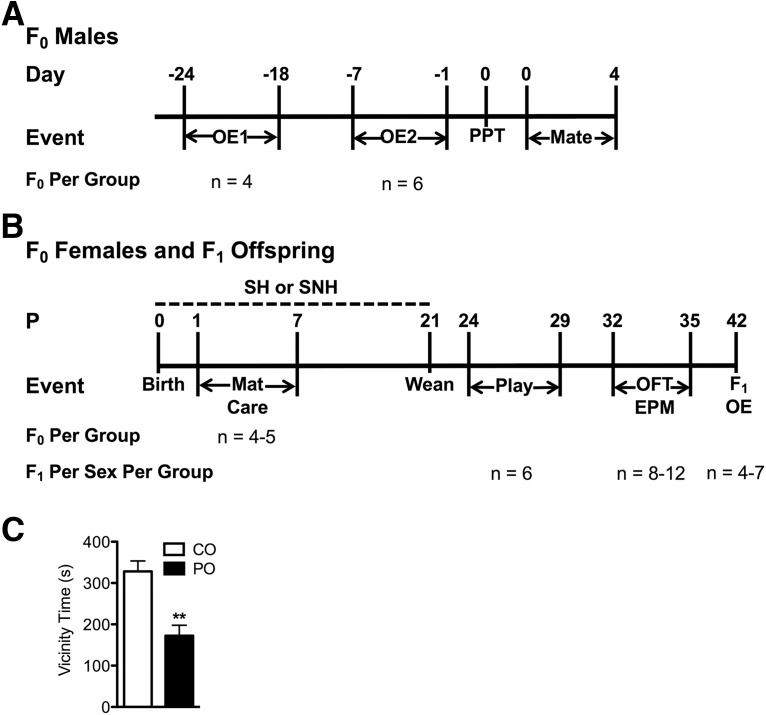
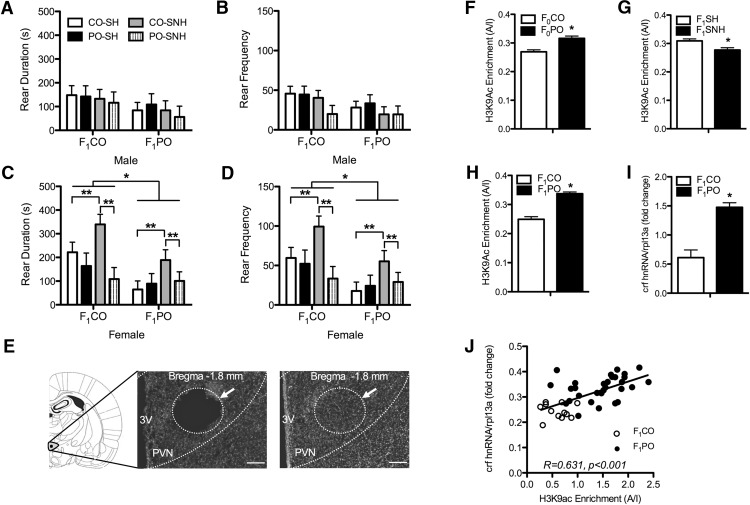
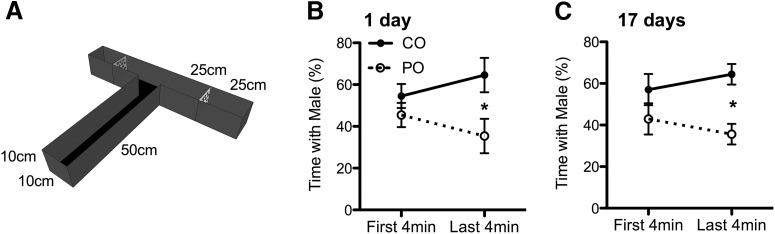
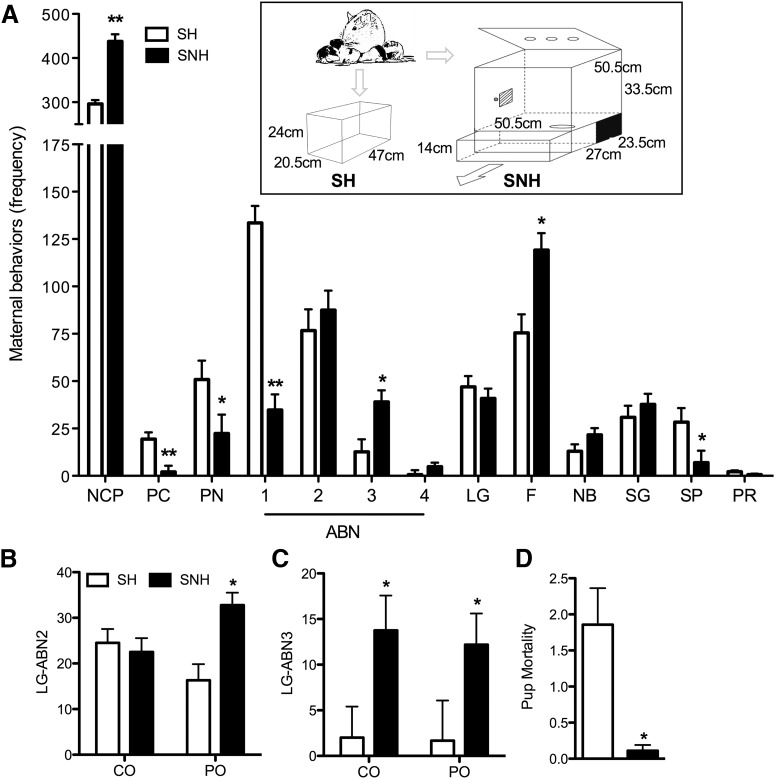
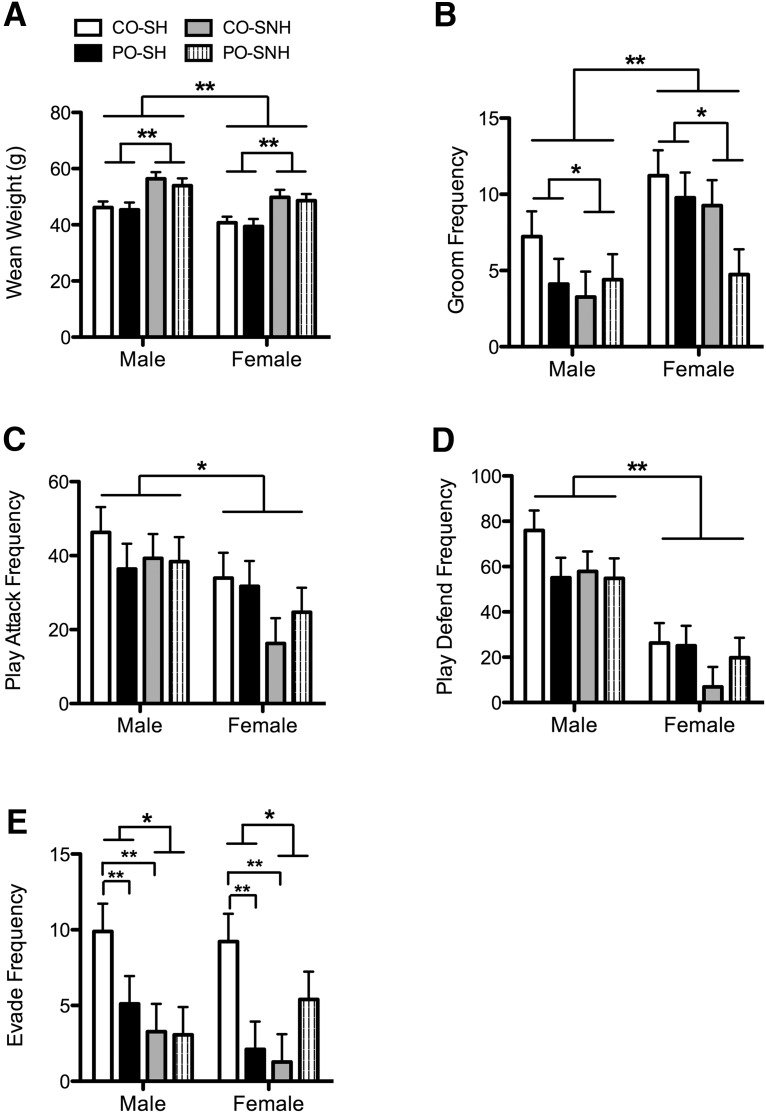
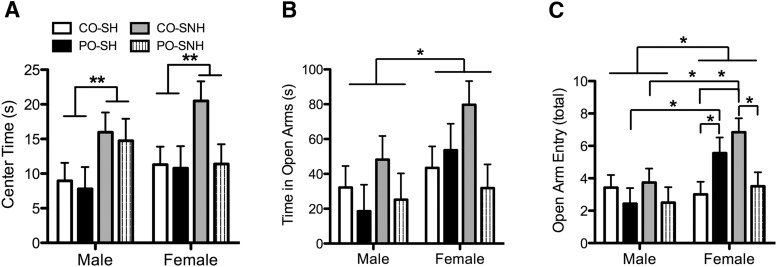
Detecting past experiences with predators of a potential mate informs a female about prevailing ecological threats, in addition to stress-induced phenotypes that may be disseminated to offspring. We examined whether prior exposure of a male rat to a predator (cat) odor influences the attraction of a female toward a male, subsequent mother-infant interactions and the development of defensive (emotional) responses in the offspring. Females displayed less interest in males that had experienced predator odor. Mothers that reared young in larger, seminaturalistic housing provided more licking and grooming and active arched back-nursing behavior toward their offspring compared with dams housed in standard housing, although some effects interacted with paternal experience. Paternal predation risk and maternal rearing environment revealed sex-dependent differences in offspring wean weight, juvenile social interactions, and anxiety-like behavior in adolescence. Additionally, paternal predator experience and maternal housing independently affected variations in gene promoter acetylation and gene expression in response to an acute stressor in offspring. Our results show for the first time in mammals that variation among males in their predator encounters may contribute to stable behavioral variation among females in preference for mates and maternal care, even when the females are not directly exposed to predator threat. Furthermore, when offspring were exposed to the same threat experienced by the father, hypothalamic gene regulation was influenced by paternal olfactory experience and early housing. These results, together with our previous findings, suggest that paternal stress exposure and maternal rearing conditions can influence maternal behavior and the development of defensive responses in offspring.
检测潜在配偶捕食者的过往经历,可以为女性提供有关普遍生态威胁的信息,此外还可以传播到后代身上的应激诱导表型。我们研究了雄性大鼠先前暴露于捕食者(猫)气味是否会影响雌性对雄性的吸引力、随后的母婴互动以及后代防御(情绪)反应的发展。与没有经历过捕食者气味的雄性相比,雌性对雄性的兴趣较小。与标准笼养的母鼠相比,在较大的半自然环境中养育幼鼠的母鼠对其后代的舔舐和梳理以及积极拱形后背哺乳行为更多,但有些影响与父代经验相互作用。父代捕食风险和母代养育环境揭示了后代断奶体重、幼年期社交互动和青春期焦虑样行为的性别依赖性差异。此外,父代捕食经验和母代饲养环境独立地影响了后代对急性应激源的基因启动子乙酰化和基因表达的变化。我们的研究结果首次表明,在哺乳动物中,雄性之间捕食者遭遇的变化可能导致雌性对配偶和母性照顾的偏好存在稳定的行为变化,即使雌性没有直接暴露于捕食者威胁之下。此外,当后代暴露于与父亲相同的威胁时,下丘脑基因调节受到父代嗅觉经验和早期饲养的影响。这些结果与我们之前的研究结果一起表明,父代应激暴露和母代养育条件可以影响后代的母性行为和防御反应的发展。