Bruske Ellen Inga, Dimonte Sandra, Enderes Corinna, Tschan Serena, Flötenmeyer Matthias, Koch Iris, Berger Jürgen, Kremsner Peter, Frank Matthias
Institute of Tropical Medicine, University of Tuebingen, Tuebingen, Germany.
Max Planck Institute for Developmental Biology, Tuebingen, Germany.
PLoS One. 2016 Dec 1;11(12):e0166135. doi: 10.1371/journal.pone.0166135. eCollection 2016.
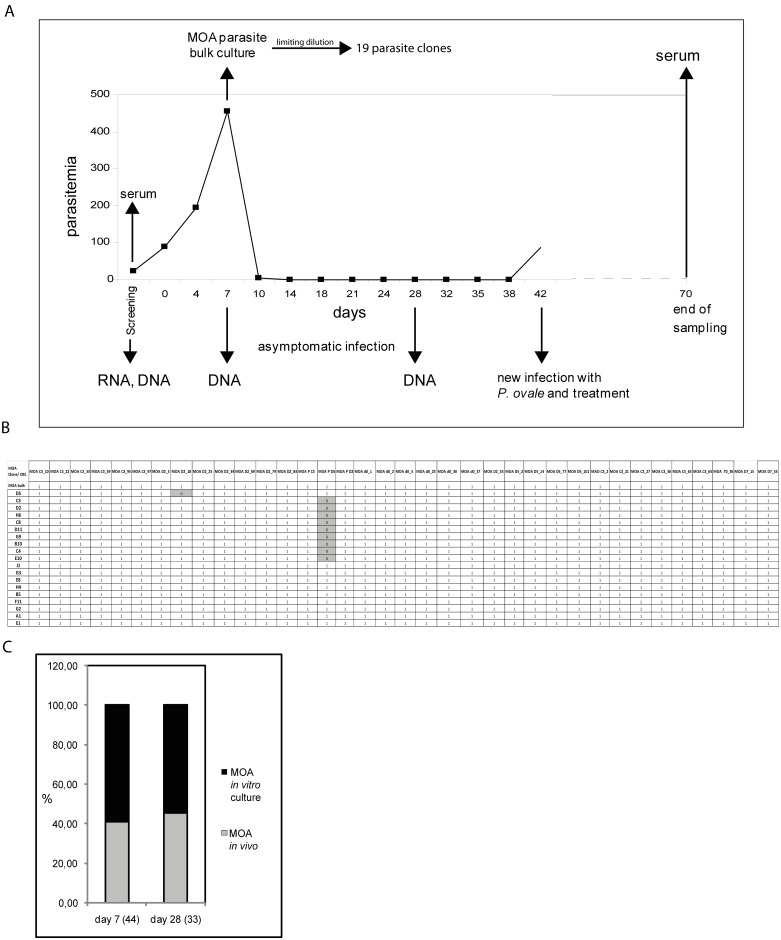
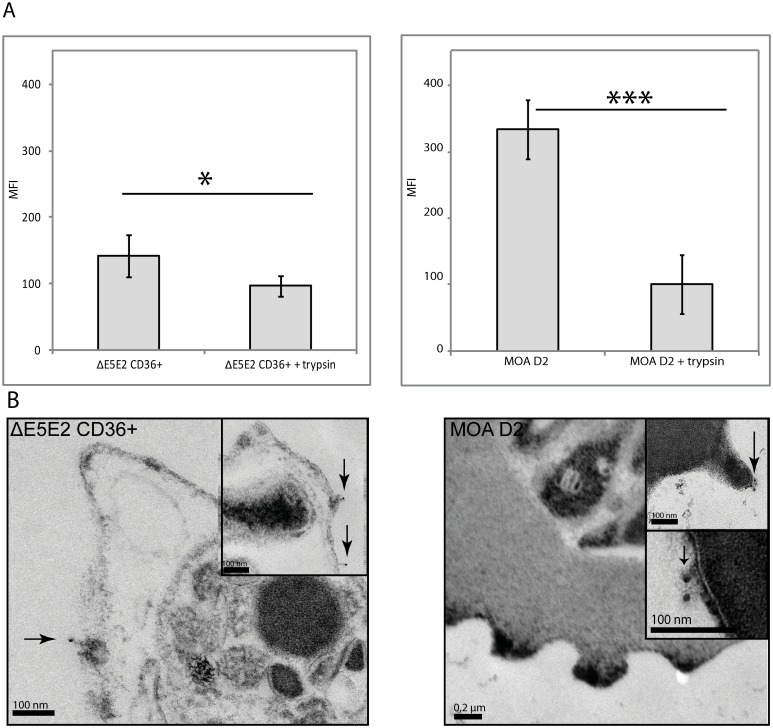
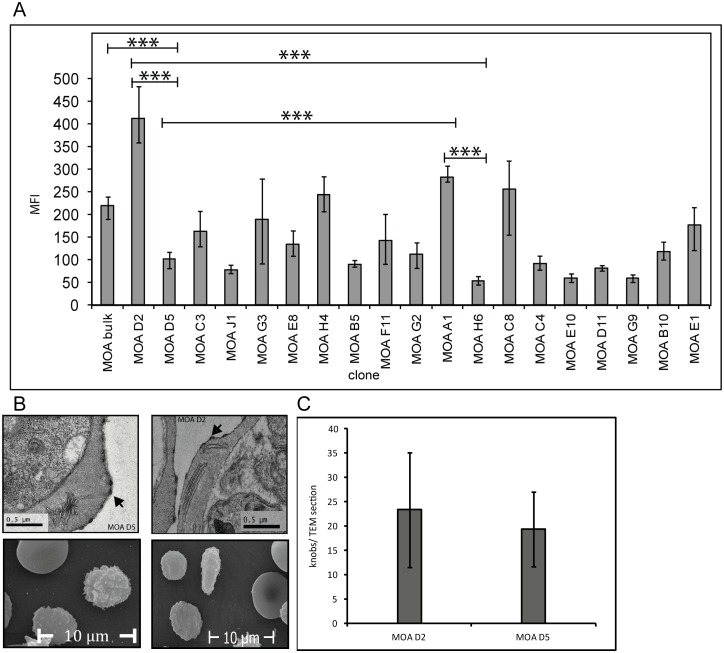
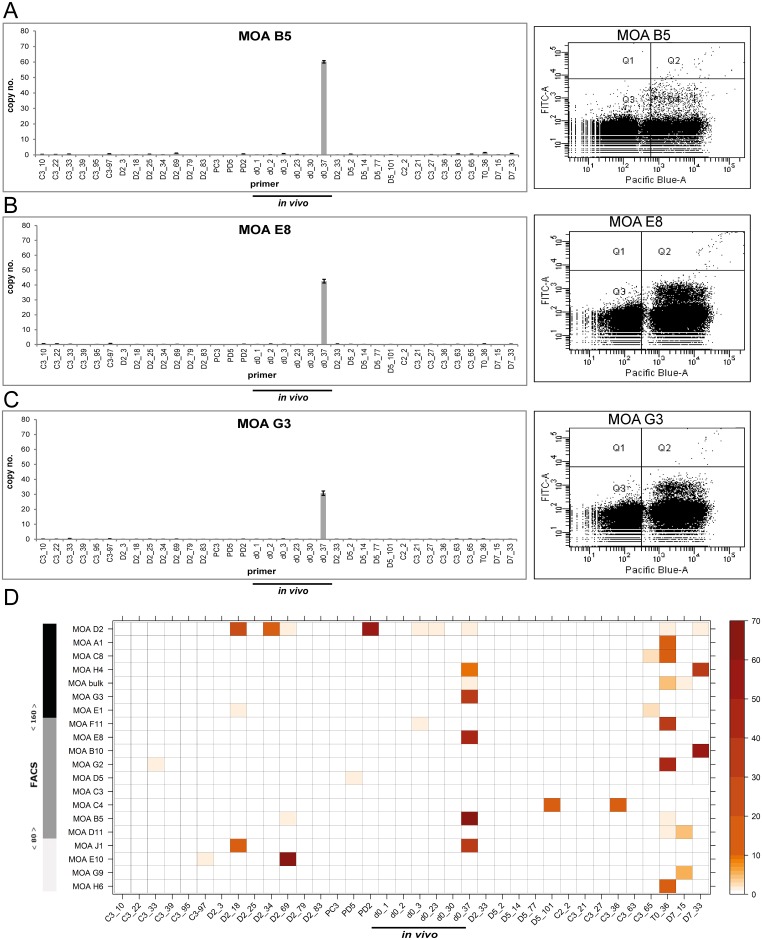
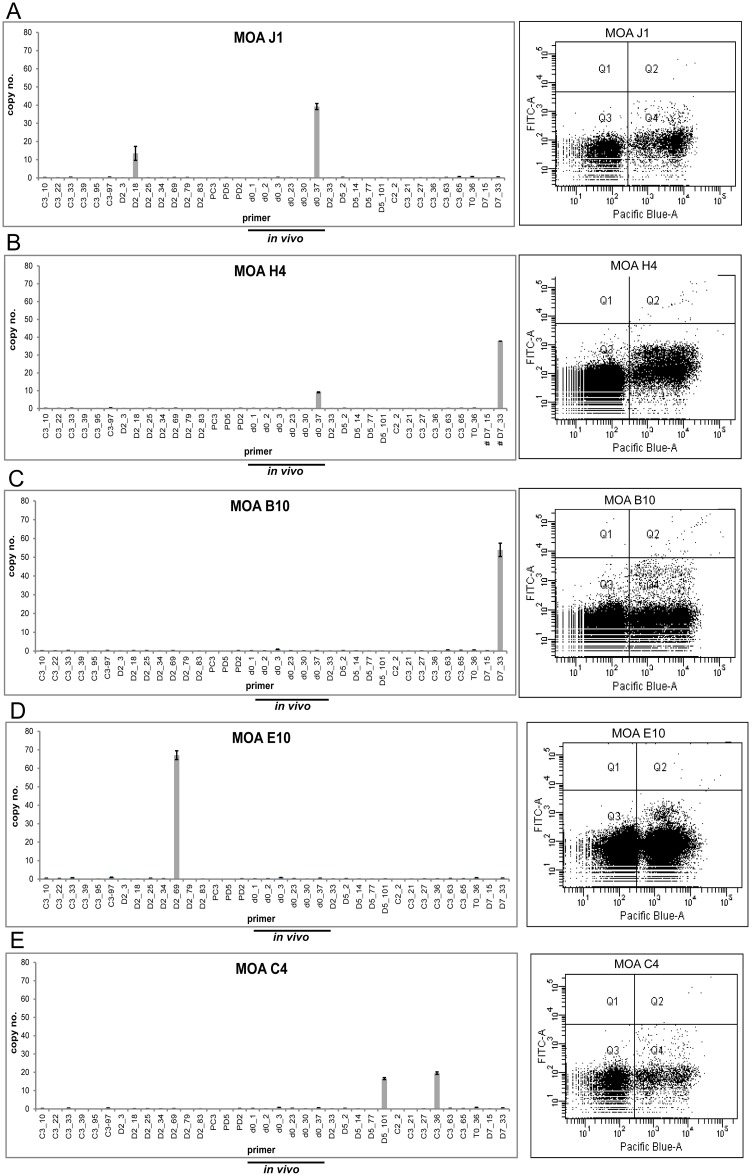
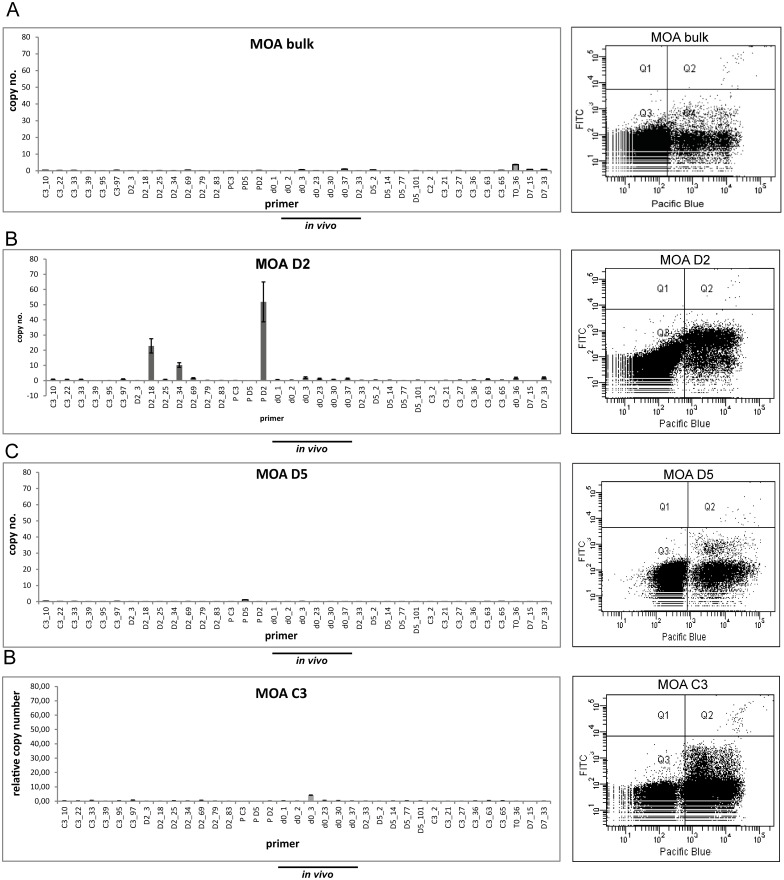
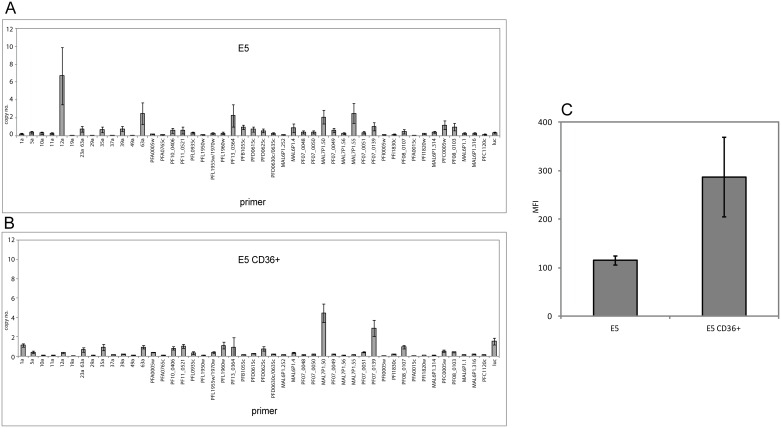
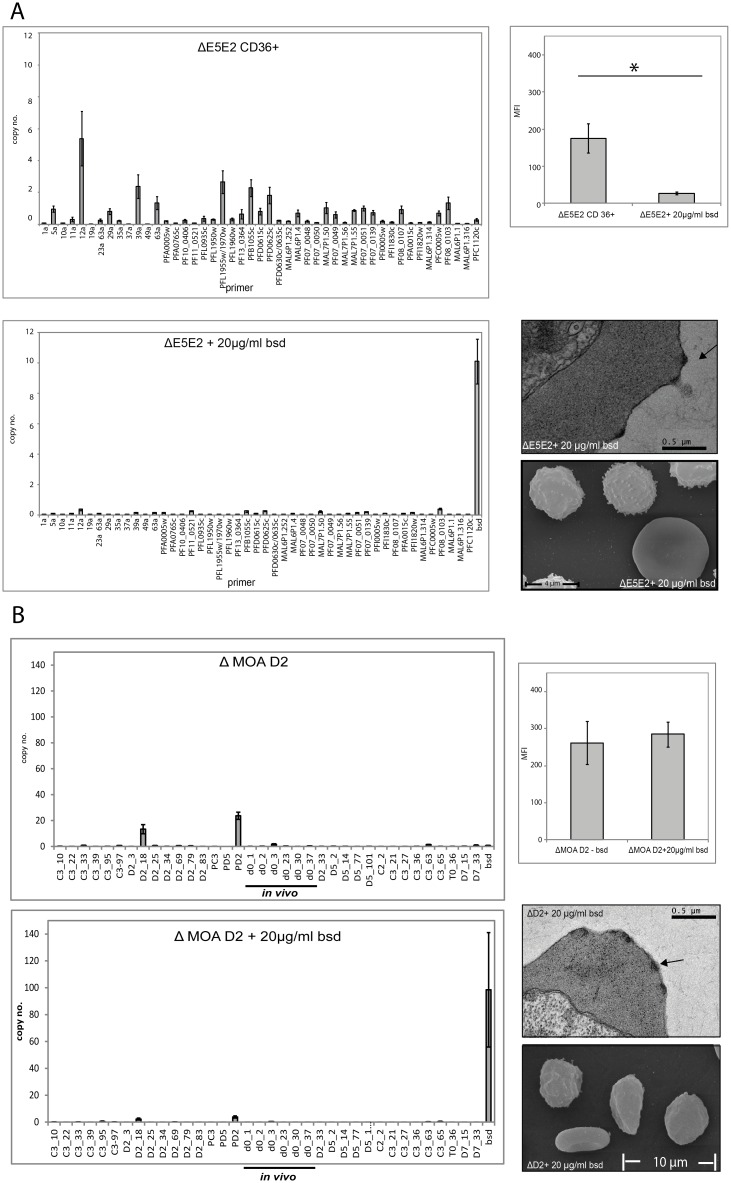
Plasmodium falciparum erythrocyte membrane protein 1 (PfEMP1) is considered to be the main variant surface antigen (VSA) of Plasmodium falciparum and is mainly localized on electron-dense knobs in the membrane of the infected erythrocyte. Switches in PfEMP1 expression provide the basis for antigenic variation and are thought to be critical for parasite persistence during chronic infections. Recently, strain transcending anti-PfEMP1 immunity has been shown to develop early in life, challenging the role of PfEMP1 in antigenic variation during chronic infections. In this work we investigate how P. falciparum achieves persistence during a chronic asymptomatic infection. The infected individual (MOA) was parasitemic for 42 days and multilocus var gene genotyping showed persistence of the same parasite population throughout the infection. Parasites from the beginning of the infection were adapted to tissue culture and cloned by limiting dilution. Flow cytometry using convalescent serum detected a variable surface recognition signal on isogenic clonal parasites. Quantitative real-time PCR with a field isolate specific var gene primer set showed that the surface recognition signal was not correlated with transcription of individual var genes. Strain transcending anti-PfEMP1 immunity of the convalescent serum was demonstrated with CD36 selected and PfEMP1 knock-down NF54 clones. In contrast, knock-down of PfEMP1 did not have an effect on the antibody recognition signal in MOA clones. Trypsinisation of the membrane surface proteins abolished the surface recognition signal and immune electron microscopy revealed that antibodies from the convalescent serum bound to membrane areas without knobs and with knobs. Together the data indicate that PfEMP1 is not the main variable surface antigen during a chronic infection and suggest a role for trypsin sensitive non-PfEMP1 VSAs for parasite persistence in chronic infections.
恶性疟原虫红细胞膜蛋白1(PfEMP1)被认为是恶性疟原虫的主要可变表面抗原(VSA),主要定位于受感染红细胞膜上的电子致密隆起。PfEMP1表达的转换为抗原变异提供了基础,并且被认为对于慢性感染期间寄生虫的持续存在至关重要。最近,已证明超越菌株的抗PfEMP1免疫在生命早期就已发展起来,这对PfEMP1在慢性感染期间抗原变异中的作用提出了挑战。在这项工作中,我们研究了恶性疟原虫如何在慢性无症状感染期间实现持续存在。受感染个体(MOA)的寄生虫血症持续了42天,多位点var基因基因分型显示在整个感染过程中相同寄生虫群体持续存在。从感染开始的寄生虫适应了组织培养并通过有限稀释进行克隆。使用恢复期血清的流式细胞术检测到同基因克隆寄生虫上的可变表面识别信号。使用田间分离株特异性var基因引物组的定量实时PCR表明,表面识别信号与单个var基因的转录不相关。用CD36选择和PfEMP1敲低的NF54克隆证明了恢复期血清超越菌株的抗PfEMP1免疫。相比之下,PfEMP1的敲低对MOA克隆中的抗体识别信号没有影响。膜表面蛋白的胰蛋白酶处理消除了表面识别信号,免疫电子显微镜显示恢复期血清中的抗体与没有隆起和有隆起的膜区域结合。这些数据共同表明,PfEMP1在慢性感染期间不是主要的可变表面抗原,并提示胰蛋白酶敏感的非PfEMP1 VSA在慢性感染中对寄生虫持续存在的作用。