Department of Surgery, University of Iowa, 200 Hawkins Drive, 1516 JCP, Iowa City, IA 52242, USA.
Department of Surgery, University of Iowa, 200 Hawkins Drive, 1516 JCP, Iowa City, IA 52242, USA.
Stem Cell Reports. 2016 Dec 13;7(6):1140-1151. doi: 10.1016/j.stemcr.2016.11.001. Epub 2016 Dec 1.
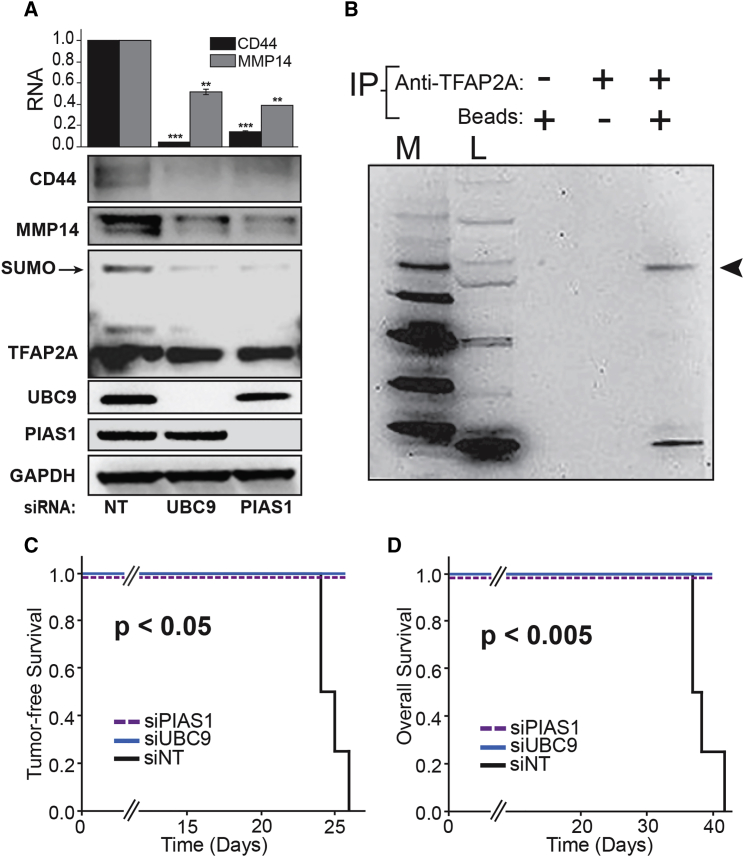
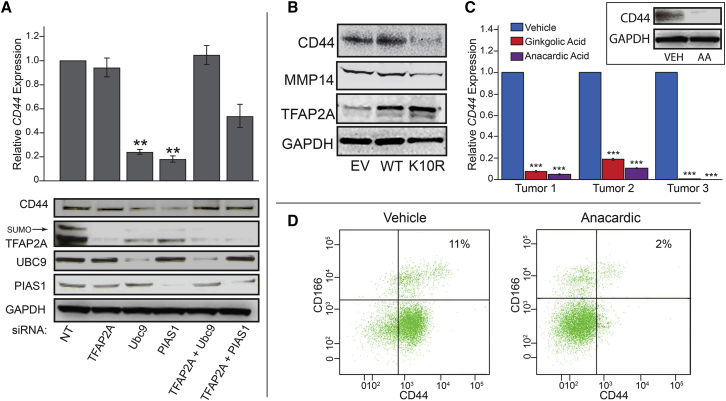
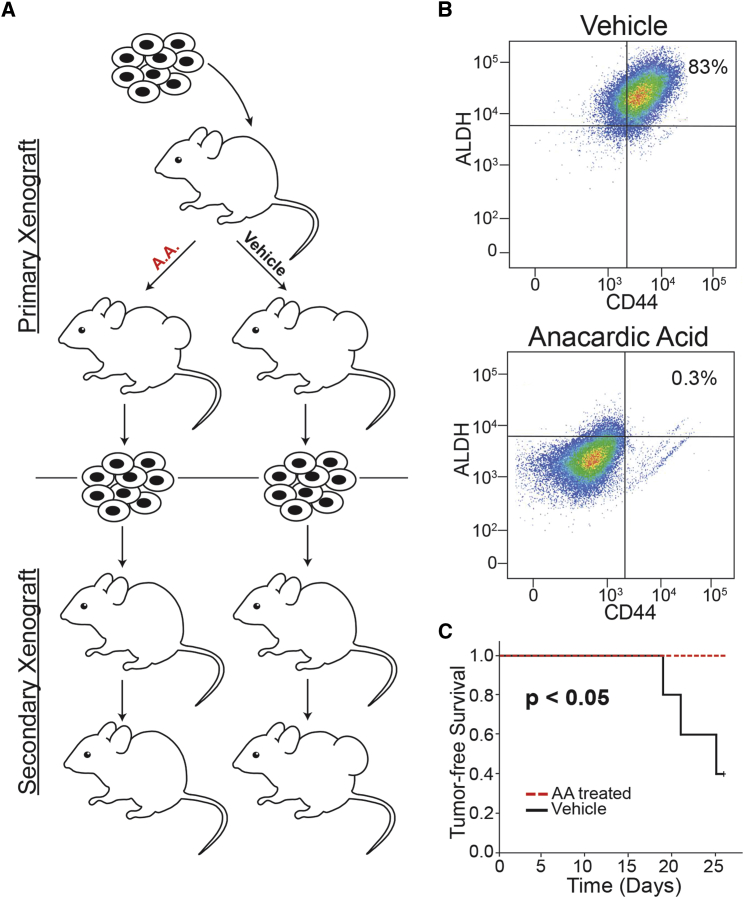
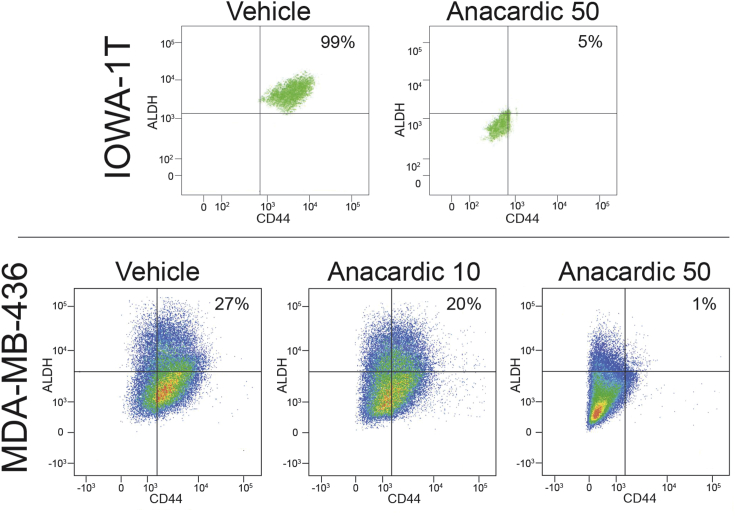
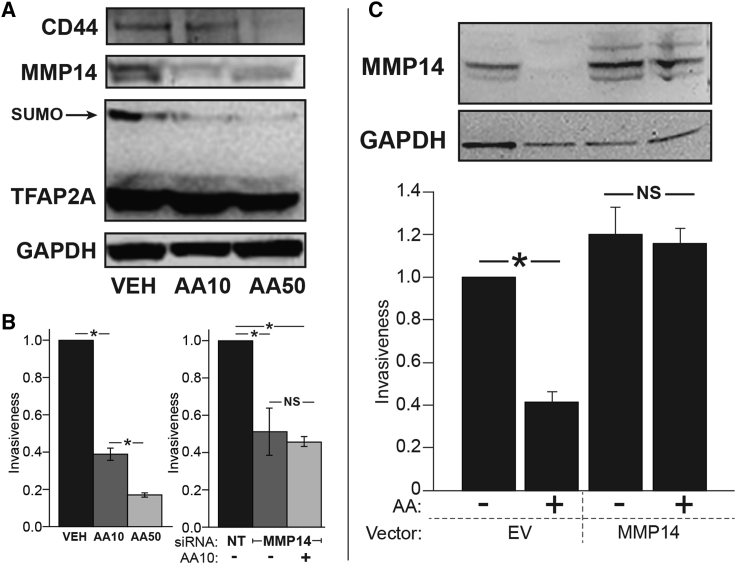
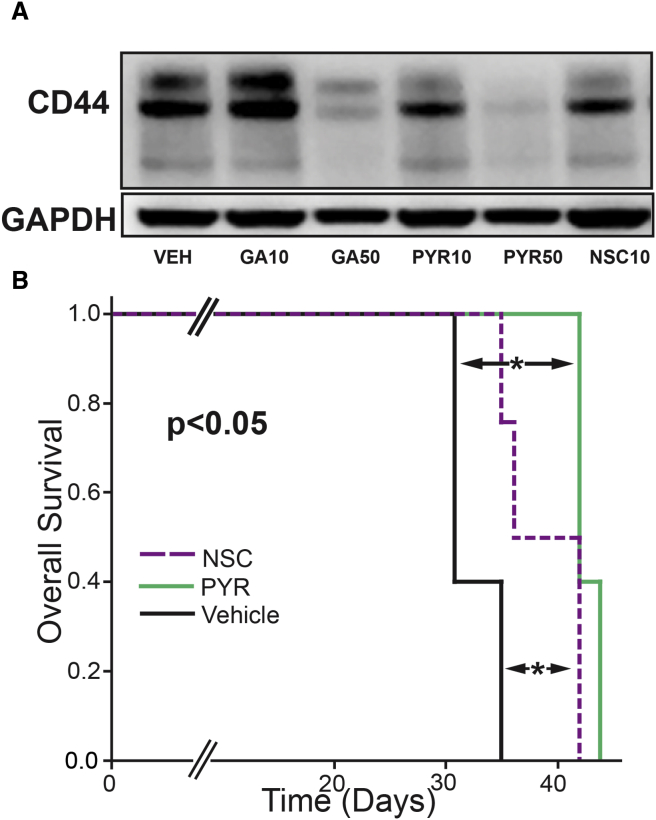
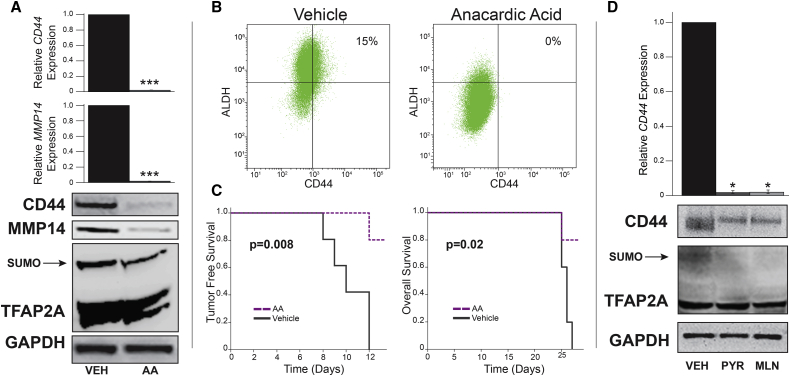
Many solid cancers have an expanded CD44/CD24 cancer stem cell (CSC) population, which are relatively chemoresistant and drive recurrence and metastasis. Achieving a more durable response requires the development of therapies that specifically target CSCs. Recent evidence indicated that inhibiting the SUMO pathway repressed tumor growth and invasiveness, although the mechanism has yet to be clarified. Here, we demonstrate that inhibition of the SUMO pathway repressed MMP14 and CD44 with a concomitant reduction in cell invasiveness and functional loss of CSCs in basal breast cancer. Similar effects were demonstrated with a panel of E1 and E3 SUMO inhibitors. Identical results were obtained in a colorectal cancer cell line and primary colon cancer cells. In both breast and colon cancer, SUMO-unconjugated TFAP2A mediated the effects of SUMO inhibition. These data support the development of SUMO inhibitors as an approach to specifically target the CSC population in breast and colorectal cancer.
许多实体瘤都有扩增的 CD44/CD24 癌症干细胞 (CSC) 群体,这些细胞相对具有化疗耐药性,并导致复发和转移。要实现更持久的反应,需要开发专门针对 CSC 的治疗方法。最近的证据表明,抑制 SUMO 途径可以抑制肿瘤生长和侵袭性,尽管其机制尚未阐明。在这里,我们证明抑制 SUMO 途径可以抑制 MMP14 和 CD44,同时降低基底乳腺癌的细胞侵袭性和 CSC 的功能丧失。用一组 E1 和 E3 SUMO 抑制剂进行了类似的实验。在结直肠癌细胞系和原发性结肠癌细胞中也得到了相同的结果。在乳腺癌和结肠癌中,SUMO 非缀合的 TFAP2A 介导了 SUMO 抑制的作用。这些数据支持开发 SUMO 抑制剂作为一种专门针对乳腺癌和结直肠癌 CSC 群体的方法。