Traller Jesse C, Cokus Shawn J, Lopez David A, Gaidarenko Olga, Smith Sarah R, McCrow John P, Gallaher Sean D, Podell Sheila, Thompson Michael, Cook Orna, Morselli Marco, Jaroszewicz Artur, Allen Eric E, Allen Andrew E, Merchant Sabeeha S, Pellegrini Matteo, Hildebrand Mark
Scripps Institution of Oceanography, University California San Diego, 9500 Gilman Drive, La Jolla, CA 92093-0202 USA.
Institute for Genomics and Proteomics, University of California, Los Angeles, CA 90095 USA.
Biotechnol Biofuels. 2016 Nov 25;9:258. doi: 10.1186/s13068-016-0670-3. eCollection 2016.
Improvement in the performance of eukaryotic microalgae for biofuel and bioproduct production is largely dependent on characterization of metabolic mechanisms within the cell. The marine diatom which was originally identified in the Aquatic Species Program, is a promising strain of microalgae for large-scale production of biofuel and bioproducts, such as omega-3 fatty acids.
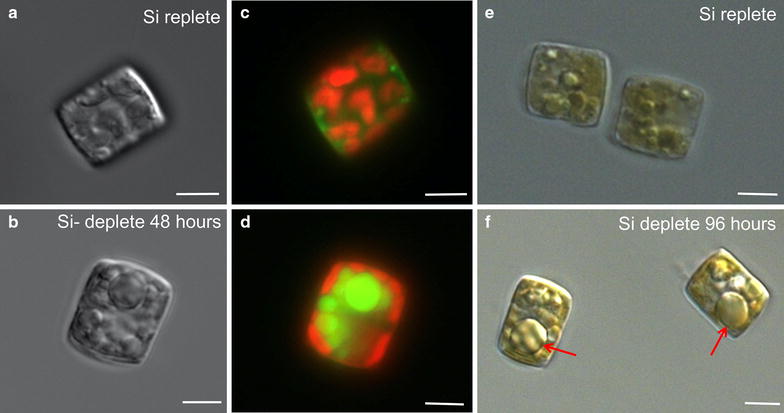
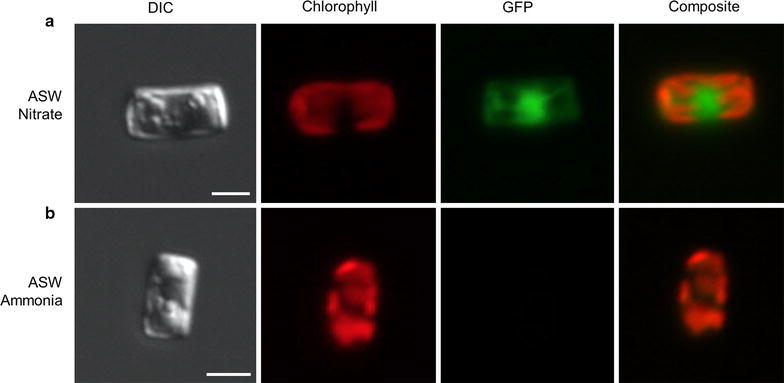
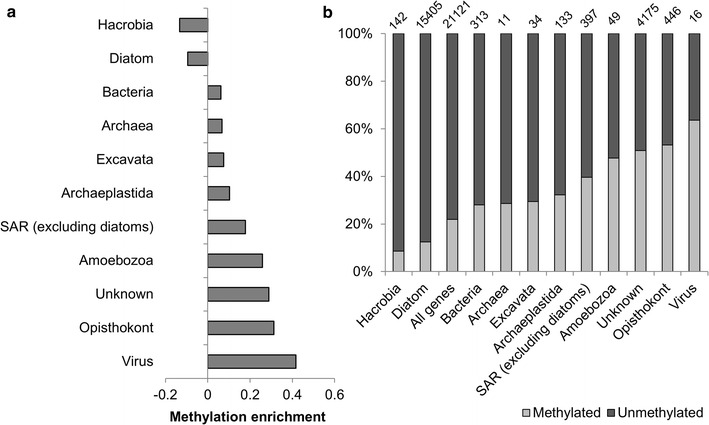
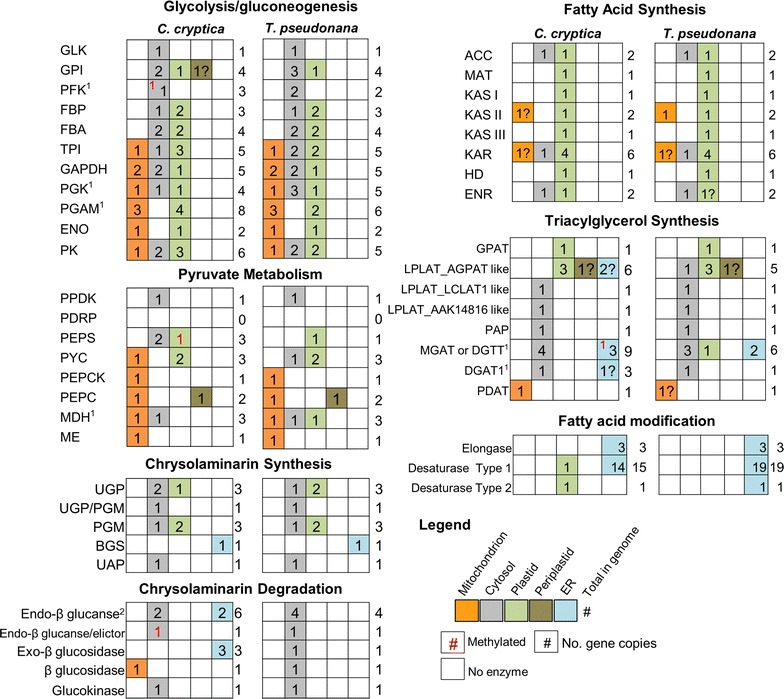
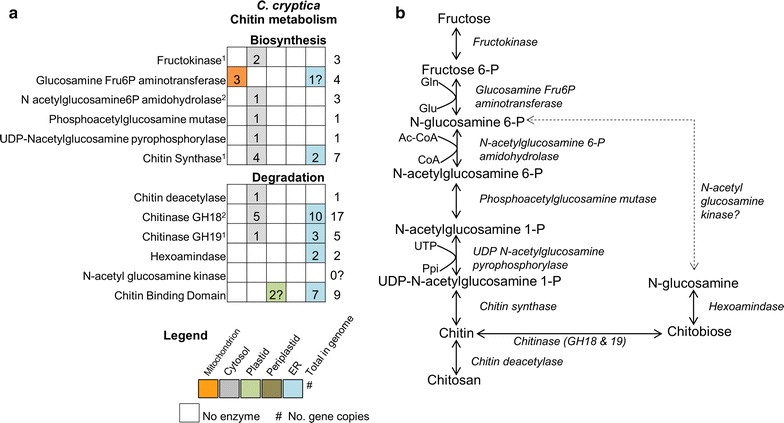
We sequenced the nuclear genome and methylome of this oleaginous diatom to identify the genetic traits that enable substantial accumulation of triacylglycerol. The genome is comprised of highly methylated repetitive sequence, which does not significantly change under silicon starved lipid induction, and data further suggests the primary role of DNA methylation is to suppress DNA transposition. Annotation of pivotal glycolytic, lipid metabolism, and carbohydrate degradation processes reveal an expanded enzyme repertoire in that would allow for an increased metabolic capacity toward triacylglycerol production. Identification of previously unidentified genes, including those involved in carbon transport and chitin metabolism, provide potential targets for genetic manipulation of carbon flux to further increase its lipid phenotype. New genetic tools were developed, bringing this organism on a par with other microalgae in terms of genetic manipulation and characterization approaches.
Functional annotation and detailed cross-species comparison of key carbon rich processes in highlights the importance of enzymatic subcellular compartmentation for regulation of carbon flux, which is often overlooked in photosynthetic microeukaryotes. The availability of the genome sequence, as well as advanced genetic manipulation tools enable further development of this organism for deployment in large-scale production systems.
真核微藻在生物燃料和生物产品生产方面性能的提升很大程度上取决于细胞内代谢机制的表征。最初在水生物种计划中鉴定出的海洋硅藻,是用于大规模生产生物燃料和生物产品(如ω-3脂肪酸)的一种很有前景的微藻菌株。
我们对这种产油硅藻的核基因组和甲基化组进行了测序,以确定能够使三酰甘油大量积累的遗传特性。该基因组由高度甲基化的重复序列组成,在硅饥饿脂质诱导下不会显著变化,并且数据进一步表明DNA甲基化的主要作用是抑制DNA转座。对关键糖酵解、脂质代谢和碳水化合物降解过程的注释揭示了一个扩展的酶库,这将使三酰甘油生产的代谢能力增强。鉴定出以前未鉴定的基因,包括那些参与碳运输和几丁质代谢的基因,为遗传操纵碳通量以进一步增强其脂质表型提供了潜在靶点。开发了新的遗传工具,使这种生物在遗传操纵和表征方法方面与其他微藻处于同等水平。
对关键富碳过程的功能注释和详细的跨物种比较突出了酶亚细胞区室化对碳通量调节的重要性,而这在光合微真核生物中常常被忽视。基因组序列的可用性以及先进的遗传操纵工具能够进一步开发这种生物,以便在大规模生产系统中应用。