Qi Weier, Li Qian, Liew Chong Wee, Rask-Madsen Christian, Lockhart Samuel M, Rasmussen Lars Melholt, Xia Yu, Wang Xuanchun, Khamaisi Mogher, Croce Kevin, King George L
Research Division, Joslin Diabetes Center, Harvard Medical School, Dianne Nunnally Hoppes Laboratories, One Joslin Place, Boston, MA, 02215, USA.
Department of Physiology and Biophysics, University of Illinois at Chicago, Chicago, IL, USA.
Diabetologia. 2017 Mar;60(3):585-596. doi: 10.1007/s00125-016-4159-1. Epub 2016 Dec 9.
AIMS/HYPOTHESIS: Accelerated migration and proliferation of vascular smooth muscle cells (VSMCs) enhances arterial restenosis after angioplasty in insulin resistance and diabetes. Elevation of Src homology 2-containing protein tyrosine phosphatase 1 (SHP-1) induces apoptosis in the microvasculature. However, the role of SHP-1 in intimal hyperplasia and restenosis has not been clarified in insulin resistance and diabetes.
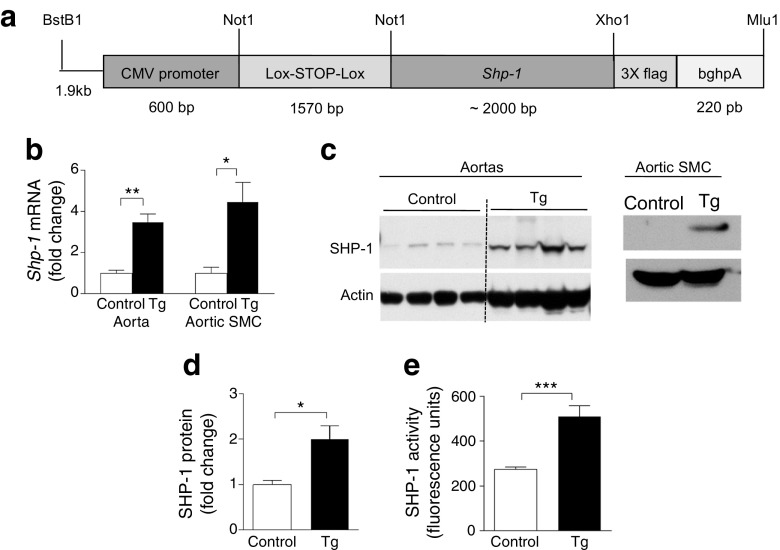
We used a femoral artery wire injury mouse model, rodent models with insulin resistance and diabetes, and patients with type 2 diabetes. Further, we modulated SHP-1 expression using a transgenic mouse that overexpresses SHP-1 in VSMCs (Shp-1-Tg). SHP-1 agonists were also employed to study the molecular mechanisms underlying the regulation of SHP-1 by oxidised lipids.
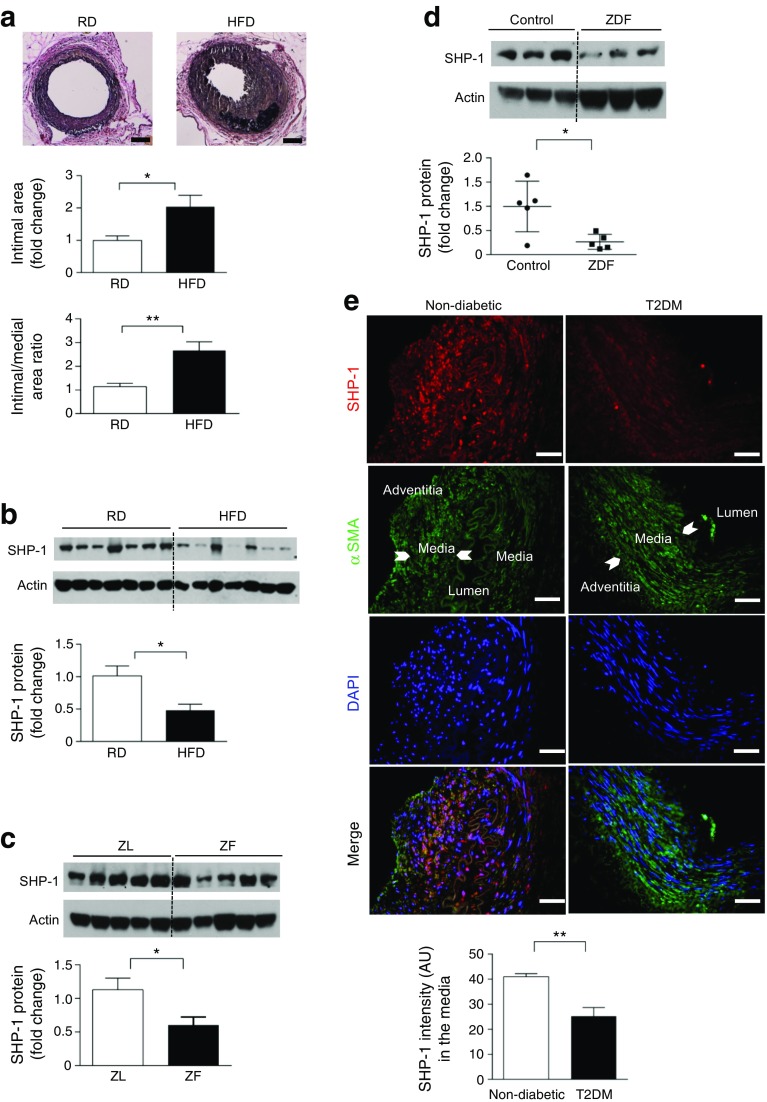
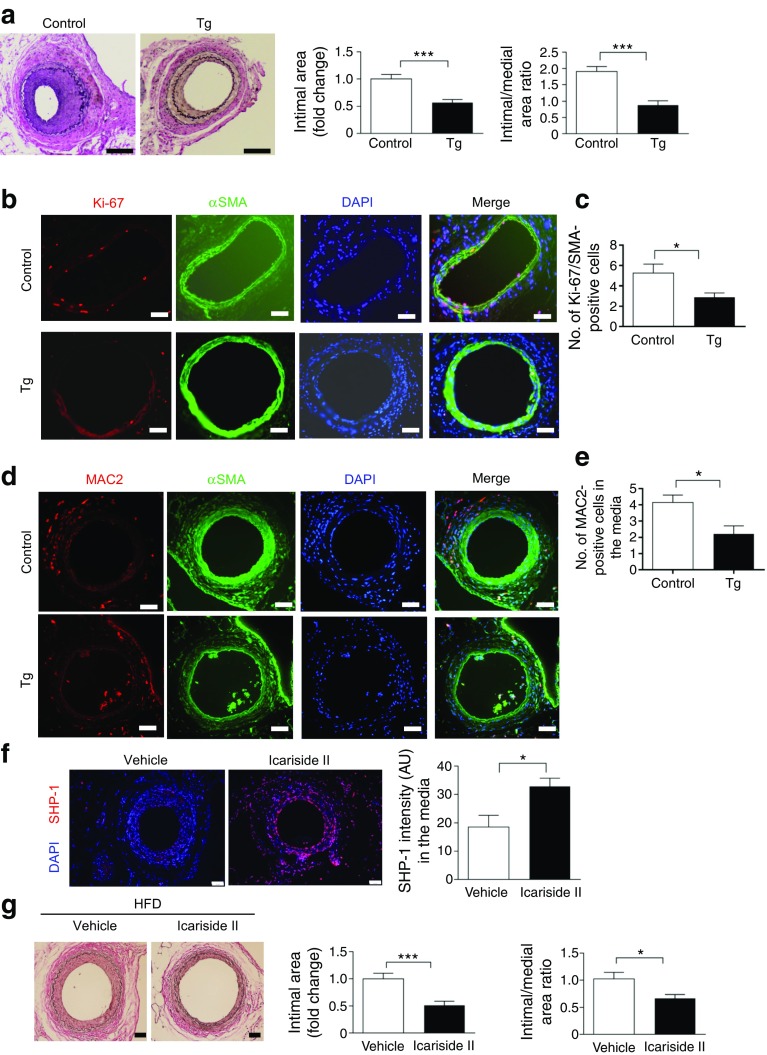
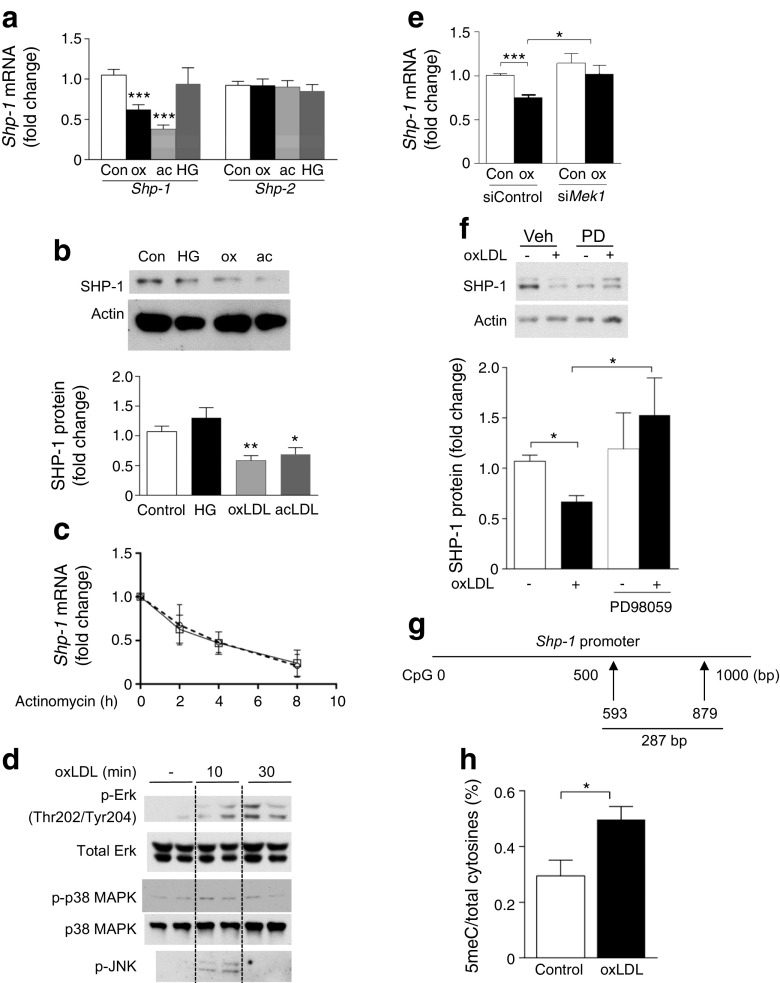
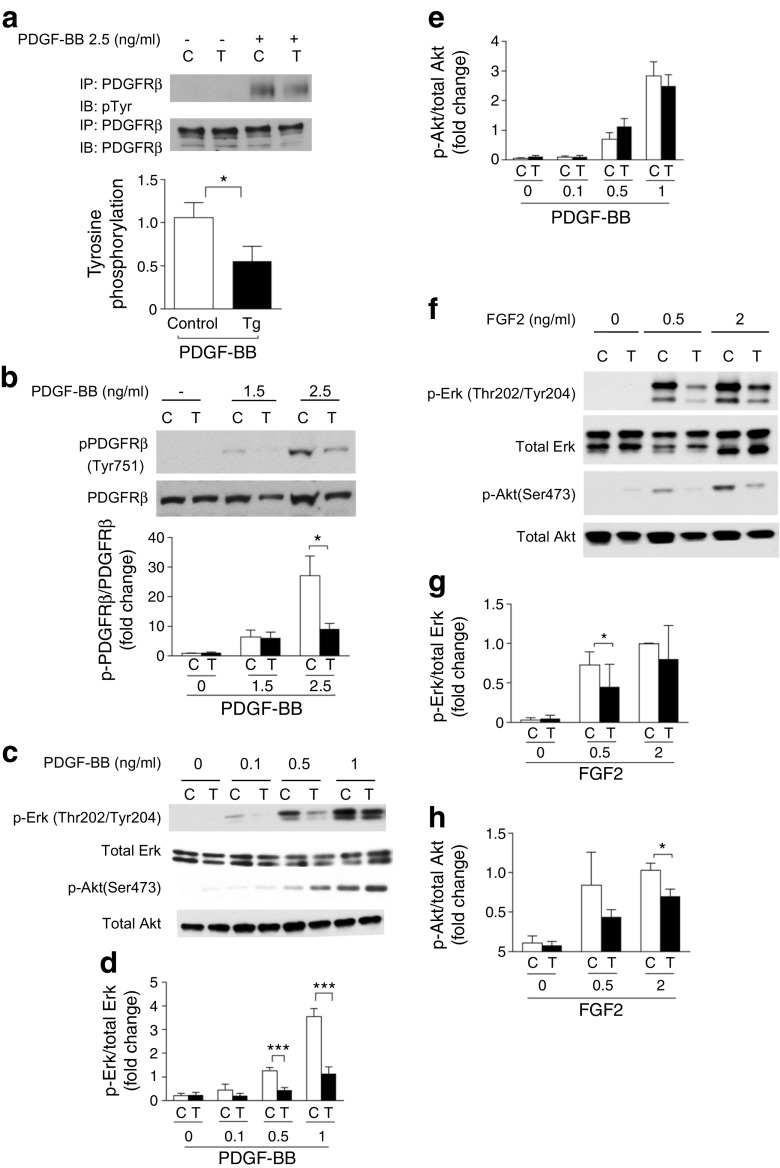
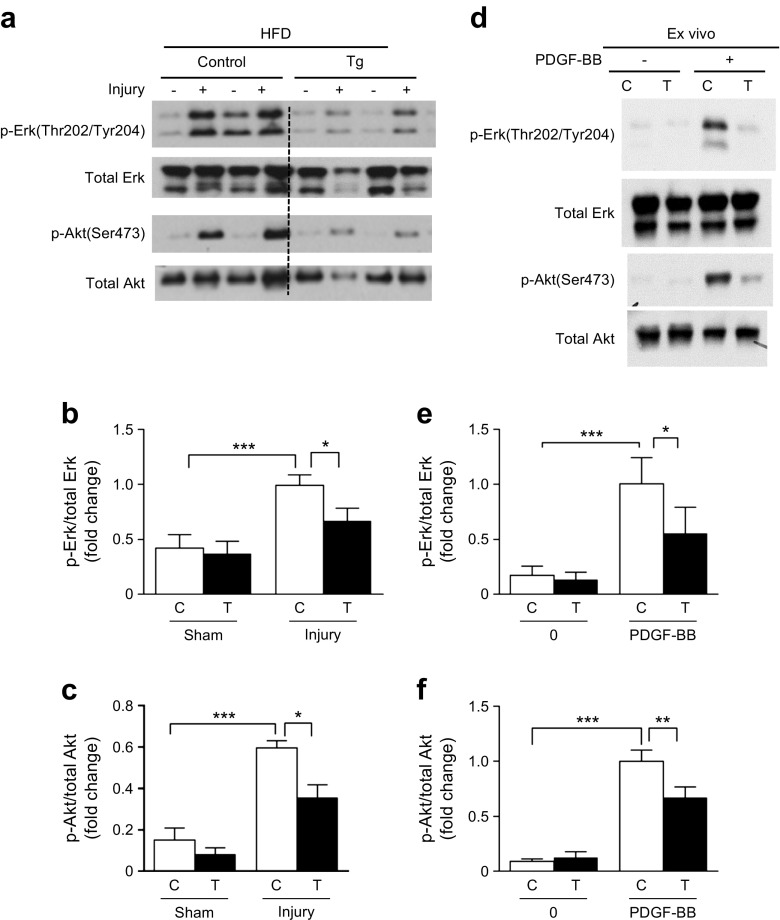
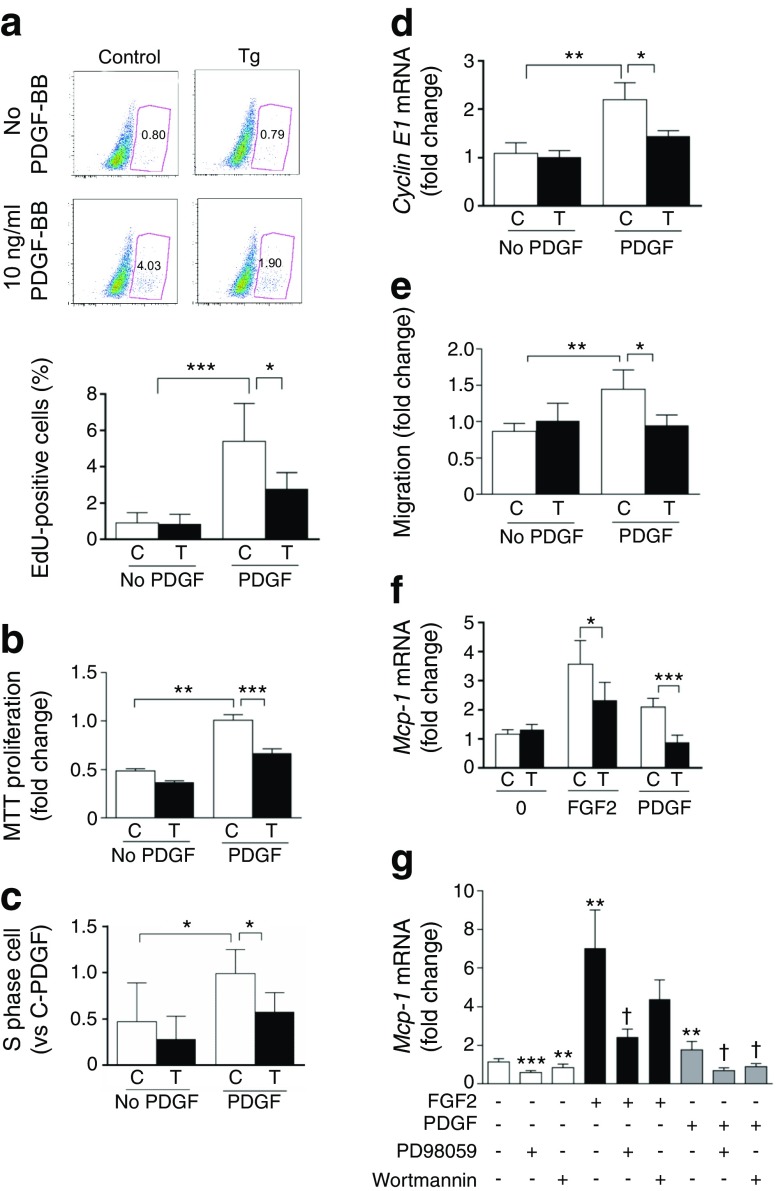
Mice fed a high-fat diet (HFD) exhibited increased femoral artery intimal hyperplasia and decreased arterial SHP-1 expression compared with mice fed a regular diet. Arterial SHP-1 expression was also decreased in Zucker fatty rats, Zucker diabetic fatty rats and in patients with type 2 diabetes. In primary cultured VSMCs, oxidised LDL suppressed SHP-1 expression by activating Mek-1 (also known as Map2k1) and increased DNA methylation of the Shp-1 promoter. VSMCs from Shp-1-Tg mice exhibited impaired platelet-derived growth factor (PDGF)-stimulated tyrosine phosphorylation with a concomitant decrease in PDGF-stimulated VSMC proliferation and migration. Similarly, HFD-fed Shp-1-Tg mice and mice treated with the SHP-1 inducer, Icariside II, were protected from the development of intimal hyperplasia following wire injury.
CONCLUSIONS/INTERPRETATION: Suppression of SHP-1 by oxidised lipids may contribute to the excessive VSMC proliferation, inflammatory cytokine production and intimal hyperplasia observed in arteries from diabetes and insulin resistance. Augmenting SHP-1 levels is a potential therapeutic strategy to maintain stent patency in patients with insulin resistance and diabetes.
目的/假设:血管平滑肌细胞(VSMC)迁移和增殖加速会加重胰岛素抵抗和糖尿病患者血管成形术后的动脉再狭窄。含Src同源2结构域蛋白酪氨酸磷酸酶1(SHP-1)水平升高会诱导微血管发生凋亡。然而,在胰岛素抵抗和糖尿病中,SHP-1在内膜增生和再狭窄中的作用尚未阐明。
我们使用了股动脉线损伤小鼠模型、胰岛素抵抗和糖尿病啮齿动物模型以及2型糖尿病患者。此外,我们使用在VSMC中过表达SHP-1的转基因小鼠(Shp-1-Tg)来调节SHP-1表达。还使用SHP-1激动剂来研究氧化脂质对SHP-1调控的分子机制。
与喂食正常饮食的小鼠相比,喂食高脂饮食(HFD)的小鼠股动脉内膜增生增加,动脉SHP-1表达降低。在Zucker肥胖大鼠、Zucker糖尿病肥胖大鼠和2型糖尿病患者中,动脉SHP-1表达也降低。在原代培养的VSMC中,氧化型低密度脂蛋白通过激活Mek-1(也称为Map2k1)抑制SHP-1表达,并增加Shp-1启动子的DNA甲基化。来自Shp-1-Tg小鼠的VSMC表现出血小板衍生生长因子(PDGF)刺激的酪氨酸磷酸化受损,同时PDGF刺激的VSMC增殖和迁移减少。同样,喂食HFD的Shp-1-Tg小鼠和用SHP-1诱导剂淫羊藿苷II处理的小鼠在丝线损伤后可免受内膜增生的影响。
结论/解读:氧化脂质对SHP-1的抑制作用可能导致糖尿病和胰岛素抵抗患者动脉中出现过度的VSMC增殖、炎性细胞因子产生和内膜增生。提高SHP-1水平是维持胰岛素抵抗和糖尿病患者支架通畅的潜在治疗策略。