Yu Yi, Chang De, Xu Huiwen, Zhang Xuelin, Pan Lei, Xu Chou, Huang Bing, Zhou Hong, Li Jia, Guo Jun, Liu Changting
Chinese PLA General Hospital, Nanlou Respiratory Diseases Department, Beijing, China.
Chinese PLA General Hospital, Nanlou Respiratory Diseases Department, Beijing, China; General Hospital of Chinese People's Armed Police Forces, Department of Respiratory Medicine, Beijing, China.
Braz J Microbiol. 2017 Apr-Jun;48(2):225-231. doi: 10.1016/j.bjm.2016.10.019. Epub 2016 Dec 6.
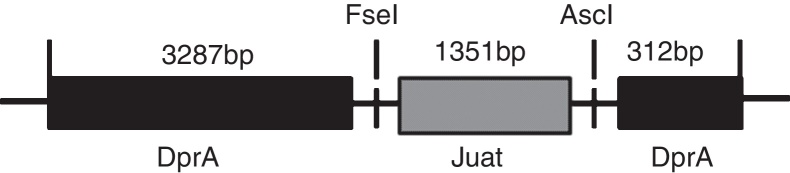
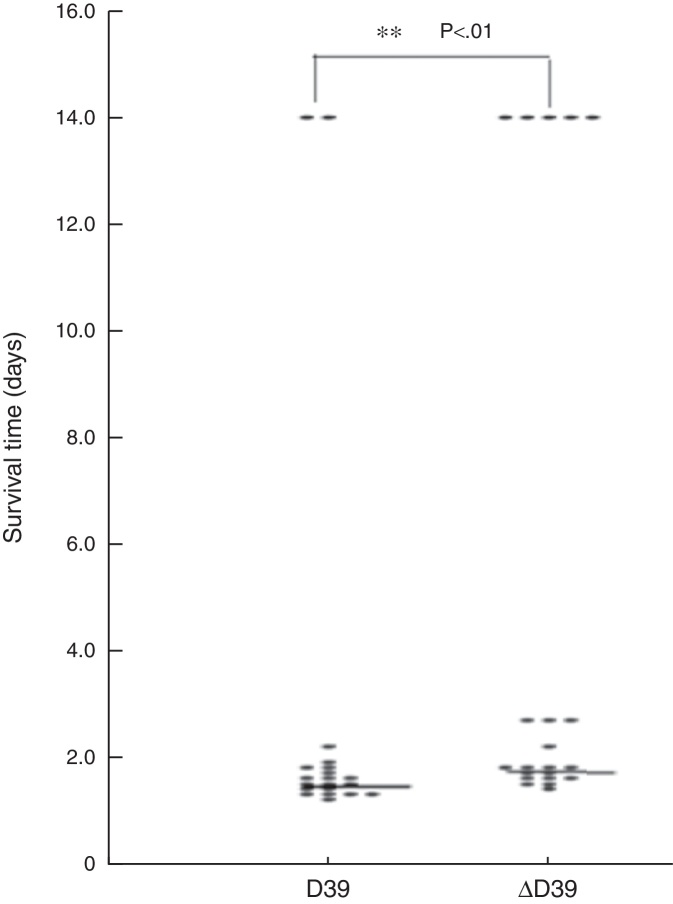
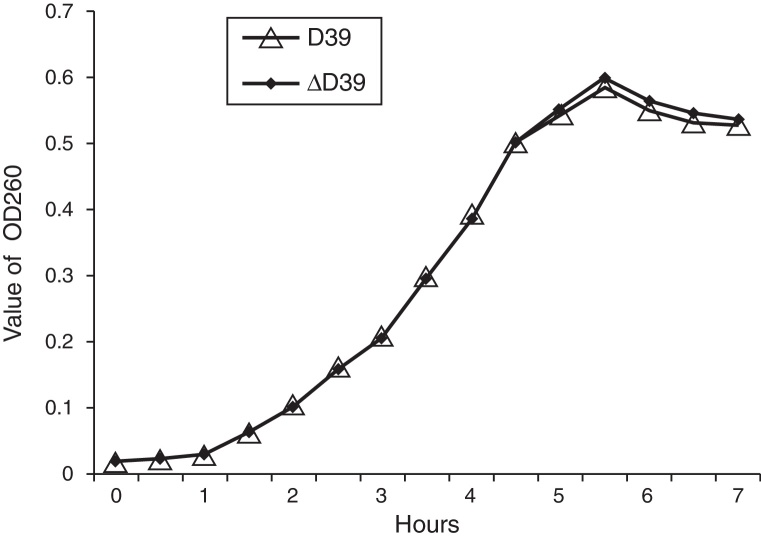
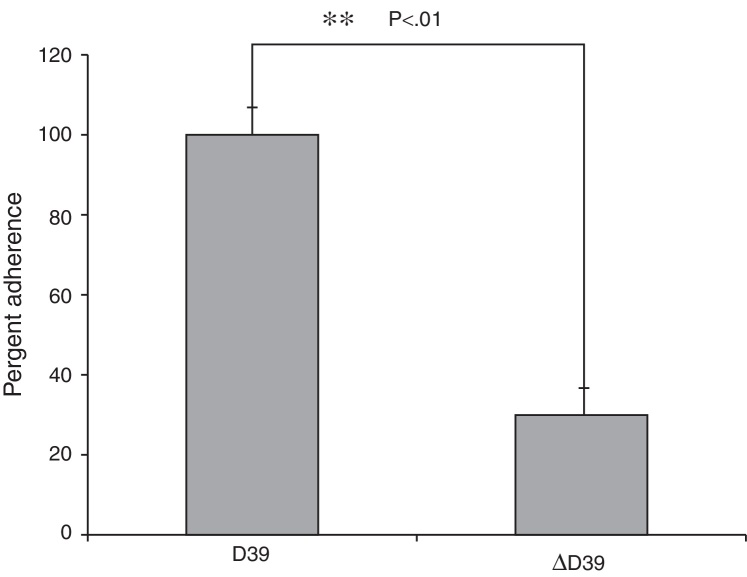
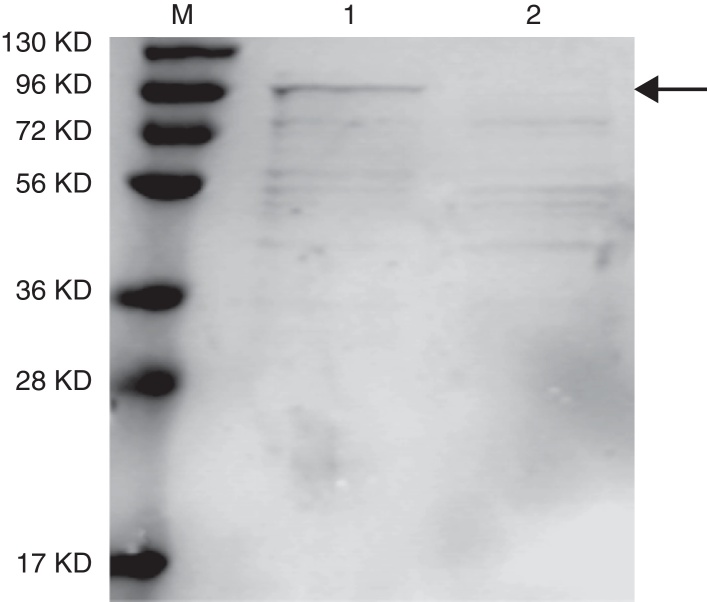
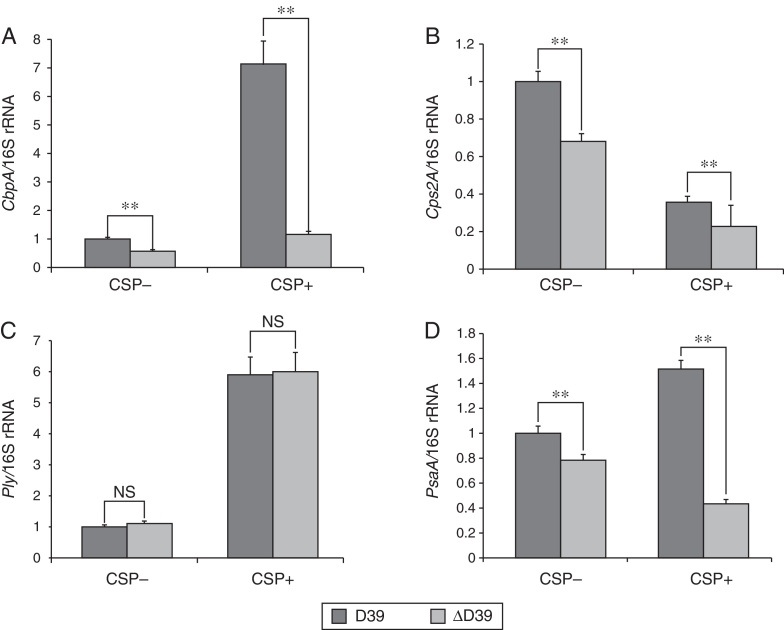
Streptococcus pneumoniae is one of the most frequent opportunistic pathogens worldwide. DNA processing protein A (DprA) is an important factor involved in bacterial uptake and DNA integration into bacterial genome, but its role in S. pneumoniae virulence remains unclear. The aim of this study was to characterize the effects of the pneumococcal dprA gene on the pathogenesis of S. pneumoniae. To construct a dprA-deficient pneumococcal strain, the dprA gene of the S. pneumoniae strain D39 was inactivated. The virulence of this dprA-deficient strain, designated ΔD39, was compared with that of the wild-type strain by evaluating their respective capabilities to adhere to human pulmonary epithelial cells (PEC-A549) and by analyzing their choline-binding protein expression levels. In addition, the expression profiles of genes associated with virulence and host survival assays were also conducted with the mutant and the wild-type strain. Our results indicate that the capability of ΔD39 to adhere to the PEC-A549 airway cells was significantly lower (p<0.01) compared with D39. Additionally, the 100-KD choline-binding protein was not detected in ΔD39. The addition of competence-stimulating peptide (CSP) lead to a significantly reduction of psaA mRNA expression in the dprA-deficient mutant and an increased level of psaA transcripts in the wild-type strain (p<0.01). The median survival time of mice intraperitoneally infected with ΔD39 was significantly higher (p<0.01) than that of mice infected with D39. The results of this study suggest that DprA has a significant effect on virulence characteristics of S. pneumoniae by influencing the expression of choline-binding protein and PsaA.
肺炎链球菌是全球最常见的机会致病菌之一。DNA处理蛋白A(DprA)是参与细菌摄取和DNA整合到细菌基因组中的一个重要因素,但其在肺炎链球菌毒力中的作用仍不清楚。本研究的目的是表征肺炎链球菌dprA基因对肺炎链球菌致病机制的影响。为构建dprA缺陷型肺炎链球菌菌株,使肺炎链球菌D39菌株的dprA基因失活。通过评估其各自黏附人肺上皮细胞(PEC-A549)的能力,并分析其胆碱结合蛋白表达水平,将这种dprA缺陷型菌株(命名为ΔD39)的毒力与野生型菌株进行比较。此外,还对突变株和野生型菌株进行了与毒力相关基因的表达谱分析以及宿主存活试验。我们的结果表明,与D39相比,ΔD39黏附PEC-A549气道细胞的能力显著降低(p<0.01)。此外,在ΔD39中未检测到100-KD胆碱结合蛋白。添加 competence-stimulating peptide(CSP)导致dprA缺陷型突变体中psaA mRNA表达显著降低,而野生型菌株中psaA转录本水平升高(p<0.01)。腹腔感染ΔD39的小鼠的中位存活时间显著高于感染D39的小鼠(p<0.01)。本研究结果表明,DprA通过影响胆碱结合蛋白和PsaA的表达对肺炎链球菌的毒力特性有显著影响。