Miller Eileen, Czopek Alicja, Duthie Karolina M, Kirkby Nicholas S, van de Putte Elisabeth E Fransen, Christen Sibylle, Kimmitt Robert A, Moorhouse Rebecca, Castellan Raphael F P, Kotelevtsev Yuri V, Kuc Rhoda E, Davenport Anthony P, Dhaun Neeraj, Webb David J, Hadoke Patrick W F
From the University/BHF Centre for Cardiovascular Science, University of Edinburgh, United Kingdom (E.M., A.C., K.M.D., N.S.K., E.E.F.v.d.P., R.A.K., R.M., R.F.P.C., N.D., D.J.W., P.W.F.H.); University of Basel, Switzerland (S.C.); Centre for Functional Genomics, Skolkovo Institute of Science and Technology, Russian Federation (Y.V.K.); and Division of Experimental Medicine and Immunotherapeutics, Addenbrooke's Hospital, Cambridge, United Kingdom (R.E.K., A.P.D.).
Hypertension. 2017 Feb;69(2):275-285. doi: 10.1161/HYPERTENSIONAHA.115.07031. Epub 2016 Dec 27.
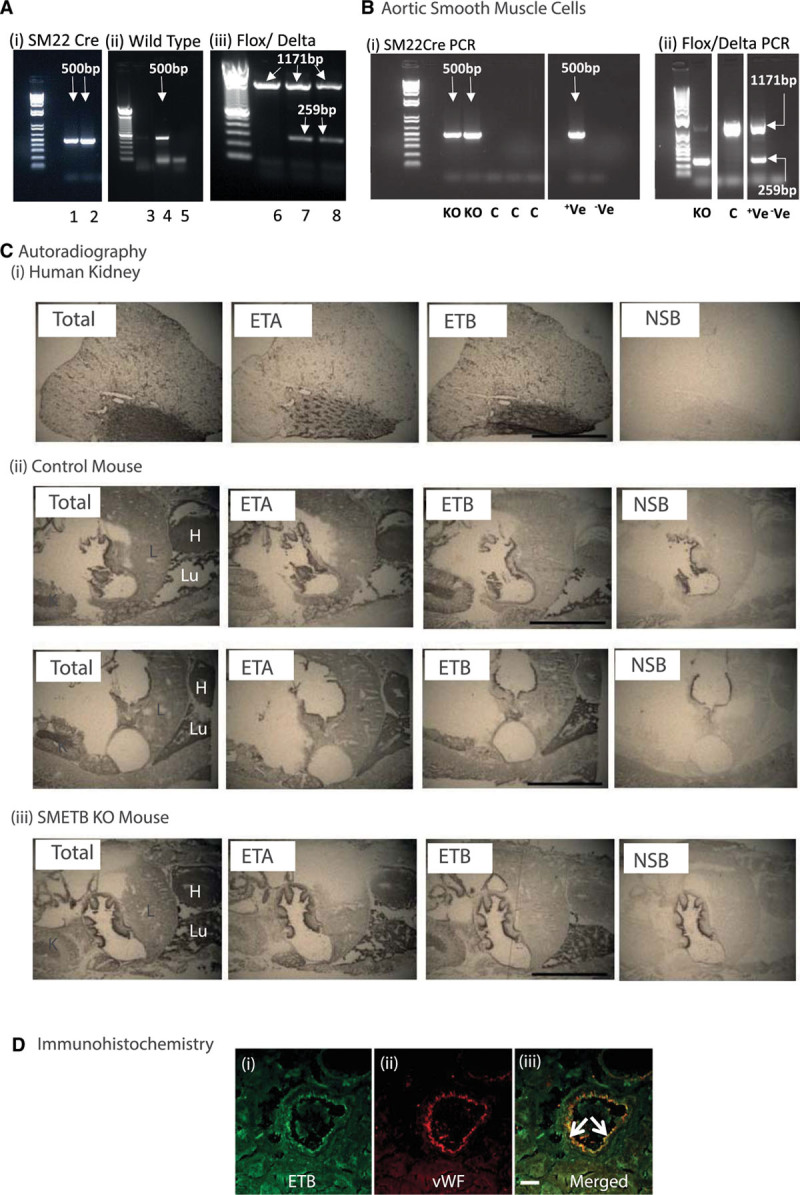
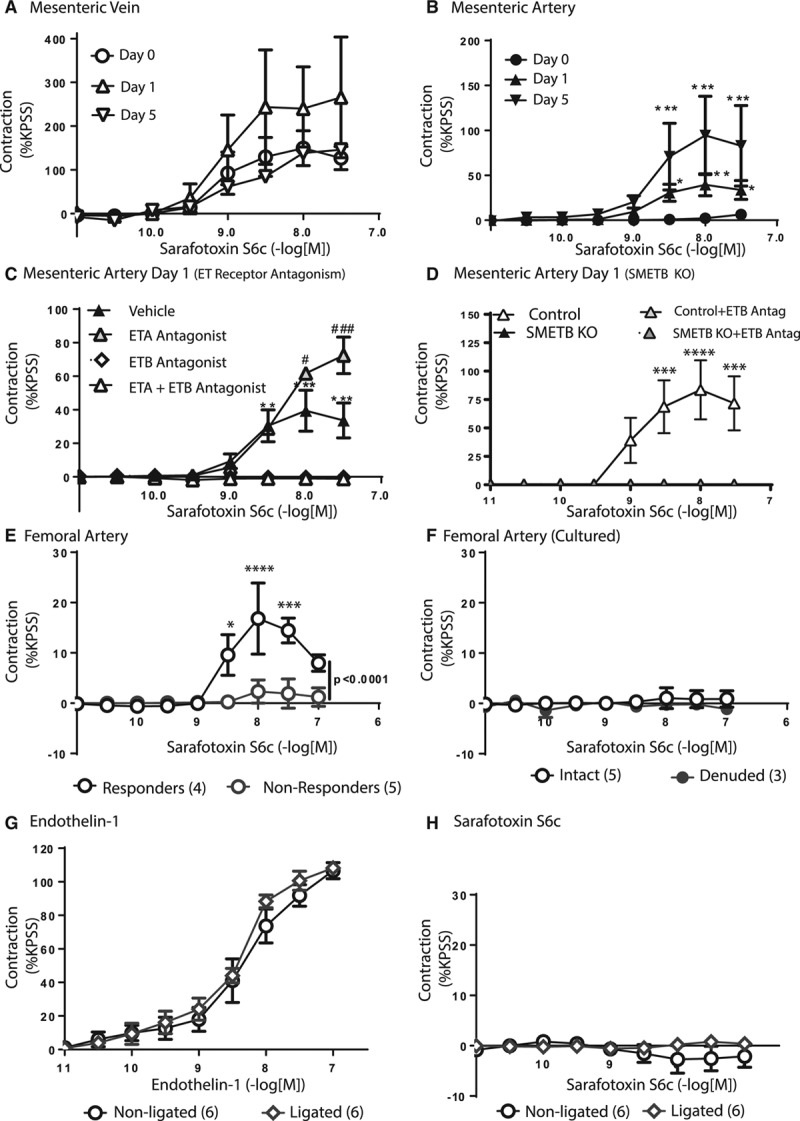
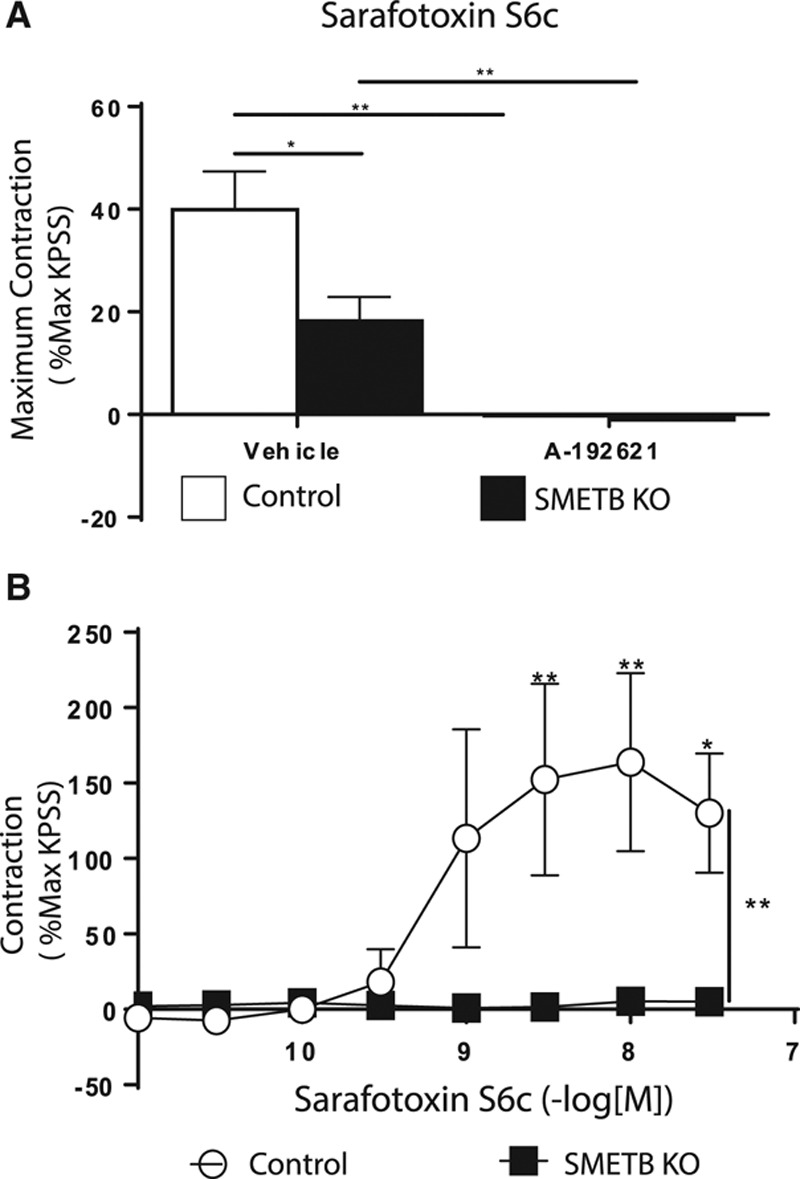
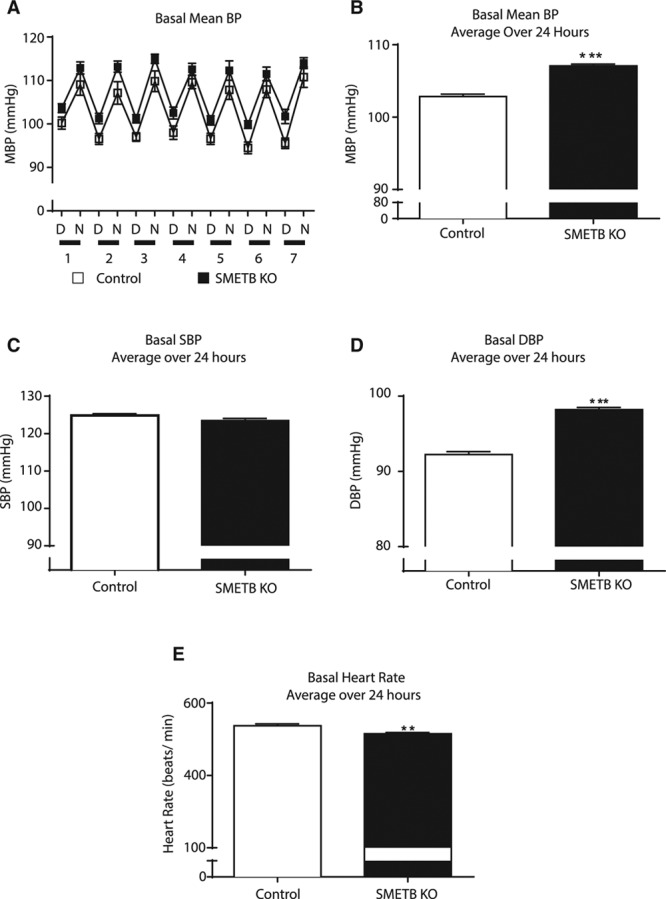
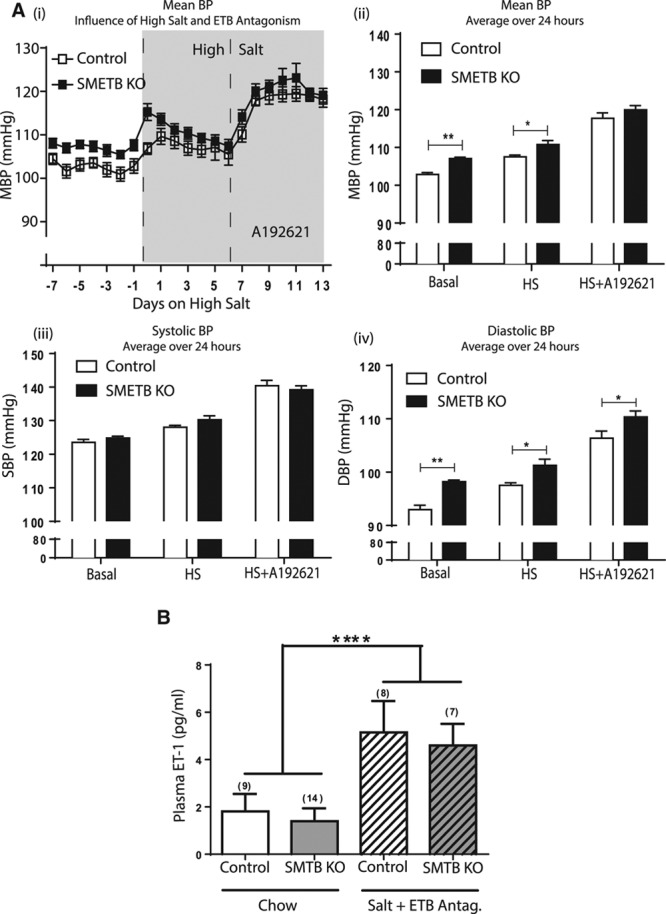
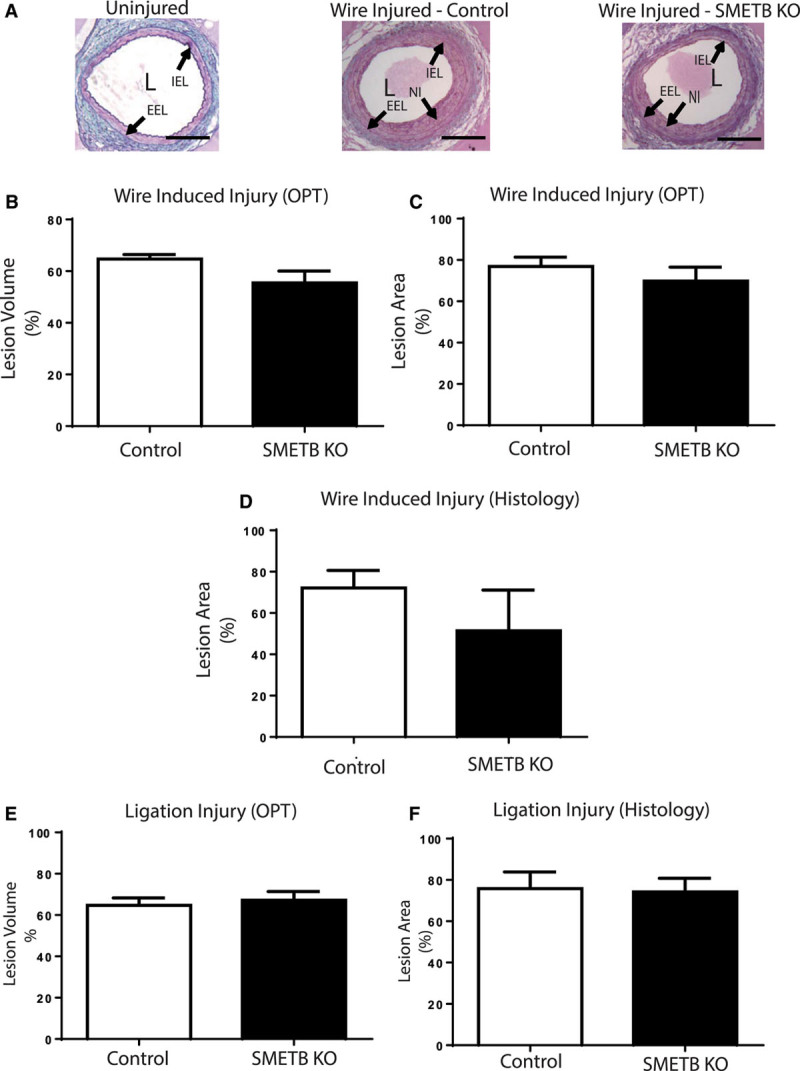
The role of smooth muscle endothelin (ET) receptors in regulating vascular function, blood pressure (BP), and neointimal remodeling has not been established. Selective knockout mice were generated to address the hypothesis that loss of smooth muscle ET receptors would reduce BP, alter vascular contractility, and inhibit neointimal remodeling. ET receptors were selectively deleted from smooth muscle by crossing floxed ET mice with those expressing cre-recombinase controlled by the transgelin promoter. Functional consequences of ET deletion were assessed using myography. BP was measured by telemetry, and neointimal lesion formation induced by femoral artery injury. Lesion size and composition (day 28) were analyzed using optical projection tomography, histology, and immunohistochemistry. Selective deletion of ET was confirmed by genotyping, autoradiography, polymerase chain reaction, and immunohistochemistry. ET-mediated contraction was reduced in trachea, but abolished from mesenteric veins, of knockout mice. Induction of ET-mediated contraction in mesenteric arteries was also abolished in these mice. Femoral artery function was unaltered, and baseline BP modestly elevated in smooth muscle ET knockout compared with controls (+4.2±0.2 mm Hg; P<0.0001), but salt-induced and ET blockade-mediated hypertension were unaltered. Circulating endothelin-1 was not altered in knockout mice. ET-mediated contraction was not induced in femoral arteries by incubation in culture medium or lesion formation, and lesion size was not altered in smooth muscle ET knockout mice. In the absence of other pathology, ET receptors in vascular smooth muscle make a small but significant contribution to ET-dependent regulation of BP. These ET receptors have no effect on vascular contraction or neointimal remodeling.
平滑肌内皮素(ET)受体在调节血管功能、血压(BP)和新内膜重塑中的作用尚未明确。为了验证平滑肌ET受体缺失会降低血压、改变血管收缩性并抑制新内膜重塑这一假说,研究人员构建了选择性敲除小鼠。通过将携带floxed ET基因的小鼠与表达由凝溶胶蛋白启动子控制的cre重组酶的小鼠杂交,选择性地从小鼠平滑肌中删除ET受体。使用肌张力测定法评估ET缺失的功能后果。通过遥测法测量血压,并观察股动脉损伤诱导的新内膜病变形成情况。使用光学投影断层扫描、组织学和免疫组织化学分析病变大小和组成(第28天)。通过基因分型、放射自显影、聚合酶链反应和免疫组织化学确认ET的选择性缺失。敲除小鼠气管中ET介导的收缩减弱,但肠系膜静脉中的收缩消失。这些小鼠肠系膜动脉中ET介导的收缩诱导也消失。股动脉功能未改变,与对照组相比,平滑肌ET敲除小鼠的基线血压适度升高(+4.2±0.2 mmHg;P<0.0001),但盐诱导的高血压和ET阻断介导的高血压未改变。敲除小鼠循环中的内皮素-1未改变。在培养基中孵育或形成病变时,股动脉中未诱导出ET介导的收缩,平滑肌ET敲除小鼠的病变大小也未改变。在没有其他病理情况下,血管平滑肌中的ET受体对ET依赖性血压调节有微小但显著的贡献。这些ET受体对血管收缩或新内膜重塑没有影响。