Kang Wen Tyng, Vellasamy Kumutha Malar, Rajamani Lakshminarayanan, Beuerman Roger W, Vadivelu Jamuna
Department of Medical Microbiology, Faculty of Medicine, University of Malaya , Kuala Lumpur , Malaysia.
Antimicrobials, Singapore Eye Research Institute (SERI) , Singapore , Singapore.
PeerJ. 2016 Dec 21;4:e2532. doi: 10.7717/peerj.2532. eCollection 2016.
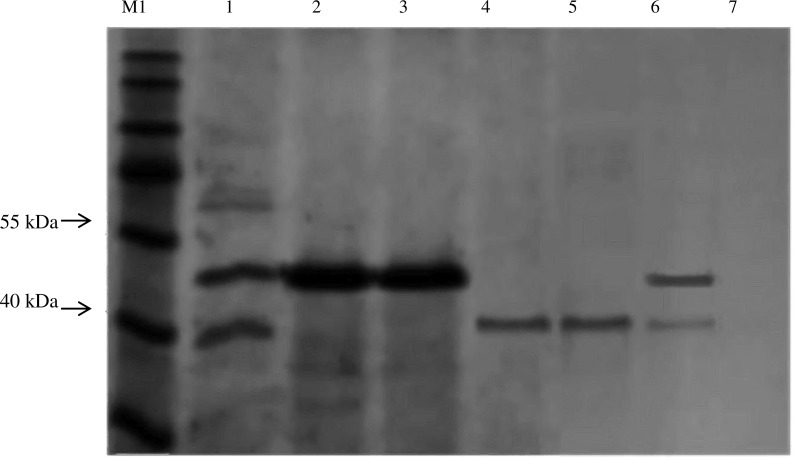
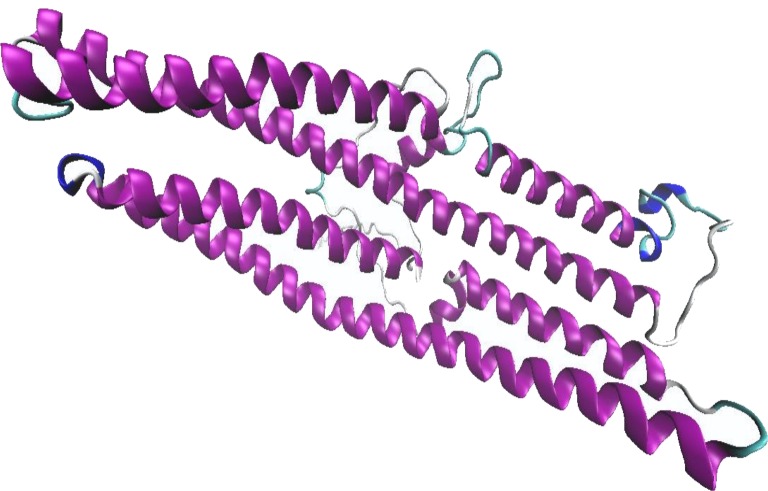
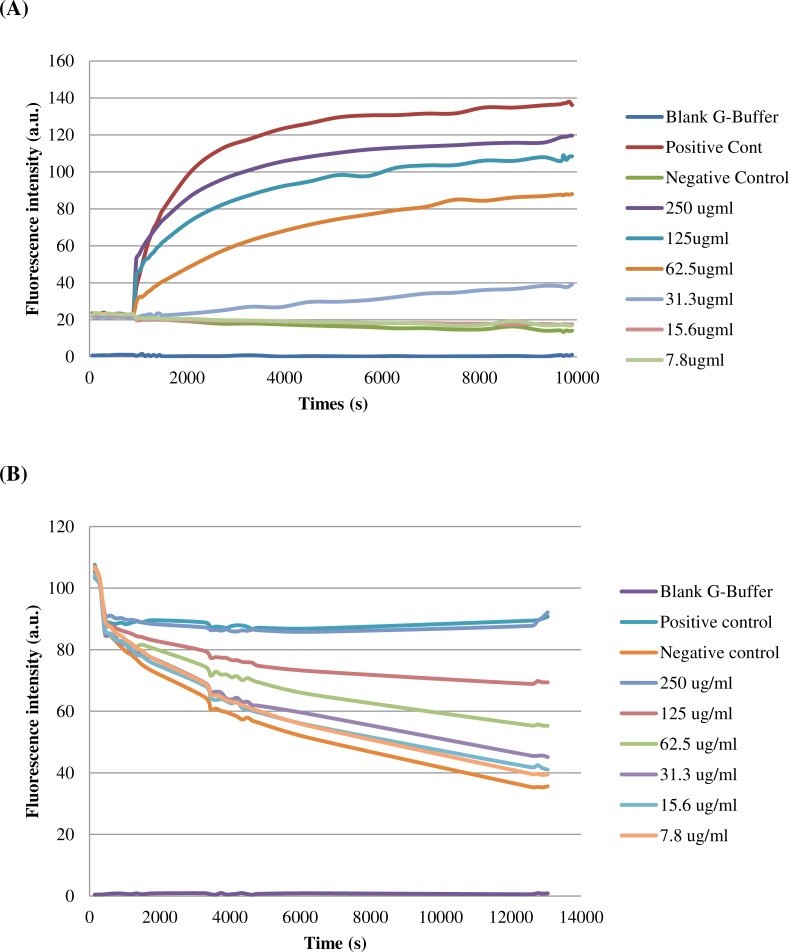
Melioidosis, an infection caused by the facultative intracellular pathogen , has been classified as an emerging disease with the number of patients steadily increasing at an alarming rate. possess various virulence determinants that allow them to invade the host and evade the host immune response, such as the type III secretion systems (TTSS). The products of this specialized secretion system are particularly important for the infection. Lacking in one or more components of the TTSS demonstrated different degrees of defects in the intracellular lifecycle of . Further understanding the functional roles of proteins involved in TTSS will enable us to dissect the enigma of -host cell interaction. In this study, BipC (a translocator), which was previously reported to be involved in the pathogenesis of , was further characterized using the bioinformatics and molecular approaches. The gene, coding for a putative invasive protein, was first PCR amplified from K96243 genomic DNA and cloned into an expression vector for overexpression in . The soluble protein was subsequently purified and assayed for actin polymerization and depolymerization. BipC was verified to subvert the host actin dynamics as demonstrated by the capability to polymerize actin . Homology modeling was also attempted to predict the structure of BipC. Overall, our findings identified that the protein encoded by the gene plays a role as an effector involved in the actin binding activity to facilitate internalization of into the host cells.
类鼻疽病是一种由兼性细胞内病原体引起的感染,已被归类为一种新兴疾病,患者数量正以惊人的速度稳步增加。该病原体具有多种毒力决定因素,使其能够侵入宿主并逃避宿主免疫反应,例如III型分泌系统(TTSS)。这种特殊分泌系统的产物对该病原体的感染尤为重要。缺乏TTSS的一个或多个组分在该病原体的细胞内生命周期中表现出不同程度的缺陷。进一步了解参与TTSS的蛋白质的功能作用将使我们能够剖析该病原体与宿主细胞相互作用的谜团。在本研究中,先前报道参与该病原体发病机制的BipC(一种转运蛋白),使用生物信息学和分子方法进行了进一步表征。编码一种假定侵袭性蛋白的基因首先从该病原体K96243基因组DNA中通过PCR扩增,并克隆到表达载体中以便在该病原体中过表达。随后纯化可溶性蛋白,并检测其对肌动蛋白聚合和解聚的作用。如通过聚合肌动蛋白的能力所证明的,BipC被证实可破坏宿主肌动蛋白动力学。还尝试进行同源建模以预测BipC的结构。总体而言,我们的研究结果表明,该病原体基因编码的蛋白质作为一种效应物发挥作用,参与肌动蛋白结合活性以促进该病原体内化进入宿主细胞。