Division of Medical Oncology, S. G. Moscati Hospital, Contrada Amoretta 8, 83100, Avellino, Italy.
Medical Oncology, Versilia Hospital and Istituto Toscano Tumori, Lido di Camaiore (LU), Italy.
Cancer Imaging. 2016 Dec 28;16(1):44. doi: 10.1186/s40644-016-0102-4.
The use of antiangiogenic therapy in non-small cell lung cancer (NSCLC) requires thorough evaluation of patient characteristics in order to avoid potential safety issues, particularly pulmonary haemorrhage (PH). The aim of this consensus by a panel of experts was to identify important criteria for the selection of patients with NSCLC who would benefit from antiangiogenic therapy.
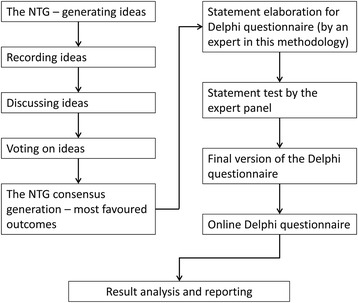
Radiologists and oncologists were selected for the expert panel. The nominal group technique (NGT) and the Delphi questionnaire were used for consensus generation. The NGT consisted of four steps, the result of which was used to set the Delphi questionnaire. A final report was generated based on the opinions of the experts from the panel.
An extremely important prerequisite for the evaluation of an antiangiogenic therapeutic approach in patients with NSCLC was thorough clinical and radiological analysis of the relationships between tumour and vascular or anatomical structures (performed in close co-operation by oncologists and radiologists). The panel identified major parameters to be considered before the use of antiangiogenic treatment, collectively agreeing on the relevance of tumour cavitation, vascular infiltration, endobronchial growth and thromboembolism for chest tumour sites, and of the presence of aneurysms, extra-thoracic bleeding, brain metastases or thrombi for extra-thoracic sites. Moreover, a structured report containing information not only on the tumour but also on the general vascular status is essential to guide the treatment choice The experts agreed that tumour localization in the absence of vessel infiltration, cavitation, and the use of antiplatelet therapy are relevant parameters to be assessed, but their presence should not necessarily exclude a patient from receiving antiangiogenic therapy.
Close co-operation between oncologists and radiologists in the diagnosis, treatment selection, and assessment of response is essential for ensuring therapeutic appropriateness in the NSCLC setting. It should be noted that neither the use of antiplatelet therapy nor tumour localisation are to be considered as contraindications to antiangiogenic treatment.
在非小细胞肺癌(NSCLC)中使用抗血管生成治疗需要彻底评估患者特征,以避免潜在的安全问题,特别是肺出血(PH)。本专家共识的目的是确定选择受益于抗血管生成治疗的 NSCLC 患者的重要标准。
选择放射科医生和肿瘤学家组成专家小组。使用名义小组技术(NGT)和 Delphi 问卷进行共识生成。NGT 包括四个步骤,其结果用于设定 Delphi 问卷。根据专家组专家的意见生成最终报告。
在对 NSCLC 患者的抗血管生成治疗方法进行评估时,一个极其重要的前提是彻底进行肿瘤与血管或解剖结构之间的临床和放射学分析(由肿瘤学家和放射科医生密切合作进行)。专家组确定了在使用抗血管生成治疗之前需要考虑的主要参数,一致认为肿瘤空洞、血管浸润、支气管内生长和血栓栓塞对于胸部肿瘤部位,以及动脉瘤、胸外出血、脑转移或血栓对于胸外部位的相关性,以及肿瘤部位的血管状态信息对于指导治疗选择至关重要。专家组还一致认为,肿瘤定位、血管浸润、空洞、以及使用抗血小板治疗是需要评估的相关参数,但这些参数的存在不一定排除患者接受抗血管生成治疗的可能性。
在诊断、治疗选择和评估反应方面,肿瘤学家和放射科医生之间的密切合作对于确保 NSCLC 治疗的适当性至关重要。需要注意的是,使用抗血小板治疗或肿瘤定位都不应被视为抗血管生成治疗的禁忌症。