Salehi Mansoor, Kamali Elahe, Karahmadi Mojgan, Mousavi Seyyed Mohammad
Department of Genetics and Molecular Biology, School of Medicine, Isfahan University of Medical Sciences, Isfahan, Iran.
Division of Genetics, Department of Biology, Faculty of Science, University of Isfahan, Isfahan, Iran.
Cell J. 2017 Winter;18(4):540-546. doi: 10.22074/cellj.2016.4720. Epub 2016 Sep 26.
Autism is a neurodevelopmental disorder characterized by difficulty in verbal and non-verbal communication, impaired social interaction, and restricted and repetitive behavior. It has been recently introduced as a multigenic disorder with significant epigenetic effects on its pathology. Recently, epigenetic silencing of retinoic acid receptor- related orphan receptor alpha () gene (which has an essential role in neural tissue development) was shown to have occurred in autistic children due to methylation of its promoter region. This may thus explain a significant part of the molecular pathogenesis of autism. Therefore, we aimed to confirm this finding by implementing a case-control (experimental) study in the population of Isfahan.
The methylation status of a 136 bp sequence of a GpG island (encompassing 13 CpG sites) in the promoter region (positions -200 to -64) as an experimental study was examined in the lymphocyte cells of 30 autistic children after sodium bisulfite treatment using the melting curve analysis-methylation (MCA-Meth) assay compared with normal children. Also, quantitative reverse transcriptase-polymerase chain reaction (qRT-PCR) analysis was used to estimate the level of mRNA transcripts and to evaluate MCA-Meth analysis results.
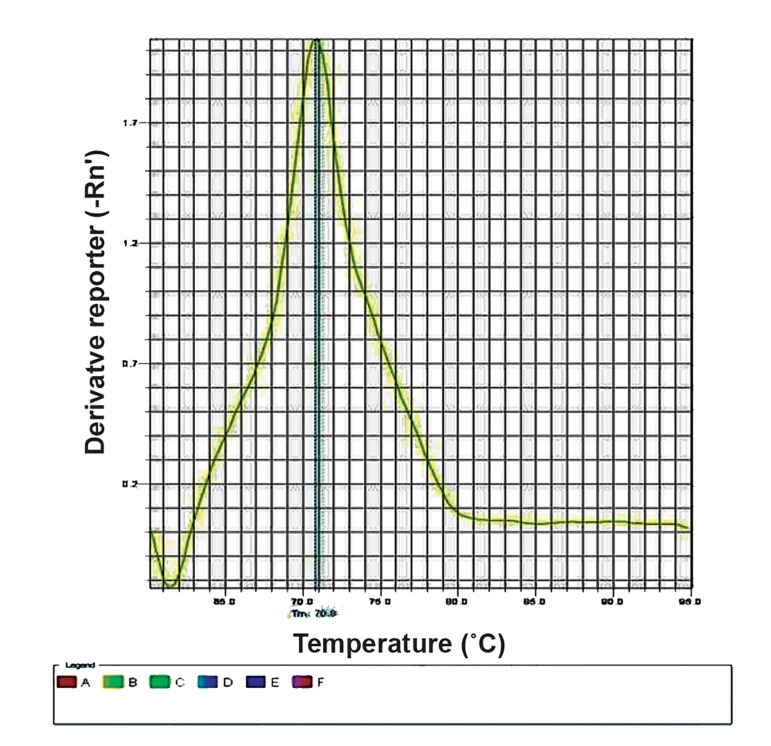
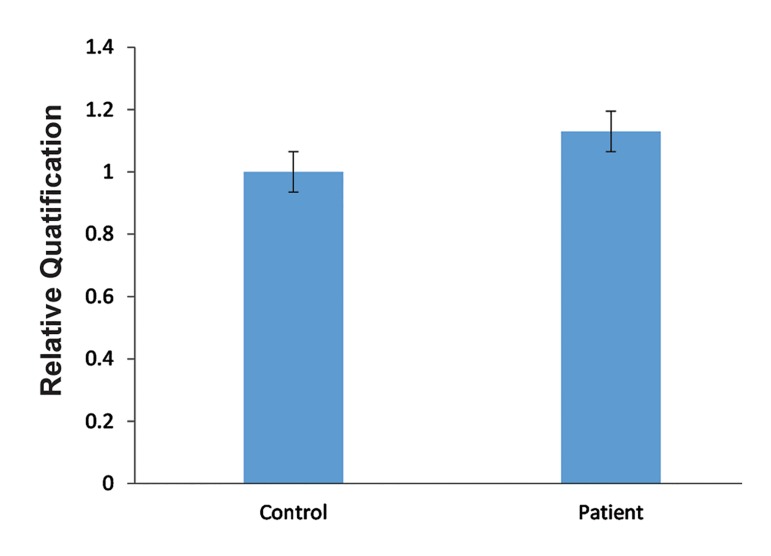
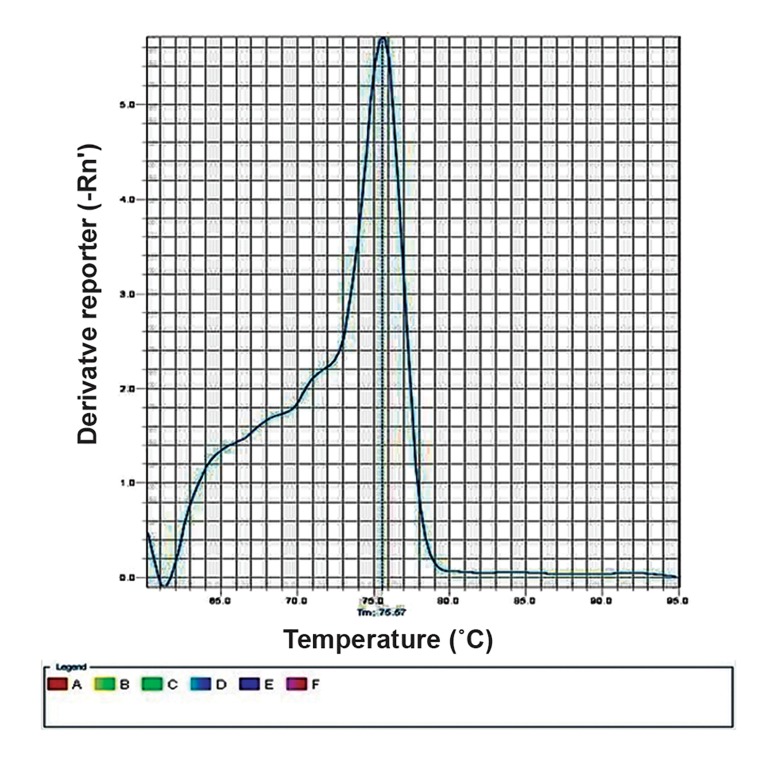
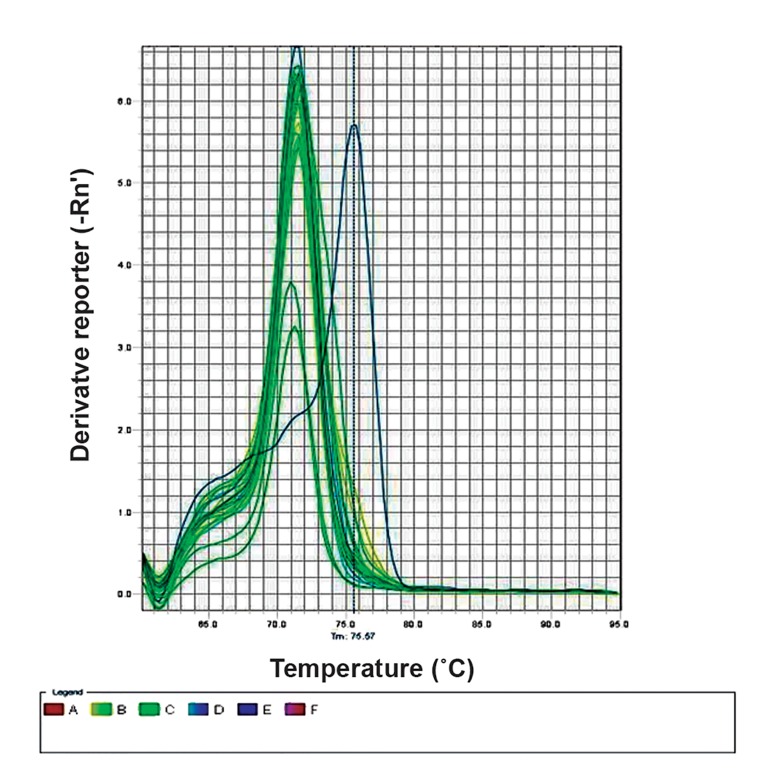
This study revealed no methylation in the examined promoter regions in both autistic and normal children, with the melting curve of all studied samples being comparable to that of the non-methylated control. The results of MCA-Meth analysis were also consistent with qRT-PCR results. We therefore observed no significant difference in the levels of transcripts in the blood lymphocytes between autistic and healthy children.
The methylation of the promoter region may not be considered as a common epigenetic risk factor for autism in all populations. Hence, the molecular pathogenesis of autism remains unclear in the population investigated.
自闭症是一种神经发育障碍,其特征在于言语和非言语交流困难、社交互动受损以及行为受限和重复。最近,它被认为是一种多基因疾病,在其病理过程中具有显著的表观遗传效应。最近的研究表明,由于视黄酸受体相关孤儿受体α(RORA)基因启动子区域的甲基化,自闭症儿童中该基因(在神经组织发育中起重要作用)发生了表观遗传沉默。这可能因此解释了自闭症分子发病机制的很大一部分。因此,我们旨在通过在伊斯法罕人群中开展病例对照(实验性)研究来证实这一发现。
作为一项实验性研究,在30名自闭症儿童的淋巴细胞中,使用熔解曲线分析甲基化(MCA-Meth)测定法检测亚硫酸氢钠处理后RORA启动子区域(位置-200至-64)中一个包含13个CpG位点的136bp序列的甲基化状态,并与正常儿童进行比较。此外,使用定量逆转录聚合酶链反应(qRT-PCR)分析来估计mRNA转录本水平并评估MCA-Meth分析结果。
本研究显示,自闭症儿童和正常儿童的检测启动子区域均未发生甲基化,所有研究样本的熔解曲线与未甲基化对照的熔解曲线相当。MCA-Meth分析结果也与qRT-PCR结果一致。因此,我们观察到自闭症儿童和健康儿童血液淋巴细胞中RORA转录本水平无显著差异。
RORA启动子区域的甲基化可能不能被视为所有人群中自闭症常见的表观遗传风险因素。因此,在所研究的人群中,自闭症的分子发病机制仍不清楚。