Lang Shan, Li Libing, Wang Xuning, Sun Junping, Xue Xinying, Xiao Yongjiu, Zhang Mingyue, Ao Ting, Wang Jianxin
Department of Respiratory Diseases, Chinese PLA General Hospital, Beijing, China.
Department of Cardiovascular Surgery, Chinese PLA General Hospital, Beijing, China.
PLoS One. 2017 Jan 3;12(1):e0169100. doi: 10.1371/journal.pone.0169100. eCollection 2017.
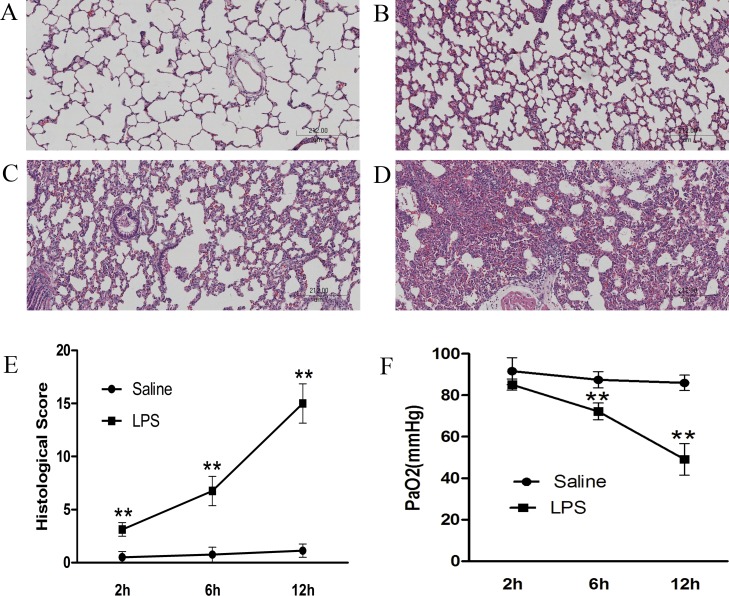
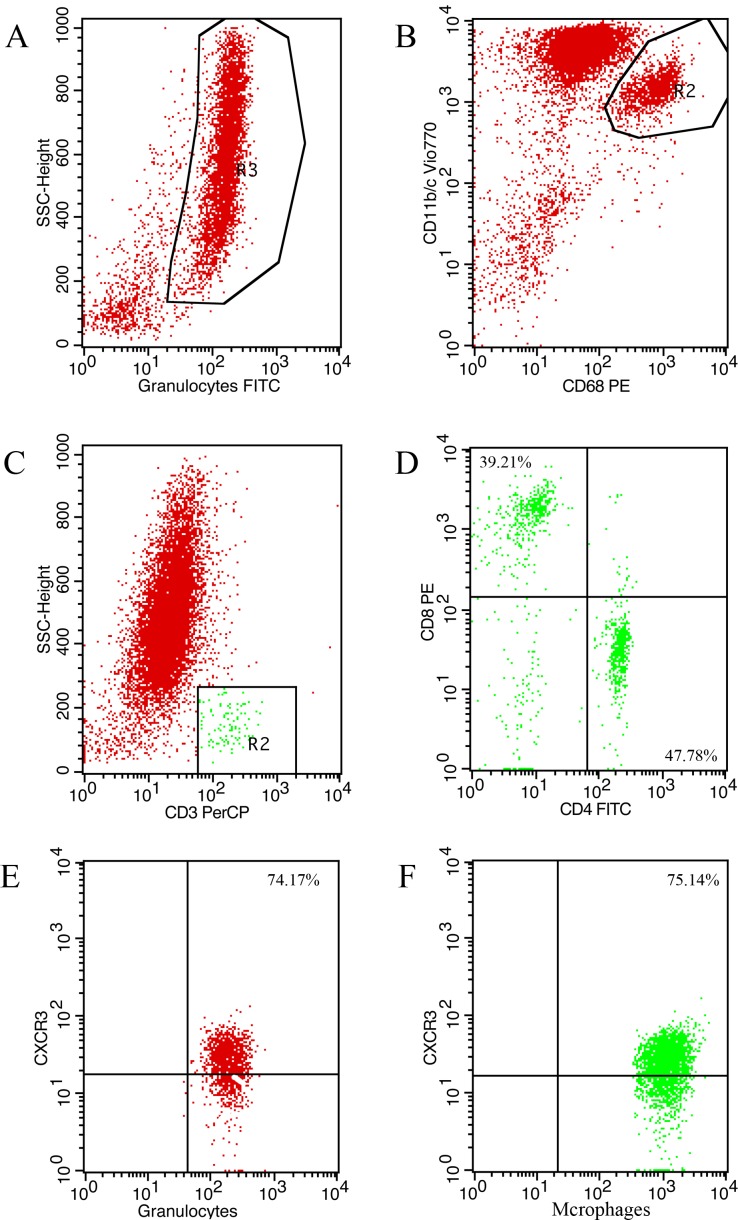
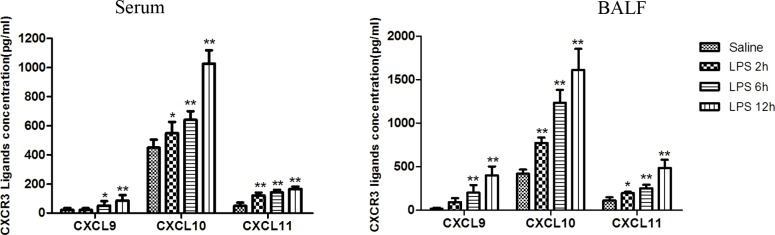
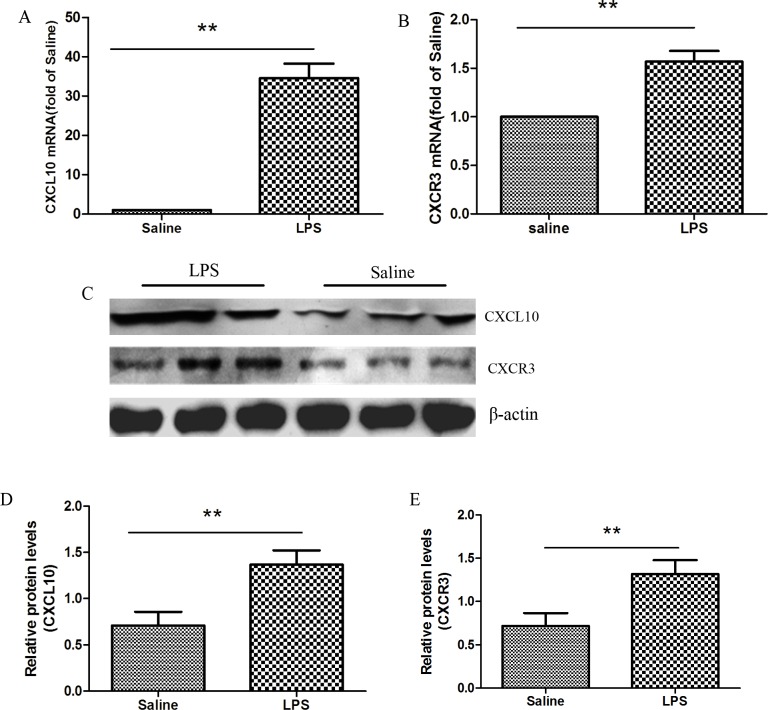
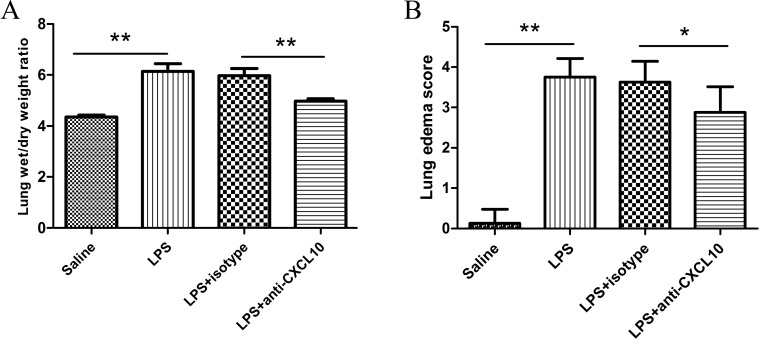
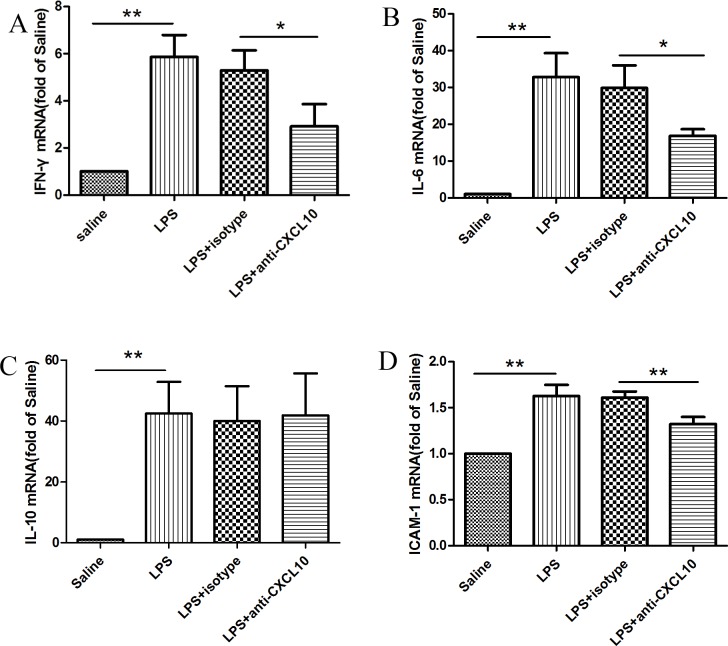
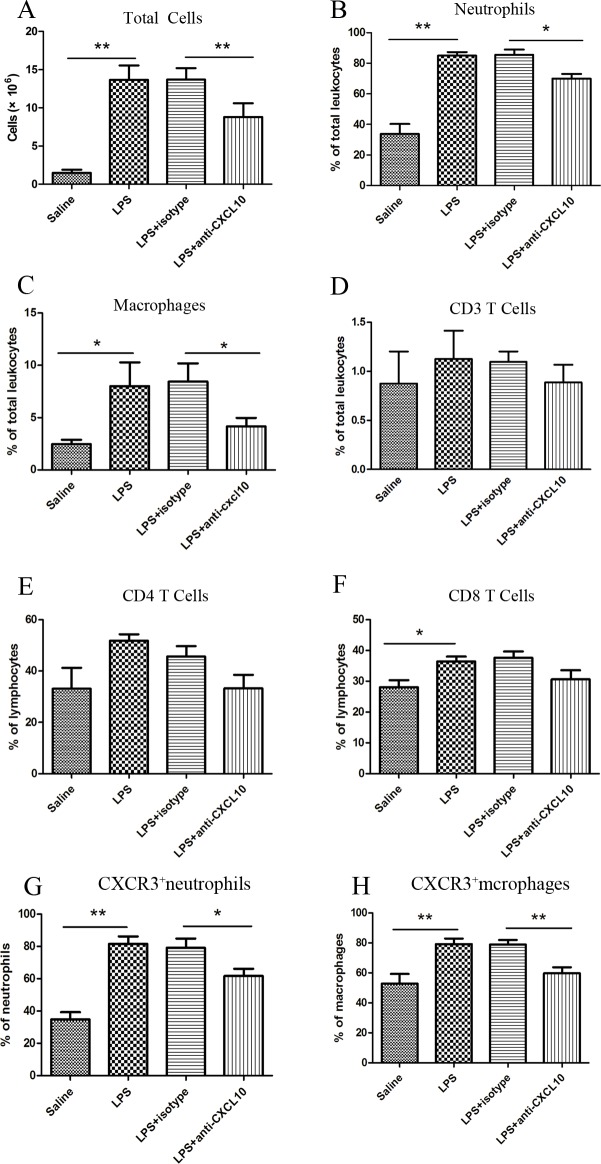
The role of C-X-C motif chemokine 10 (CXCL10), a pro-inflammatory factor, in the development of acute respiratory distress syndrome (ARDS) remains unclear. In this study, we explored the role of CXCL10 and the effect of CXCL10 neutralization in lipopolysaccharide (LPS)-induced ARDS in rats. The expression of CXCL10 and its receptor chemokine receptor 3(CXCR3) increased after LPS induction. Moreover, neutralization of CXCL10 ameliorated the severity of ARDS by reducing pulmonary edema, inhibiting the release of inflammatory mediators (IFN-γ, IL-6 and ICAM-1) and limiting inflammatory cells (neutrophils, macrophages, CD8+ T cells) influx into the lung, with a reduction in CXCR3 expression in neutrophils and macrophages. Therefore, CXCL10 could be a potential therapeutic target in LPS-induced ARDS.
促炎因子C-X-C基序趋化因子10(CXCL10)在急性呼吸窘迫综合征(ARDS)发生发展中的作用尚不清楚。在本研究中,我们探讨了CXCL10的作用以及CXCL10中和对脂多糖(LPS)诱导的大鼠ARDS的影响。LPS诱导后,CXCL10及其受体趋化因子受体3(CXCR3)的表达增加。此外,CXCL10的中和通过减轻肺水肿、抑制炎症介质(IFN-γ、IL-6和ICAM-1)的释放以及限制炎症细胞(中性粒细胞、巨噬细胞、CD8+T细胞)流入肺内,改善了ARDS的严重程度,同时中性粒细胞和巨噬细胞中CXCR3的表达降低。因此,CXCL10可能是LPS诱导的ARDS的一个潜在治疗靶点。