
固体脂质纳米粒递送姜黄素增强光细胞毒性。
Enhanced photocytotoxicity of curcumin delivered by solid lipid nanoparticles.
作者信息
Jiang Shan, Zhu Rongrong, He Xiaolie, Wang Jiao, Wang Mei, Qian Yechang, Wang Shilong
机构信息
Tenth People's Hospital, School of Life Science and Technology, Tongji University.
Department of Respiratory Disease, Baoshan District Hospital of Integrated Traditional Chinese and Western Medicine, Shanghai, People's Republic of China.
出版信息
Int J Nanomedicine. 2016 Dec 22;12:167-178. doi: 10.2147/IJN.S123107. eCollection 2017.
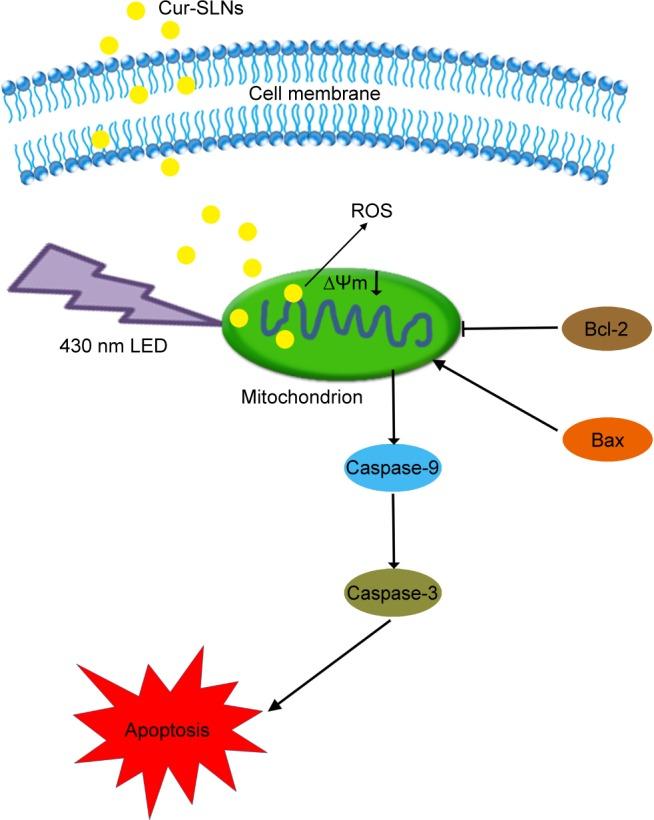
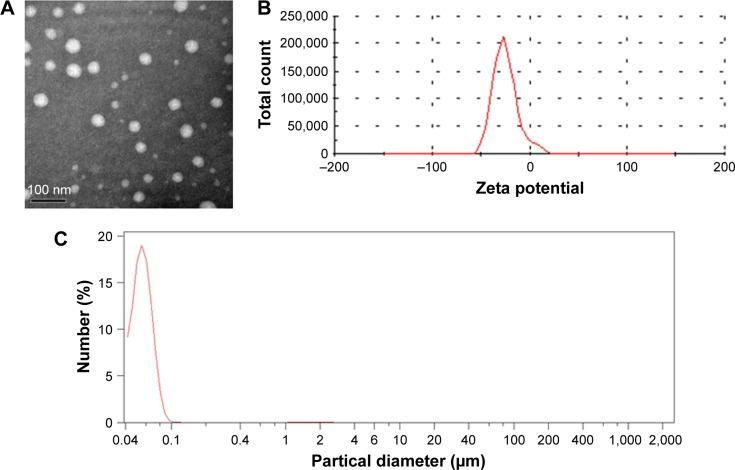
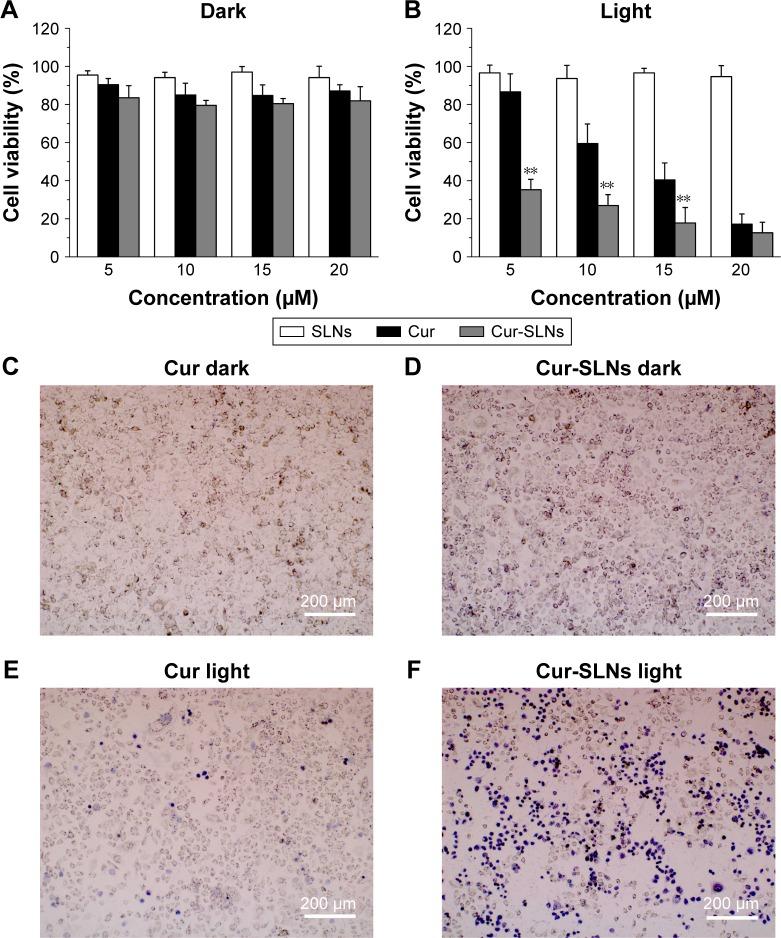
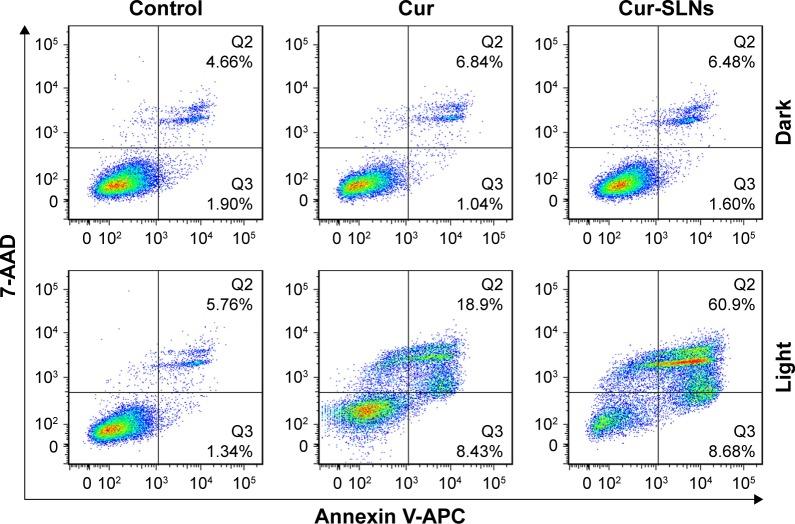
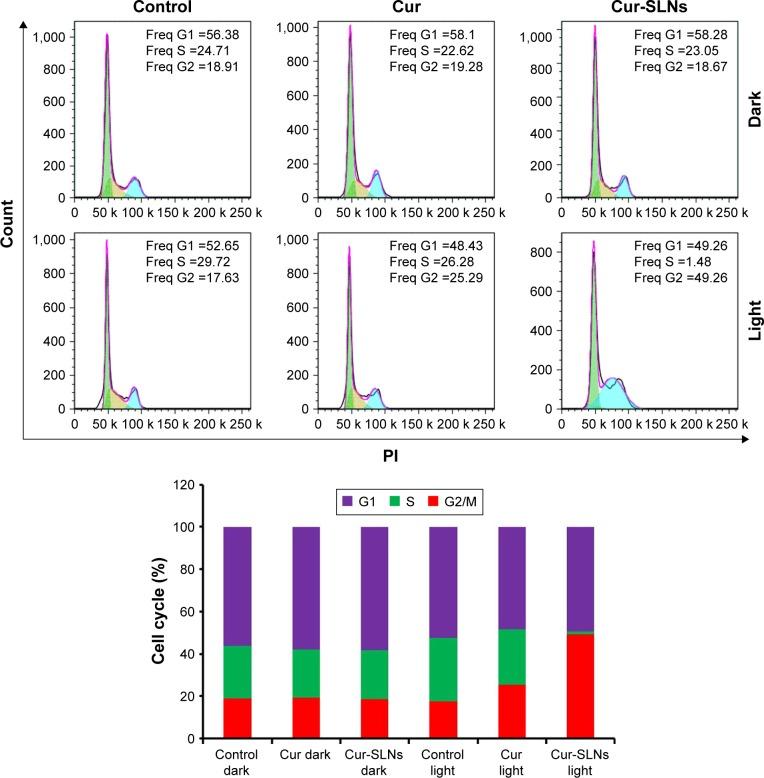
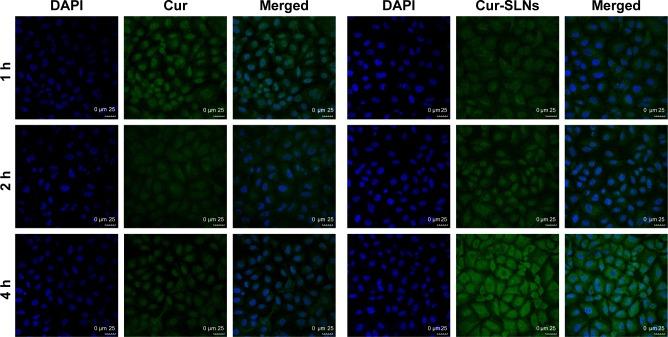
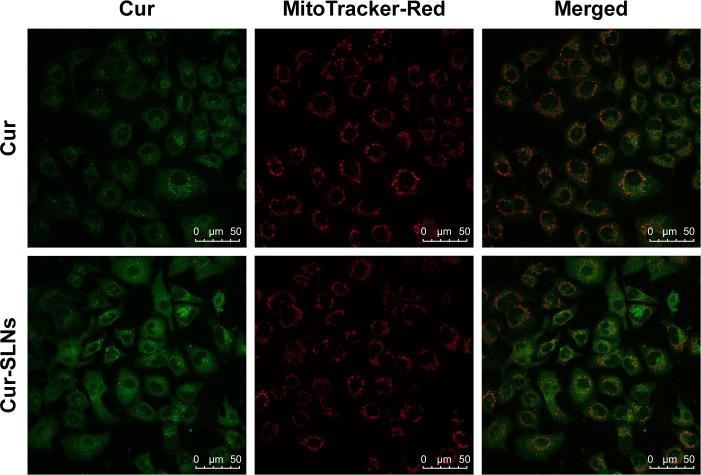
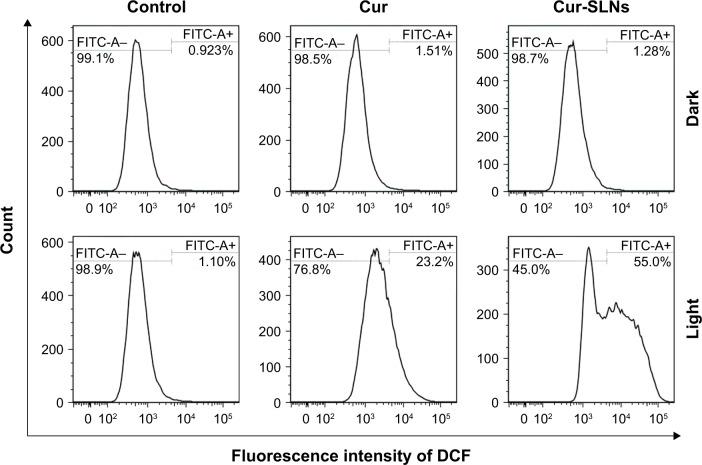
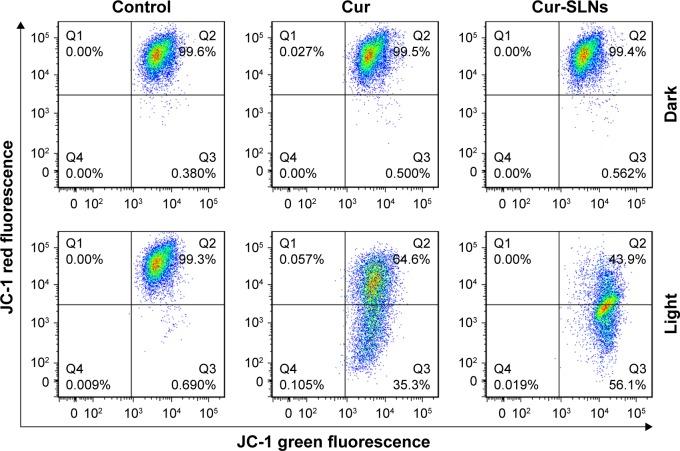
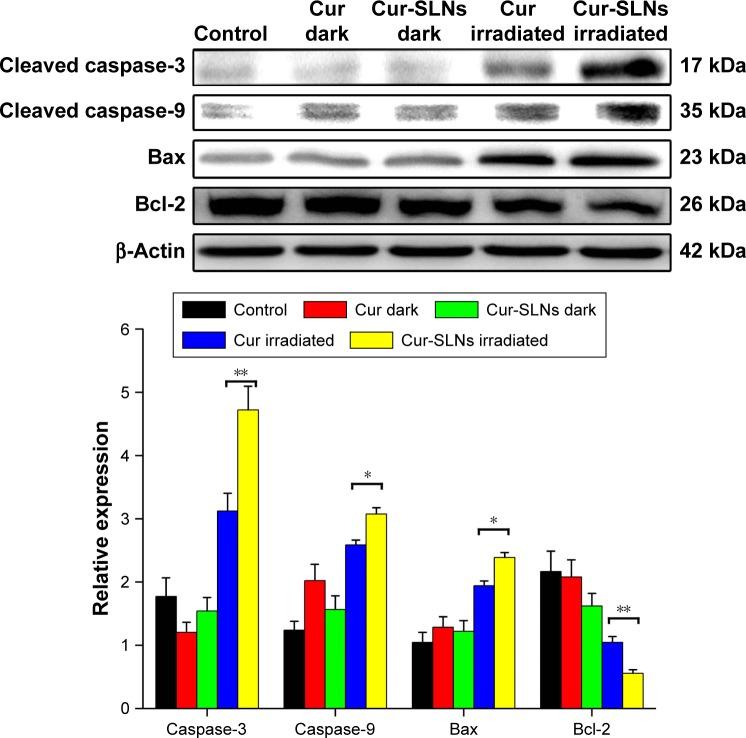
Curcumin (Cur) is a promising photosensitizer that could be used in photodynamic therapy. However, its poor solubility and hydrolytic instability limit its clinical use. The aim of the present study was to encapsulate Cur into solid lipid nanoparticles (SLNs) in order to improve its therapeutic activity. The Cur-loaded SLNs (Cur-SLNs) were prepared using an emulsification and low-temperature solidification method. The functions of Cur and Cur-SLNs were studied on the non-small cell lung cancer A549 cells for photodynamic therapy. The results revealed that Cur-SLNs induced ~2.27-fold toxicity higher than free Cur at a low concentration of 15 μM under light excitation, stocking more cell cycle at G2/M phase. Cur-SLNs could act as an efficient drug delivery system to increase the intracellular concentration of Cur and its accumulation in mitochondria; meanwhile, the hydrolytic stability of free Cur could be improved. Furthermore, Cur-SLNs exposed to 430 nm light could produce more reactive oxygen species to induce the disruption of mitochondrial membrane potential. Western blot analysis revealed that Cur-SLNs increased the expression of caspase-3, caspase-9 proteins and promoted the ratio of Bax/Bcl-2. Overall, the results from these studies demonstrated that the SLNs could enhance the phototoxic effects of Cur.
姜黄素(Cur)是一种有潜力的可用于光动力疗法的光敏剂。然而,其溶解性差和水解不稳定性限制了它的临床应用。本研究的目的是将姜黄素包封到固体脂质纳米粒(SLNs)中以提高其治疗活性。采用乳化和低温固化法制备了负载姜黄素的固体脂质纳米粒(Cur-SLNs)。研究了Cur和Cur-SLNs在非小细胞肺癌A549细胞上进行光动力治疗的作用。结果显示,在15 μM的低浓度下,光激发时Cur-SLNs诱导的毒性比游离Cur高约2.27倍,使更多细胞周期停滞在G2/M期。Cur-SLNs可作为一种有效的药物递送系统,增加Cur在细胞内的浓度及其在线粒体中的积累;同时,可提高游离Cur的水解稳定性。此外,暴露于430 nm光的Cur-SLNs可产生更多活性氧,诱导线粒体膜电位的破坏。蛋白质免疫印迹分析显示,Cur-SLNs增加了caspase-3、caspase-9蛋白的表达,并提高了Bax/Bcl-2的比值。总体而言,这些研究结果表明,固体脂质纳米粒可增强姜黄素的光毒性作用。
 Zotero 插件