Department of Biomedical Engineering, Faculty of Electronic Information and Electrical Engineering, Dalian University of Technology, Dalian 116024, China.
Liaoning Provincial Key Laboratory of Cerebral Diseases, Institute for Brain Disorders, Dalian Medical University, Dalian 116044, China.
Sci Rep. 2017 Jan 5;7:40137. doi: 10.1038/srep40137.
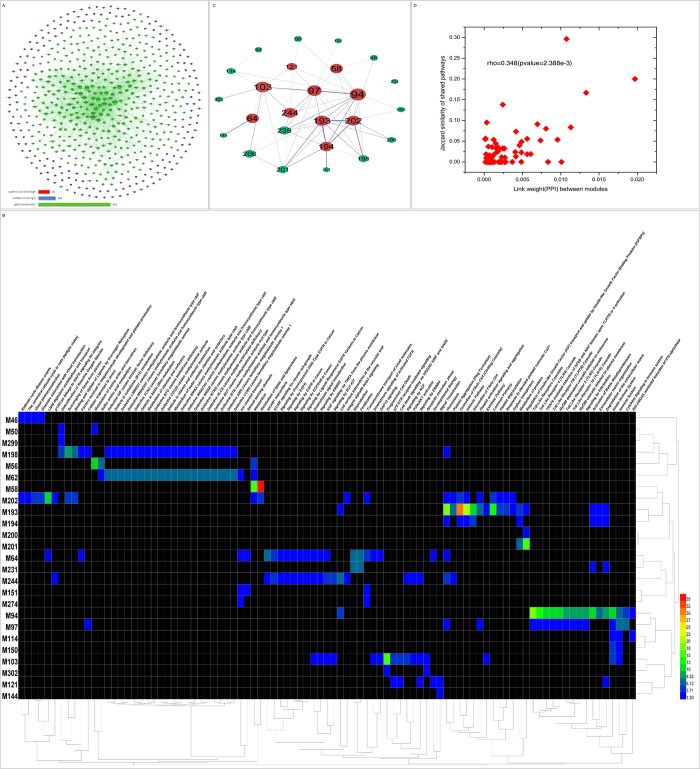
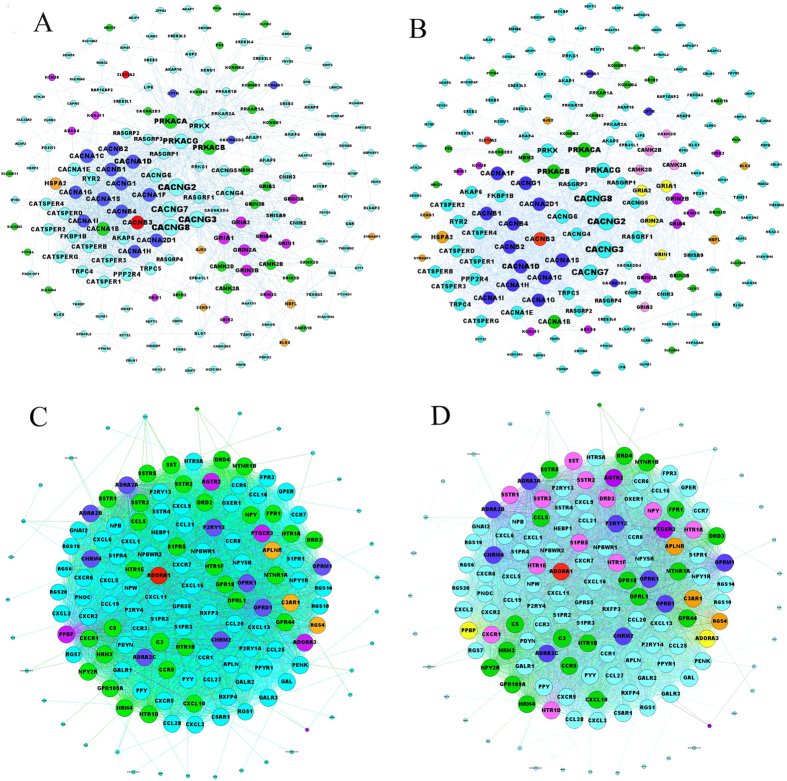
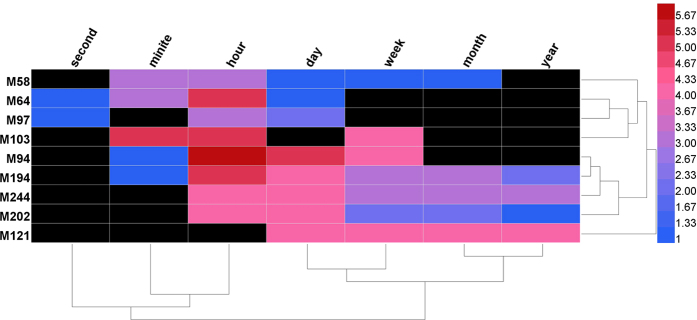
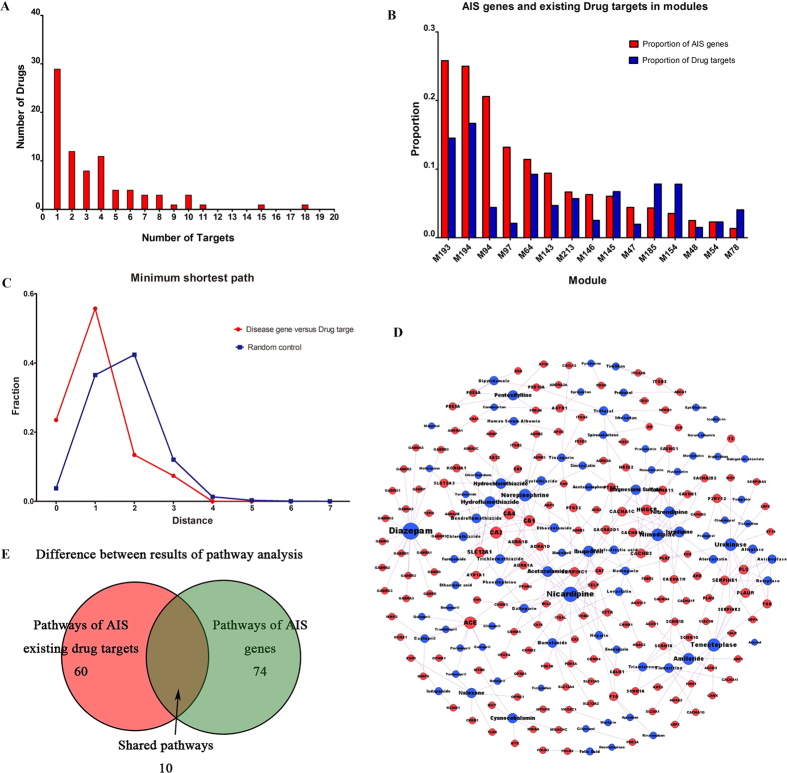
Acute ischemic stroke (AIS) accounts for more than 80% of the approximately 610,000 new stroke cases worldwide every year. Both ischemia and reperfusion can cause death, damage, and functional changes of affected nerve cells, and these alterations can result in high rates of disability and mortality. Therefore, therapies aimed at increasing neuroprotection and neurorepair would make significant contributions to AIS management. However, with regard to AIS therapies, there is currently a large gap between experimental achievements and practical clinical solutions (EC-GAP-AIS). Here, by integrating curated disease-gene associations and interactome network known to be related to AIS, we investigated the molecular network mechanisms of multi-module structures underlying AIS, which might be relevant to the time frame subtypes of AIS. In addition, the EC-GAP-AIS phenomenon was confirmed and elucidated by the shortest path lengths and the inconsistencies in the molecular functionalities and overlapping pathways between AIS-related genes and drug targets. Furthermore, we identified 23 potential targets (e.g. ADORA3, which is involved in the regulation of cellular reprogramming and the extracellular matrix) and 46 candidate drugs (e.g. felbamate, methylphenobarbital and memantine) that may have value for the treatment of AIS.
急性缺血性脑卒中(AIS)占全球每年约 61 万例新发脑卒中病例的 80%以上。缺血和再灌注均可导致受影响神经细胞的死亡、损伤和功能变化,这些改变可导致高残疾率和死亡率。因此,旨在增加神经保护和神经修复的治疗方法将为 AIS 的治疗做出重大贡献。然而,在 AIS 治疗方面,目前实验成果与实际临床解决方案之间存在巨大差距(EC-GAP-AIS)。在这里,我们通过整合已知与 AIS 相关的经过精心策划的疾病-基因关联和互作网络,研究了 AIS 多模块结构下的分子网络机制,这可能与 AIS 的时间亚型有关。此外,通过 AIS 相关基因与药物靶点之间的最短路径长度以及分子功能和重叠途径的不一致性,证实并阐明了 EC-GAP-AIS 现象。此外,我们确定了 23 个潜在靶点(例如 ADORA3,它参与细胞重编程和细胞外基质的调节)和 46 种候选药物(例如 felbamate、苯巴比妥和美金刚),它们可能对 AIS 的治疗具有价值。