Blackburn Patrick R, Tischer Alexander, Zimmermann Michael T, Kemppainen Jennifer L, Sastry Sujatha, Knight Johnson Amy E, Cousin Margot A, Boczek Nicole J, Oliver Gavin, Misra Vinod K, Gavrilova Ralitza H, Lomberk Gwen, Auton Matthew, Urrutia Raul, Klee Eric W
From the Center for Individualized Medicine and.
the Department of Health Science Research, Mayo Clinic, Jacksonville, Florida 32224.
J Biol Chem. 2017 Mar 3;292(9):3866-3876. doi: 10.1074/jbc.M116.770545. Epub 2017 Jan 5.
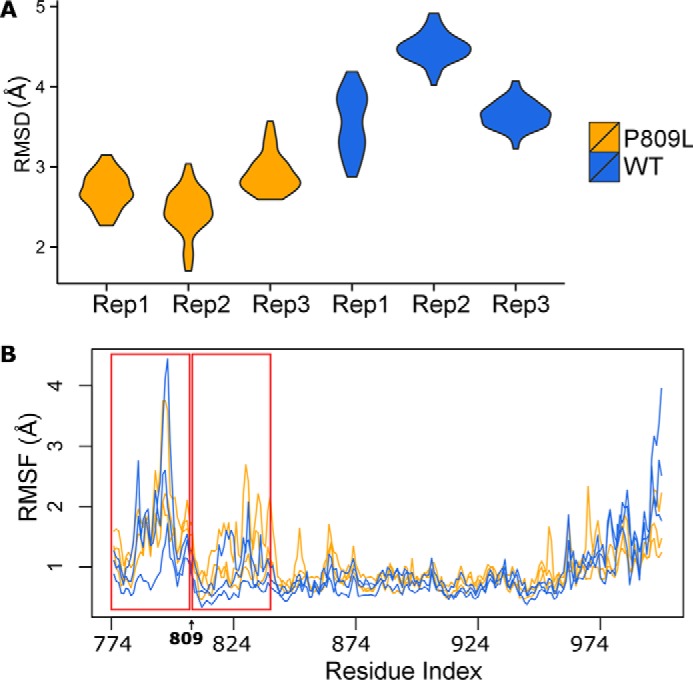
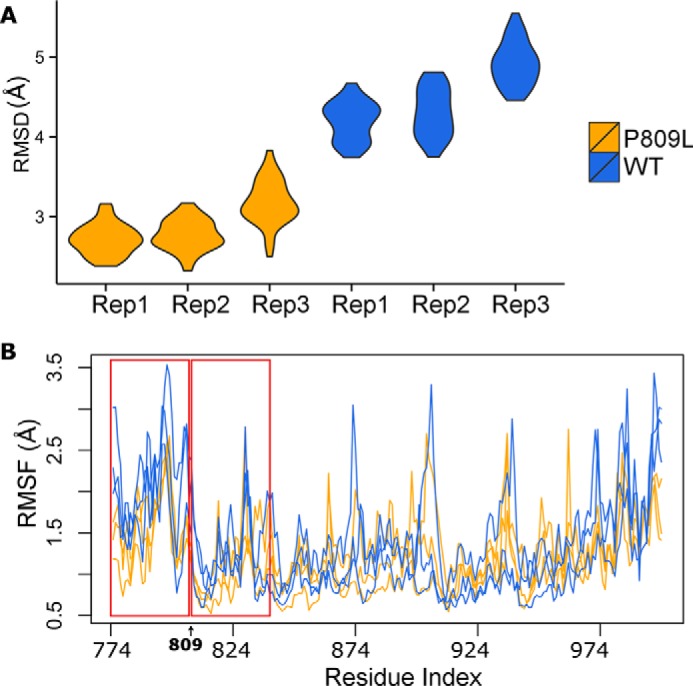
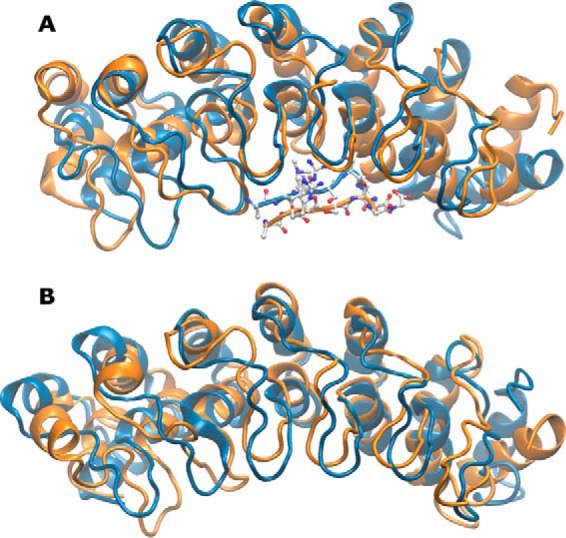
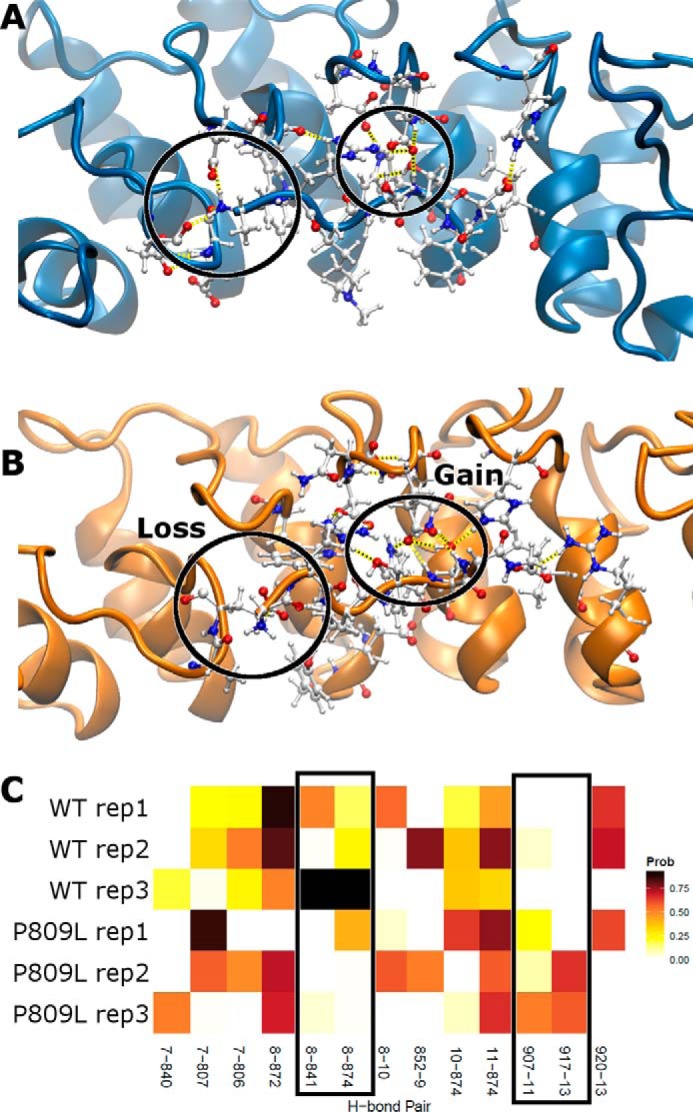
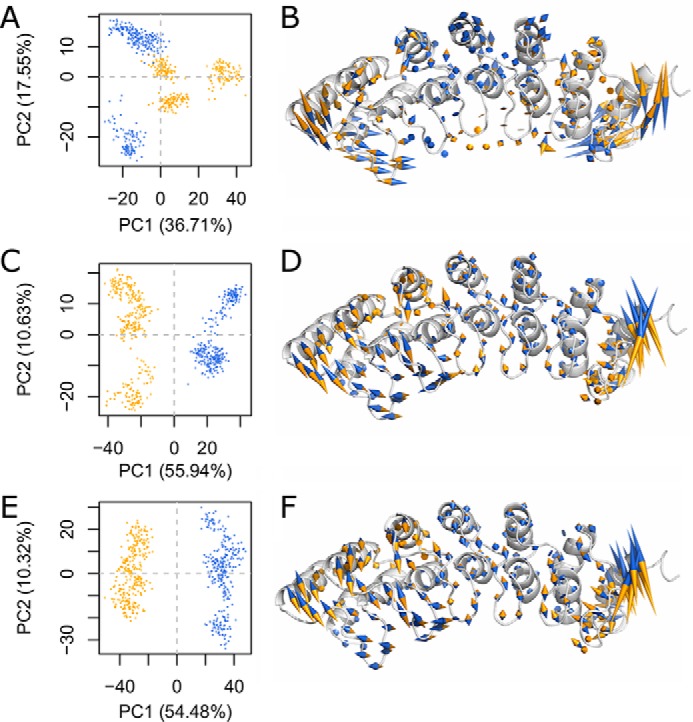
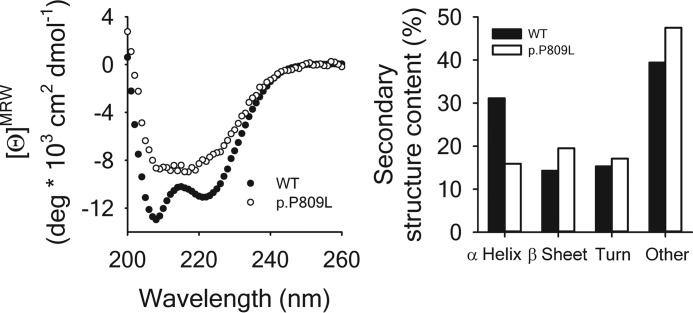
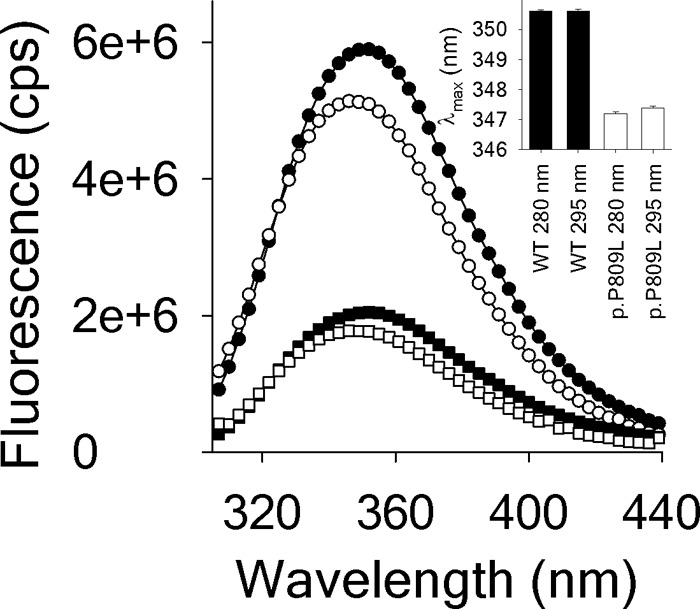
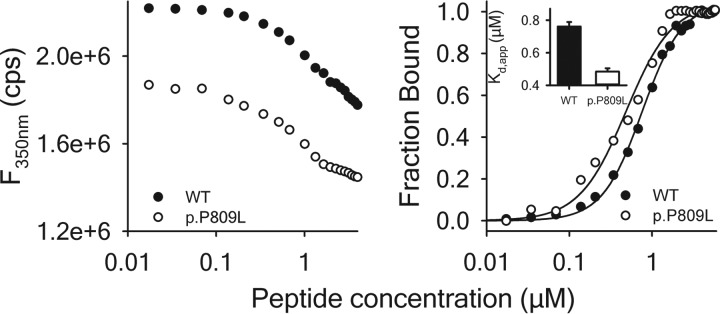
Kleefstra syndrome (KS) (Mendelian Inheritance in Man (MIM) no. 610253), also known as 9q34 deletion syndrome, is an autosomal dominant disorder caused by haploinsufficiency of euchromatic histone methyltransferase-1 (). The clinical phenotype of KS includes moderate to severe intellectual disability with absent speech, hypotonia, brachycephaly, congenital heart defects, and dysmorphic facial features with hypertelorism, synophrys, macroglossia, protruding tongue, and prognathism. Only a few cases of missense mutations in giving rise to KS have been described. However, some variants have been described in individuals presenting with autism spectrum disorder or mild intellectual disability, suggesting that the phenotypic spectrum resulting from EHMT1 alterations may be quite broad. In this report, we describe two unrelated patients with complex medical histories consistent with KS in whom next generation sequencing identified the same novel c.2426C>T (p.P809L) missense variant in To examine the functional significance of this novel variant, we performed molecular dynamics simulations of the wild type and p.P809L variant, which predicted that the latter would have a propensity to misfold, leading to abnormal histone mark binding. Recombinant EHMT1 p.P809L was also studied using far UV circular dichroism spectroscopy and intrinsic protein fluorescence. These functional studies confirmed the model-based hypotheses and provided evidence for protein misfolding and aberrant target recognition as the underlying pathogenic mechanism for this novel KS-associated variant. This is the first report to suggest that missense variants in EHMT1 that lead to protein misfolding and disrupted histone mark binding can lead to KS.
克莱夫斯特拉综合征(KS)(《人类孟德尔遗传》(MIM)编号:610253),也称为9q34缺失综合征,是一种常染色体显性疾病,由常染色质组蛋白甲基转移酶-1(EHMT1)单倍剂量不足引起。KS的临床表型包括中度至重度智力残疾且无言语能力、肌张力减退、短头畸形、先天性心脏缺陷以及面部畸形特征,如眼距过宽、连眉、巨舌、伸舌和凸颌。仅有少数关于导致KS的EHMT1错义突变病例的报道。然而,在患有自闭症谱系障碍或轻度智力残疾的个体中已描述了一些EHMT1变体,这表明由EHMT1改变导致的表型谱可能相当广泛。在本报告中,我们描述了两名病史复杂且符合KS的无关患者,通过下一代测序在他们体内鉴定出相同的新型c.2426C>T(p.P809L)错义变体。为了研究这种新型变体的功能意义,我们对野生型和p.P809L变体进行了分子动力学模拟,预测后者有错误折叠的倾向,导致异常的组蛋白标记结合。还使用远紫外圆二色光谱和蛋白质固有荧光对重组EHMT1 p.P809L进行了研究。这些功能研究证实了基于模型的假设,并为蛋白质错误折叠和异常靶标识别作为这种新型KS相关变体的潜在致病机制提供了证据。这是第一份表明导致蛋白质错误折叠和组蛋白标记结合破坏的EHMT1错义变体可导致KS的报告。