Cheng Lily S, Hotta Ryo, Graham Hannah K, Belkind-Gerson Jaime, Nagy Nandor, Goldstein Allan M
Department of Pediatric Surgery, Massachusetts General Hospital, Harvard Medical School, Boston, Massachusetts.
Department of Surgery, University of California San Francisco, San Francisco, California.
Pediatr Res. 2017 May;81(5):838-846. doi: 10.1038/pr.2017.4. Epub 2017 Jan 6.
Enteric neural stem/progenitor cells (ENSCs) offer an innovative approach to treating Hirschsprung disease (HSCR) and other enteric neuropathies. However, postnatal-derived human ENSCs have not been thoroughly characterized and their behavior in the embryonic and postnatal intestinal environment is unknown.
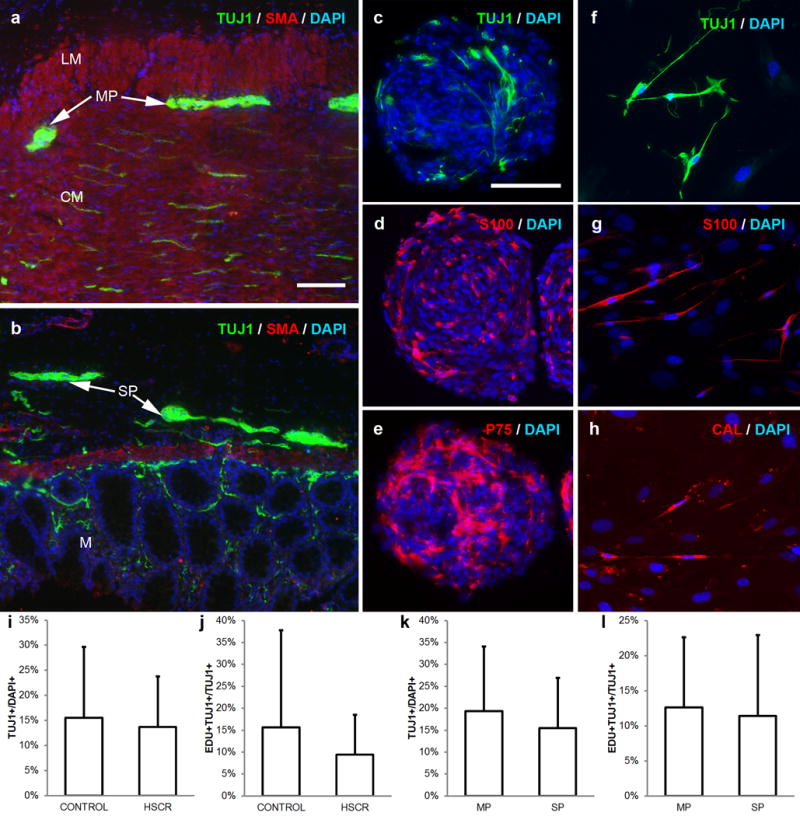
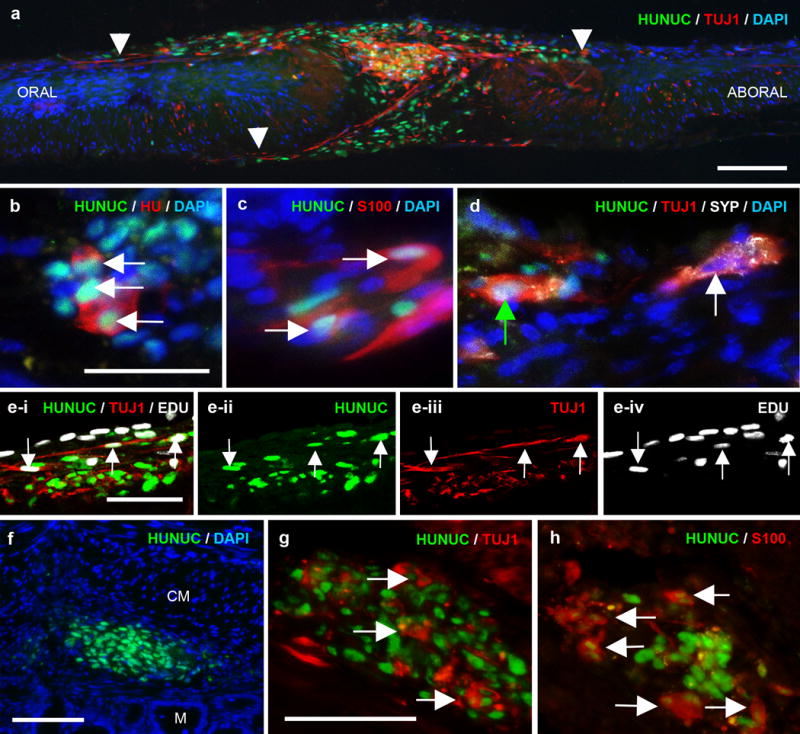
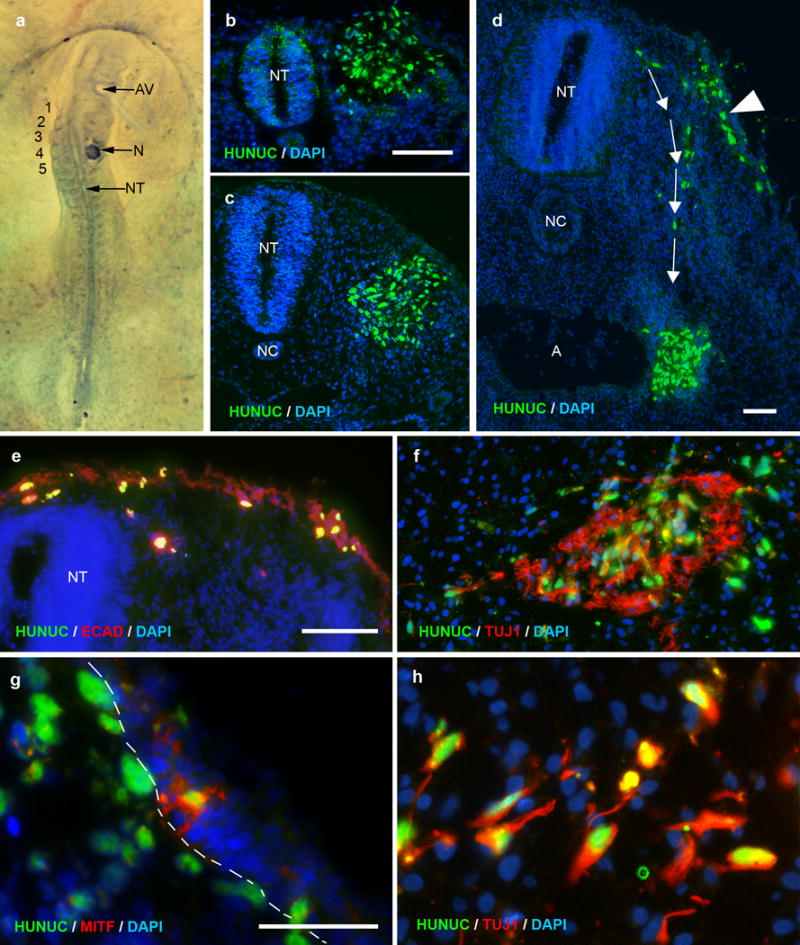
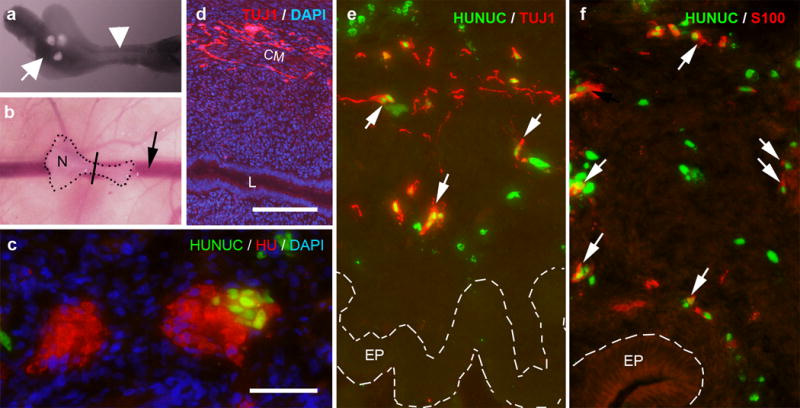
ENSCs were isolated from the intestines of 25 patients undergoing bowel resection, including 7 children with HSCR. Neuronal differentiation and proliferation of ENSCs from submucosal and myenteric plexuses from patients with and without HSCR were characterized. ENSC migration and differentiation were studied following transplantation into embryonic chick neural crest, embryonic chick hindgut, and postnatal mouse aganglionic colon.
The proliferative and neurogenic potential of ENSCs from HSCR intestine is equivalent to that of non-HSCR controls. Similarly, no difference was observed between myenteric- and submucosal-derived ENSCs. Postnatal ENSCs transplanted to embryonic neural crest pathways and to aneural hindgut migrate normally and differentiate into appropriate neural crest-derived cell types. ENSCs in postnatal mouse aganglionic colon differentiate into neurons and glia both ex vivo and in vivo.
ENSCs isolated from the postnatal intestine of patients with and without HSCR can behave like embryonic neural crest-derived cells. These results support the feasibility of cell-based therapy for future treatment of neurointestinal disease.
肠神经干细胞/祖细胞(ENSCs)为治疗先天性巨结肠症(HSCR)和其他肠道神经病变提供了一种创新方法。然而,产后来源的人类ENSCs尚未得到充分表征,其在胚胎和产后肠道环境中的行为也未知。
从25例接受肠切除手术的患者的肠道中分离出ENSCs,其中包括7例患有HSCR的儿童。对患有和未患有HSCR的患者黏膜下和肌间神经丛中的ENSCs的神经元分化和增殖进行了表征。将ENSCs移植到胚胎鸡神经嵴、胚胎鸡后肠和产后小鼠无神经节结肠后,研究了其迁移和分化情况。
HSCR肠道中ENSCs的增殖和神经发生潜能与非HSCR对照组相当。同样,肌间神经丛来源和黏膜下来源的ENSCs之间未观察到差异。移植到胚胎神经嵴通路和无神经后肠的产后ENSCs能正常迁移并分化为合适的神经嵴衍生细胞类型。产后小鼠无神经节结肠中的ENSCs在体外和体内均能分化为神经元和神经胶质细胞。
从患有和未患有HSCR的患者产后肠道中分离出的ENSCs的行为可类似于胚胎神经嵴衍生细胞。这些结果支持了基于细胞的疗法用于未来治疗神经肠道疾病的可行性。